
 한국어
한국어 English
 日本語
日本語 中文(简体)
Dosage form image
Viewing nowLigtzalprofen Tablet 80 mg
Zaltoprofen 80mg
Tablet · Prescription medication
Ligtpharmtech Co., Ltd.
MFDS item code 202002000 · Approved 2020.03.20
This product's status changed to Expired on 2025.03.20. It may no longer be sold, so consult a doctor or pharmacist before taking it.
Anti-inflammatory and analgesic effects for chronic rheumatoid arthritis and osteoarthritis (degenerative arthritis)
This medication helps relieve various chronic inflammation and pain conditions such as chronic rheumatoid arthritis, osteoarthritis, low back pain, adhesive capsulitis, and shoulder impingement syndrome. It also effectively reduces inflammation and pain following surgery, trauma, and tooth extraction, aiding in recovery. It is used to improve the discomfort of patients by demonstrating anti-inflammatory and analgesic effects in various circumstances.
As Zaltoprofen, take 80 mg three times a day orally. For single doses, take 80-160 mg orally.
People who regularly drink more than three glasses of alcohol a day should consult a doctor or pharmacist before taking this medication. Drinking alcohol while taking this medication may increase the risk of gastrointestinal bleeding. This medication can cause cardiovascular issues. It especially increases the risk of serious thrombotic reactions such as myocardial infarction or stroke, so those with cardiovascular diseases or risk factors should be more cautious. During the use of this medication, both the doctor and the patient should closely monitor for any cardiovascular symptoms and report immediately if symptoms occur. This medication can cause serious issues in the digestive system, such as bleeding, ulcers, or perforation. Particularly, older adults or those with a history of gastrointestinal conditions are at a higher risk, thus requiring caution during use. The longer the duration of use, the higher the risk of gastrointestinal adverse reactions. Therefore, if gastrointestinal bleeding or ulcer symptoms occur during treatment, the patient should notify their doctor immediately. People with a history of peptic ulcer, severe blood disorders, liver impairment, kidney impairment, or heart failure should not take this medication. Individuals allergic to this medication or its components, or who have had hypersensitivity to aspirin or other non-steroidal anti-inflammatory drugs, should also refrain from using it. Pregnant women in the late stages and breastfeeding mothers should avoid taking this medication, as well as patients with inflammatory bowel disease or genetic lactose intolerance. Individuals with a history of peptic ulcers, liver, or kidney diseases, elderly patients, asthma patients, and those with hypertension should take this medication with caution. During treatment, various adverse reactions such as gastrointestinal discomfort, vomiting, diarrhea, headache, dizziness, and allergic reactions may occur, so if symptoms appear, the patient should consult a doctor immediately. Taking this medication with other non-steroidal anti-inflammatory drugs may increase the risk of side effects, so it is advisable not to combine them. Moreover, interactions with other medications such as ACE inhibitors, diuretics, anticoagulants, lithium, and methotrexate may occur; thus, patients should inform their doctor of any other medications they are taking. In the early or mid-pregnancy stages, this medication should only be used when necessary, under the doctor's direction, and at the minimum dosage. It should not be taken during the late stages of pregnancy. Women who are breastfeeding should avoid this medication as it may be transferred through breast milk. The safety of this medication in children has not been established, so it is advisable not to use it on them. Elderly patients may experience reduced kidney function, causing the medication to remain in the body for longer, thus necessitating careful adjustment of dosage and frequency during use. This medication should be stored out of reach of children, and it is safe not to transfer it to another container.
Not everyone experiences these, and they can vary from person to person.
This medication should be kept in a tightly sealed container to prevent air or moisture from entering and should be stored at room temperature between 1 and 30 degrees Celsius. Proper storage maintains the medication's effectiveness and safety.
White, round film-coated tablet
30 tablets/bottle, 500 tablets/bottle
Even with the same ingredient, strength, dosage form and how it is taken can differ.
Zaltoprofen 80mg
Tablet · Prescription medication
Ligtpharmtech Co., Ltd.
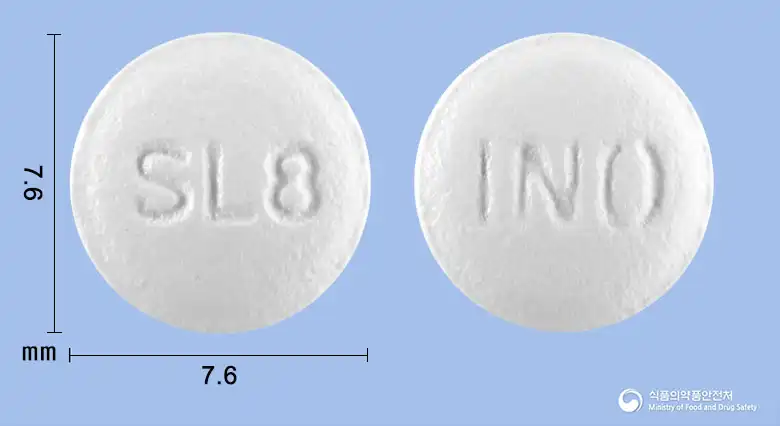
Zaltoprofen 80mg
Tablet · Prescription medication
HK inno.N Co., Ltd.
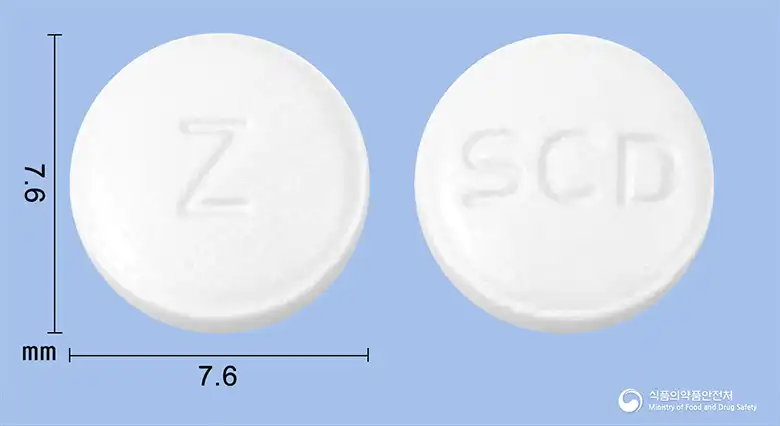
Zaltoprofen 80mg
Tablet · Prescription medication
Samchundang Pharmaceutical Co., Ltd.

Zaltoprofen 80mg
Tablet · Prescription medication
(Co., Ltd.) Yuyoung Pharmaceutical
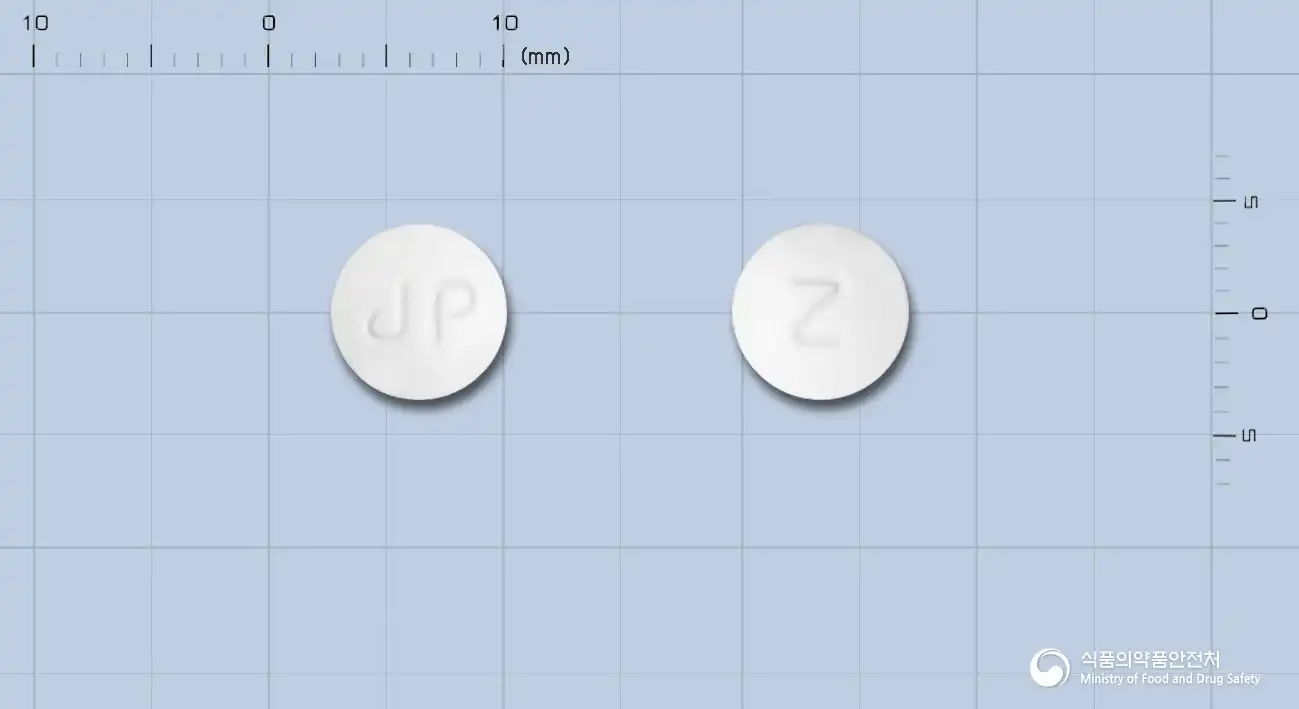
Zaltoprofen 80mg
Tablet · Prescription medication
Daehwa Pharmaceutical Co., Ltd.

Zaltoprofen 80mg
Tablet · Prescription medication
(Co., Ltd.) Korea PMG Pharmaceutical
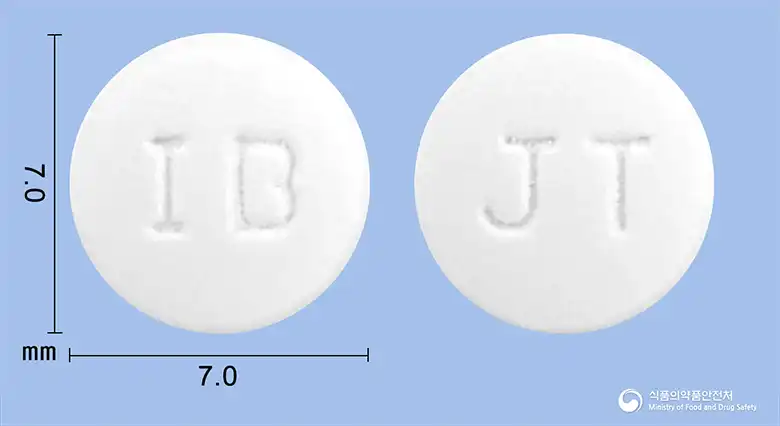
Zaltoprofen 80mg
Tablet · Prescription medication
IlYang Biopharm Co., Ltd.

Zaltoprofen 80mg
Tablet · Prescription medication
IYON Pharmaceutical Co., Ltd.
Even with the same ingredient, the dose and directions can differ by strength and dosage form. Talk to a doctor or pharmacist before switching from a medication you are already taking.
No questions yet.
For anything that needs medical judgment, consult a doctor or pharmacist.
This drug information is based on data provided by the Korea Ministry of Food and Drug Safety.
Consult a doctor or pharmacist for accurate dosage, administration, and usage instructions.