
 한국어
 English
 日本語
 中文(简体)
 Viewing nowCombination
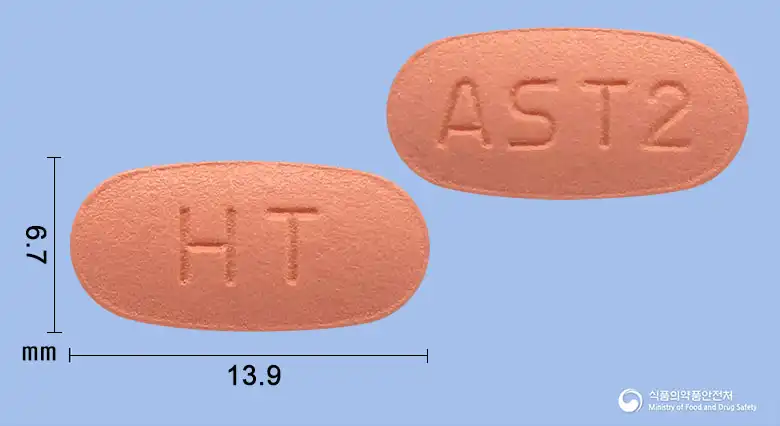
Amlodipine and Losartan Tablets 10/50 mg (Amlodipine, Losartan Potassium)
Amlodipine Besylate 13.888mg · Losartan Potassium 50mg
Tablet · Prescription medication · Combination
HuTechs Pharmaceutical Co., Ltd.
MFDS item code 202001926 · Approved 2020.03.19 · Insurance code 649104810
Treatment of essential hypertension and stage 2 hypertension not controlled with monotherapy
This medication is used for patients with essential hypertension whose blood pressure is not adequately controlled with either amlodipine or losartan monotherapy. It may also be used as an initial treatment for patients with stage 2 hypertension who require combination therapy to reach their target blood pressure. Therefore, this medication is effectively utilized to manage hypertension and help stabilize blood pressure.
The recommended dose of this medicine is 1 tablet once daily, taken with water with or without food. If possible, it is recommended to take this medicine at the same time each day (e.g., in the morning). Before administering this medicine, it is recommended to adjust the dose using the individual components (amlodipine or losartan). However, switching directly to this medicine may be considered if blood pressure is not adequately controlled with monotherapy using either individual component, as follows. - 5/50 milligrams: Administer to patients whose blood pressure is not adequately controlled with amlodipine 5 milligrams or losartan 50 milligrams monotherapy. - 5/100 milligrams: Administer to patients whose blood pressure is not adequately controlled with amlodipine 5 milligrams or losartan 100 milligrams monotherapy. Patients taking amlodipine and losartan concomitantly may switch to this medicine (a combination product containing the same amount of each active ingredient) for convenience. Before administering this medicine as initial therapy to patients with stage 2 hypertension, determine whether it is appropriate by considering baseline blood pressure, target blood pressure, and the expected likelihood of reaching the treatment goal with the combination product compared with monotherapy. The usual dose is 5/50 milligrams once daily. If blood pressure is not adequately controlled after 2 weeks of treatment, the dose may be increased to 10/50 milligrams once daily. ○ Patients with renal impairment: No dose adjustment is necessary in patients with mild renal impairment (e.g., creatinine clearance 20∼50 mL/min). However, administration of this medicine is not recommended in patients with moderate to severe renal impairment (e.g., creatinine clearance < 20 mL/min) or patients on dialysis. ○ Patients with reduced effective intravascular volume: Administration of this medicine is not recommended in the small number of patients with reduced effective intravascular volume (e.g., patients receiving high-dose diuretics). (See section 1, Warnings, under Precautions for Use.) ○ Patients with hepatic impairment: Administration of this medicine is not recommended in patients with a history of hepatic impairment who require a reduced dose of losartan (e.g., 25 milligrams once daily). ○ Older adults: As an initial dose of losartan of 25 milligrams once daily is recommended for patients 75 years of age or older, administration of this medicine as initial treatment is not recommended.
Pediatric patients 18 years of age or younger: Administration of this medicine is not recommended because safety and efficacy have not been established.
This drug may cause serious harm to the fetus if taken during pregnancy, particularly in the second and third trimesters, so it should be discontinued immediately upon confirmation of pregnancy. Care must be taken as serious adverse effects such as decreased kidney function in the fetus, hypotension, and decreased cranial formation may occur if pregnant women take this medication. Patients with decreased blood volume, for example, those taking diuretics, may experience hypotension when this drug is first administered; hence their condition should be closely monitored. Patients who are allergic to any components of this drug, those with severe liver impairment, severe aortic stenosis, or those in shock should not take this medication. Due to the blood pressure-lowering effects, dizziness or drowsiness may occur, so it is advisable to avoid hazardous activities such as working at heights or operating heavy machinery. This medication may affect liver and kidney function, so patients with liver or kidney disease should take it with caution after consulting their physician. During the course of this medication, potassium levels may increase, thus potassium-sparing diuretics or potassium supplements should be taken with frequent monitoring of blood potassium levels. It is not recommended for children and adolescents under 18 years of age due to the lack of established safety and efficacy. Elderly patients, especially those over 75 years old, may require dose adjustments, hence should take it under their doctor's direction. Overdosing on this medication may lead to severe hypotension and cardiac issues, so strict adherence to dosing is necessary. Taking this medication with grapefruit juice may enhance its blood pressure-lowering effects; therefore, concurrent intake is not advisable. If taken with other antihypertensive medications, the effect may be heightened, so it is essential to consult with a healthcare provider or pharmacist. Women who are pregnant, may become pregnant, or breastfeeding should avoid using this drug, and it should be discontinued immediately upon confirmation of pregnancy.
Not everyone experiences these, and they can vary from person to person.
This medication should be stored in a tightly closed container to prevent air or moisture from entering. Furthermore, it should be stored at room temperature between 1 to 30 degrees Celsius, avoiding overly hot or cold places.
Pink oval film-coated tablet
30 tablets/bottle
Even with the same ingredient, strength, dosage form and how it is taken can differ.
Viewing nowCombinationAmlodipine Besylate 13.888mg · Losartan Potassium 50mg
Tablet · Prescription medication · Combination
HuTechs Pharmaceutical Co., Ltd.
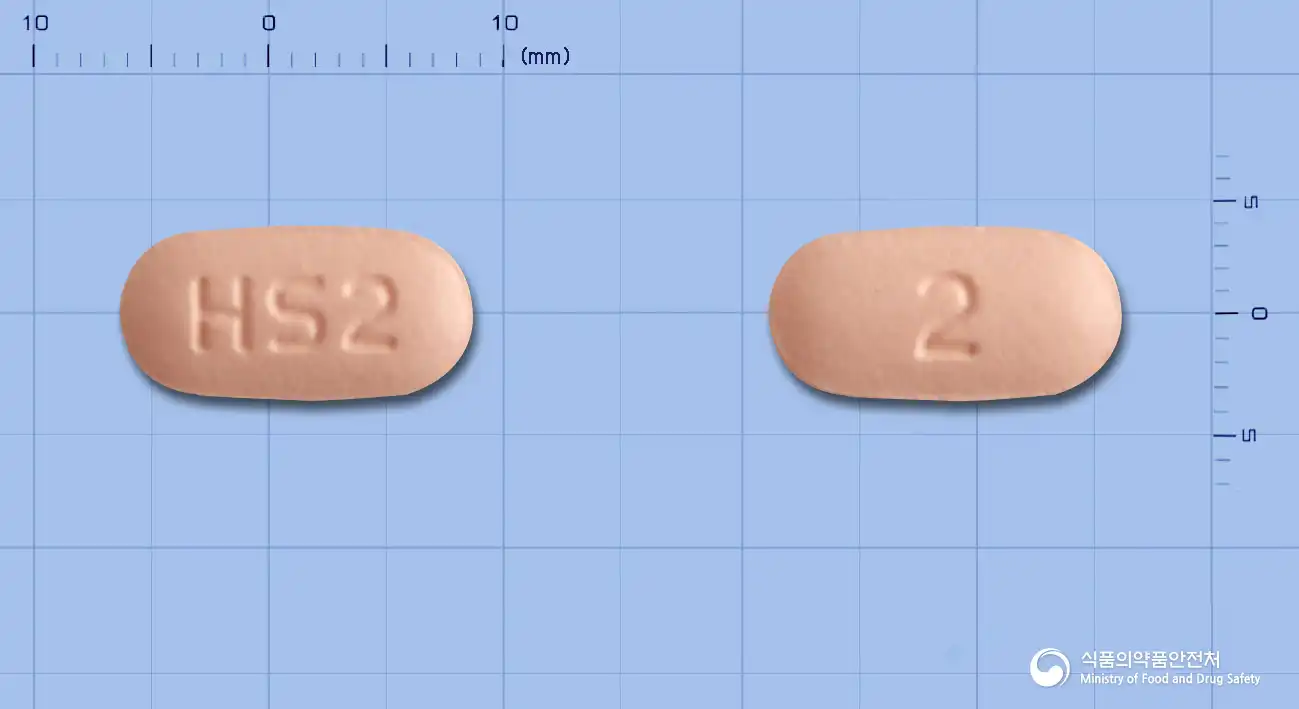 Combination
Amlodipine Besylate 6.944mg · Losartan Potassium 100mg
Tablet · Prescription medication · Combination
Huwons Co., Ltd.
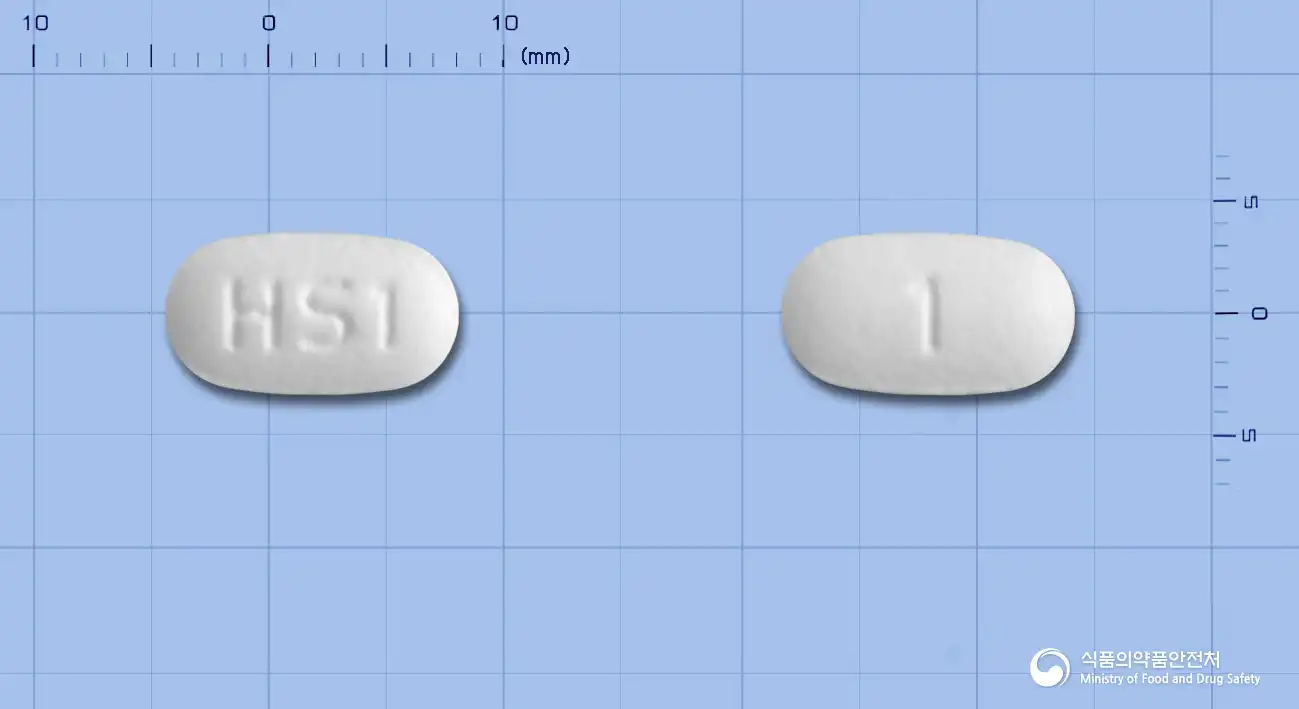 Combination
Amlodipine Besylate 6.944mg · Losartan Potassium 50mg
Tablet · Prescription medication · Combination
Huons Co., Ltd.
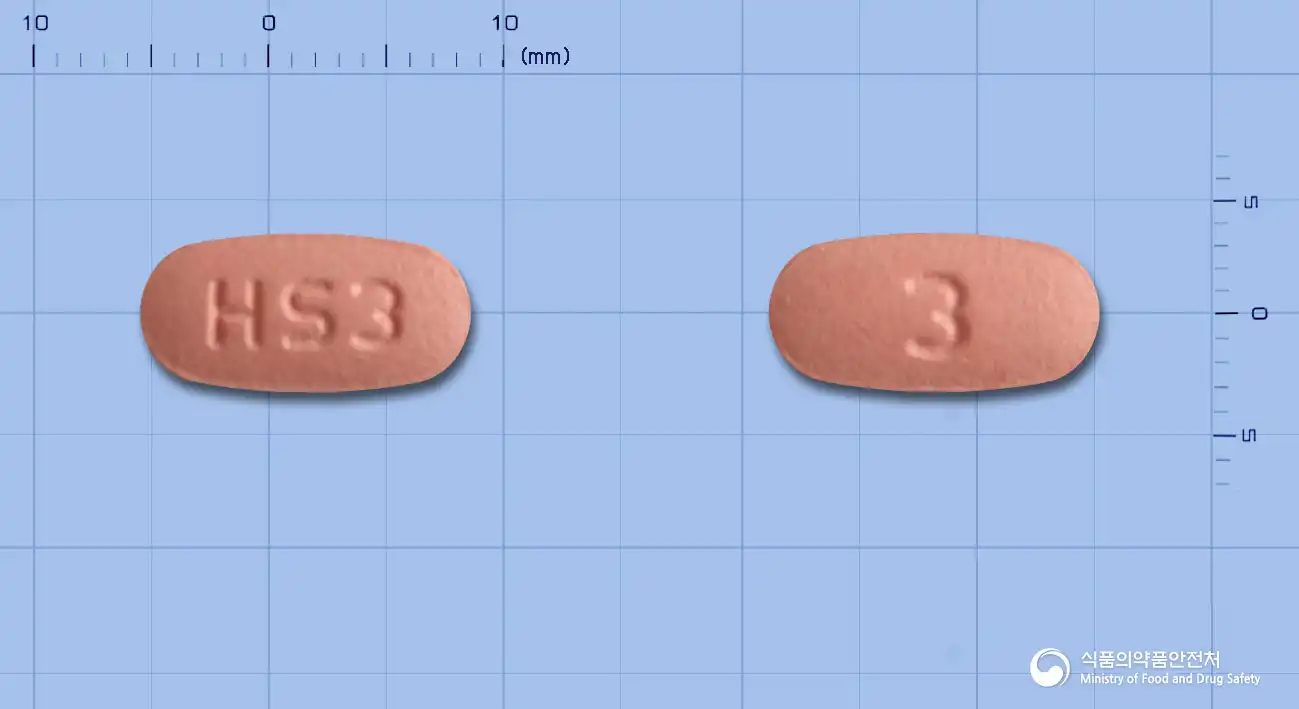 Combination
Amlodipine Besylate 13.888mg · Losartan Potassium 50mg
Tablet · Prescription medication · Combination
Huons Co., Ltd.
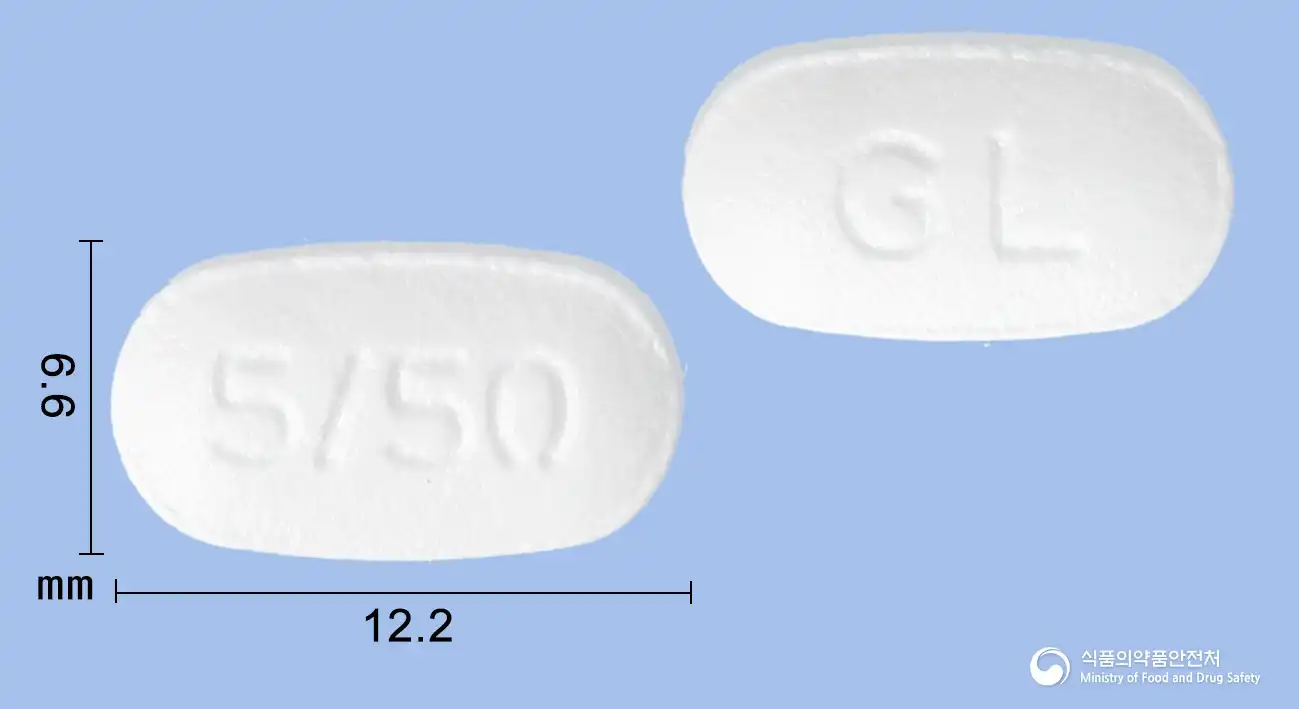 Combination
Amlodipine Besylate 6.944mg · Losartan Potassium 50mg
Tablet · Prescription medication · Combination
GL Pharma Co., Ltd.
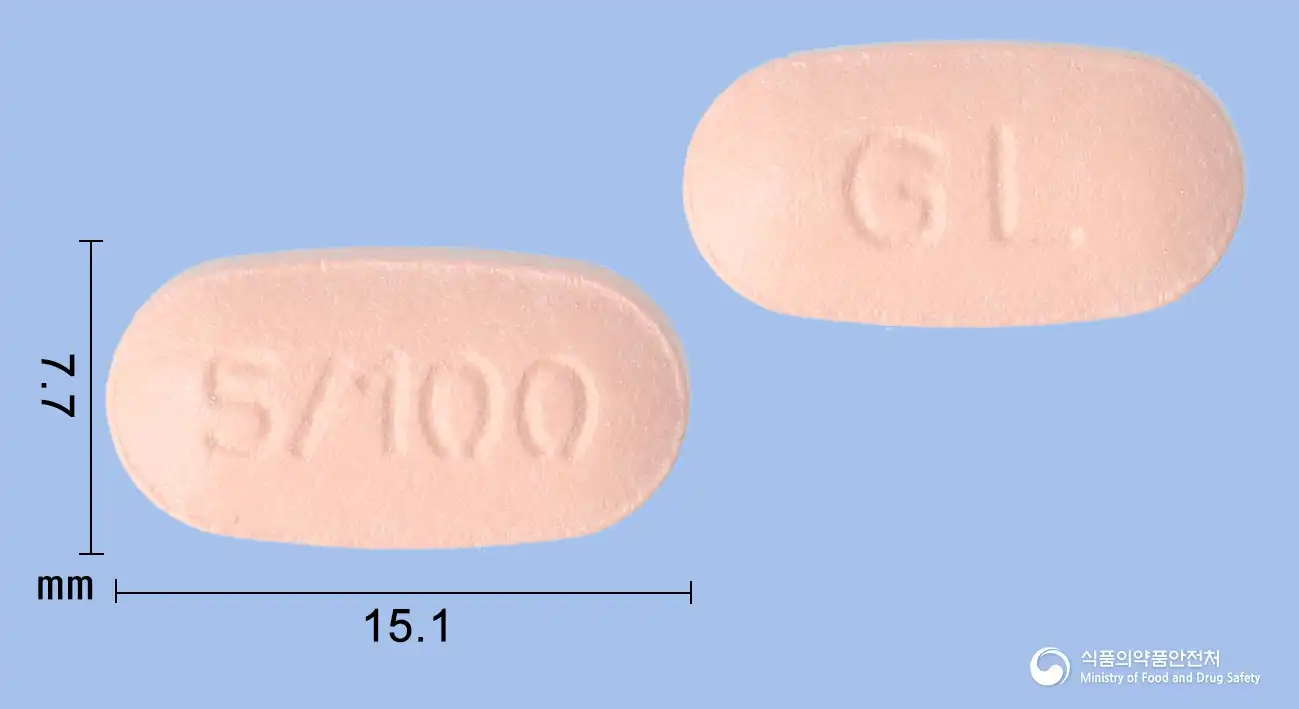 Combination
Amlodipine Besylate 6.944mg · Losartan Potassium 100mg
Tablet · Prescription medication · Combination
GL Pharma Co., Ltd.
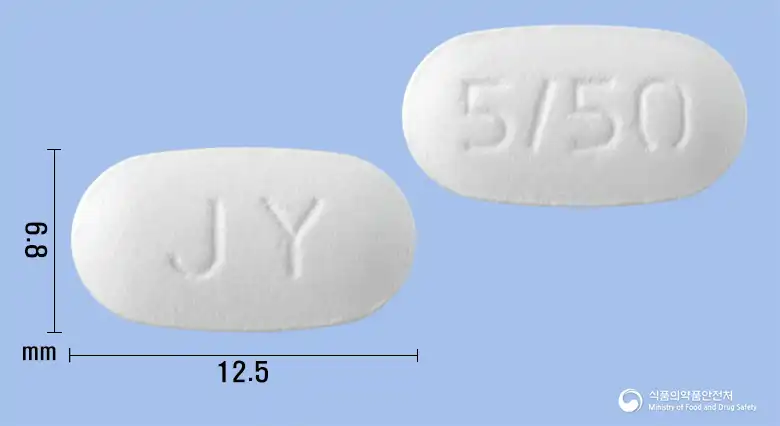 Combination
Amlodipine Besylate 6.944mg · Losartan Potassium 50mg
Tablet · Prescription medication · Combination
Jinyang Pharmaceutical Co., Ltd.
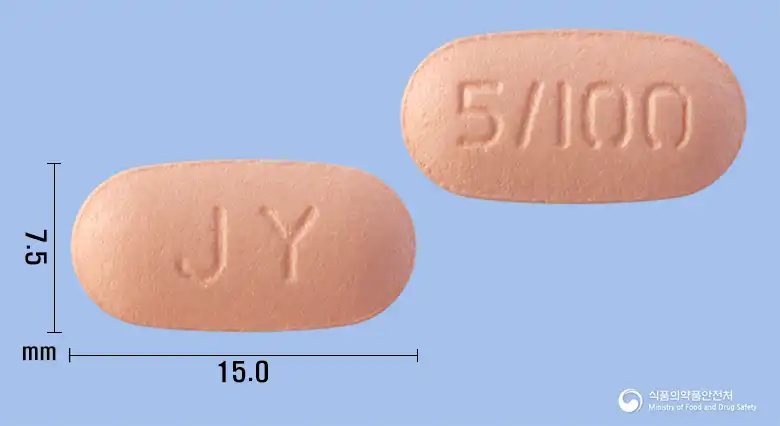 Combination
Amlodipine Besylate 6.944mg · Losartan Potassium 100mg
Tablet · Prescription medication · Combination
Jinyang Pharmaceutical Co., Ltd.
Even with the same ingredient, the dose and directions can differ by strength and dosage form. Talk to a doctor or pharmacist before switching from a medication you are already taking.
No questions yet.
For anything that needs medical judgment, consult a doctor or pharmacist.
This drug information is based on data provided by the Korea Ministry of Food and Drug Safety.
Consult a doctor or pharmacist for accurate dosage, administration, and usage instructions.