
 한국어
 English
 日本語
 中文(简体)
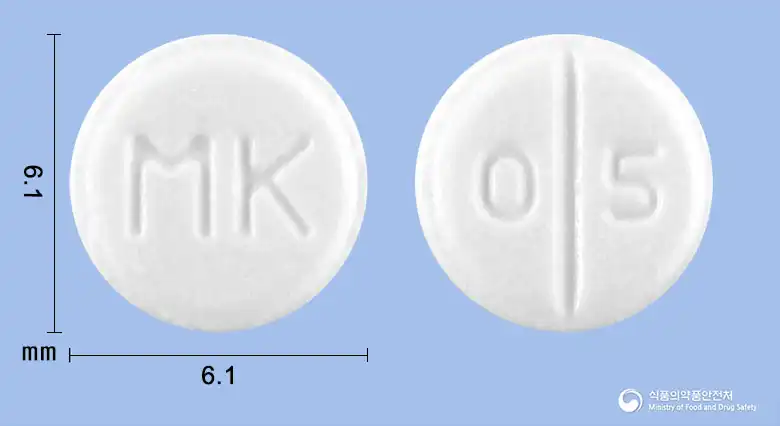 Viewing now
Rasagiline Tablet 0.5 mg (Rasagiline Mesylate)
Rasagiline Mesylate 0.78mg
Tablet · Prescription medication
Medica Korea Co., Ltd.
MFDS item code 202001914 · Approved 2020.03.19 · Insurance code 646004950
Treatment of idiopathic Parkinson's disease
This medication manages symptoms either alone or in combination with dopamine agonists for early idiopathic Parkinson's disease. Additionally, it is used as an adjunct therapy to levodopa for patients exhibiting motor fluctuations, aiding in the improvement of motor functions. This contributes to enhancing the daily living capabilities of Parkinson's disease patients.
This medicine is administered orally to adults once daily, as monotherapy or adjunctive therapy. 1) Monotherapy or adjunctive therapy to a dopamine agonist: Administer 1 mg orally once daily. 2) Adjunctive therapy to levodopa: The recommended initial dose for patients taking levodopa is 0.5 mg once daily. If well tolerated but the clinical response is insufficient, the dose may be increased to 1 mg once daily. This medicine may be taken with or without food.
This drug should not be administered to certain patients. For example, it should not be used in patients with allergies to any of its ingredients, those currently taking or who have recently discontinued other MAO inhibitors, and those taking pethidine, tramadol, or dextromethorphan. Additionally, it should not be administered in patients with moderate to severe liver dysfunction. Various adverse reactions may occur while taking this medication. Commonly reported side effects include headache, dizziness, nausea, insomnia, myalgia, arthralgia, rash, and orthostatic hypotension, while more severe cases may present serious renal issues or psychiatric symptoms. Caution should be exercised particularly in Parkinson's disease patients, as hallucinations, confusion, and movement disorders may emerge. This drug may impact blood pressure, and excessive consumption of foods high in tyramine poses a risk for rapid blood pressure increases. This medication has a high potential for interaction with other drugs; thus, it should especially not be taken in conjunction with other MAO inhibitors, antidepressants, sympathomimetics, pethidine, tramadol, or dextromethorphan. Additionally, caution is warranted as it can raise blood levels when combined with medications that inhibit the CYP1A2 enzyme. During pregnancy or lactation, the use of this medication requires caution and consultation with a professional since it may affect breastfeeding. The safety of this drug in pediatric patients under 18 years old has not been established; therefore, its use is not recommended. This drug may affect driving skills or machinery operation, so if drowsiness or sudden sleep occurs while taking it, these activities should be avoided. Serious side effects may occur in case of overdose, thus adherence to the prescribed dosage is essential, and immediate medical attention should be sought in case of overdose. Finally, this medication should be stored out of reach of children, maintained at a temperature between 1 and 25 degrees Celsius, and transferring into other containers should be avoided.
Not everyone experiences these, and they can vary from person to person.
This medication should be stored in a sealed container to avoid exposure to air and moisture, and it is safest to keep it at room temperature between 1 and 25 degrees Celsius. Therefore, to maintain the drug's efficacy, it is crucial to avoid direct sunlight and high temperatures while storing it appropriately.
Flat round tablets with edges that are white or nearly white
30 tablets per bottle
Even with the same ingredient, strength, dosage form and how it is taken can differ.
Viewing nowRasagiline Mesylate 0.78mg
Tablet · Prescription medication
Medica Korea Co., Ltd.
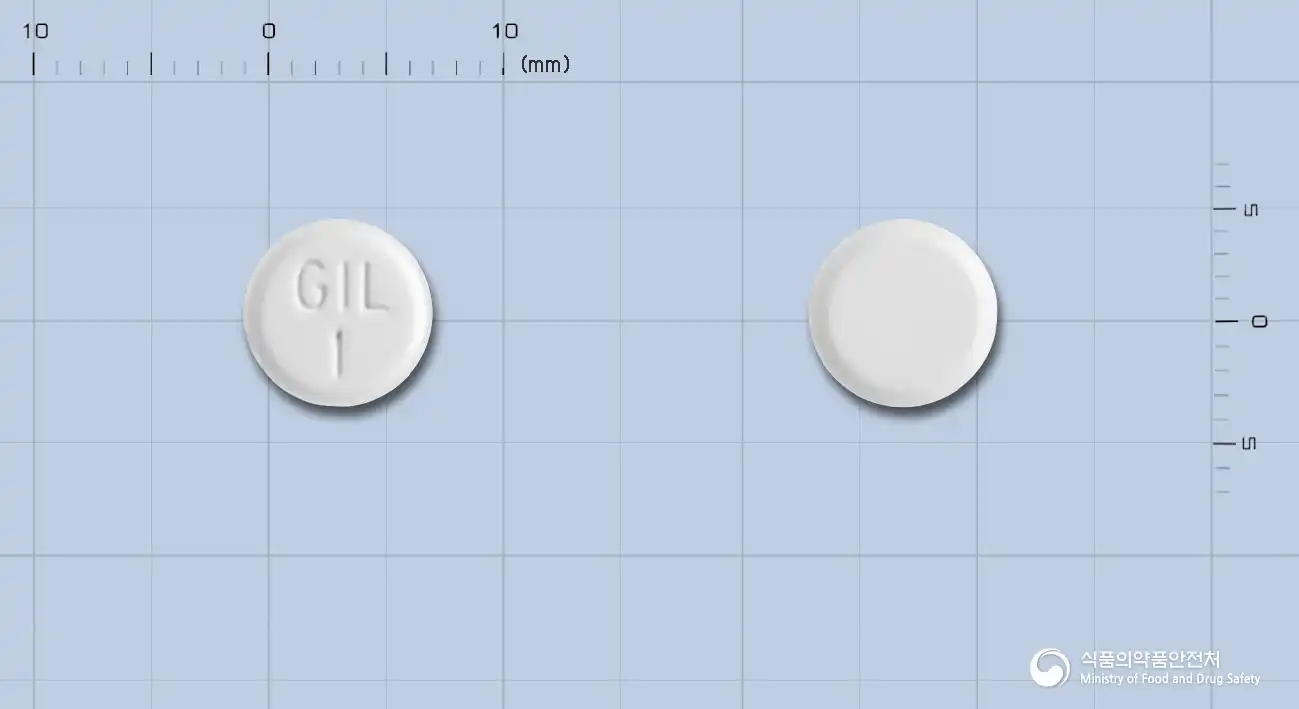
Rasagiline Mesylate 1.56mg
Tablet · Prescription medication
Hana Lundbeck Co., Ltd.
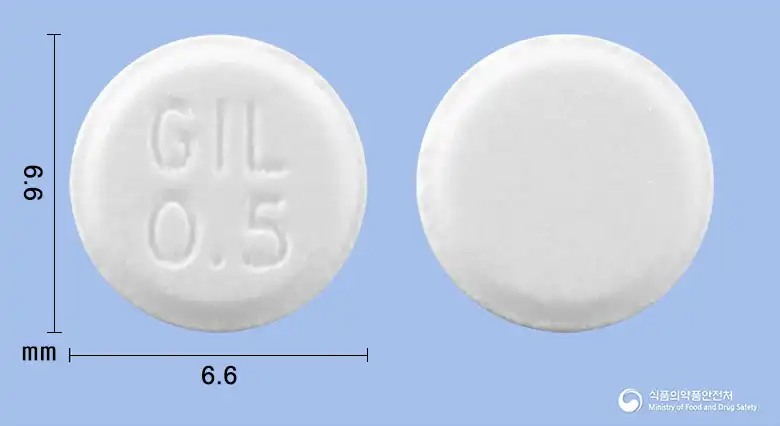
Rasagiline Mesylate 0.78mg
Tablet · Prescription medication
Korea Lundbeck Co., Ltd.
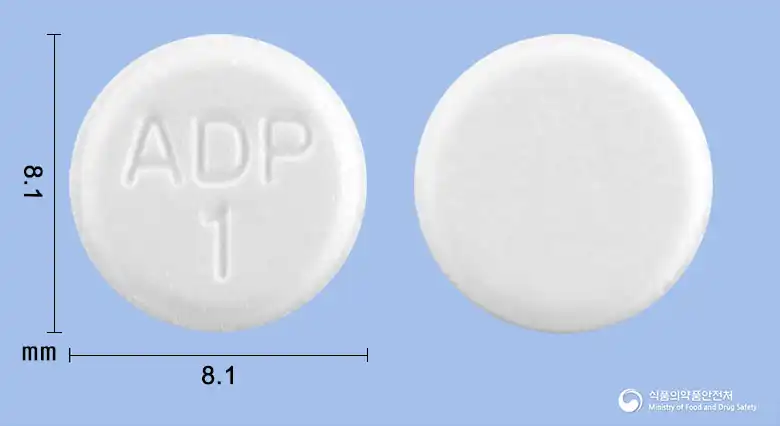
Rasagiline Mesylate 1.56mg
Tablet · Prescription medication
Jongkundang Co., Ltd.
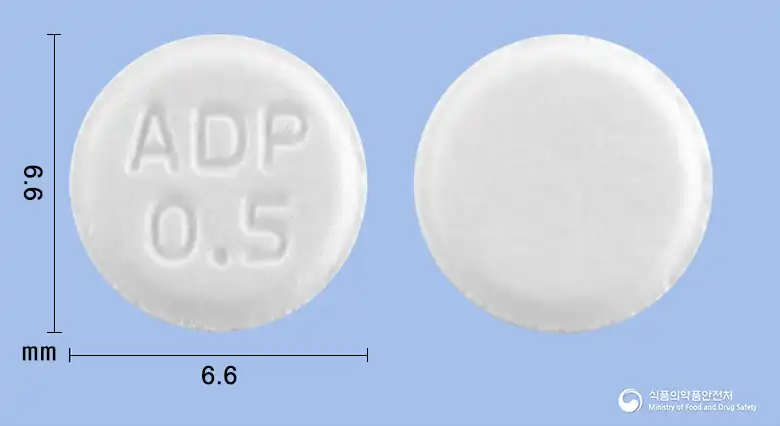
Rasagiline Mesylate 0.78mg
Tablet · Prescription medication
Jongkundang Co., Ltd.
Rasagiline Mesylate 1.56mg
Tablet · Prescription medication
Korea Pharma Co., Ltd.
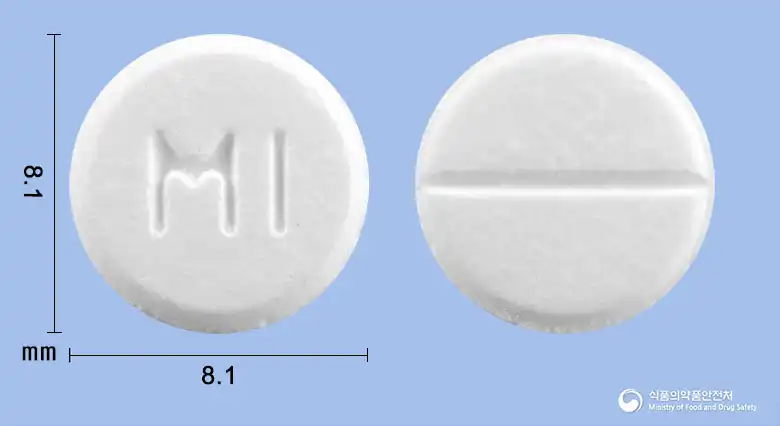
Rasagiline Mesylate 1.56mg
Tablet · Prescription medication
Myungin Pharmaceutical Co., Ltd.
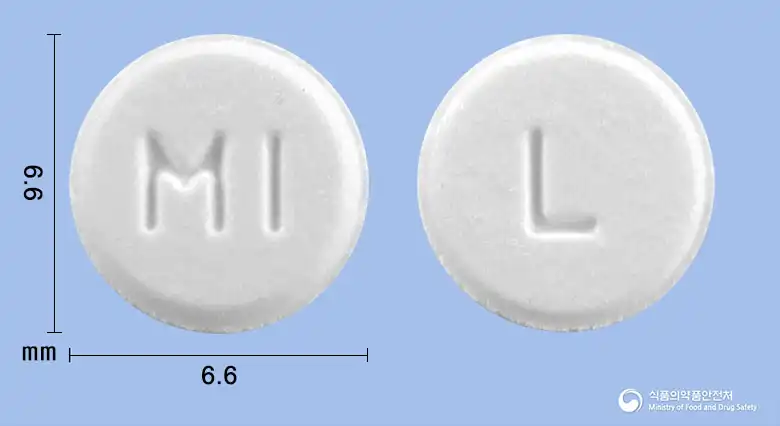
Rasagiline Mesylate 0.78mg
Tablet · Prescription medication
Myungin Pharmaceutical Co., Ltd.
Even with the same ingredient, the dose and directions can differ by strength and dosage form. Talk to a doctor or pharmacist before switching from a medication you are already taking.
No questions yet.
For anything that needs medical judgment, consult a doctor or pharmacist.
This drug information is based on data provided by the Korea Ministry of Food and Drug Safety.
Consult a doctor or pharmacist for accurate dosage, administration, and usage instructions.