
 한국어
 English
 日本語
 中文(简体)
 Viewing now
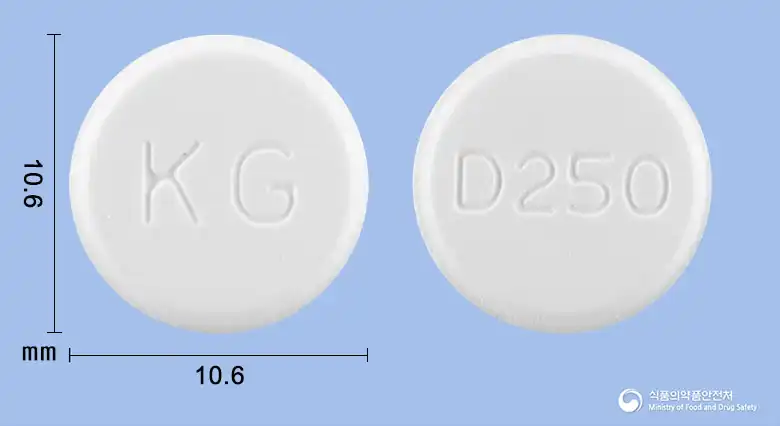
Dobes Tablet (Dobesilic Acid Calcium Hydrate)
Dobesilate Calcium Hydrate 250mg
Tablet · Prescription medication
Kips Bio Pharma Co., Ltd.
MFDS item code 202001903 · Approved 2020.03.18 · Insurance code 693202230
Treatment of venous disorders (e.g., edema), capillary disorders (e.g., diabetic retinopathy), and hemorrhoids
This medication helps in cases where blood vessels are damaged and the vessel walls are weakened, particularly in microvascular damage and retinopathy caused by diabetes. It also improves venous dysfunction in the legs and post-thrombotic syndrome, and is used to relieve peripheral edema. It is effective for the treatment of hemorrhoids. It is used for major vascular-related diseases and symptoms.
Adults: Administer the following doses of calcium dobesilate hydrate orally. 1. Vascular disorders and retinopathy: 500~1000mg daily 2. Venous disease: Administer 750mg daily for 1~3 weeks, followed by 500mg daily. Take after meals with plenty of fluids. Adjust the dose as appropriate according to age and symptoms.
This medication should not be used by patients who are allergic to this medication or any of its ingredients. This medication contains lactose and should not be administered to patients with a genetic condition that prevents lactose digestion. Caution is advised for patients with poor kidney function, and particularly in severe kidney impairment requiring dialysis, the dosage may need to be reduced. Patients with liver dysfunction also require caution, and if liver enzyme levels increase, the therapeutic benefits and risks must be reassessed. This medication contains sulfites, which may cause allergic reactions or asthma attacks in sensitive patients, particularly those with asthma. While taking this medication, if symptoms of infection such as high fever, mouth inflammation, or sore throat appear, the doctor must be informed immediately, and the medication may need to be stopped after verification through blood tests. If a severe allergic reaction occurs, discontinue use immediately and inform healthcare professionals. Common symptoms during treatment may include headache, abdominal pain, nausea, diarrhea, vomiting, joint pain, and muscle pain; however, most recover after discontinuation of the medication. If skin rashes, itching, or facial swelling occur, treatment must be discontinued. Due to limited experience with this medication during pregnancy, it is recommended to avoid its use, and it should be avoided during breastfeeding as well since it is minimally secreted into breast milk. Safety in pediatric populations has not been sufficiently studied, thus caution is advised for use in children. For elderly individuals aged 65 and above, there are no special precautions, but the general health condition should be considered when using the medication. Since this medication may affect blood test results, it is advisable to collect test samples before treatment. No specific symptoms have been reported in cases of overdose; however, if an overdose is suspected, emergency medical care should be sought immediately.
Not everyone experiences these, and they can vary from person to person.
This medication must be stored in a tightly sealed container to protect it from air and moisture. Additionally, it is recommended to store the medication at room temperature between 1 and 30 degrees Celsius.
White round tablet
30 tablets/bottle, 90 tablets/bottle
Even with the same ingredient, strength, dosage form and how it is taken can differ.
Viewing nowDobesilate Calcium Hydrate 250mg
Tablet · Prescription medication
Kips Bio Pharma Co., Ltd.
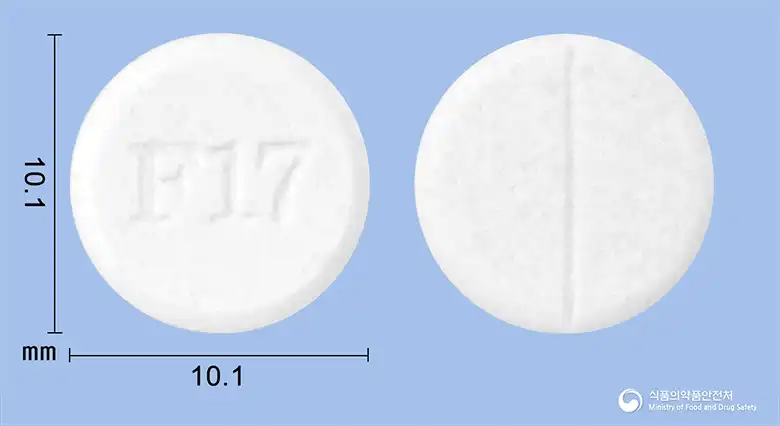
Dobesilate Calcium Hydrate 250mg
Tablet · Prescription medication
Ilseong IS Co., Ltd.
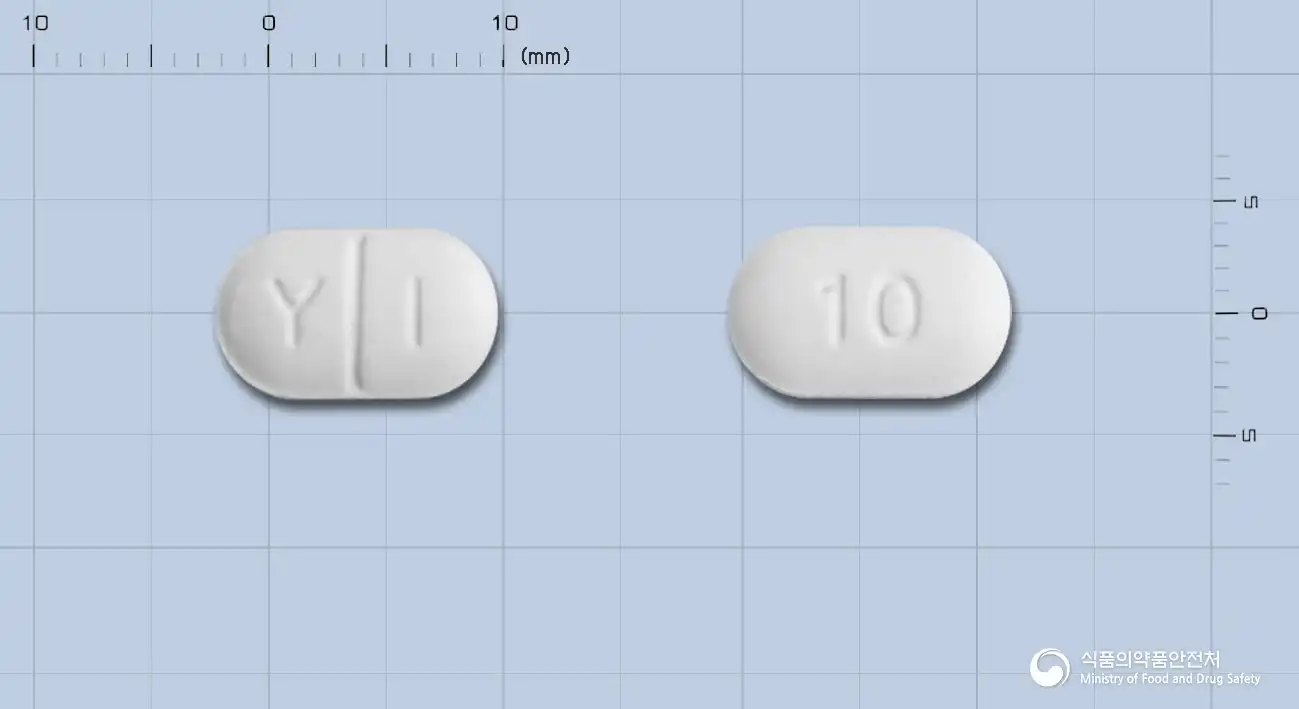
Dobesilate Calcium Hydrate 250mg
Tablet · Prescription medication
Youngil Pharmaceutical Co., Ltd.
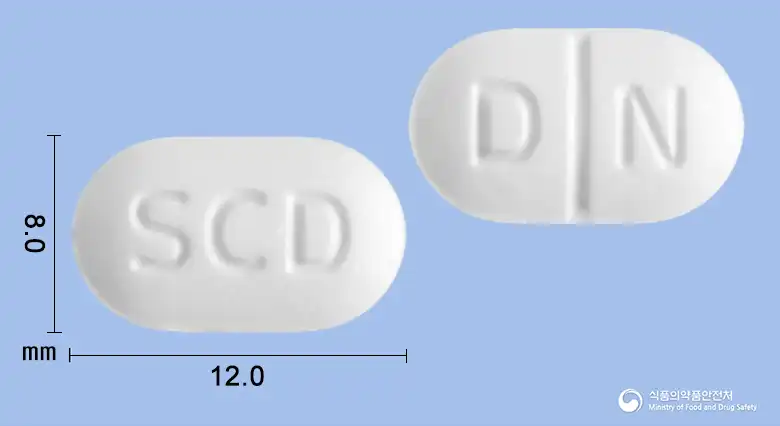
Dobesilate Calcium Hydrate 250mg
Tablet · Prescription medication
Samchundang Pharmaceutical Co., Ltd.
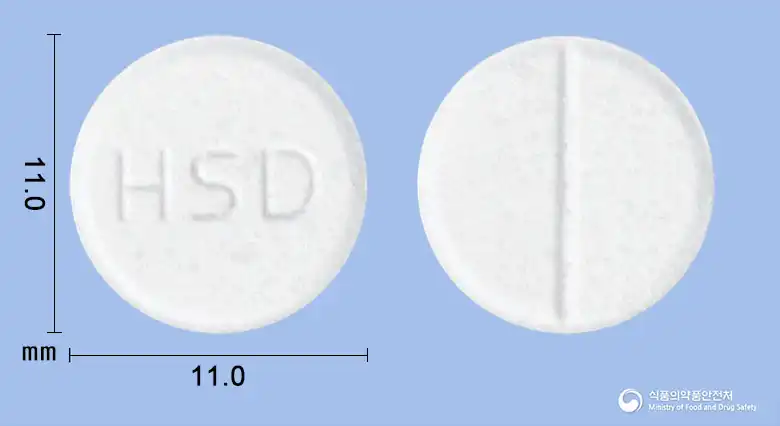
Dobesilate Calcium Hydrate 250mg
Tablet · Prescription medication
JW Pharmaceutical Co., Ltd.
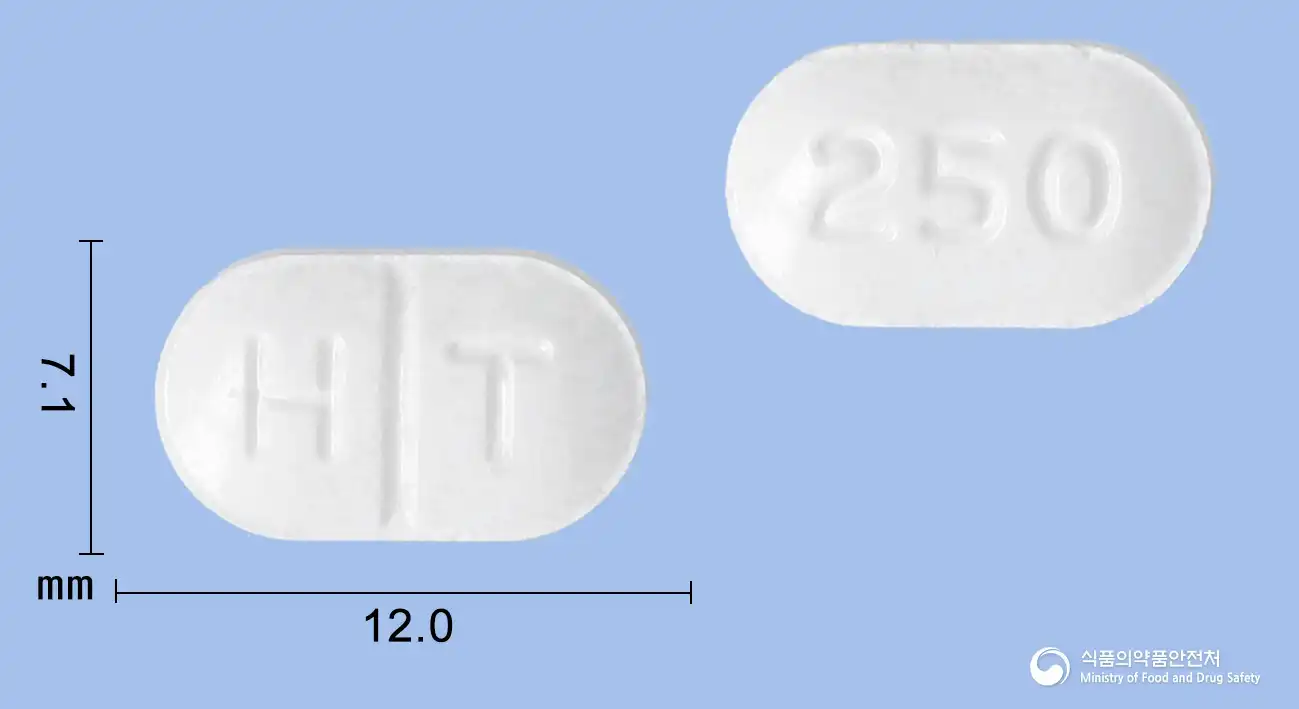
Dobesilate Calcium Hydrate 250mg
Tablet · Prescription medication
Korea Hutex Pharmaceutical Co., Ltd.
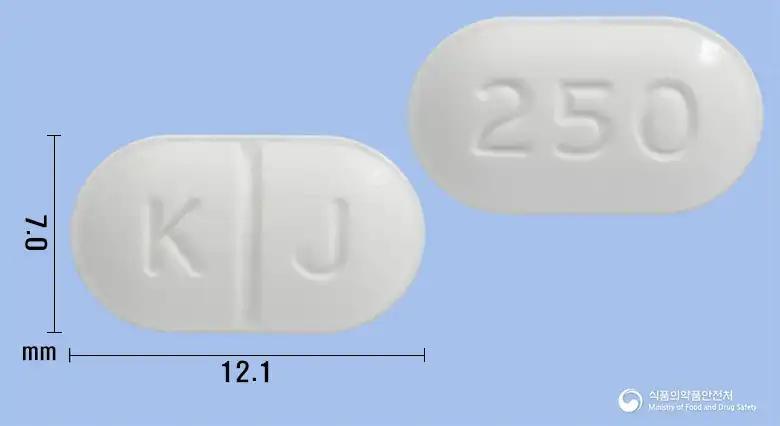
Dobesilate Calcium Hydrate 250mg
Tablet · Prescription medication
International Pharmaceutical Co., Ltd.
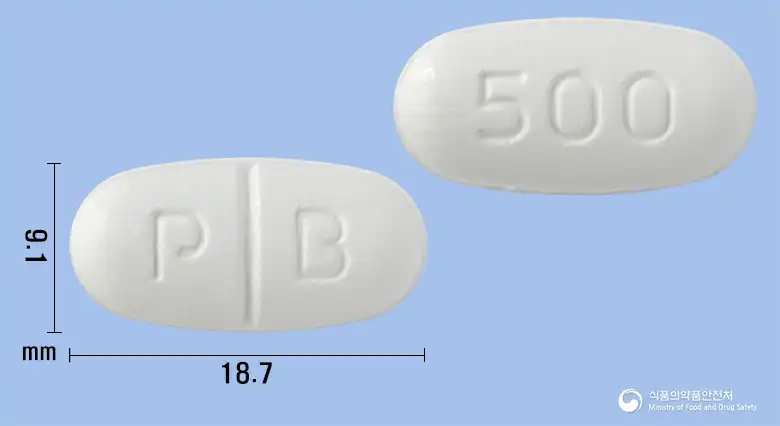
Dobesilate Calcium Hydrate 500mg
Tablet · Prescription medication
Korea Pharma Bio Co., Ltd.
Even with the same ingredient, the dose and directions can differ by strength and dosage form. Talk to a doctor or pharmacist before switching from a medication you are already taking.
No questions yet.
For anything that needs medical judgment, consult a doctor or pharmacist.
This drug information is based on data provided by the Korea Ministry of Food and Drug Safety.
Consult a doctor or pharmacist for accurate dosage, administration, and usage instructions.