
 한국어
 English
 日本語
 中文(简体)
 Viewing now
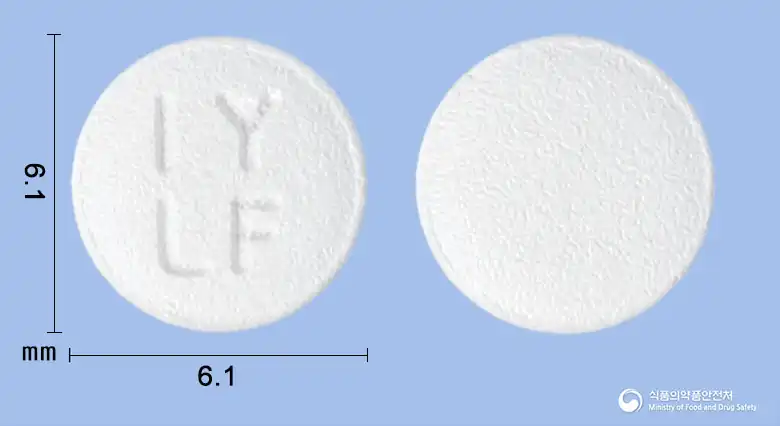
Stroactin 10mg (Lafutidine)
Lafutidine 10mg
Tablet · Prescription medication
Il Yang Pharmaceutical Co., Ltd.
MFDS item code 202001816 · Approved 2020.03.16 · Insurance code 641706060
Treatment of gastrointestinal disorders (ulcers, gastritis, and gastroesophageal reflux disease); pre-anesthetic medication; combination therapy for eradication
This medication is effective for the treatment of gastric ulcers and duodenal ulcers, improving gastric mucosal damage caused by acute and chronic gastritis. It is also used in combination with antibiotics to assist treatment in patients with peptic ulcers caused by Helicobacter pylori infection. It can be utilized as a pre-anesthetic medication and is used for the treatment of gastroesophageal reflux disease. This medication is widely used for the improvement and treatment of various gastrointestinal diseases.
1. Short-term treatment of gastric ulcer The usual dose of lafutidine is 10mg orally twice daily, in the morning and at bedtime. In clinical trials with treatment for up to 8 weeks, most ulcers healed within 8 weeks, although healing time may occasionally vary among patients. 2. Short-term treatment of duodenal ulcer The usual dose of lafutidine is 10mg orally twice daily, in the morning and at bedtime. In clinical trials with treatment for up to 6 weeks, most ulcers healed within 6 weeks, although healing time may occasionally vary among patients. 3. Improvement of gastric mucosal lesions in acute gastritis and chronic gastritis The usual dose of lafutidine is 10mg orally once daily at bedtime. In clinical trials with treatment for up to 2 weeks, most lesions healed within 2 weeks, although healing time may occasionally vary among patients. 4. Antibiotic combination therapy for patients with peptic ulcer infected with Helicobacter pylori Administer lafutidine 20mg, clarithromycin 500mg, and amoxicillin 1000mg twice daily for 7 or 14 days. 5. Preanesthetic medication The usual dose is 10mg of lafutidine per administration, given orally twice (at bedtime on the day before surgery and 2 hours before anesthesia on the day of surgery). 6. Treatment of reflux esophagitis Administer lafutidine 10mg orally twice daily.
This medication should not be used in patients with known allergy to any component of this medication. Additionally, as it contains lactose, patients with lactose intolerance or certain genetic disorders should not take it. Patients with a history of hypersensitivity to the drug, impaired liver or kidney function, those undergoing dialysis, and elderly patients should use it with caution. During the use of this medication, allergic reactions or anaphylaxis may occur, and if symptoms such as facial pallor, low blood pressure, and difficulty in breathing appear, use should be discontinued immediately and medical help sought. Regular liver function tests should be conducted as liver function abnormalities or jaundice may occur, and if any signs appear, usage should be halted. Symptoms related to decreased blood cell counts may arise; hence, if symptoms such as sore throat, general fatigue, or fever appear, it is essential to consult a doctor immediately. Serious side effects such as cardiac issues, skin rashes, and seizures have been reported infrequently; therefore, any unusual symptoms should be reported to medical personnel without delay. Gastrointestinal symptoms may include constipation, diarrhea, vomiting, abdominal bloating, and loss of appetite. Neurological symptoms such as headaches, insomnia, drowsiness, hallucinations, altered consciousness, dizziness, chills, heat sensation, flushing, increased white blood cell count, eosinophilia, decreased white blood cell count, decreased red blood cell count, reduced hematocrit, elevated LDH, elevated TTT, abnormal urinary protein, increased BUN, elevated serum uric acid, increased Cl, delayed menstruation, elevated Na, decreased K, gynecomastia, swelling, fatigue, abdominal pain, and dyspepsia have also been reported. Especially in cases where gastric ulcers or malignant tumors are suspected, thorough examination should be conducted before administration of this medication and if malignancy is confirmed, use should be discontinued. Elderly patients may have diminished bodily function, so dose and interval adjustments should be made with caution. Patients undergoing dialysis should start at a low dose due to potential increases in drug concentration in the blood. Pregnant women or those who may become pregnant should use this medication under medical advice, and breastfeeding women are advised against using this medication. Safety in pediatric patients has not been established; therefore, it is preferable not to use it in children. This medication should be stored out of the reach of children and kept in its original container to prevent misuse and deterioration of quality. Although carcinogenicity has not been observed in animal studies, some increase in cell proliferation was noticed at very high doses. Additionally, toxicology tests for reproductive development showed some side effects at high doses, but teratogenic effects were not confirmed.
Not everyone experiences these, and they can vary from person to person.
This medication should be stored in a tightly closed container to protect it from exposure to air and moisture. Keeping the storage temperature between 1 degree and 30 degrees Celsius is recommended to safely maintain the medication's efficacy.
White round film-coated tablet
30 tablets/bottle, 300 tablets/bottle
Even with the same ingredient, strength, dosage form and how it is taken can differ.
Viewing nowLafutidine 10mg
Tablet · Prescription medication
Il Yang Pharmaceutical Co., Ltd.
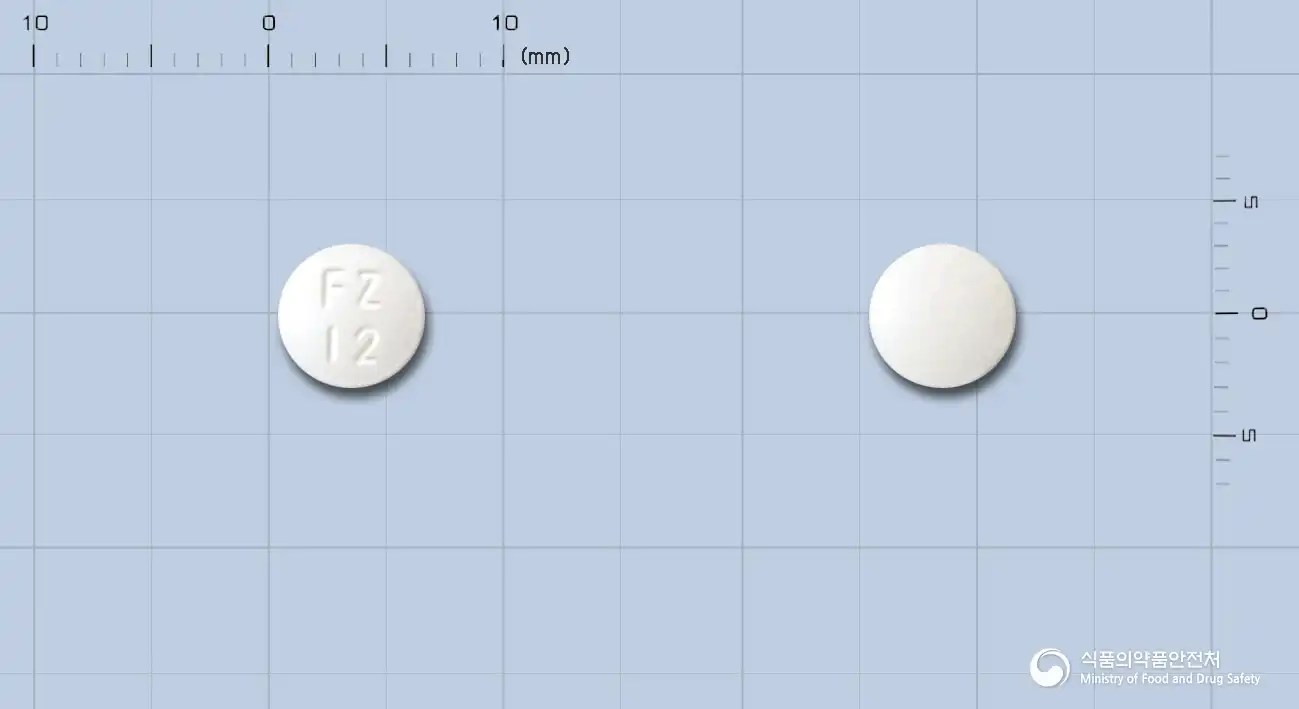
Lafutidine 10mg
Tablet · Prescription medication
Boryung Pharmaceutical Co., Ltd.
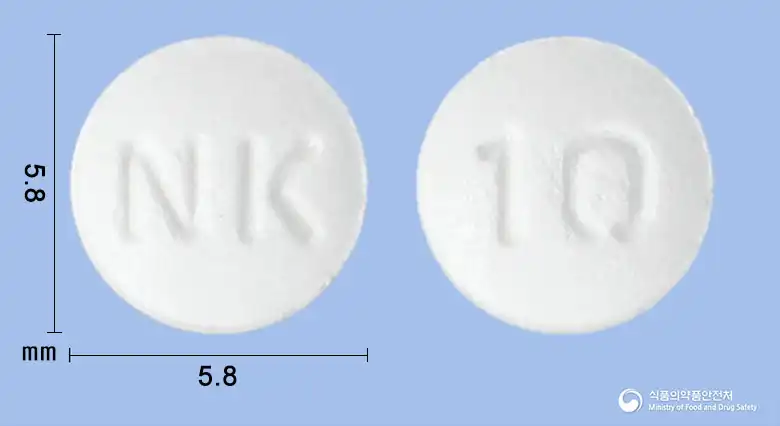
Lafutidine 10mg
Tablet · Prescription medication
Nexpam Korea Co., Ltd.
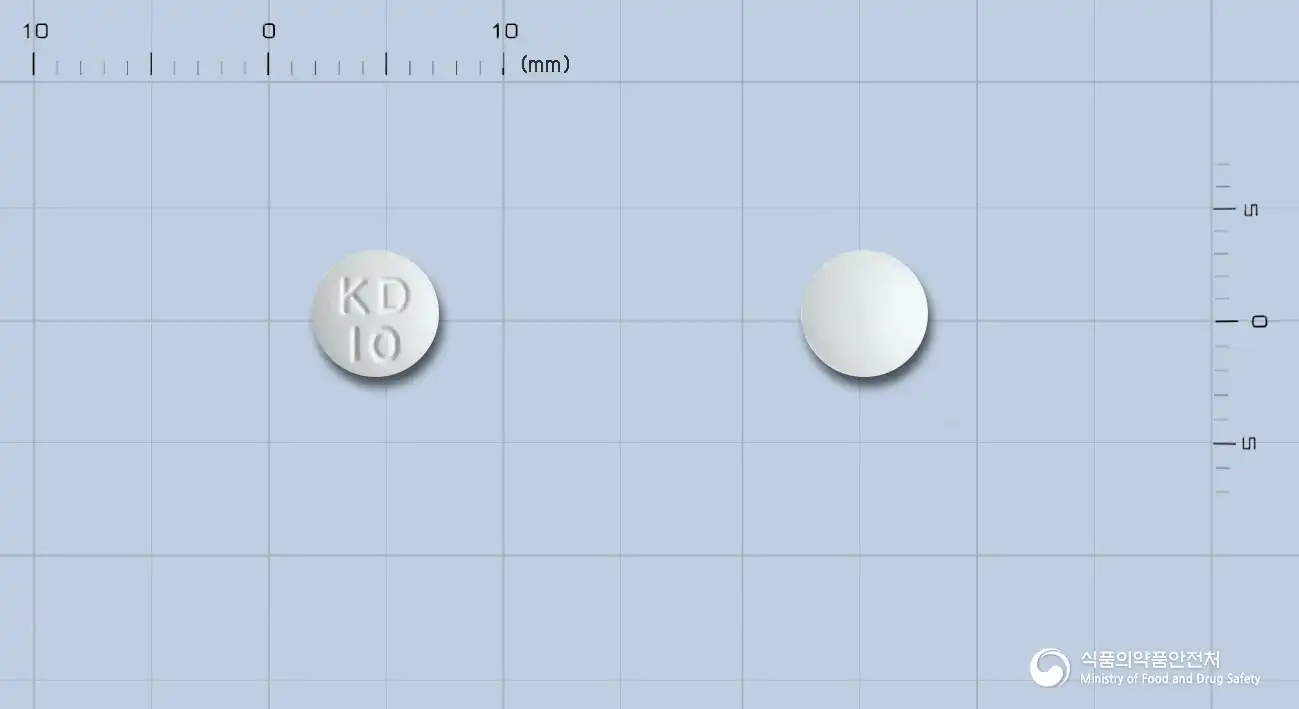
Lafutidine 10mg
Tablet · Prescription medication
Kwang Dong Pharmaceutical Co., Ltd.

Lafutidine 10mg
Tablet · Prescription medication
Ha Won Pharmaceutical Co., Ltd.
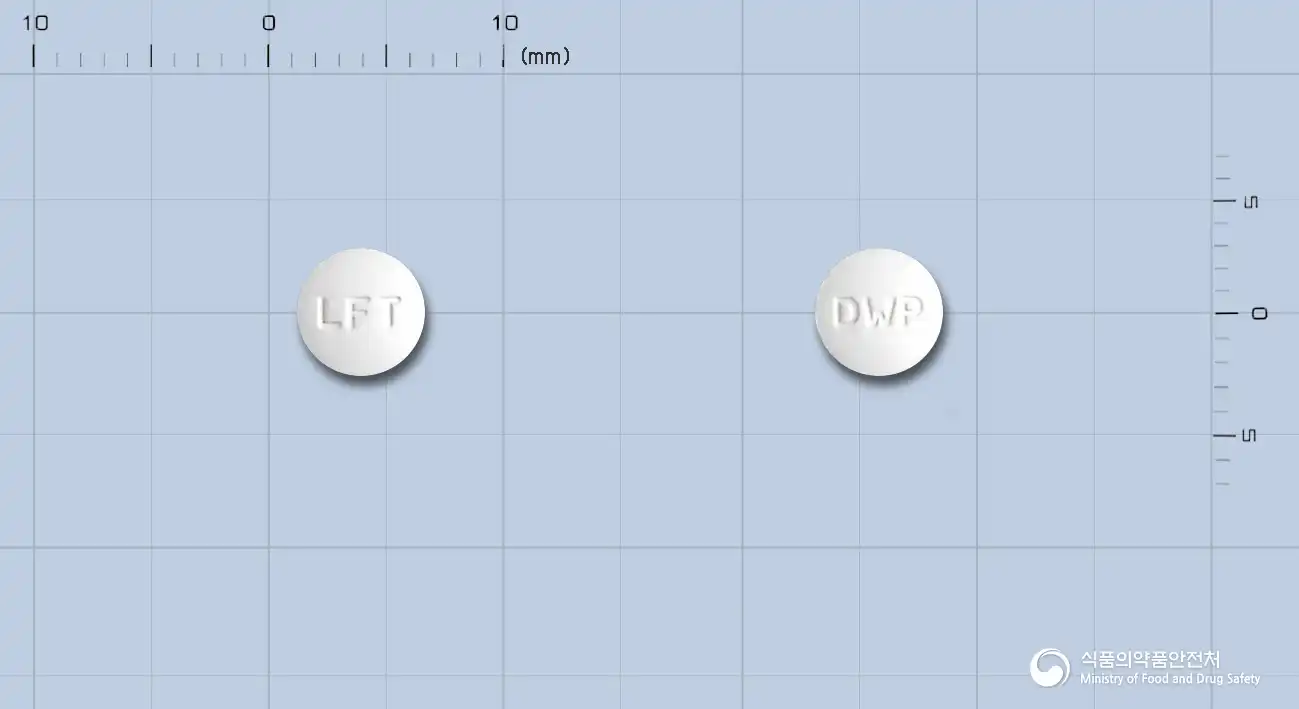
Lafutidine 10mg
Tablet · Prescription medication
Daewon Pharmaceutical Co., Ltd.
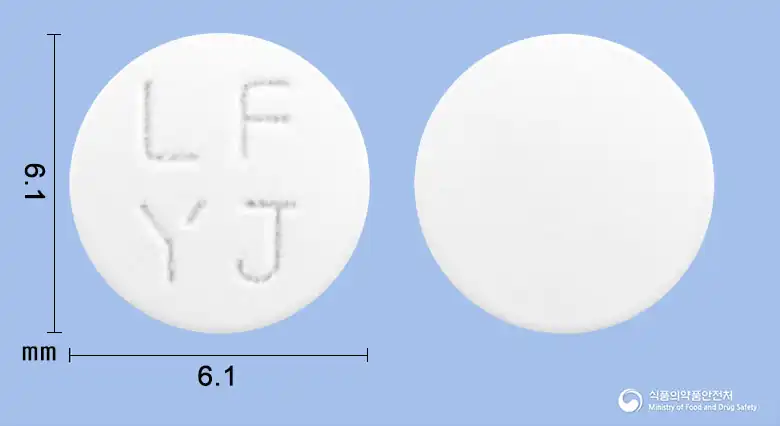
Lafutidine 10mg
Tablet · Prescription medication
Youngjin Pharmaceutical Co., Ltd.
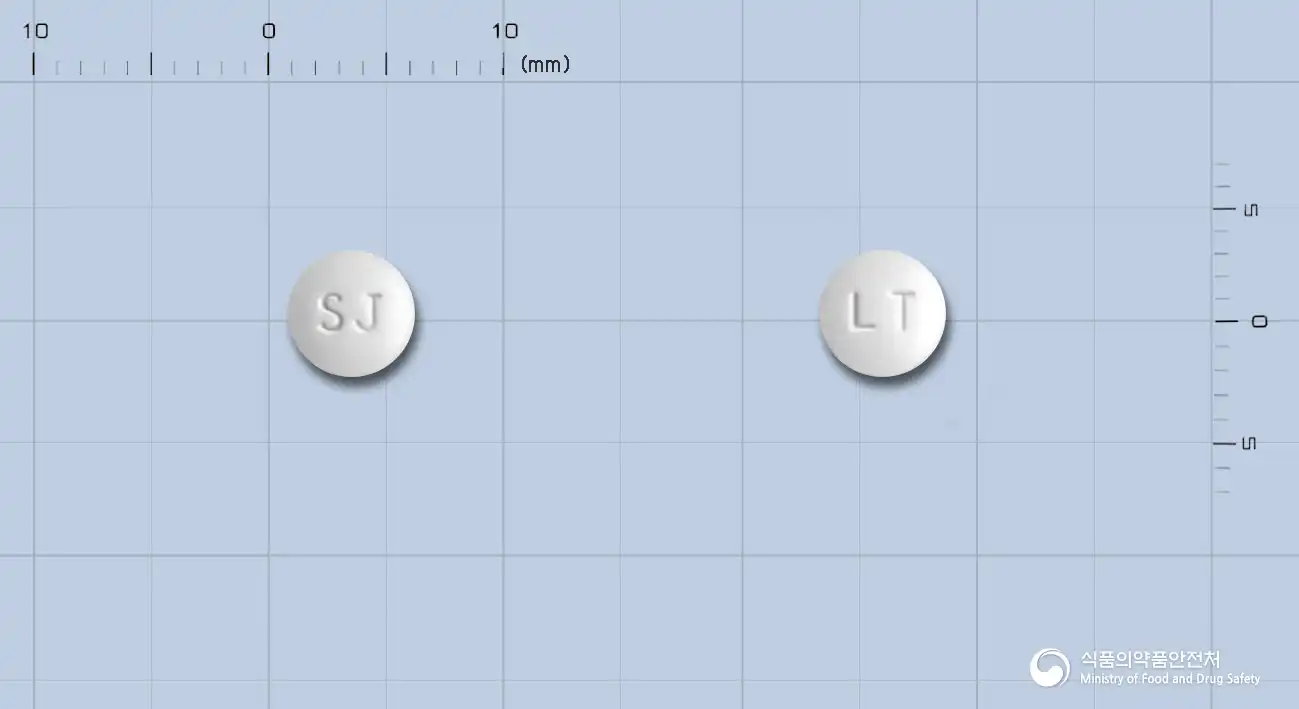
Lafutidine 10mg
Tablet · Prescription medication
Samjin Pharmaceutical Co., Ltd.
Even with the same ingredient, the dose and directions can differ by strength and dosage form. Talk to a doctor or pharmacist before switching from a medication you are already taking.
No questions yet.
For anything that needs medical judgment, consult a doctor or pharmacist.
This drug information is based on data provided by the Korea Ministry of Food and Drug Safety.
Consult a doctor or pharmacist for accurate dosage, administration, and usage instructions.