
 한국어
 English
 日本語
 中文(简体)
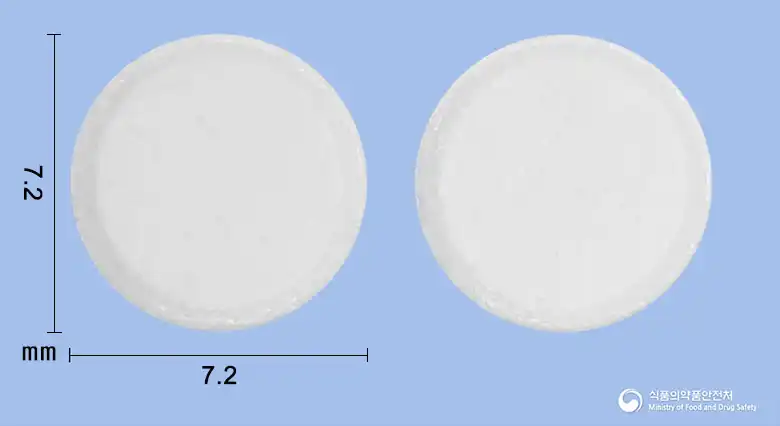 Viewing now
Loraen Tablets (Dienogest (Unmodified))
Dienogest Micronized 2mg
Tablet · Prescription medication
Pharmist Co., Ltd.
MFDS item code 202001712 · Approved 2020.03.12 · Insurance code 653404500
Treatment of endometriosis
Endometriosis is a condition that can cause symptoms such as menstrual pain and infertility. This medication is used to relieve pain and inflammation caused by endometriosis and to inhibit the progression of symptoms.
Take 1 tablet daily without a break in treatment. If possible, take it at the same time each day with a small amount of water; it may be taken with or without food. Continue taking the tablets without interruption, regardless of vaginal bleeding. After finishing the current pack, start the next pack without a break. There is no experience with treatment of endometriosis for longer than 15 months. Treatment may be started on any day of the menstrual cycle. If you forget to take a dose or experience vomiting or diarrhea within 3-4 hours after taking this medicine, its effectiveness may be reduced. If you have missed 1 or more tablets, take 1 tablet as soon as you remember, and continue taking the tablets at the usual time the next day. If a tablet was not absorbed because of vomiting or diarrhea, take 1 additional tablet in the same way. Patients with renal impairment: No dose adjustment is needed in patients with renal impairment.
This medication should not be used if you are pregnant or suspect that you may be pregnant. It should not be administered to patients with thrombosis or cardiovascular diseases, or a history of such diseases. Patients with severely impaired liver function or liver tumors should also refrain from taking this medication. It is not to be used in patients with or suspected of having hormone-sensitive malignant tumors, as well as in patients with unexplained vaginal bleeding. Patients allergic to lactose or those with lactose intolerance should avoid taking this medication. Patients experiencing severe uterine bleeding should exercise caution as bleeding may worsen with this medication. Patients with circulatory disorders, hypertension, smoking, etc. may have an increased risk of thrombosis and should use with caution. Patients with a history of breast cancer or at risk of it should be adequately counseled before taking this medication. Patients at risk of osteoporosis should be cautious as this medication may decrease bone density. Patients with a history of depression should be closely monitored as symptoms may worsen. Diabetic patients will need regular checks as blood sugar control may be affected. Women with a history of ectopic pregnancy or tubal dysfunction should carefully evaluate risks and benefits before taking this medication. This medication is metabolized by the CYP3A4 enzyme, which may interact with other medications and could reduce efficacy or increase side effects when used with certain drugs. It is not to be used during pregnancy and is also not recommended during breastfeeding. If contraception is needed, it is advisable to use non-hormonal contraceptive methods while taking this medication. Generally, it is not administered to children and the elderly. While using this medication, changes in menstrual pattern may occur frequently, and side effects such as headache, breast discomfort, depression, and acne have been reported. There is no specific antidote for overdose, but serious toxic reactions are rare. This medication is sensitive to light; therefore, it should be stored in its original packaging and kept out of reach of children.
Not everyone experiences these, and they can vary from person to person.
This medication may be sensitive to air or moisture, so it should be stored in a tightly sealed container. It is recommended to maintain a storage temperature between 1 to 30 degrees Celsius at room temperature. This helps maintain the medication's efficacy and prevents degradation.
White to pale yellow round tablets
28 tablets/PTP
Even with the same ingredient, strength, dosage form and how it is taken can differ.
Viewing nowDienogest Micronized 2mg
Tablet · Prescription medication
Pharmist Co., Ltd.
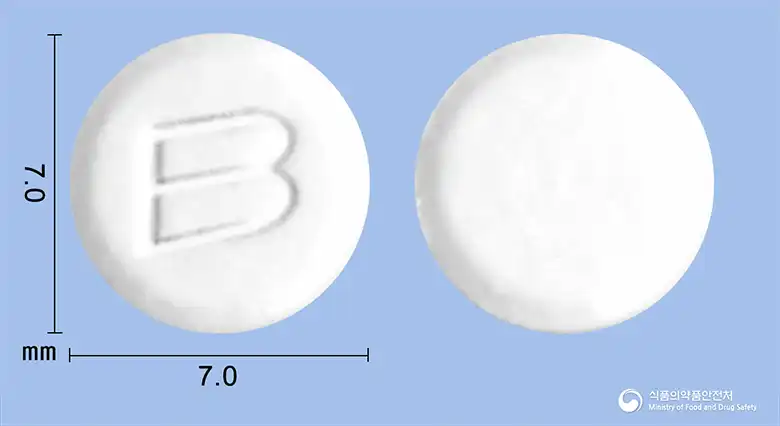
Dienogest Micronized 2mg
Tablet · Prescription medication
Bayer Korea Co., Ltd.
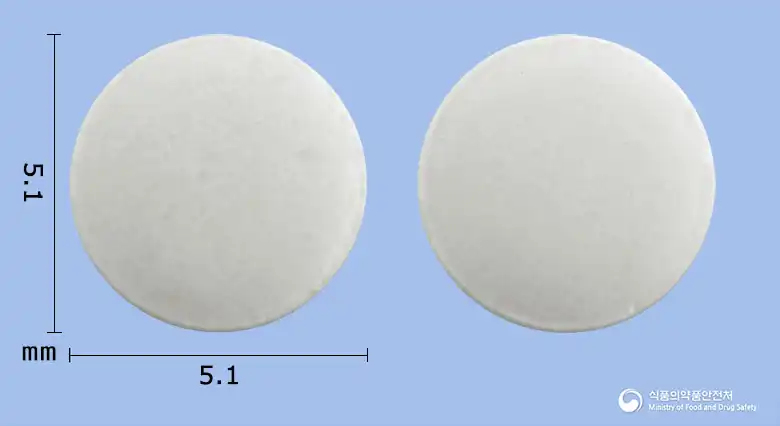
Dienogest Micronized 2mg
Tablet · Prescription medication
Korea Pharma Bio Co., Ltd.
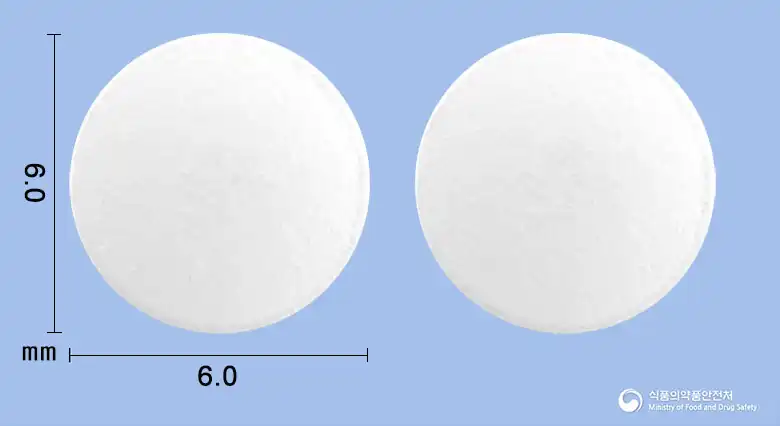
Dienogest Micronized 2mg
Tablet · Prescription medication
Shinpoong Pharmaceutical Co., Ltd.
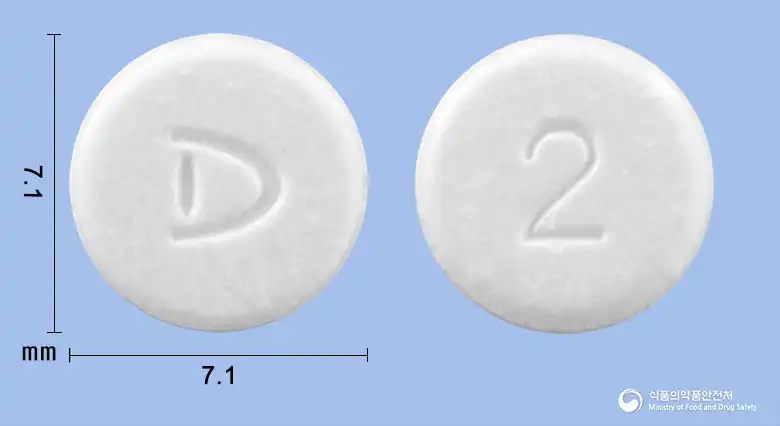
Dienogest Micronized 2mg
Tablet · Prescription medication
Darim Biotech Co., Ltd.
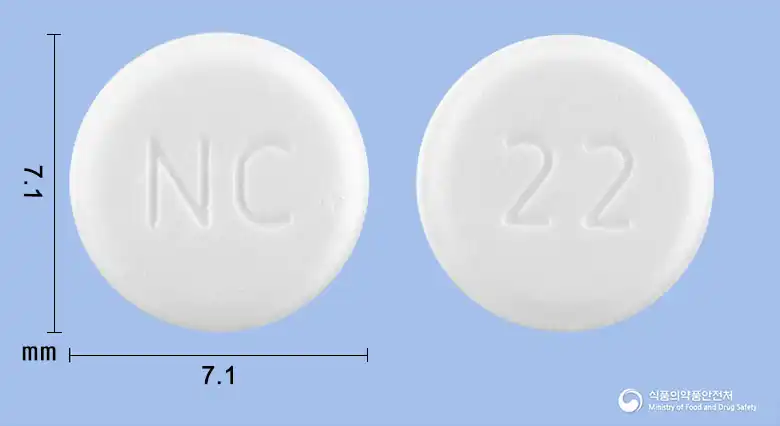
Dienogest Micronized 2mg
Tablet · Prescription medication
Hanwha Pharmaceuticals Co., Ltd.
Even with the same ingredient, the dose and directions can differ by strength and dosage form. Talk to a doctor or pharmacist before switching from a medication you are already taking.
No questions yet.
For anything that needs medical judgment, consult a doctor or pharmacist.
This drug information is based on data provided by the Korea Ministry of Food and Drug Safety.
Consult a doctor or pharmacist for accurate dosage, administration, and usage instructions.