
 한국어
한국어 English
 日本語
日本語 中文(简体)
 Viewing now
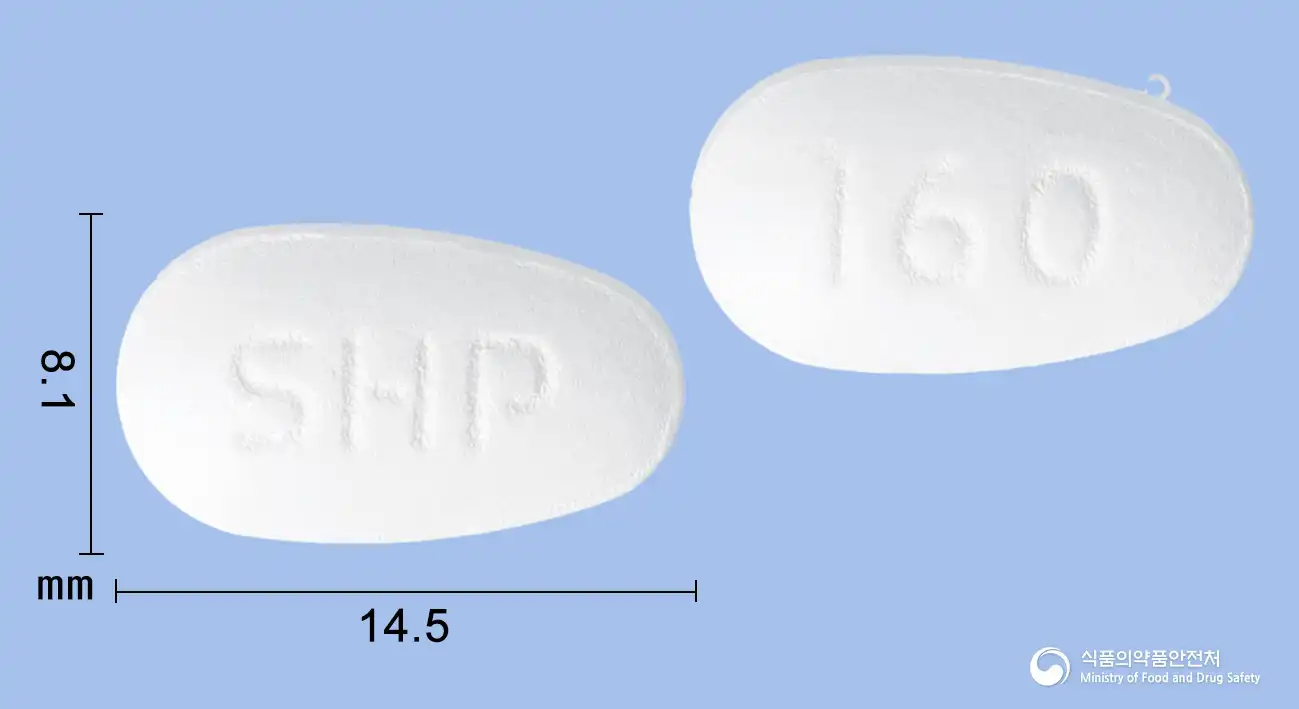
Fenofibrate Tablets 160 mg
Fenofibrate 160mg
Tablet · Prescription medication
SaeHan Pharmaceutical Co., Ltd.
MFDS item code 202001689 · Approved 2020.03.11 · Insurance code 651301030
Improvement of primary hyperlipidemia (hypercholesterolemia, hypertriglyceridemia)
This medication is used to treat primary hyperlipidemia, which is a condition where cholesterol or triglyceride levels in the blood are abnormally high. It is particularly effective for hypercholesterolemia (Type IIa), combined hypercholesterolemia and hypertriglyceridemia (Type IIb and Type III), and hypertriglyceridemia (Type IV). This drug helps improve blood lipid levels and reduce the risk of cardiovascular diseases. It is used to control the patient's blood fat levels and maintain health.
Fenofibrate: Administer 160 mg orally once daily immediately after a meal. Fenofibrate should always be administered in conjunction with a dietary regimen. This medication should be taken immediately after meals as absorption may be less when taken on an empty stomach.
This drug should not be used in patients with impaired liver function. It should not be administered to patients with moderate to severe kidney impairment due to the risk of rhabdomyolysis, a serious muscle damage condition. Pregnant or potentially pregnant women, as well as breastfeeding women, should not use this drug. Patients with an allergy to this drug or its components should also avoid taking it. Patients with gallbladder issues or a history of gallstones should be cautious as there is a risk of gallstone formation when taking this drug. It should not be administered to patients who have experienced photosensitivity reactions while taking fibrate-class medications or ketoprofen. This drug is not intended for use in children. Patients with biliary sclerosis or pancreatitis should not take this drug, except in cases of acute pancreatitis due to severe hypertriglyceridemia. Patients with genetic disorders that prevent lactose breakdown should not take this drug. Patients who are allergic to soybean oil, soybeans, peanuts, or similar allergens should avoid using this medication. Patients with mild kidney impairment or a history of decreased kidney function should use this drug cautiously with dose adjustment or increased dosing intervals. Caution is also necessary for patients with liver dysfunction or a history of liver problems. Caution is advised for patients with hypoalbuminemia, gallstone history, on anticoagulants, the elderly, and those with dyslipidemia or diabetic dyslipidemia. This drug can affect liver function, so regular liver function tests are required, and if abnormal findings occur, dosage adjustment or discontinuation may be necessary. Muscle pain, muscle cramps, elevated creatine kinase levels, and other musculoskeletal adverse reactions may occur, so the doctor should be notified immediately if symptoms appear. Skin-related side effects such as rashes, itching, and photosensitivity reactions may also occur. Neurological symptoms such as dizziness, headache, and weakness have been reported. There may be an increased risk of thromboembolism, so caution is advised. Gastrointestinal side effects including abdominal pain, nausea, vomiting, and diarrhea may occur, and pancreatitis may occur rarely. This medication can cause a decrease in blood hemoglobin and leukocyte counts, therefore regular blood tests are necessary. This drug may interact with other medications, and caution is especially needed if taken with anticoagulants, statins, and antihyperglycemic agents. Pregnant or breastfeeding women should not use this drug as it may harm the fetus or newborn. Elderly patients may have decreased liver and kidney function, requiring extra caution when using this drug. In case of overdose, there is no specific antidote, so it is essential to follow the prescribed dosage and keep it out of reach of children.
Urticaria, severe swelling (edema), cold sweats, severe allergic reactions, severe rash with high fever, blisters, skin peeling, oral/ocular mucosal pain, severe skin adverse reactions, difficulty breathing, asthma attacks, respiratory distress accompanied by cough and fever, jaundice, extreme drowsiness, liver abnormalities, sudden and severe headache, thunderclap headache, seizures, altered consciousness, visual disturbances, paralysis, severe neurological symptoms, decreased urine output
Elevated serum aminotransferase levels, hepatomegaly, cholestatic hepatitis, gallstones, rashes, itching, photosensitivity reactions, hair loss, weakness, high fever, dizziness, headache, peripheral neuropathy, thromboembolism, elevated creatine kinase (CK), muscle pain, muscle cramps, joint pain, gastrointestinal disorders (abdominal pain, nausea, vomiting, diarrhea, abdominal bloating), seizures, decreased hemoglobin, leukopenia, eosinophilia, serum creatinine and urea increases
Not everyone experiences these, and they can vary from person to person.
This medication should be stored in a tightly closed container to protect it from air and moisture, and the storage temperature should be maintained between 1 to 30 degrees Celsius at room temperature. Keeping the medication at the appropriate temperature will help safely maintain its effectiveness.
White oval film-coated tablets
100 tablets/box [(10 tablets/PTP) X 10]
Even with the same ingredient, strength, dosage form and how it is taken can differ.
Viewing nowFenofibrate 160mg
Tablet · Prescription medication
SaeHan Pharmaceutical Co., Ltd.
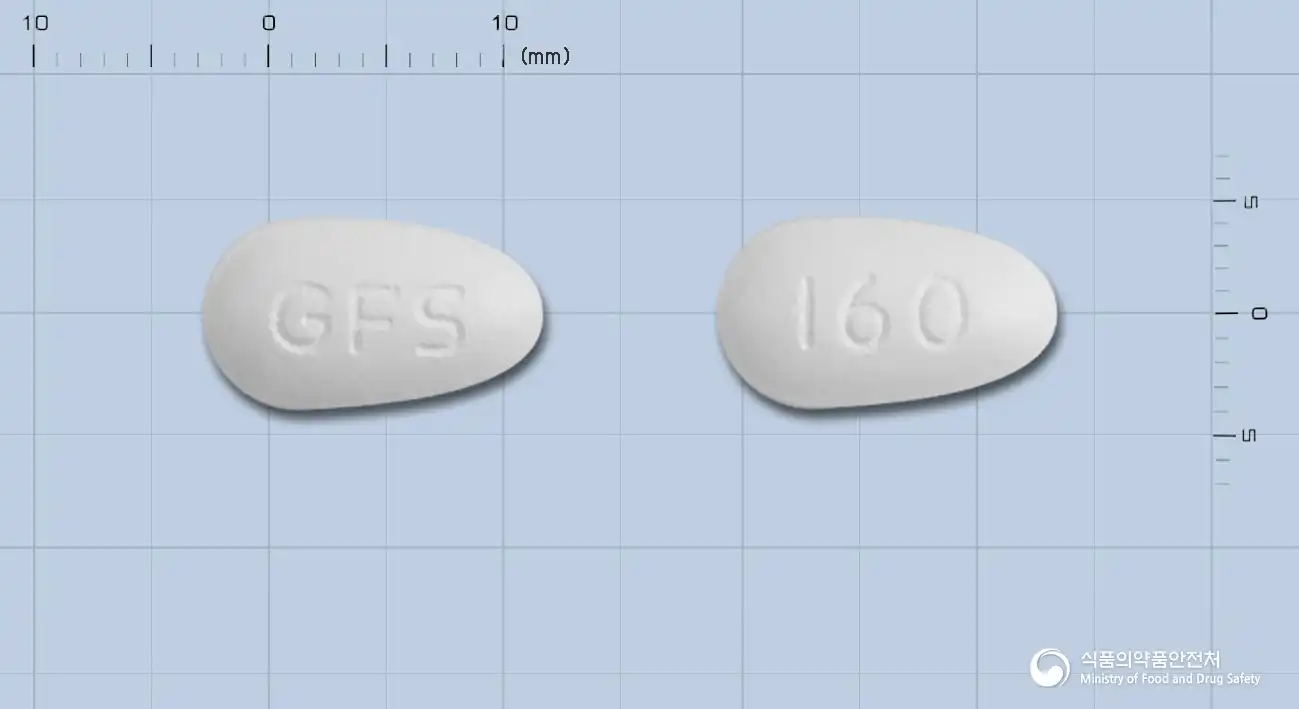
Fenofibrate 160mg
Tablet · Prescription medication
Samchundang Pharm Co., Ltd.
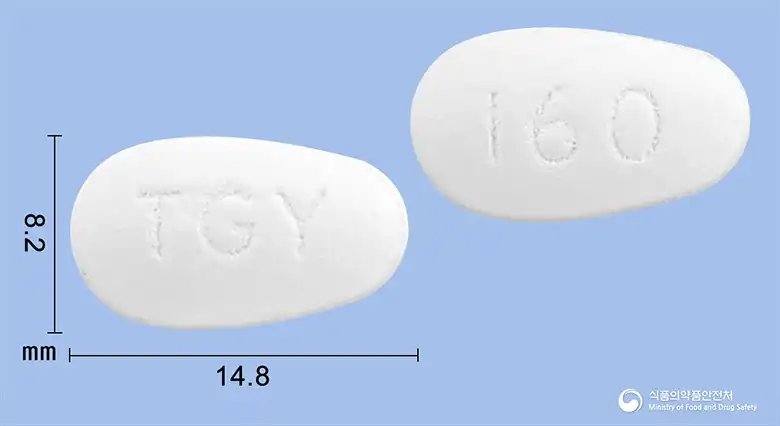
Fenofibrate 160mg
Tablet · Prescription medication
Yu Yeong Pharmaceutical Co., Ltd.
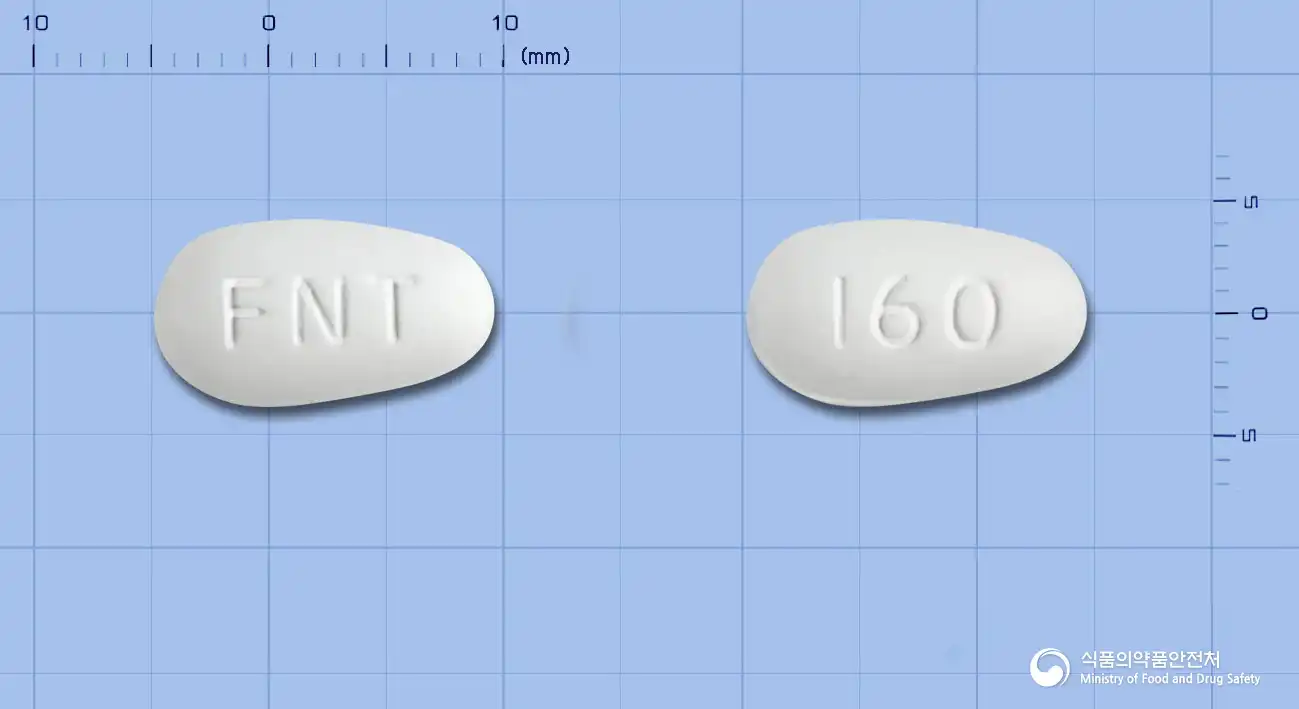
Fenofibrate 160mg
Tablet · Prescription medication
Kyung Dong Pharmaceutical Co., Ltd.
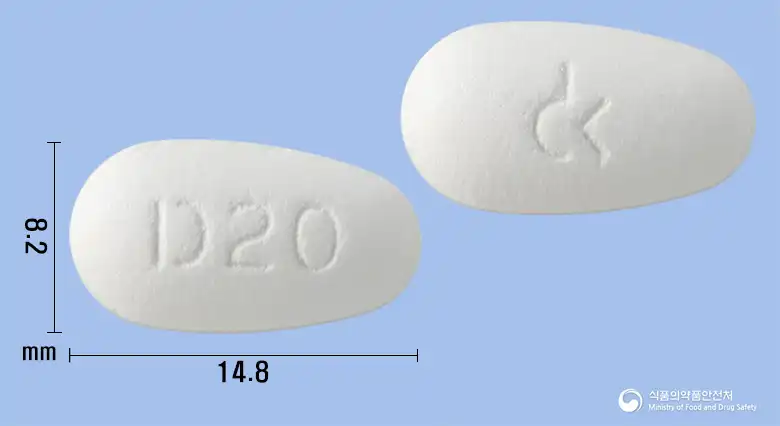
Fenofibrate 160mg
Tablet · Prescription medication
Dongkook Pharmaceutical Co., Ltd.
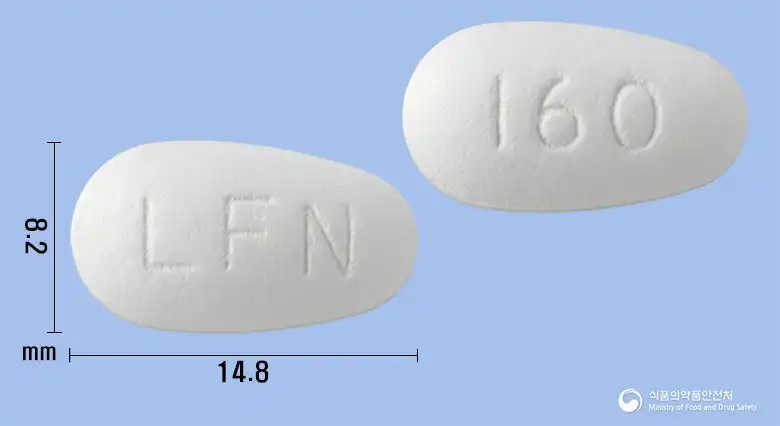
Fenofibrate 160mg
Tablet · Prescription medication
Jinyang Pharmaceutical Co., Ltd.
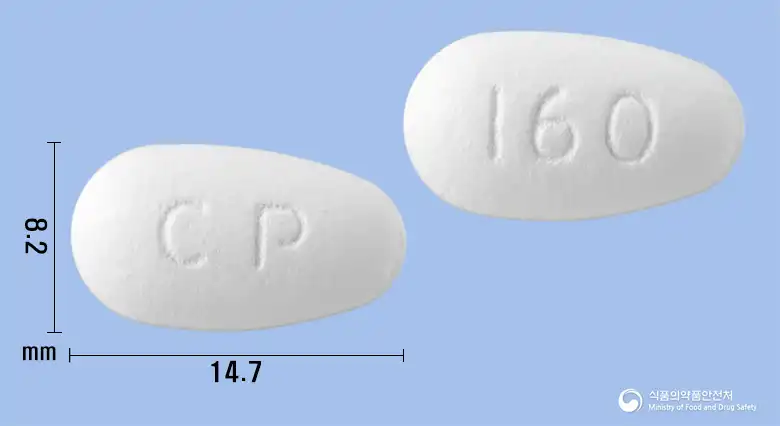
Fenofibrate 160mg
Tablet · Prescription medication
CMG Pharmaceutical Co., Ltd.
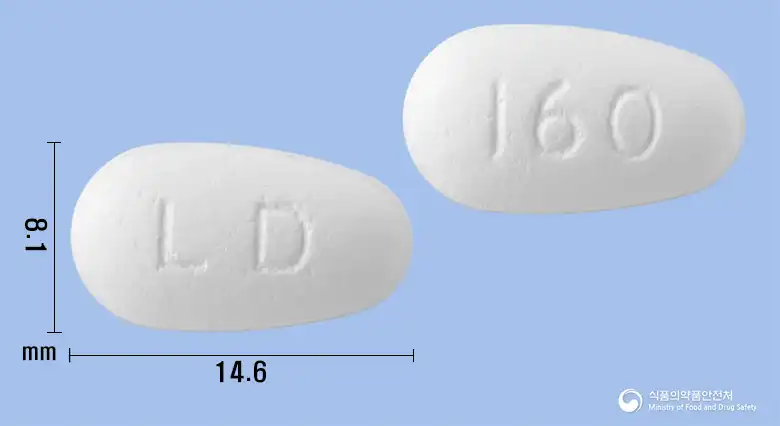
Fenofibrate 160mg
Tablet · Prescription medication
Korea Hyutecs Pharmaceutical Co., Ltd.
Even with the same ingredient, the dose and directions can differ by strength and dosage form. Talk to a doctor or pharmacist before switching from a medication you are already taking.
No questions yet.
For anything that needs medical judgment, consult a doctor or pharmacist.
This drug information is based on data provided by the Korea Ministry of Food and Drug Safety.
Consult a doctor or pharmacist for accurate dosage, administration, and usage instructions.