
 한국어
한국어 English
 日本語
日本語 中文(简体)
Dosage form image
Viewing nowDonggu Fenofibrate Tablet 160 mg
Fenofibrate 160mg
Tablet · Prescription medication
Donggu BioPharmaceutical Co., Ltd.
MFDS item code 202001687 · Approved 2020.03.11
This product's status changed to Expired on 2025.03.11. It may no longer be sold, so consult a doctor or pharmacist before taking it.
Treatment of primary hyperlipidemia (hypercholesterolemia, hypertriglyceridemia)
This medication is used to treat various types of primary hyperlipidemia, specifically hypercholesterolemia (Type IIa), mixed hypercholesterolemia and hypertriglyceridemia (Type IIb, Type III), and hypertriglyceridemia (Type IV).
Fenofibrate 160 mg is to be taken orally once daily immediately after a meal. This medication may be less absorbable on an empty stomach, so it should be taken immediately after a meal.
This medication should not be used by patients with impaired liver function, as the risk of side effects may increase in cases of severe liver damage. Patients with moderate to severe renal impairment may also experience serious side effects such as muscle damage, and should avoid this medication. Women who are pregnant or may become pregnant, as well as breastfeeding women, should not take this medication as it can be harmful to the fetus or the baby. Patients who have had allergic reactions to this medication or any of its ingredients should also avoid using it. Patients with problems in the gallbladder or bile ducts should be cautious as there is a risk of developing gallstones. Patients who have experienced photosensitivity reactions while taking fibrate-class drugs or ketoprofen should also avoid this medication. Children should not take this medication, and elderly patients should adjust the dosage or dosing interval with caution, as liver and kidney function may be weakened. Regular monitoring of liver and kidney function is necessary while taking this medication, and if abnormalities are detected, consultation with a doctor is necessary. If symptoms such as muscle pain or weakness, or severe fatigue occur, it may indicate serious muscle damage known as rhabdomyolysis, and immediate medical attention should be sought. Additionally, this medication can affect blood coagulation, so patients taking anticoagulants should frequently check their blood test results. When taken with other lipid-lowering agents or specific drugs, the risk of muscle damage may increase, so the patient should discuss the possibility of concomitant use with their doctor. While taking this medication, skin rashes or itching, photosensitivity reactions such as redness or blisters on sun-exposed skin may occur, so sun exposure should be minimized or protected. In the case of overdose, there is no specific antidote, so the prescribed dosage must be strictly adhered to and kept out of reach of children. Finally, this medication should be used in conjunction with dietary and exercise therapy, and if there are no therapeutic effects, discontinuation of use may be considered.
Hives, severe swelling (edema), tightness in the chest, difficulty breathing, cold sweats, pallor, severe rash with high fever, blisters, peeling skin, pain in mouth/eye mucosa, shortness of breath or difficulty breathing, asthma attack, respiratory distress accompanied by cough and fever, jaundice (yellowing of skin or eyes), extreme lethargy, sudden and severe headache, thunderclap headache, seizures, confusion, visual disturbances, paralysis, urination issues
Increased serum aminotransferase levels, liver enlargement, cholestatic hepatitis, gallstones, rash, itching, skin photosensitivity reactions, hair loss, malaise, high fever, dizziness, headache, peripheral neuropathy, thromboembolism (pulmonary embolism, deep vein thrombosis), increased creatine kinase (CK), muscle pain, muscle cramps, joint pain, gastrointestinal disturbances (abdominal pain, nausea, vomiting, diarrhea, abdominal bloating), seizures, decreased hemoglobin, decreased white blood cells, eosinophilia
Not everyone experiences these, and they can vary from person to person.
This medication may be sensitive to air and moisture, so it must be stored in a tightly sealed container. Furthermore, it is important to maintain a storage temperature between 1 and 30 degrees Celsius to safely preserve its efficacy.
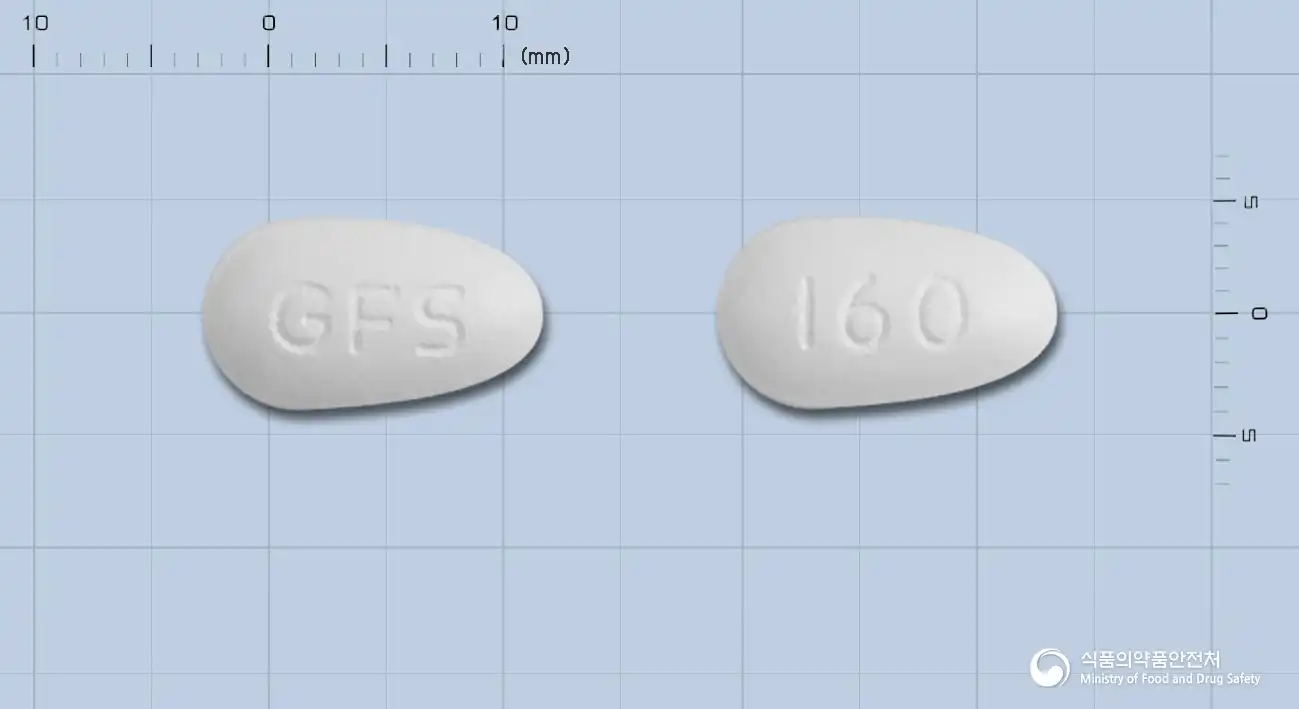
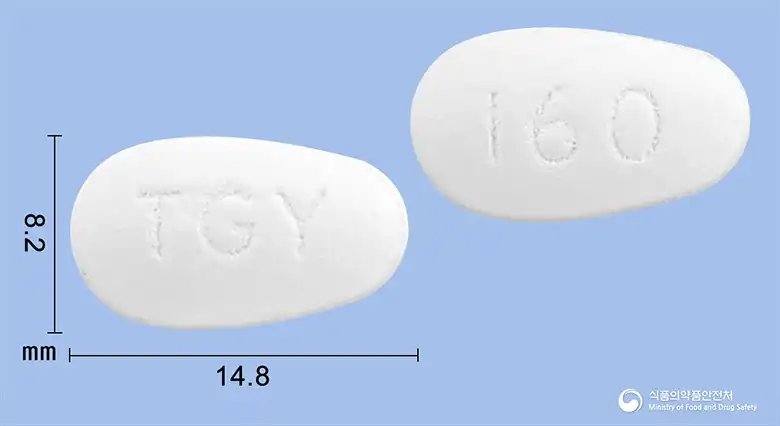
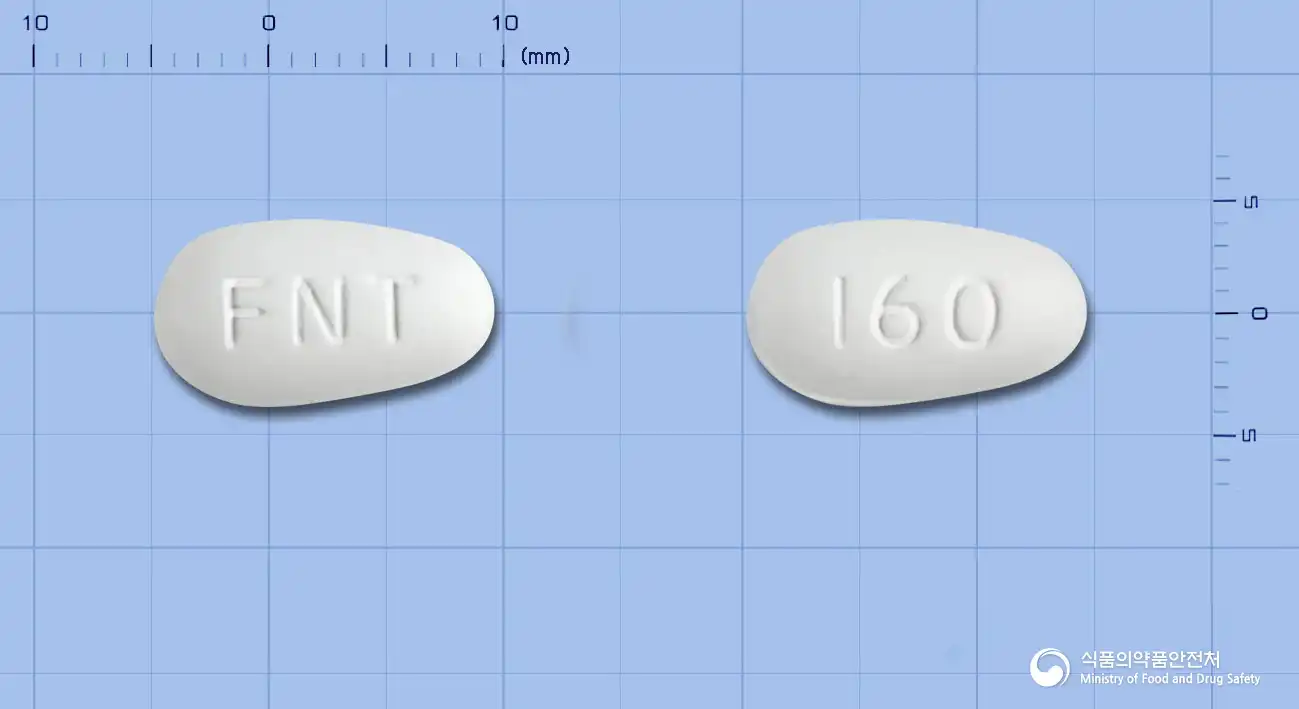
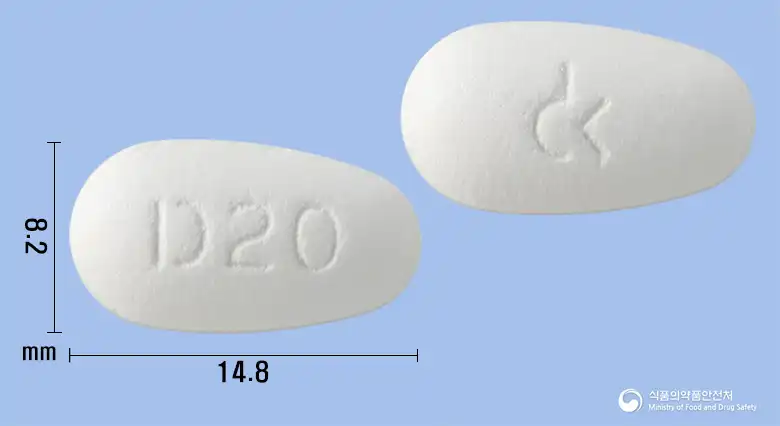
White rectangular film-coated tablet
100 tablets/box [10 tablets/PTP x 10]
Even with the same ingredient, strength, dosage form and how it is taken can differ.
Fenofibrate 160mg
Tablet · Prescription medication
Donggu BioPharmaceutical Co., Ltd.
Fenofibrate 160mg
Tablet · Prescription medication
Samchundang Pharm Co., Ltd.
Fenofibrate 160mg
Tablet · Prescription medication
Yu Yeong Pharmaceutical Co., Ltd.
Fenofibrate 160mg
Tablet · Prescription medication
Kyung Dong Pharmaceutical Co., Ltd.
Fenofibrate 160mg
Tablet · Prescription medication
Dongkook Pharmaceutical Co., Ltd.
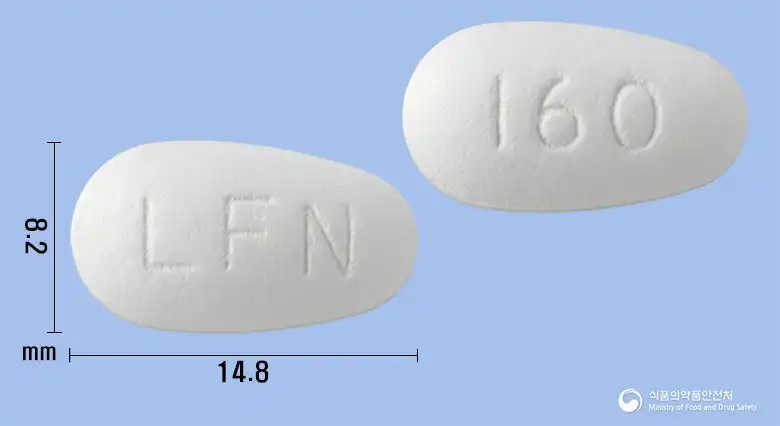
Fenofibrate 160mg
Tablet · Prescription medication
Jinyang Pharmaceutical Co., Ltd.
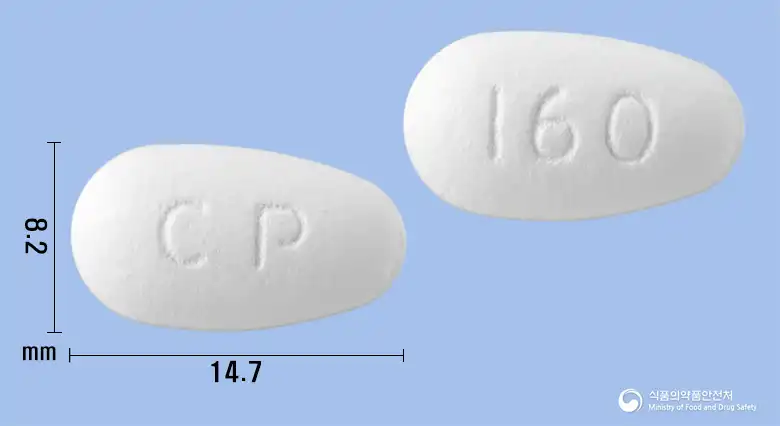
Fenofibrate 160mg
Tablet · Prescription medication
CMG Pharmaceutical Co., Ltd.
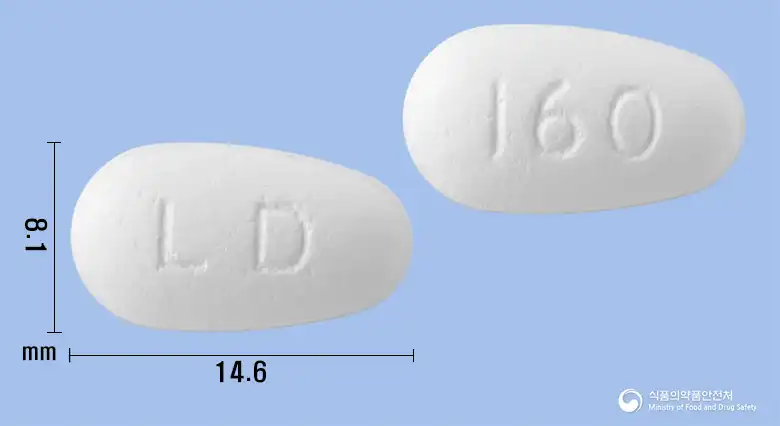
Fenofibrate 160mg
Tablet · Prescription medication
Korea Hyutecs Pharmaceutical Co., Ltd.
Even with the same ingredient, the dose and directions can differ by strength and dosage form. Talk to a doctor or pharmacist before switching from a medication you are already taking.
No questions yet.
For anything that needs medical judgment, consult a doctor or pharmacist.
This drug information is based on data provided by the Korea Ministry of Food and Drug Safety.
Consult a doctor or pharmacist for accurate dosage, administration, and usage instructions.