
 한국어
한국어 English
 日本語
日本語 中文(简体)
 Viewing now
Kozami Soft Capsule (Diphenhydramine Hydrochloride)
Diphenhydramine Hydrochloride 50mg
Soft capsule · OTC medication
IntroBioPharma Co., Ltd.
MFDS item code 202001554 · Notified 2020.03.05
Temporary relief of insomnia
This medication helps alleviate temporary insomnia, a condition characterized by difficulty falling asleep. If you have trouble sleeping, using this product can assist you in achieving restful sleep. It contributes to improving sleep quality and reducing fatigue in daily life. Additionally, it is effective against insomnia caused by temporary stress or environmental changes. When used safely, it helps create a comfortable sleeping environment. Therefore, it is used for the relief of temporary insomnia.
Take 50 mg of diphenhydramine hydrochloride orally once daily before bedtime. Depending on the individual, if excessive sedation occurs with a 50 mg dose, 25 mg can be taken.
This medication should not be taken by certain patients. For example, individuals who have an allergic reaction to this medication, or who have difficulty breathing due to asthma attacks, emphysema, or chronic bronchitis should avoid using this drug. Additionally, those with conditions that cause difficulty urinating, such as glaucoma or prostatic hyperplasia, should not take this medication. It should also not be used in cases of peptic ulcer or gastrointestinal obstruction. Children under 15 years of age, patients with seizure disorders such as epilepsy, patients with pheochromocytoma, and individuals who are breastfeeding should not take this medication. Patients diagnosed with insomnia or those who typically experience insomnia should also refrain from using this medication. While taking this medication, do not take other medications containing the same active ingredients or hypnotics, certain cold medications, antipyretics, cough medications, or allergy medications, as this may exacerbate side effects. Do not use this medication for extended periods, and avoid driving or operating machinery after taking it due to possible drowsiness. Alcohol consumption should also be avoided. Patients with myasthenia gravis, those currently receiving treatment from a physician, the elderly, those with allergic constitutions or histories of drug allergies, and individuals who are pregnant or may become pregnant should consult a physician or pharmacist before taking this medication. If any symptoms such as skin rash, itching, nausea, diarrhea, dizziness, headache, drowsiness, heart palpitations, difficulty urinating, or blurred vision occur after taking the medication, discontinue use immediately and consult medical personnel. If symptoms do not improve after 2 to 3 doses, consult a physician. This medication should be taken according to the prescribed dosage and regimen, and if insomnia persists for more than 2 weeks, it is advisable to consult a physician. Finally, this medication should be stored out of reach of children, and keep it in its original container with the cap tightly closed to maintain the drug's quality.
Asthma attacks, angle-closure glaucoma
Not everyone experiences these, and they can vary from person to person.
This medication should not be taken with other formulations containing diphenhydramine hydrochloride, other hypnotics, MAO inhibitors, cold medications, antipyretics, cough suppressants, or antihistamines in oral preparations (oral medications for rhinitis, motion sickness medications, allergy medications).
Alcohol should not be consumed while taking this medication.
This medication should be stored in a tightly sealed container to protect it from air and moisture. It is advisable to maintain the storage temperature between 1 degree and 30 degrees Celsius at room temperature.
Contents of a transparent liquid ranging from colorless to light teal, enclosed in a light teal, convex oval soft capsule.
50 capsules/PTP[(10 capsules/PTP*5)]
Even with the same ingredient, strength, dosage form and how it is taken can differ.
Viewing nowDiphenhydramine Hydrochloride 50mg
Soft capsule · OTC medication
IntroBioPharma Co., Ltd.

Diphenhydramine Hydrochloride 25mg
Tablet · OTC medication
Hanmi Pharmaceutical Co., Ltd.

Diphenhydramine Hydrochloride 50mg
Soft capsule · OTC medication
ARP Bio Co., Ltd.
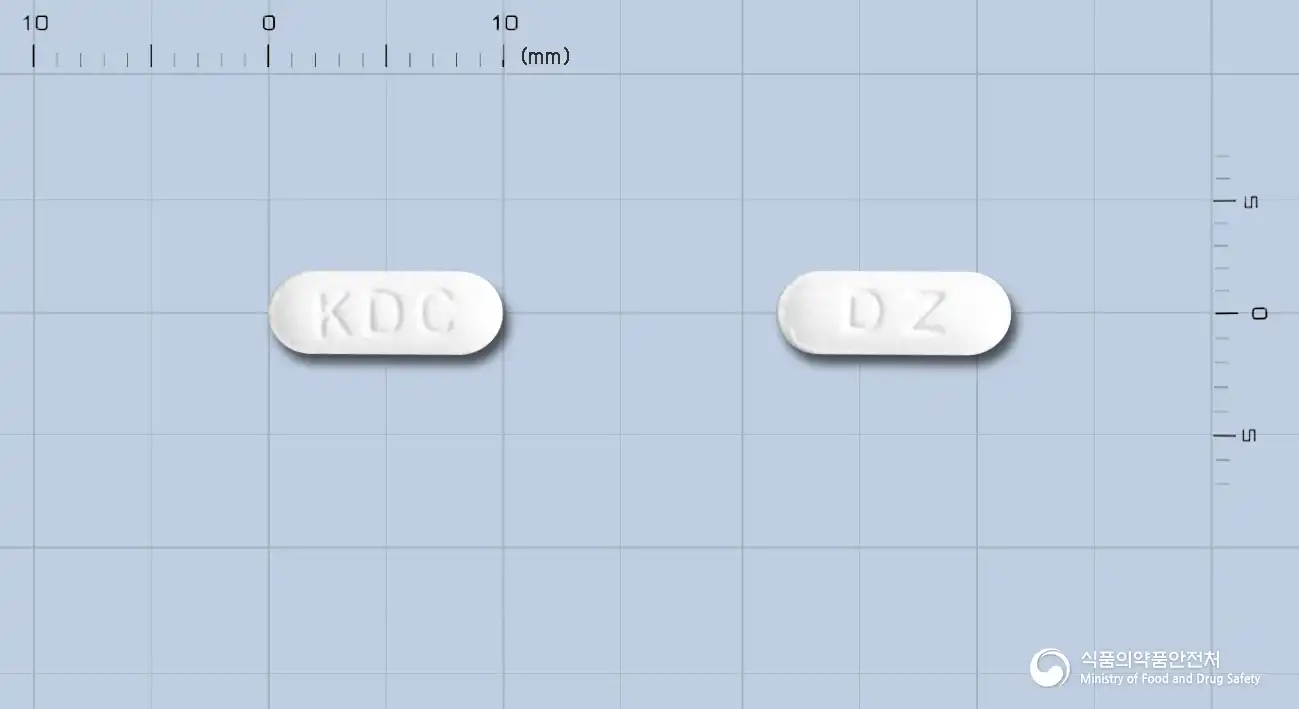
Diphenhydramine Hydrochloride 25mg
Tablet · OTC medication
Koryo Pharmaceutical Co., Ltd.

Diphenhydramine Hydrochloride 50mg
Soft capsule · OTC medication
Hansol New Drug Co., Ltd.

Diphenhydramine Hydrochloride 50mg
Soft capsule · OTC medication
(GSK) Green Cross
Diphenhydramine Hydrochloride
OTC medication
Kolon Pharmaceuticals Co., Ltd.

Diphenhydramine Hydrochloride 50mg
Soft capsule · OTC medication
KyungBang New Drug Co., Ltd.
Even with the same ingredient, the dose and directions can differ by strength and dosage form. Talk to a doctor or pharmacist before switching from a medication you are already taking.
QCan I take this on the same day I take cold medicine?
Answers 1 · 2026.09.14
QIs it okay to drive the morning after taking it?
Answers 1 · 2026.09.14
QWhen should I take it if I can’t sleep?
Answers 1 · 2026.09.14
For anything that needs medical judgment, consult a doctor or pharmacist.
This drug information is based on data provided by the Korea Ministry of Food and Drug Safety.
Consult a doctor or pharmacist for accurate dosage, administration, and usage instructions.