
 한국어
한국어 English
 日本語
日本語 中文(简体)
 Viewing now
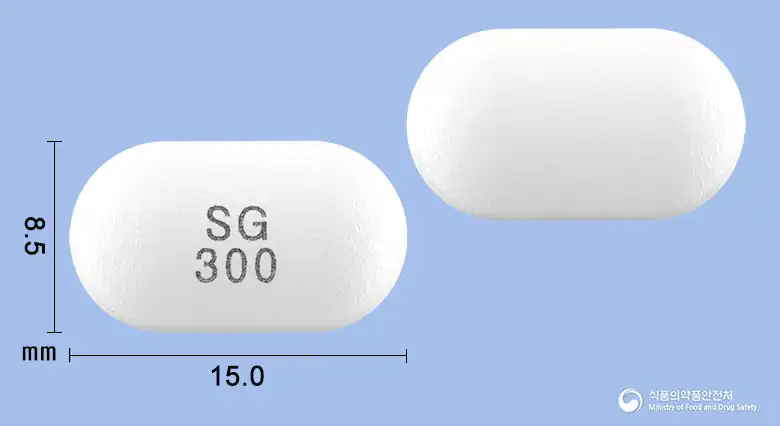
Suflit Sustained-Release Tablets 300 mg (Sarpogrelate Hydrochloride)
Sarpogrelate Hydrochloride 200mg
Tablet · Prescription medication
Boryung Biopharma Co., Ltd.
MFDS item code 202001519 · Approved 2020.03.04 · Insurance code 670502080
Improvement of ischemic symptoms such as chronic arterial occlusive disease (ulcers, pain, etc.)
This medication is used to improve ischemic symptoms such as ulcers, pain, and cold sensations that occur in states of poor blood circulation, such as chronic arterial occlusive disease. It helps alleviate symptoms caused by various vascular diseases such as Buerger's disease, obliterative arteriosclerosis, and diabetic peripheral vascular disease, reducing discomfort for patients and improving their quality of life. Through this efficacy, it improves blood flow in peripheral vessels and prevents tissue damage caused by ischemia.
Administer Sarpogrelate Hydrochloride sustained-release 300 mg, orally once daily after meals. This medication should be taken whole without chewing or crushing.
This medication should not be used in patients with bleeding as it may increase the risk of bleeding. Women who are pregnant or may become pregnant should avoid use as it may affect the fetus. Patients who are menstruating or have a tendency to bleed should use this medication with caution as the risk of bleeding may increase. Patients taking anticoagulants or antiplatelet agents may have an increased risk of bleeding, so caution is advised when using together. Patients with severe renal impairment should be cautious as this may affect drug excretion. Elderly patients may experience adverse reactions more readily and should use it with care. During the use of this medication, various adverse reactions, including urticaria, dyspepsia, headache, and cough, may occur; if symptoms arise, consultation with a healthcare professional is recommended. It is important to check for adverse reactions through regular tests such as blood tests. Pregnant or lactating women are advised not to take this medication; if unavoidable, breastfeeding should be avoided. Safety for children has not been established, and there is no experience in usage, so it is not recommended for children. This medication should be kept out of reach of children, and transferring it to other containers is not advisable as it may impair quality.
Urticaria, bleeding tendency (gastrointestinal bleeding, cerebral hemorrhage, subcutaneous bleeding, etc.), agranulocytosis, anemia, thrombocytopenia, leukopenia, acute hepatitis, liver dysfunction, jaundice, respiratory distress, severe allergic reactions, severe skin adverse reactions, serious neurological symptoms, severe edema, or urinary abnormalities
Not everyone experiences these, and they can vary from person to person.
This medication should be stored in a tightly closed container to prevent exposure to air or moisture. The appropriate storage temperature is between 1 degree and 30 degrees Celsius at room temperature. Storing in this manner can help maintain the effectiveness of the medication.
White oblong film-coated tablets
30 tablets/bottle, 100 tablets/bottle
Even with the same ingredient, strength, dosage form and how it is taken can differ.
Viewing nowSarpogrelate Hydrochloride 200mg
Tablet · Prescription medication
Boryung Biopharma Co., Ltd.
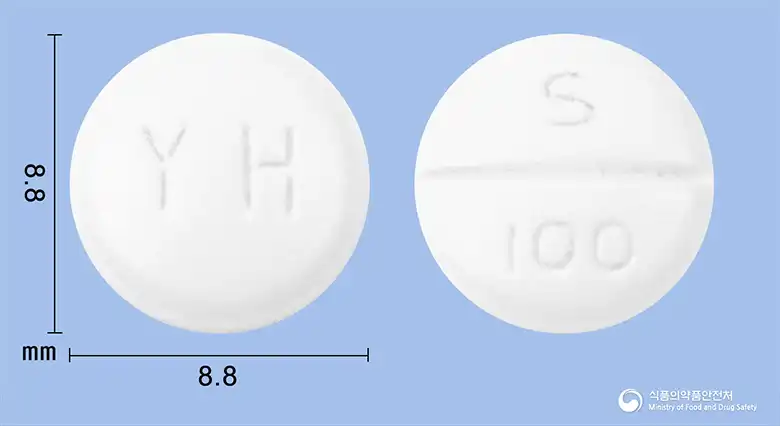
Sarpogrelate Hydrochloride 100mg
Tablet · Prescription medication
Yuhan Corporation
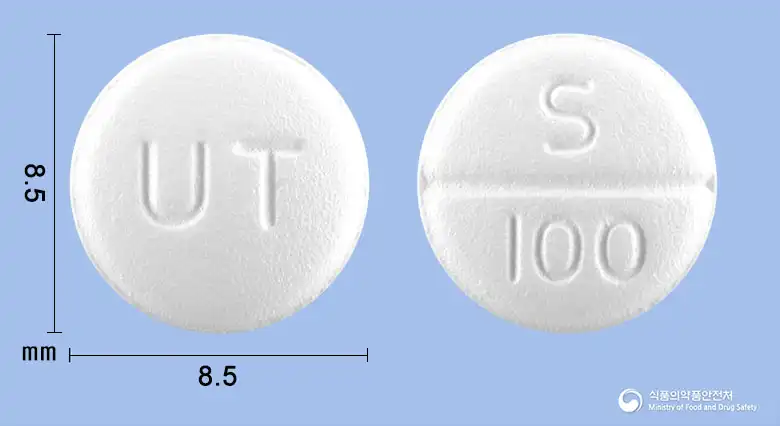
Sarpogrelate Hydrochloride 100mg
Tablet · Prescription medication
Korea United Pharmaceutical Co., Ltd.
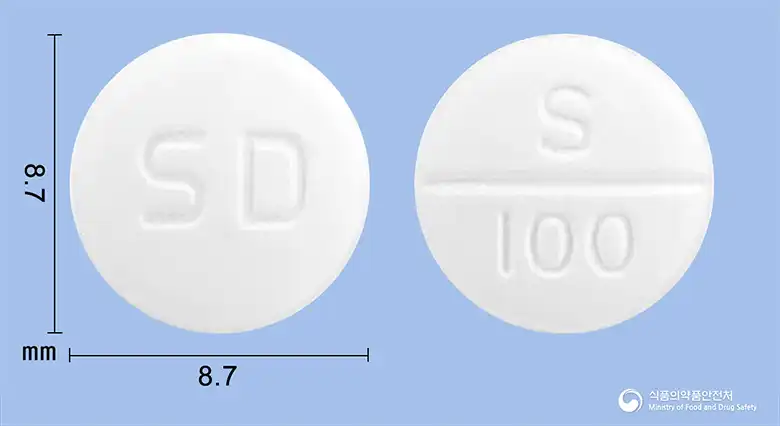
Sarpogrelate Hydrochloride 100mg
Tablet · Prescription medication
(Co., Ltd.) Pharmgen Science
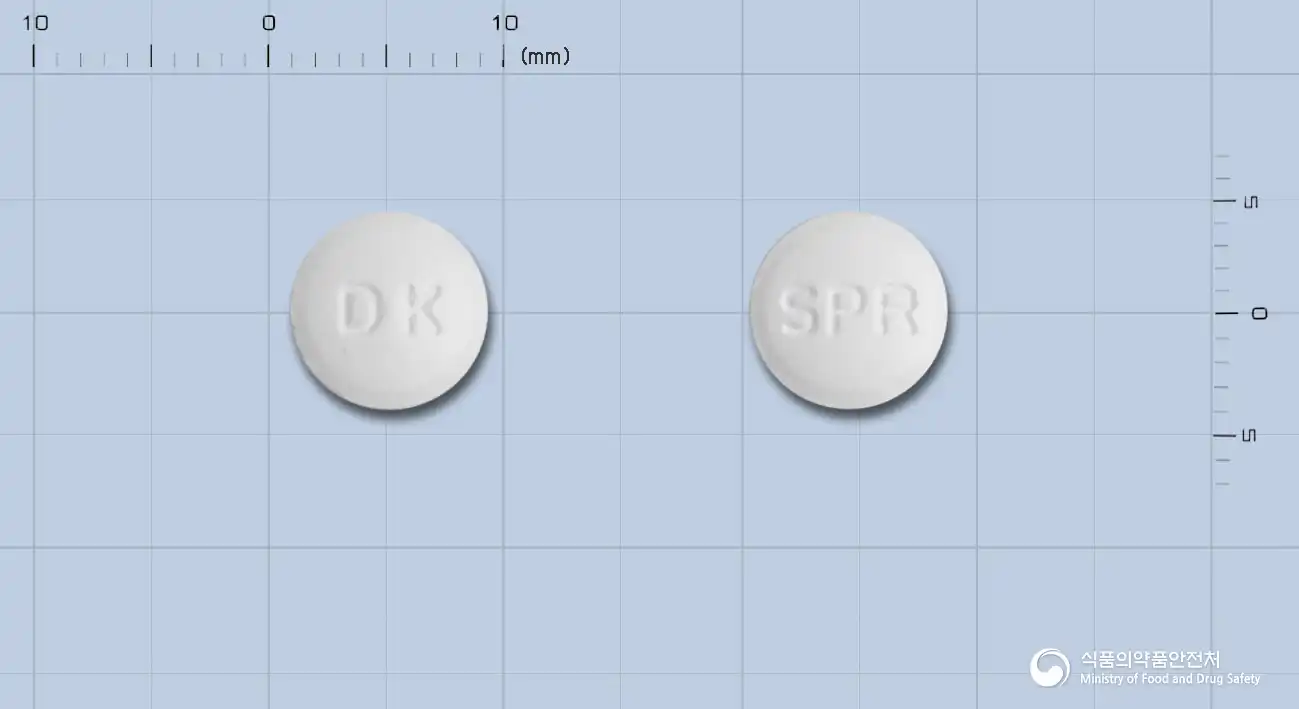
Sarpogrelate Hydrochloride 100mg
Tablet · Prescription medication
Dongkook Pharmaceutical Co., Ltd.
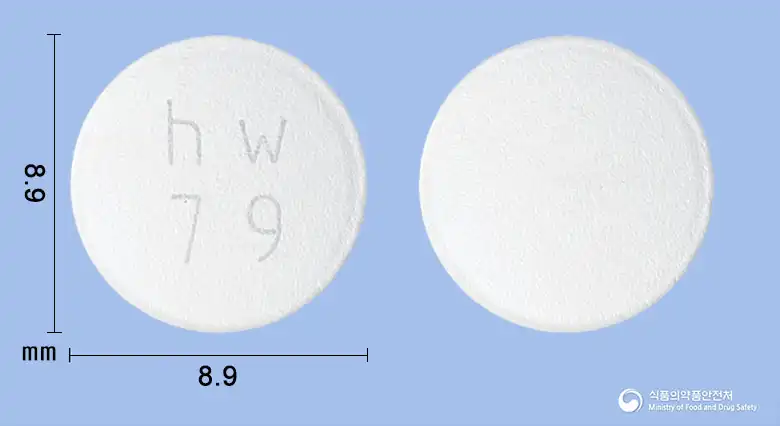
Sarpogrelate Hydrochloride 100mg
Tablet · Prescription medication
Haewon Pharmaceutical Co., Ltd.
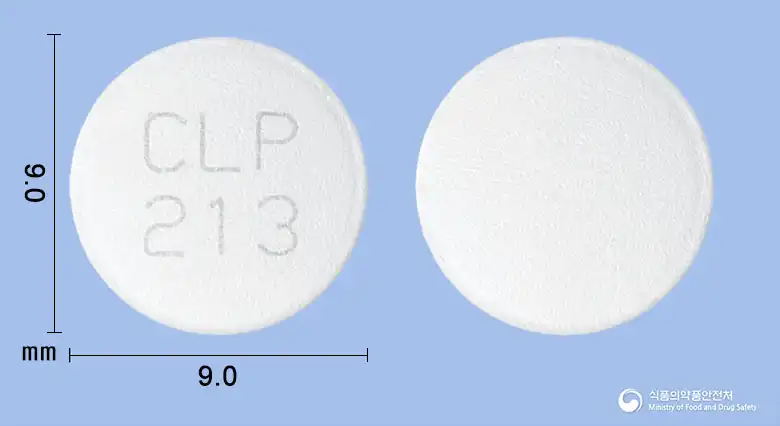
Sarpogrelate Hydrochloride 100mg
Tablet · Prescription medication
Celltrion Pharmaceutical Co., Ltd.
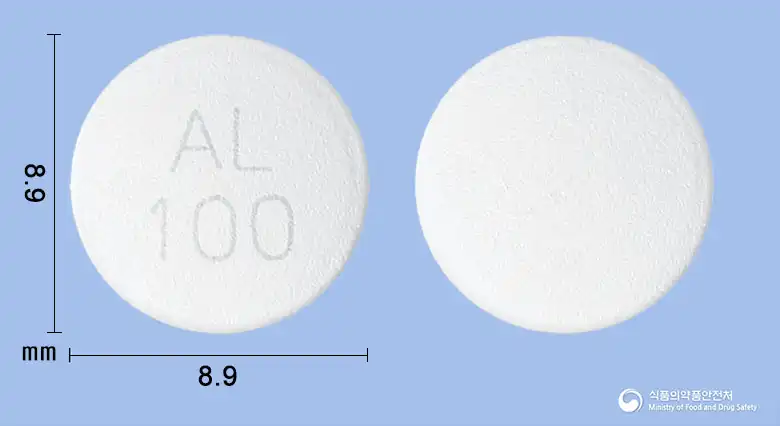
Sarpogrelate Hydrochloride 100mg
Tablet · Prescription medication
Allico Pharmaceuticals Co., Ltd.
Even with the same ingredient, the dose and directions can differ by strength and dosage form. Talk to a doctor or pharmacist before switching from a medication you are already taking.
No questions yet.
For anything that needs medical judgment, consult a doctor or pharmacist.
This drug information is based on data provided by the Korea Ministry of Food and Drug Safety.
Consult a doctor or pharmacist for accurate dosage, administration, and usage instructions.