
 한국어
한국어 English
 日本語
日本語 中文(简体)
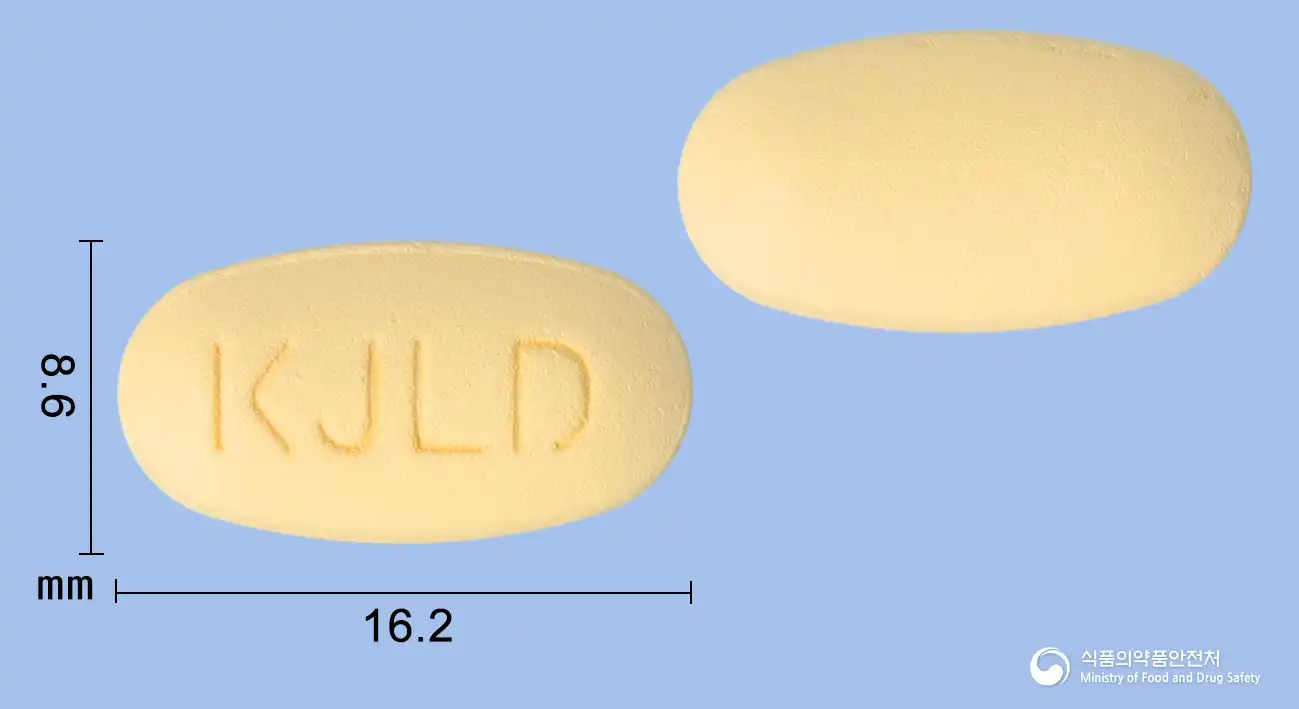
Dosage form image
Viewing nowCombinationLinagliptin Duo Tablet 2.5/850 mg
Linagliptin 2.5mg · Metformin Hydrochloride 850mg
Tablet · Prescription medication · Combination
Seongwon Adcock Pharmaceutical Co., Ltd.
MFDS item code 202001420 · Approved 2020.02.28
This product's status changed to Expired on 2025.02.28. It may no longer be sold, so consult a doctor or pharmacist before taking it.
Improvement in blood sugar control in adults with type 2 diabetes
This medication helps improve blood sugar control in adults with type 2 diabetes by assisting dietary therapy and physical exercise. It can be used when patients have not previously used diabetes medications or when blood sugar control is difficult with monotherapy. It is administered in combination with metformin or other medications (sulfonylureas, insulin, empagliflozin, etc.) when blood sugar is not sufficiently controlled, to enhance blood sugar control outcomes. It is prescribed according to individual patient conditions, aiding in the improvement of blood sugar control across various treatment combinations. This medication is effectively used for improving blood sugar control.
This medication should be administered twice daily with meals. 1. If currently not being treated with metformin: Starting dosage is this medication 2.5/500 mg taken twice daily, and may be increased to 2.5/1000 mg taken twice daily, 1 tablet at a time. 2. If sufficient blood sugar control cannot be achieved with metformin monotherapy: The initial dosage should be linagliptin 2.5 mg twice daily and metformin 1000 mg as previously dosed.
This medication contains metformin as one of its main ingredients, which can rarely lead to a serious side effect known as lactic acidosis, hence caution is necessary. It should not be administered to certain patients, for instance, those allergic to the components of this drug, patients with type 1 diabetes, those with severe renal impairment, patients suffering from serious conditions such as acute infections or heart disease, pregnant or breastfeeding women, etc. When taking this medication, attention must be paid to the risk of hypoglycemia, especially if taken together with sulfonylureas or insulin; blood sugar levels should be checked frequently, and dosage adjustments may be necessary. To reduce the risk of lactic acidosis, this medication should be temporarily discontinued in cases of dehydration or situations that may affect renal function, and it is important to notify a doctor immediately if symptoms occur. Renal function is important for the excretion of this medication, so regular renal function tests should be conducted before and during treatment, and it should not be used if renal function is compromised. Patients with poor heart function should use this medication cautiously, particularly those with acute myocardial infarction or heart failure. When undergoing examinations involving radiocontrast agents containing iodine, this medication should be discontinued for a certain period before and after the examination, and it should be resumed only after assessing renal function. It is also necessary to temporarily stop the medication around the time of surgery and may be restarted only after renal function has recovered post-surgery. This medication can rarely cause acute pancreatitis or skin conditions such as bullous pemphigoid, so immediate consultation with a doctor is needed in cases of persistent and severe abdominal pain or the appearance of blisters on the skin. Long-term use may decrease vitamin B12 levels, so if anemia or neurological symptoms occur, blood tests should be conducted to confirm it, and supplementation therapy should be undertaken if required. This medication may interact with other drugs, so it is important to inform the doctor or pharmacist about any other medications being taken for appropriate adjustments. Women who are pregnant or planning to become pregnant should refrain from using this medication, and it should also be avoided while breastfeeding. It is not recommended for children under 10 years of age or adolescents as safety and efficacy have not been established. Elderly patients may experience a decline in renal function, so dosage adjustments and regular monitoring of renal function are necessary. There are no studies on the effects of operating vehicles or machinery; however, caution is required due to the risk of hypoglycemia. In cases of overdose, serious side effects such as lactic acidosis may occur, so immediate hospital treatment is necessary, and if needed, procedures such as hemodialysis should be performed. This medication should be stored out of reach of children, kept dry, and not transferred to other containers.
Urticaria, angioedema, lactic acidosis, pancreatitis, bullous pemphigoid, jaundice symptoms due to liver dysfunction, acute pancreatitis, angina pectoris, acute myocardial infarction, unstable angina, cardiac arrest, acute kidney injury, end-stage renal disease, acute cholangitis, acute cholecystitis, cholangitis, cholelithiasis, severe allergic reactions, serious skin adverse reactions, dyspnea, severe neurological symptoms, severe edema, or urination abnormalities, angioedema, vascular issues
Nasopharyngitis, hypersensitivity, decreased and deficient vitamin B12 levels, taste disturbance, cough, decreased appetite, diarrhea, constipation, nausea, vomiting, abdominal pain, formation of oral ulcers, abnormal liver function tests, hepatitis, pruritus, erythema, rash, joint pain without severe disability, increased lipase, increased amylase, hypoglycemia (when used with sulfonylureas), increased triglycerides in the blood, diabetic neuropathy, headache, drowsiness, itching,
Not everyone experiences these, and they can vary from person to person.
This medication should be stored in a tightly closed container to prevent exposure to air or moisture. Additionally, when storing the medication, it is advisable to keep it at room temperature, ideally between 1°C and 30°C, avoiding extremes of temperature.
Bright orange, biconvex, oval film-coated tablet
60 tablets/PTP [10 tablets/PTP packaging x 6]
Even with the same ingredient, strength, dosage form and how it is taken can differ.
Linagliptin 2.5mg · Metformin Hydrochloride 850mg
Tablet · Prescription medication · Combination
Seongwon Adcock Pharmaceutical Co., Ltd.
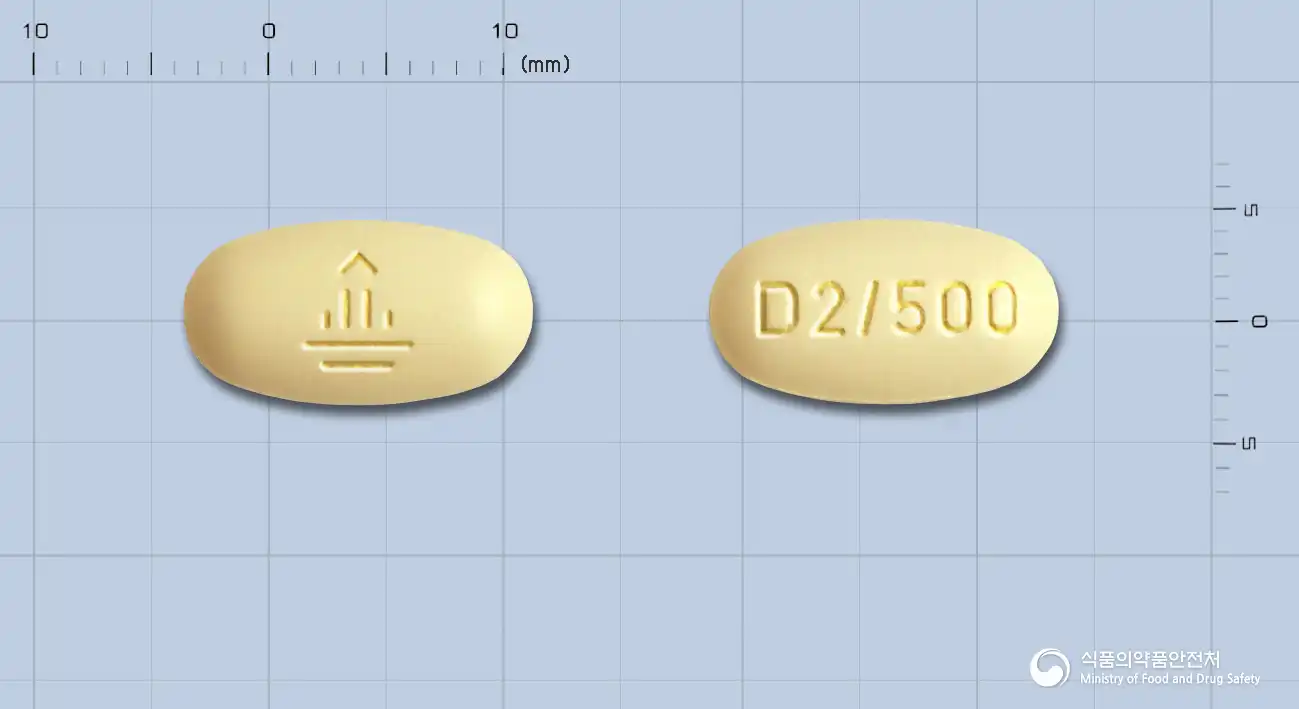 Combination
Linagliptin 2.5mg · Metformin Hydrochloride 500mg
Tablet · Prescription medication · Combination
Boehringer Ingelheim Korea Co., Ltd.
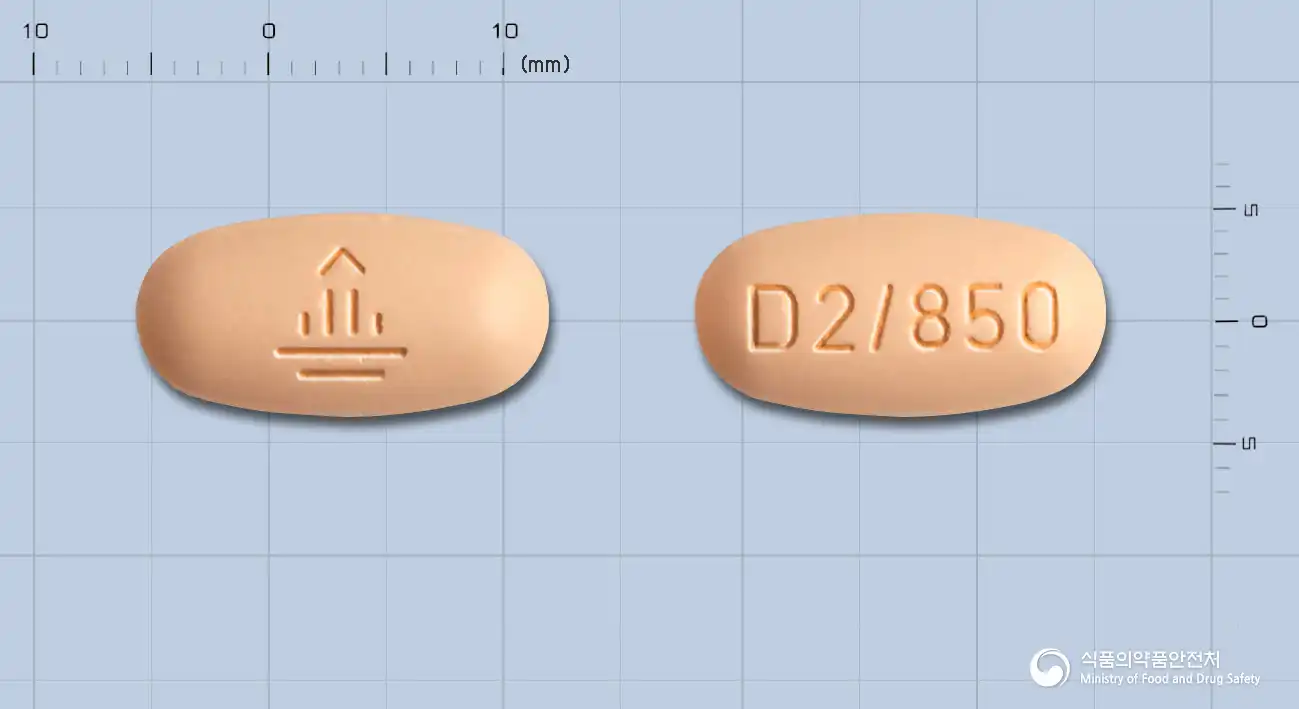 Combination
Linagliptin 2.5mg · Metformin Hydrochloride 850mg
Tablet · Prescription medication · Combination
Boehringer Ingelheim Korea Co., Ltd.
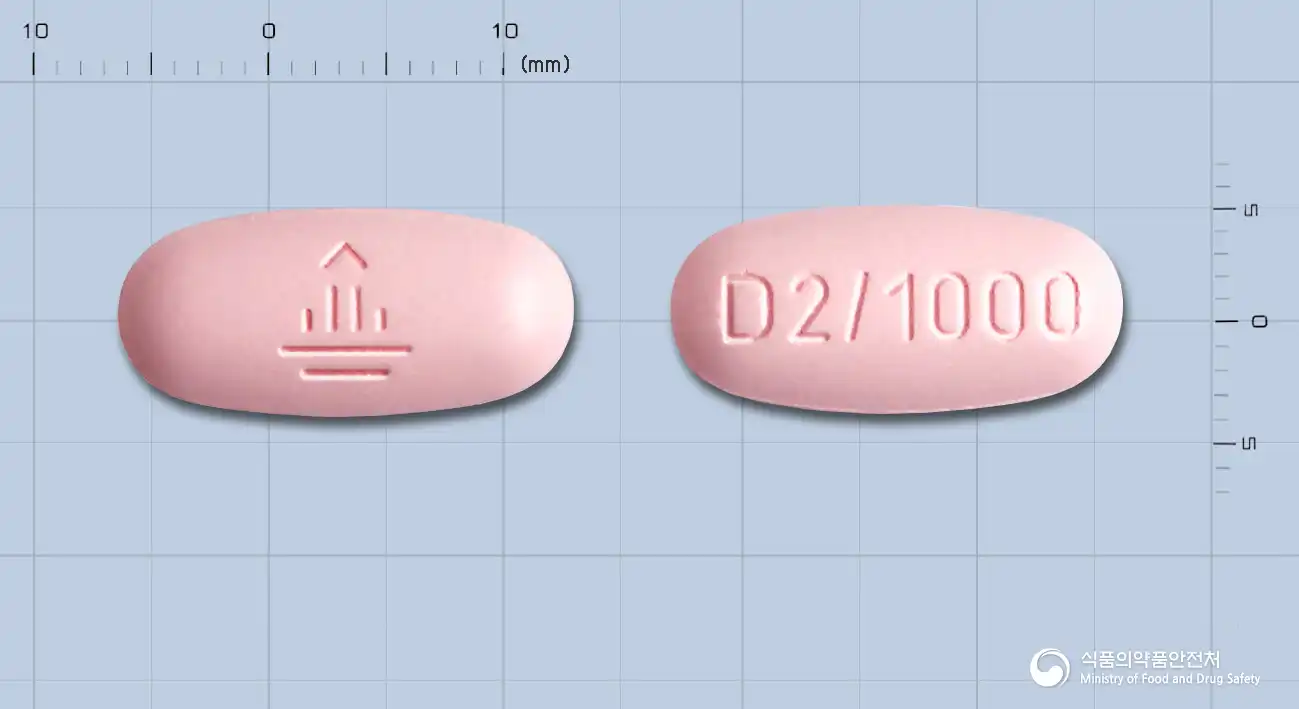 Combination
Linagliptin 2.5mg · Metformin Hydrochloride 1000mg
Tablet · Prescription medication · Combination
Boehringer Ingelheim Korea Co., Ltd.
Linagliptin 2.5mg · Metformin Hydrochloride 1000mg
Tablet · Prescription medication · Combination
Anguk Pharm Co., Ltd.
Linagliptin 2.5mg · Metformin Hydrochloride 1000mg
Prescription medication · Combination
Hanmi Pharmaceutical Co., Ltd.
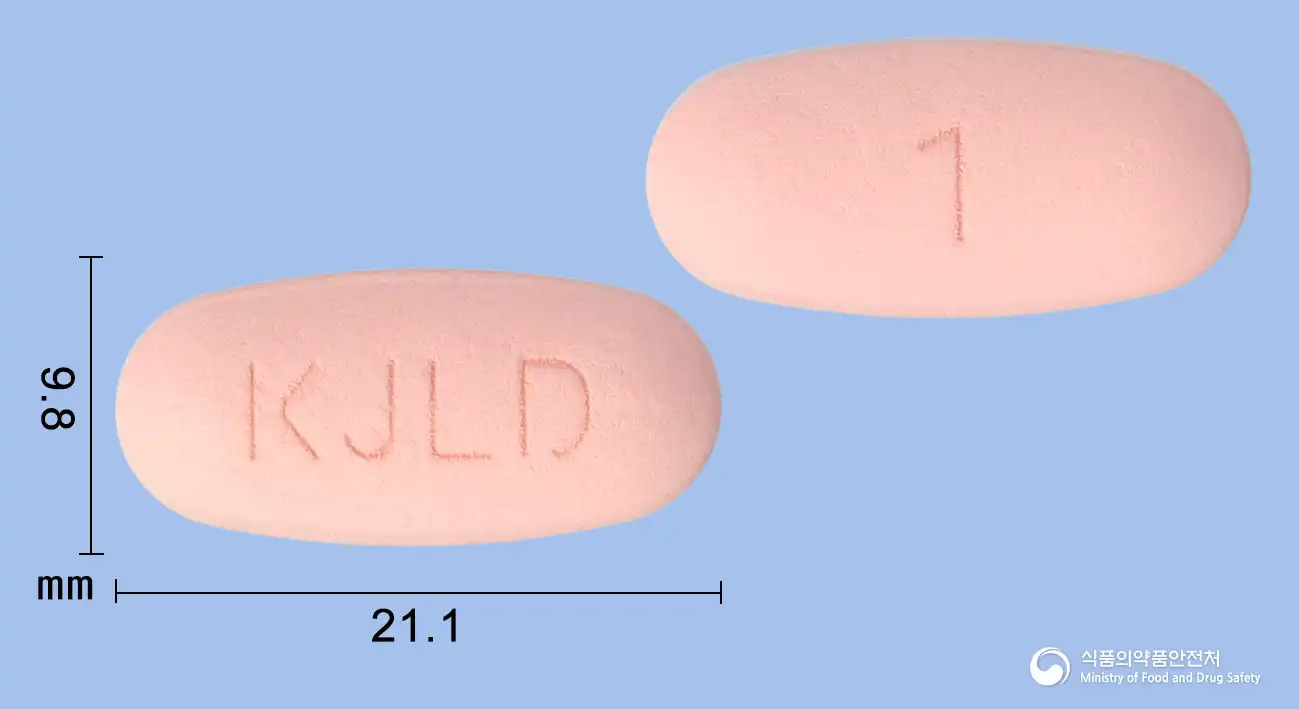 Combination
Linagliptin 2.5mg · Metformin Hydrochloride 1000mg
Tablet · Prescription medication · Combination
Kukje Pharmaceutical Co., Ltd.
 Combination
Linagliptin 2.5mg · Metformin Hydrochloride 500mg
Tablet · Prescription medication · Combination
International Pharmaceutical Co., Ltd.
Even with the same ingredient, the dose and directions can differ by strength and dosage form. Talk to a doctor or pharmacist before switching from a medication you are already taking.
No questions yet.
For anything that needs medical judgment, consult a doctor or pharmacist.
This drug information is based on data provided by the Korea Ministry of Food and Drug Safety.
Consult a doctor or pharmacist for accurate dosage, administration, and usage instructions.