
 한국어
한국어 English
 日本語
日本語 中文(简体)
Dosage form image
Viewing nowOlstec 10 mg Tablet (Olmesartan Medoxomil)
Olmesartan Medoxomil 10mg
Tablet · Prescription medication
Palmgen Science Co., Ltd.
MFDS item code 202001392 · Approved 2020.02.27
This product's status changed to Expired on 2025.02.27. It may no longer be sold, so consult a doctor or pharmacist before taking it.
Improvement of essential hypertension
Essential hypertension helps lower blood pressure to normal levels, reducing the burden on blood vessels and the heart. This medication helps reduce the risk of complications related to hypertension when taken regularly and plays an important role in maintaining cardiovascular health. Effective blood pressure control can also help alleviate symptoms such as headaches and dizziness. Treatment of essential hypertension allows for long-term health management.
The recommended initial dose for adults is 10 mg once daily, regardless of meals. If blood pressure is not adequately controlled, the dose may be increased to 20 mg once daily, with a maximum daily dose of 40 mg. No dosage adjustment is necessary for elderly patients (65 years or older). For patients with renal impairment (creatinine clearance 20-60 mL/min), the maximum dose is 20 mg once daily. Mild liver impairment patients can use
This medication may cause serious harm to the fetus and newborn if taken during the second and third trimesters of pregnancy, so it should be discontinued immediately upon confirmation of pregnancy. Patients with allergic reactions, pregnant women, nursing mothers, patients undergoing kidney dialysis, those with severe liver impairment, bile duct obstruction, lactose intolerance, and others should not take this medication. Patients with low blood volume or salt, those with weak kidney function, or renal artery hypertension should use this drug with caution, as hypotension or changes in kidney function may occur, so close monitoring of conditions is necessary. Possible side effects include dizziness, headaches, dyspepsia, muscle pain, and rashes, and in rare cases, angioedema or liver function abnormalities may occur. Chronic diarrhea and weight loss resembling chronic malabsorption syndrome have been reported; immediate discontinuation is necessary if such symptoms occur. Caution is needed when taken with potassium-sparing diuretics or potassium supplements as it may increase serum potassium levels, and co-administration with other antihypertensive drugs may enhance the blood pressure-lowering effect. During pregnancy, there is a risk of decreased fetal kidney function, reduced amniotic fluid, and congenital malformations, so women who are pregnant or planning to become pregnant should not take it. Nursing mothers should consider discontinuing breastfeeding or the medication, as it may be transferred through breast milk causing adverse reactions in the infant. Safety in pediatric patients has not been established, and it is advisable to refrain from use in children. Caution is necessary for elderly patients as the concentration of this drug in the body may increase. In case of overdose, symptoms such as hypotension and palpitations may occur; immediate medical assistance should be sought if these symptoms arise.
Urticaria, severe swelling (angioedema), chest pain, anaphylactic reactions, urticaria, angioedema, itching, liver function abnormalities (increased transaminases and bilirubin levels), acute renal failure, increased serum creatinine, hair loss, asthma, hyperkalemia, severe edema, hypotension, increased blood pressure, chronic malabsorption syndrome-like intestinal diseases, rhabdomyolysis, autoimmune hepatitis
Dizziness, headache, palpitations, low back pain, hematuria, hyperglycemia, hypertriglyceridemia, influenza-like symptoms, pharyngitis, rhinitis, sinusitis, cough, abdominal pain, dyspepsia, gastroenteritis, nausea, arthralgia, arthritis, myalgia, rash, hair loss, itching, weakness, vomiting, chronic malabsorption syndrome-like intestinal diseases, hypercholesterolemia, hyperlipidemia, increased blood pressure, increased serum creatinine, epistaxis, upper respiratory tract infection
Not everyone experiences these, and they can vary from person to person.
This medication should be stored in a tightly sealed container to protect it from air and moisture. The appropriate storage temperature is in a cool place between 1 and 25 degrees Celsius.
White round film-coated tablet
30 tablets/bottle, 300 tablets/bottle
Even with the same ingredient, strength, dosage form and how it is taken can differ.
Olmesartan Medoxomil 10mg
Tablet · Prescription medication
Palmgen Science Co., Ltd.
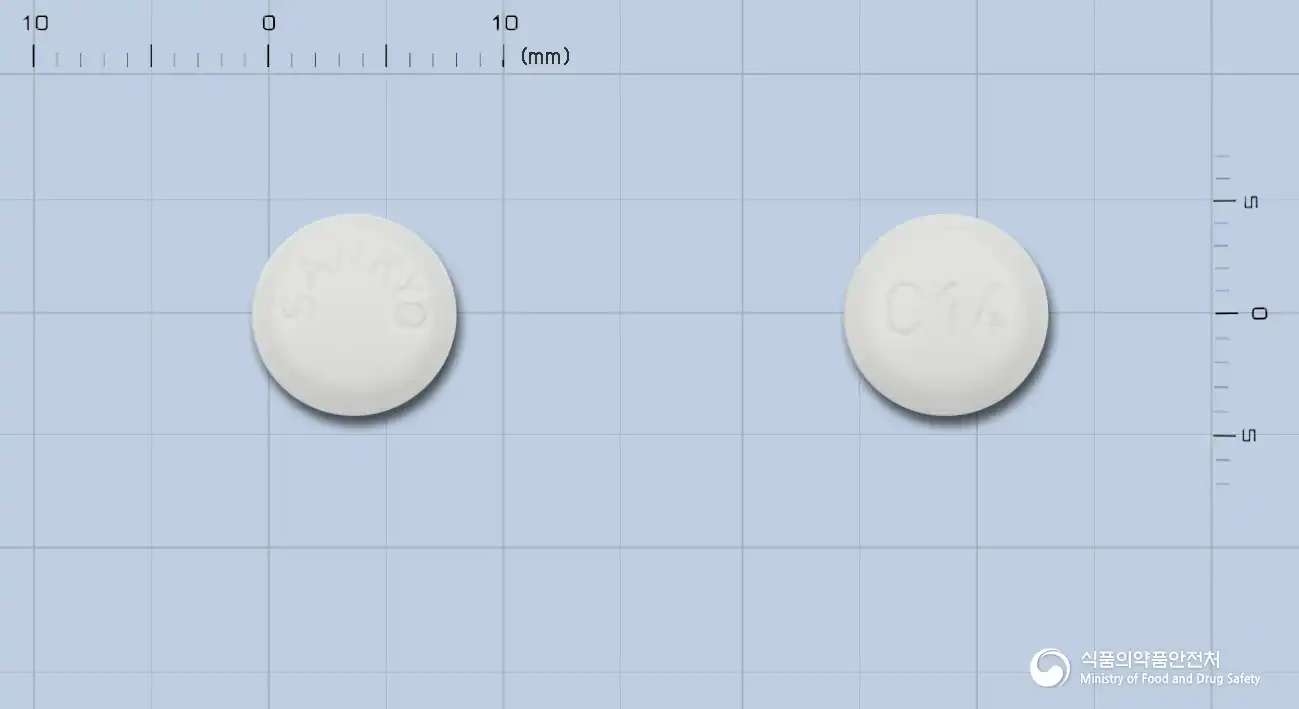
Olmesartan Medoxomil 20mg
Tablet · Prescription medication
Daewoong Pharmaceutical Co., Ltd.
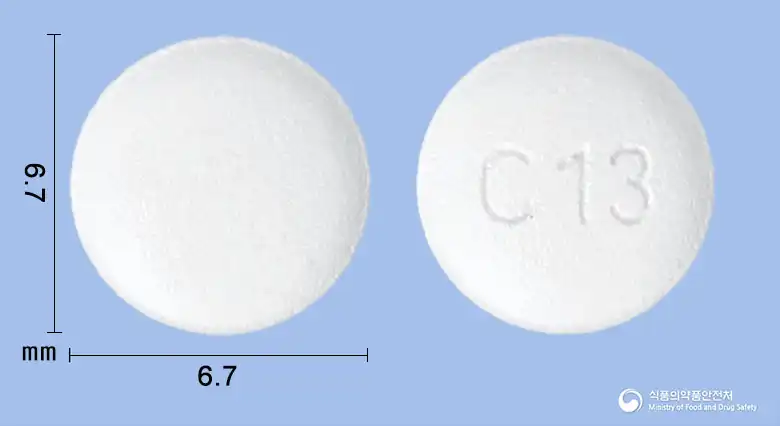
Olmesartan Medoxomil 10mg
Tablet · Prescription medication
Daewoong Pharmaceutical Co., Ltd.
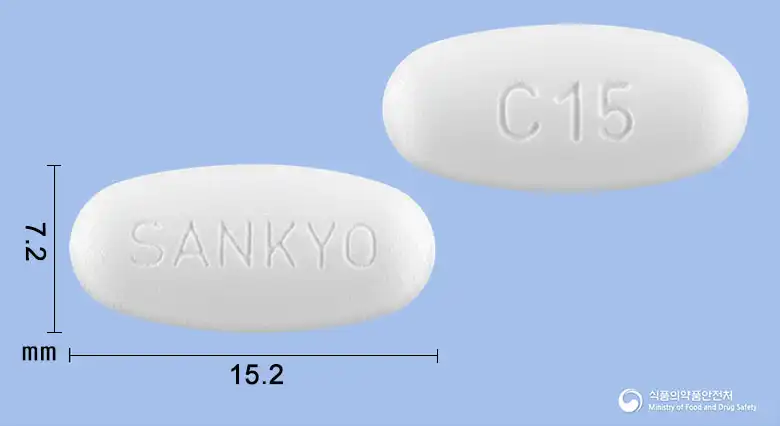
Olmesartan Medoxomil 40mg
Tablet · Prescription medication
Daewoong Pharmaceutical Co., Ltd.
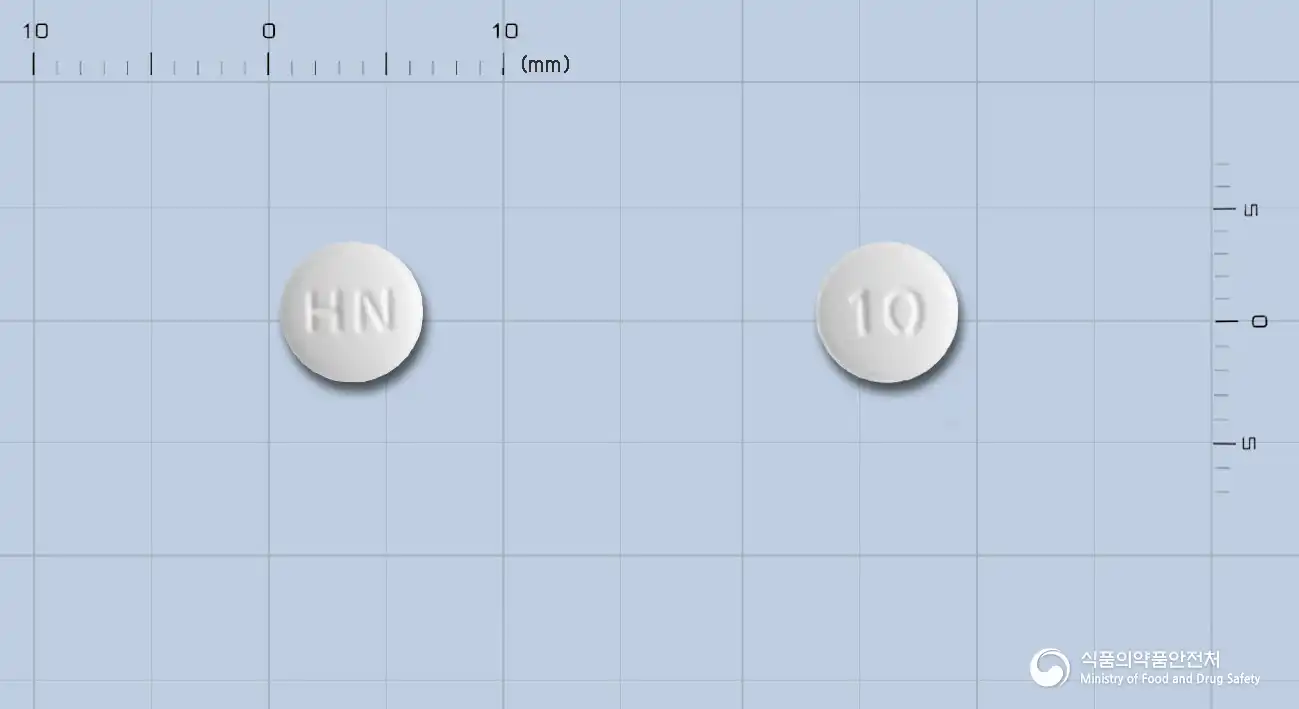
Olmesartan Medoxomil 10mg
Tablet · Prescription medication
Hana Pharmaceutical Co., Ltd.
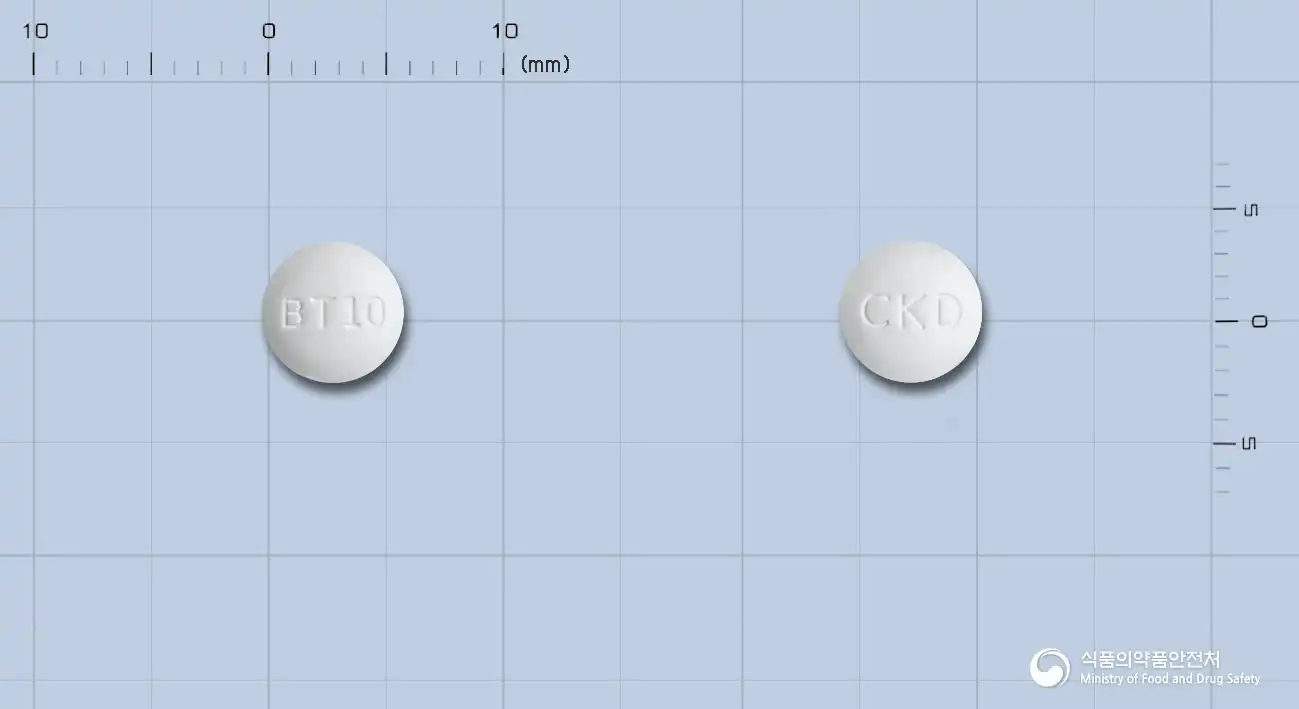
Olmesartan Medoxomil 10mg
Tablet · Prescription medication
Jongkeundang Co., Ltd.
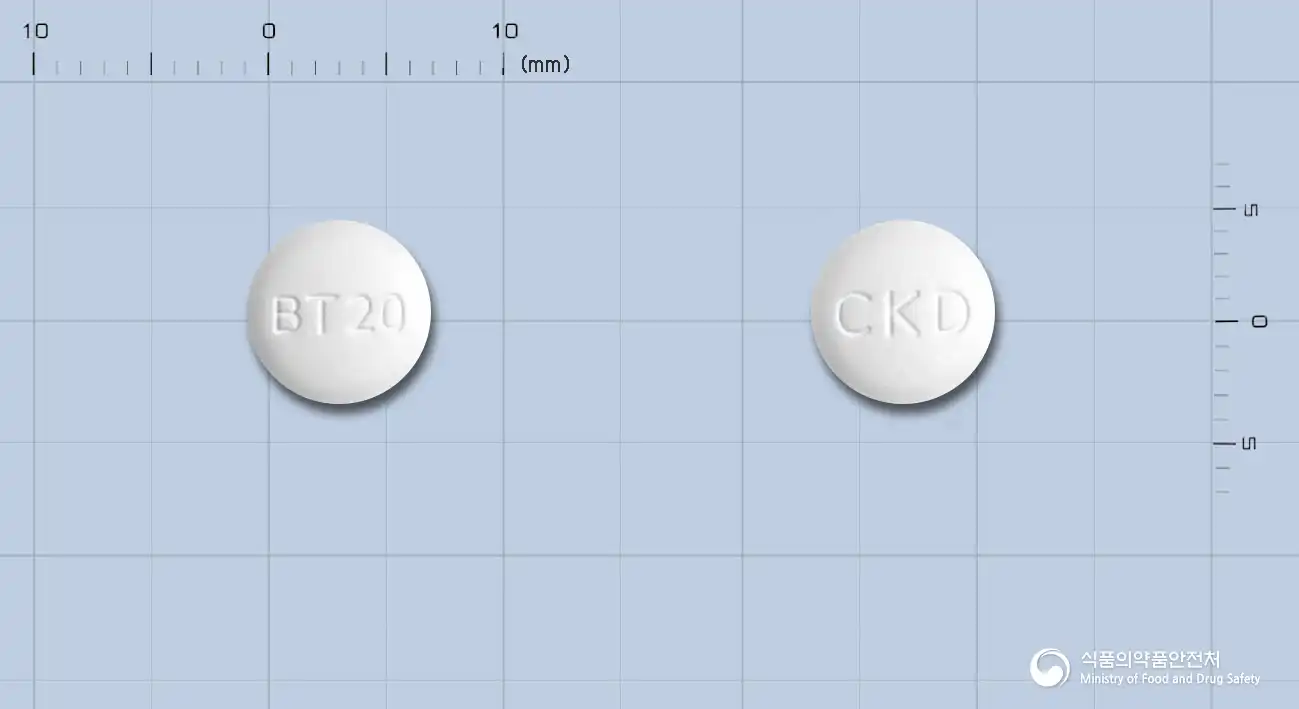
Olmesartan Medoxomil 20mg
Tablet · Prescription medication
Jongkundang Co., Ltd.
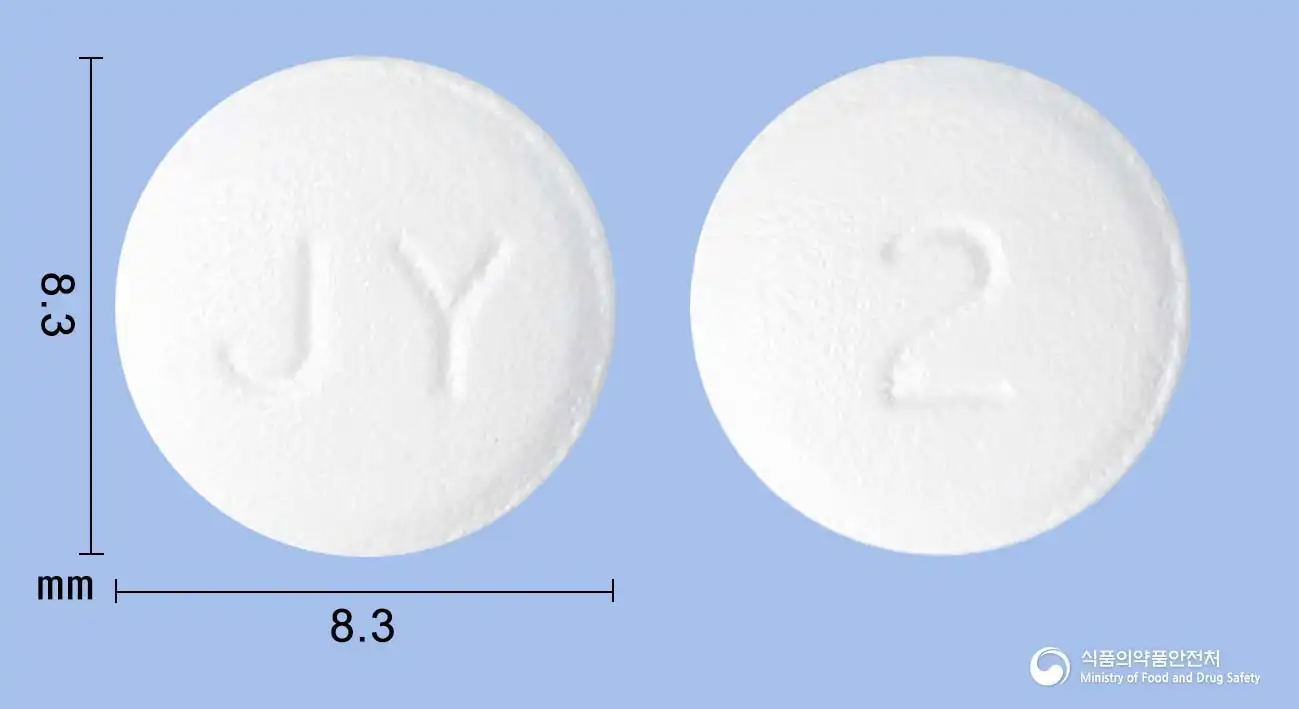
Olmesartan Medoxomil 20mg
Tablet · Prescription medication
Jinyang Pharmaceutical Co., Ltd.
Even with the same ingredient, the dose and directions can differ by strength and dosage form. Talk to a doctor or pharmacist before switching from a medication you are already taking.
No questions yet.
For anything that needs medical judgment, consult a doctor or pharmacist.
This drug information is based on data provided by the Korea Ministry of Food and Drug Safety.
Consult a doctor or pharmacist for accurate dosage, administration, and usage instructions.