
 한국어
한국어 English
 日本語
日本語 中文(简体)
 Viewing nowCombination
Joahwalri Tablet
Rehmannia Root 416.7mg · Angelica Gigas Root 416.7mg +12 more
Tablet · OTC medication · Combination
Joah Pharmaceutical Co., Ltd.
MFDS item code 202001216 · Notified 2020.02.20
Improvement of urinary system diseases such as bladder catarrh and urethritis
This medication is used to treat urinary infection symptoms such as cystitis and urethritis, as well as edema caused by kidney diseases and nephritic syndrome.
For average adults, take 3 to 6 tablets at a time, twice a day (morning and evening).
For ages 7 to 14, take 2 to 3 tablets at a time, twice a day (morning and evening).
This medication should not be taken by children under 6 years of age or by women who are pregnant or may become pregnant. The rhubarb component contained in this medication can stimulate the uterus and increase the risk of miscarriage or preterm delivery. Additionally, it is best for breastfeeding women to avoid taking this medication, as the rhubarb component can be passed into breast milk and cause diarrhea in infants. This medication contains lactose, so individuals with lactose intolerance or certain genetic metabolic disorders should avoid taking it. It is also advisable to avoid taking it with other medications that induce diarrhea. Individuals with high blood pressure, heart or kidney diseases, or swelling should consult a physician or pharmacist before taking this medication. Patients who experience diarrhea or loose stools, or have weak stomachs, loss of appetite, nausea, or vomiting should also exercise caution. Those who have previously experienced a skin rash or itching due to medication, individuals currently taking other medications, and elderly patients should consult a professional before taking it for safety. If symptoms such as decreased urine output, severe swelling of the face or limbs (edema), high blood pressure, or headache occur while taking this medication, it should be discontinued immediately and professional advice sought. Long-term use may lead to side effects such as hypokalemia or muscle weakness, necessitating regular check-ups. This medication must be taken according to the prescribed dosage, and long-term use should be avoided in principle. It is especially important not to take stimulant laxatives continuously for more than one week due to the risk of tolerance. If children are to take this medication, they should do so under the supervision of a guardian. Furthermore, precaution should be taken when combined with potassium-containing preparations or specific diuretics due to an increased risk of side effects. When storing, keep in a cool place away from direct sunlight and humidity, out of reach of children. It is safest to store the medication in its original container tightly sealed.
Decreased urine output, severe swelling of the face or limbs (edema), elevated blood pressure, paralysis
Not everyone experiences these, and they can vary from person to person.
This medication must be stored in a tightly sealed container to protect it from air and moisture. It is important to maintain a storage temperature between 1 degree and 30 degrees Celsius at room temperature. Maintaining storage conditions in this way can help preserve the medication's effectiveness and safety for a longer period.
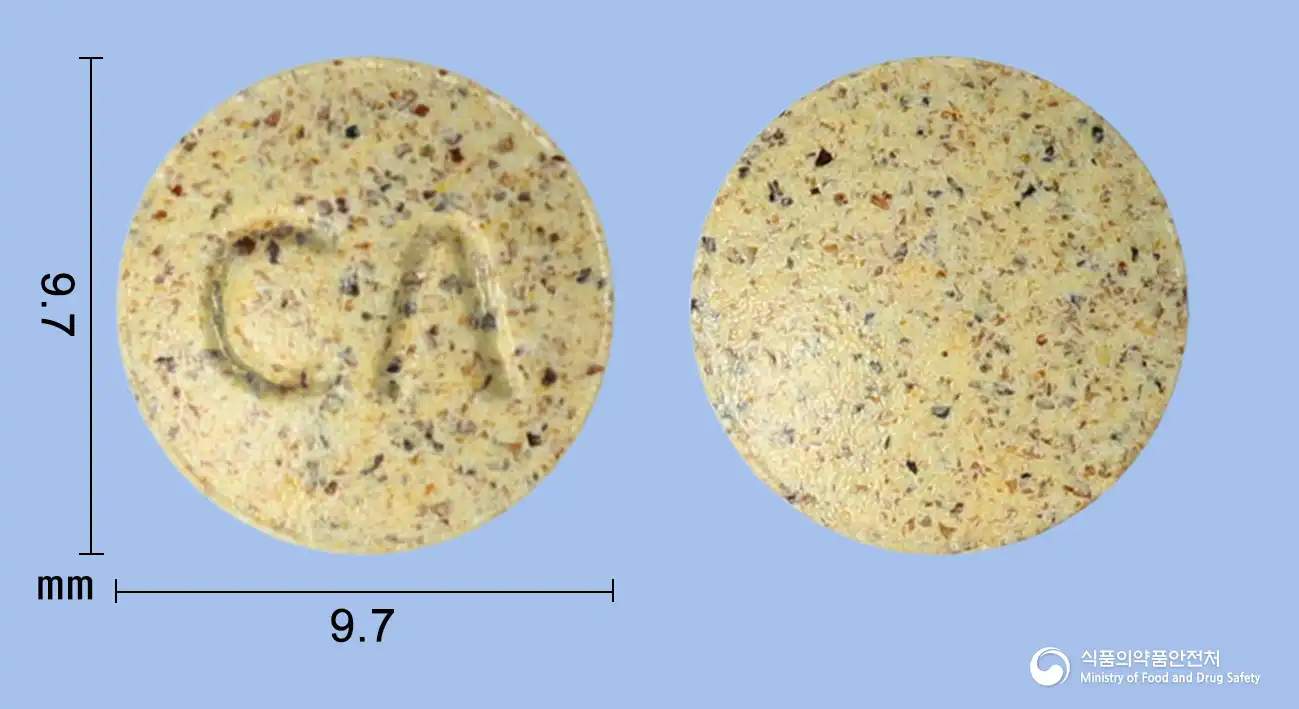
Brownish-yellow, round film-coated tablet
30 tablets/PTP [10 tablets/PTP x 3EA], 50 tablets/PTP [10 tablets/PTP x 5EA]
Even with the same ingredient, strength, dosage form and how it is taken can differ.
Viewing nowCombinationRehmannia Root 416.7mg · Angelica Gigas Root 416.7mg +12 more
Tablet · OTC medication · Combination
Joah Pharmaceutical Co., Ltd.
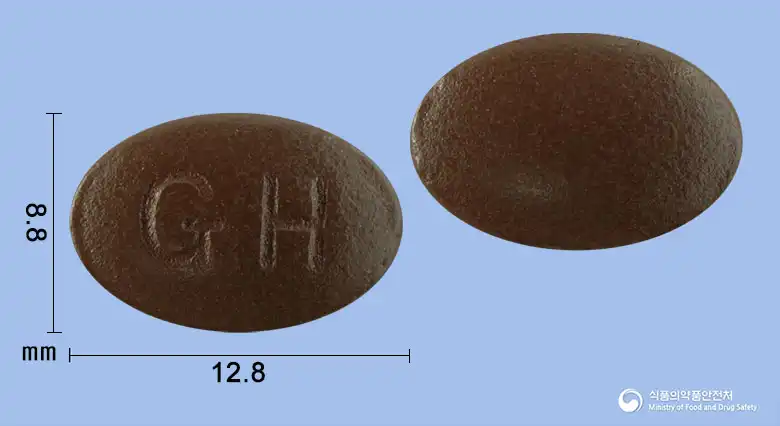 Combination
Rehmannia Root 416.7mg · Angelica Gigas Root 416.7mg +12 more
Tablet · OTC medication · Combination
(Y) Hanpung Pharmaceutical
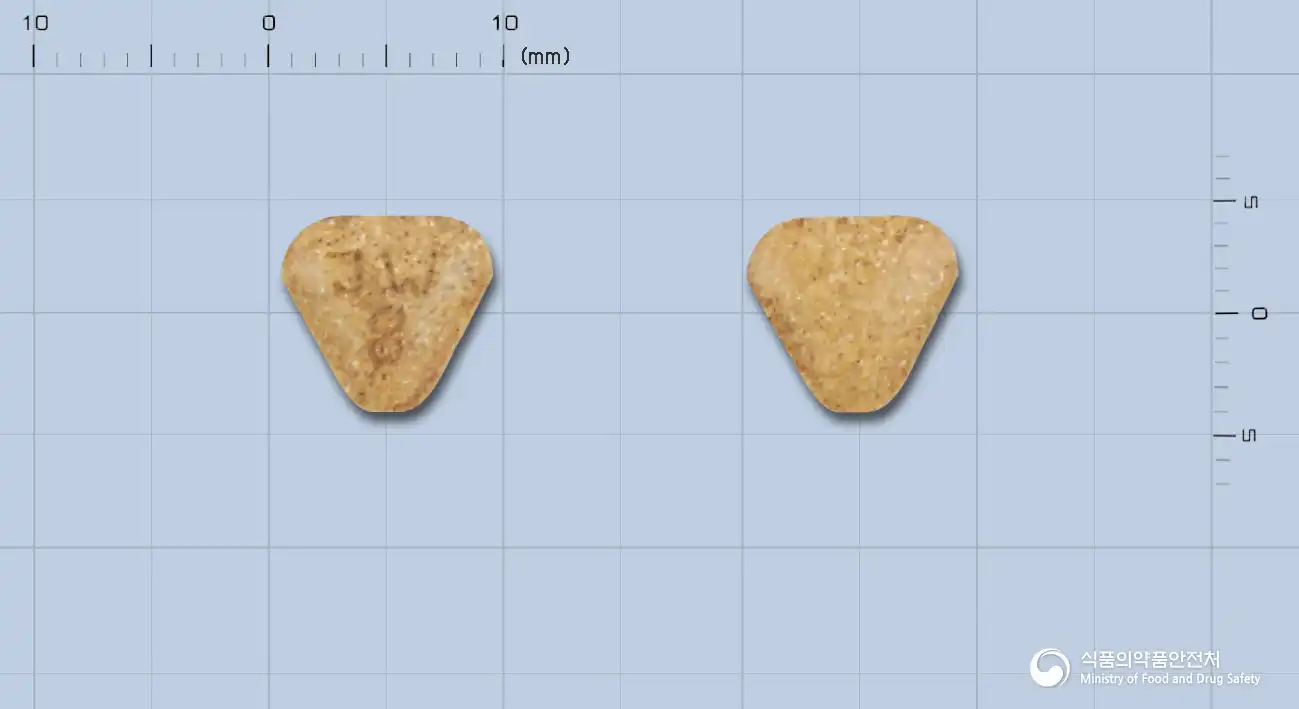 Combination
Rehmannia Root 416.7mg · Angelica Gigas Root 416.7mg +12 more
Tablet · OTC medication · Combination
Jeongwoo New Drug Co., Ltd.
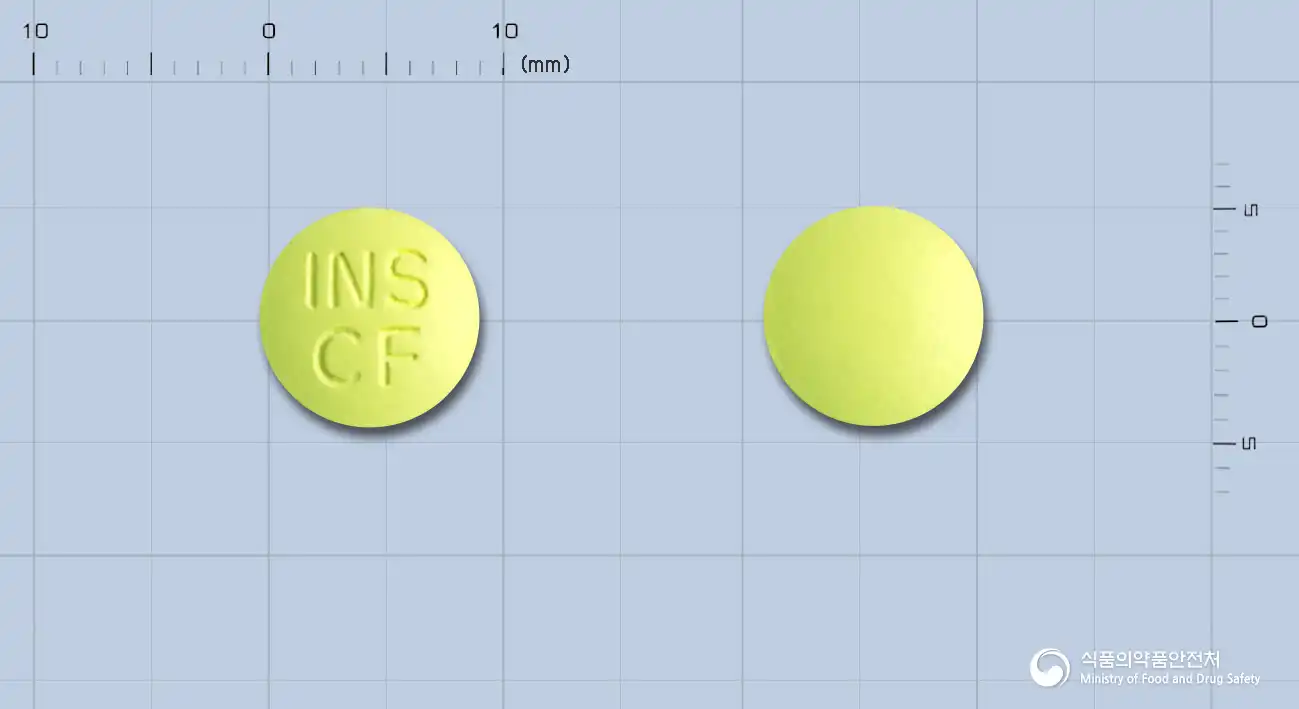 Combination
Rehmannia Root 416.7mg · Angelica Gigas Root 416.7mg +12 more
Tablet · OTC medication · Combination
JBK Lab Co., Ltd.
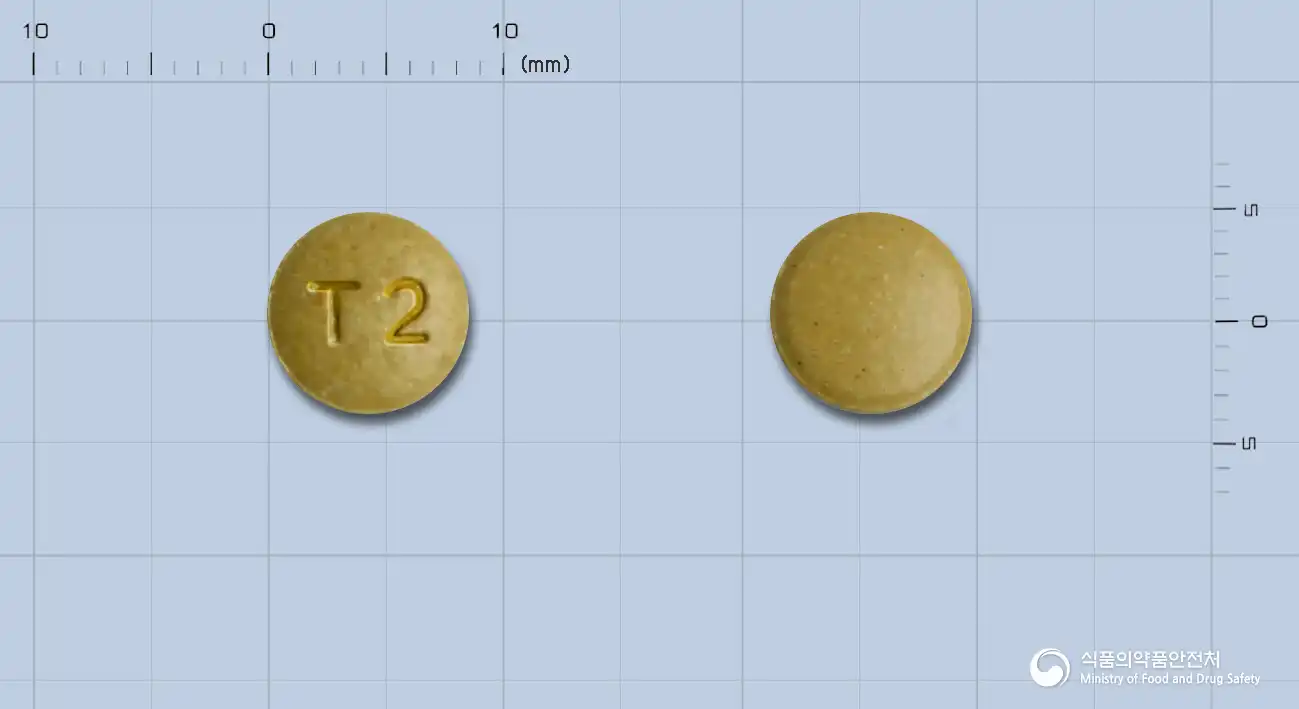 Combination
Rehmannia Root 416.7mg · Angelica Gigas Root 416.7mg +12 more
Tablet · OTC medication · Combination
Iworld Pharmaceutical Co., Ltd.
Rehmannia Root 416.7mg · Angelica Gigas Root 416.7mg +12 more
Tablet · OTC medication · Combination
Seoul Pharmaceutical Co., Ltd.
Rehmannia Root 416.7mg · Angelica Gigas Root 416.7mg +12 more
Tablet · OTC medication · Combination
Aprogen Pharmaceuticals, Co., Ltd.
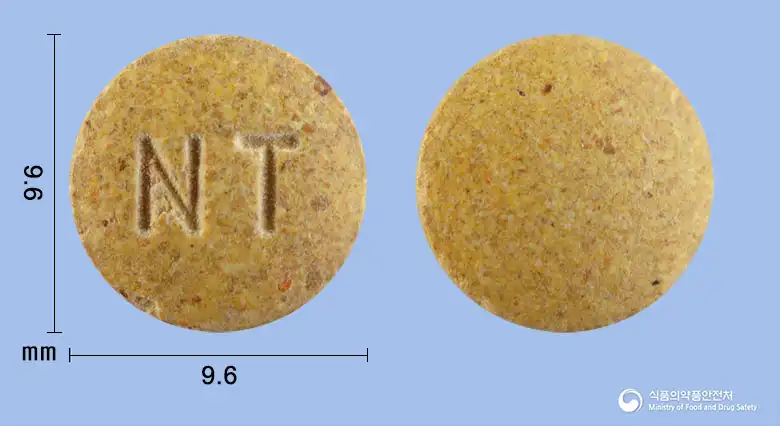 Combination
Rehmannia Root 416.7mg · Angelica Gigas Root 416.7mg +12 more
Tablet · OTC medication · Combination
Hansol Pharmaceutical Co., Ltd.
Even with the same ingredient, the dose and directions can differ by strength and dosage form. Talk to a doctor or pharmacist before switching from a medication you are already taking.
No questions yet.
For anything that needs medical judgment, consult a doctor or pharmacist.
This drug information is based on data provided by the Korea Ministry of Food and Drug Safety.
Consult a doctor or pharmacist for accurate dosage, administration, and usage instructions.