
 한국어
 English
 日本語
 中文(简体)
Dosage form image
Viewing nowMegamolopin Tablet (Amlodipine Maleate)
Amlodipine Maleate 6.42mg
Tablet · Prescription medication
LNC Bio Co., Ltd.
MFDS item code 202001202 · Approved 2020.02.20
This product's status changed to Approval withdrawn on 2024.07.02. It may no longer be sold, so consult a doctor or pharmacist before taking it.
Treatment of hypertension and myocardial ischemia (stable angina and variant angina)
This medication helps control blood pressure in patients with hypertension and is used to relieve symptoms of myocardial ischemia, such as stable angina pectoris due to fixed obstruction of the coronary artery and variant angina caused by coronary artery spasms.
Adults: The usual dose is 5 mg of amlodipine orally once daily. If symptoms do not improve within 2 ∼ 4 weeks, the dose may be increased to a maximum of 10 mg once daily, depending on the patient's response. Adjust the dose as appropriate according to symptoms.
This medication is not safe to use in specific patients. For example, individuals with allergies to this medication or similar components, pregnant or breastfeeding women, patients with severe heart problems, or those with severe liver dysfunction may face risks if they take this medication. Additionally, patients with severely impaired kidney function, elderly patients, those with heart failure, or patients with slightly impaired liver function should use this medication with caution. Common side effects when taking this medication include sensations of heat or flushing of the face, fatigue, swelling, headache, dizziness, indigestion, drowsiness, and ankle swelling. Rarely, serious side effects such as dangerously low blood pressure, heart rhythm disturbances, allergic reactions, rashes, and liver function abnormalities may occur, so if any unusual symptoms appear, one should consult a doctor immediately. Abruptly stopping this medication may worsen symptoms, so the dosage should be gradually reduced under a doctor's guidance. Additionally, due to the risk of sudden significant blood pressure drops, caution is advised when driving or operating dangerous machinery. This medication may interact with other drugs. It is particularly advisable to avoid taking it with grapefruit juice, as this can enhance the medication’s effects excessively. The safety of this medication during pregnancy or breastfeeding has not been established, so it is recommended to avoid use in such cases. The safety and efficacy of this medication in children have not been adequately verified, thus it is better not to use it in this population. In case of overdose, symptoms such as severe hypotension, heart rhythm disturbances, shock, or coma may occur, necessitating immediate hospital treatment. Keep this medication out of reach of children and avoid transferring it to other containers. When taking this medication, consume it with a sufficient amount of water, and be careful not to discontinue use arbitrarily without a doctor’s instructions.
Not everyone experiences these, and they can vary from person to person.
Store this medication in a tightly sealed container to prevent exposure to air or moisture. It is best to maintain storage temperatures between 1 to 30 degrees Celsius at room temperature. Proper storage can help maintain the medication’s effectiveness and safety for a longer period.
White octagonal tablet
200 tablets/bottle, 30 tablets (10 tablets/PTP packaging (AluAlu) x 3)
Even with the same ingredient, strength, dosage form and how it is taken can differ.
Amlodipine Maleate 6.42mg
Tablet · Prescription medication
LNC Bio Co., Ltd.
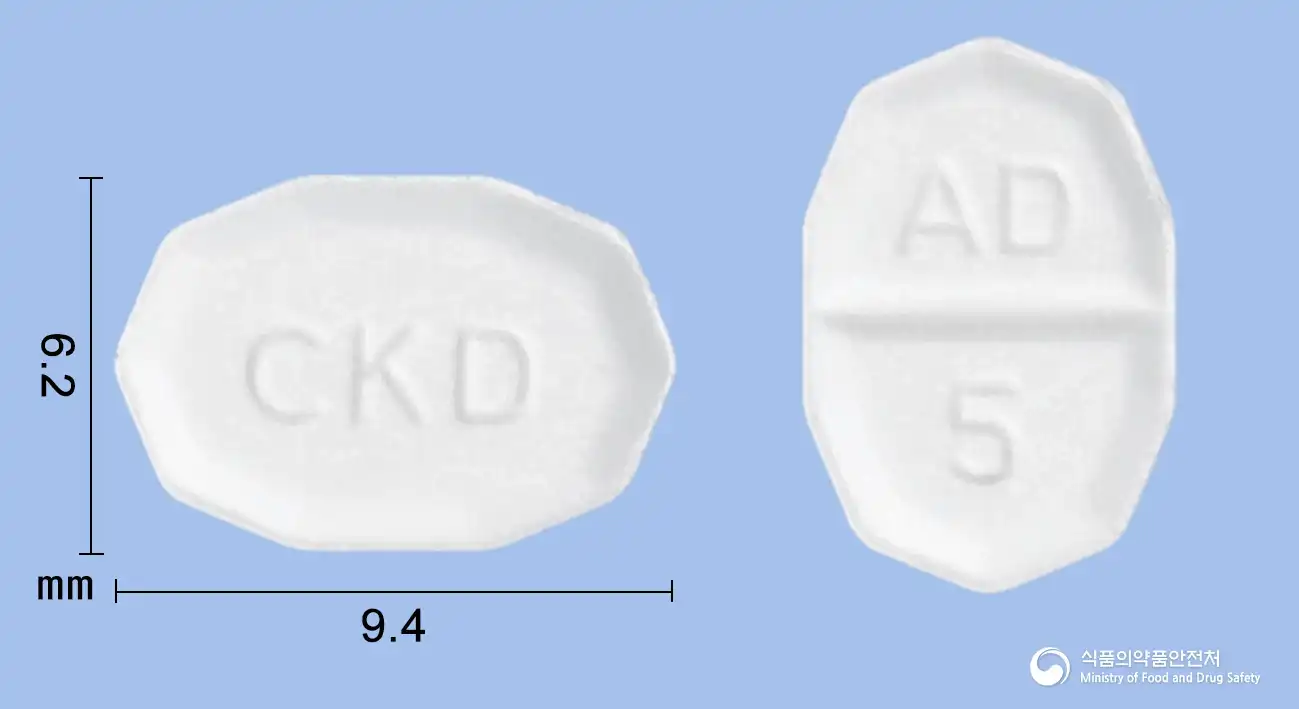
Amlodipine Maleate 6.42mg
Tablet · Prescription medication
Jongkundang Co., Ltd.
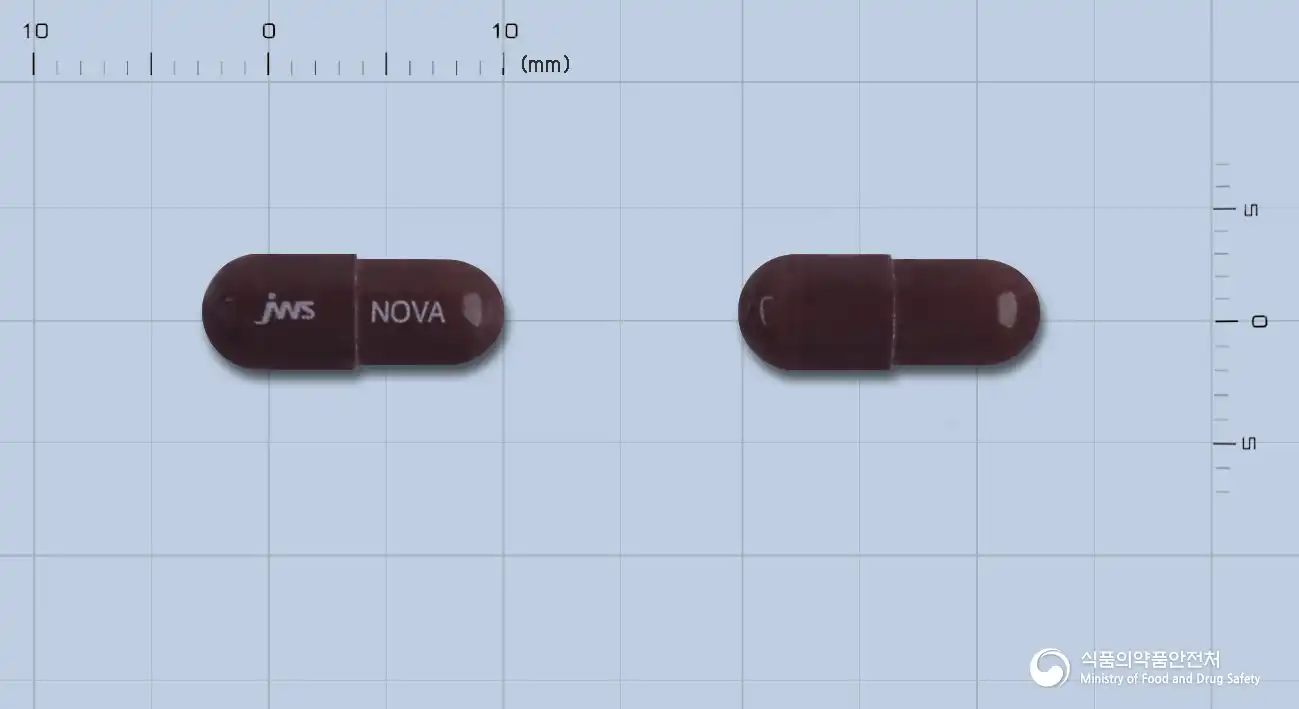
Amlodipine Maleate 6.42mg
Hard capsule · Prescription medication
JW Pharmaceutical Co., Ltd.
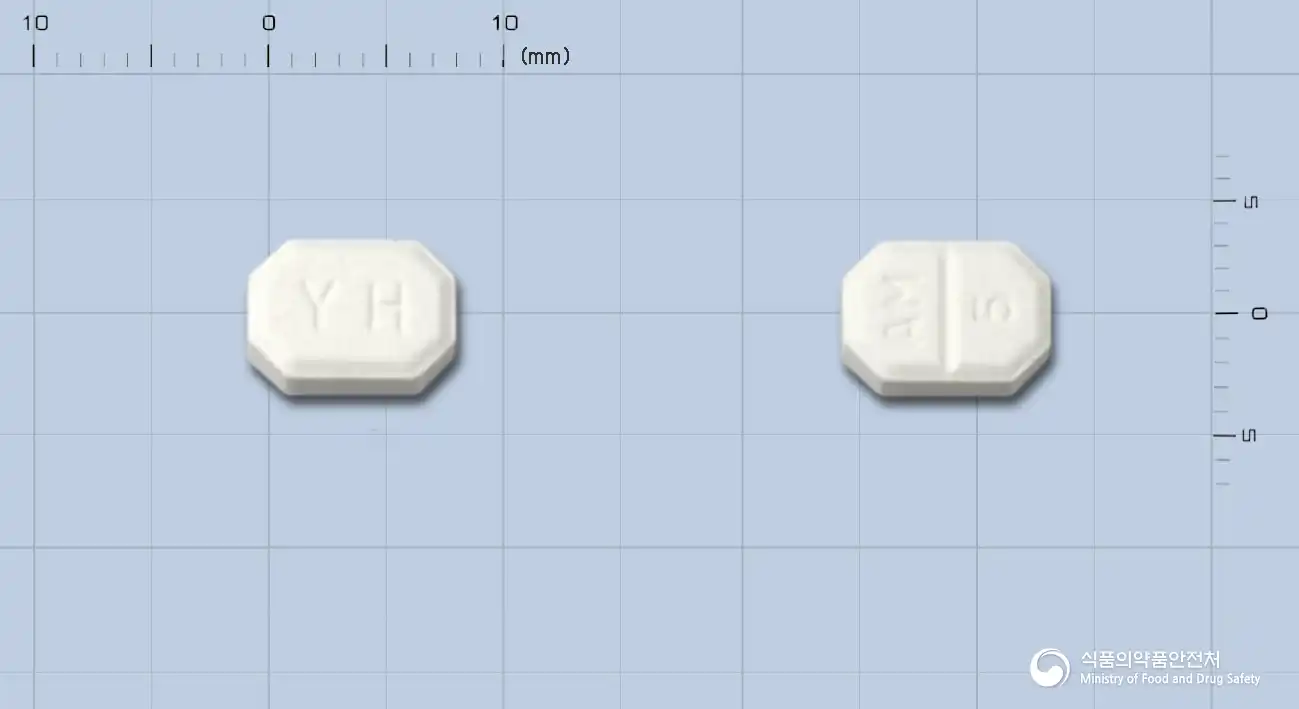
Amlodipine Maleate 6.42mg
Tablet · Prescription medication
Yuhan Corporation
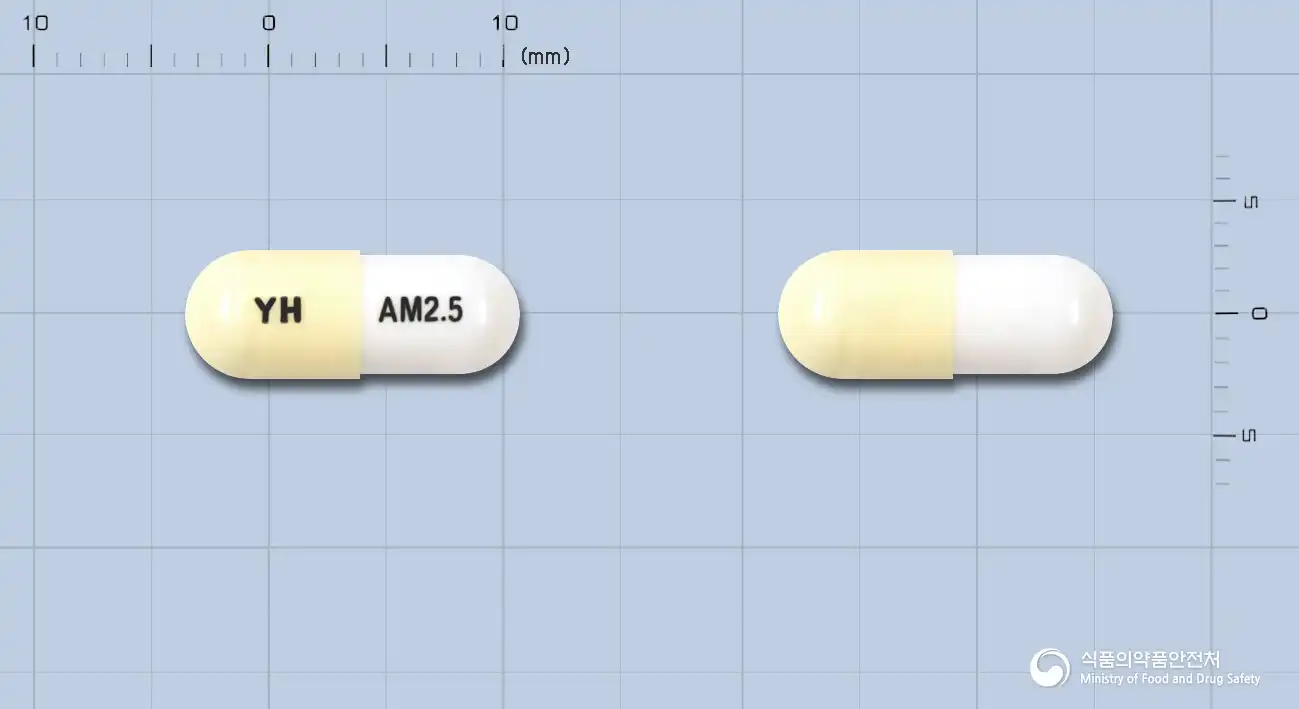
Amlodipine Maleate 3.21mg
Hard capsule · Prescription medication
Yuhan Corporation
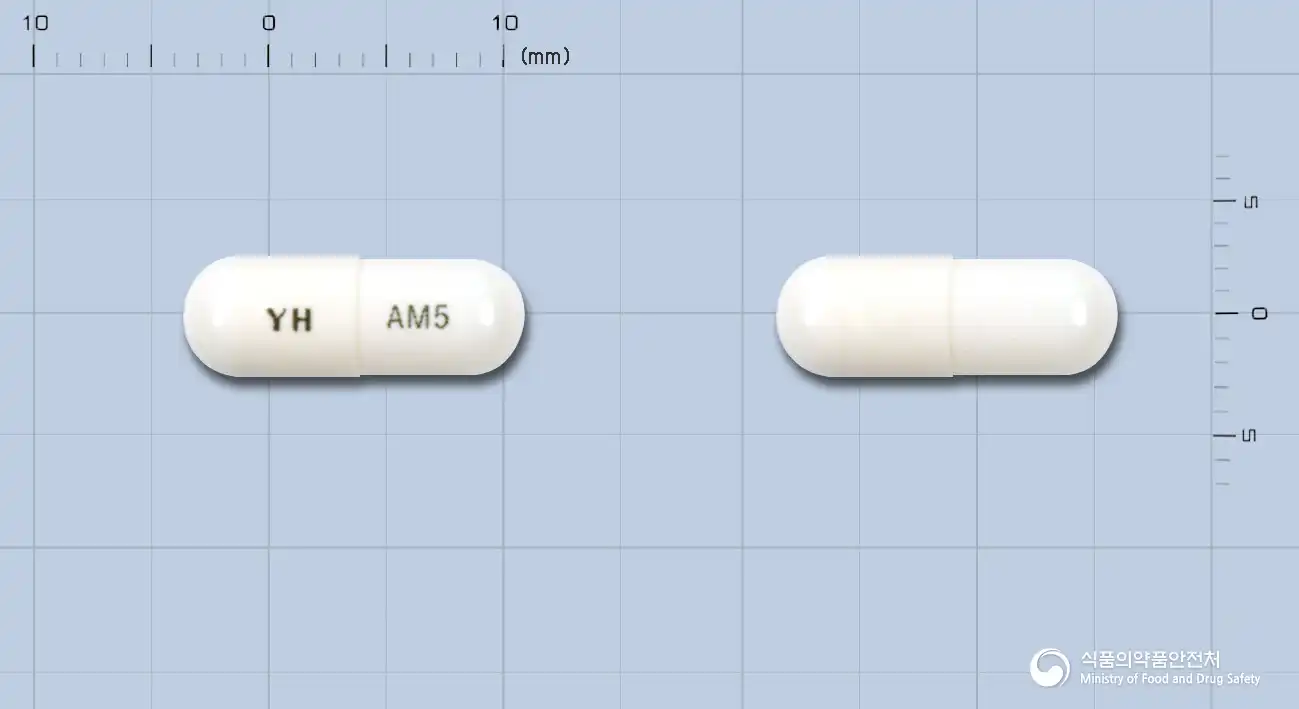
Amlodipine Maleate 6.42mg
Hard capsule · Prescription medication
Yuhan Corporation
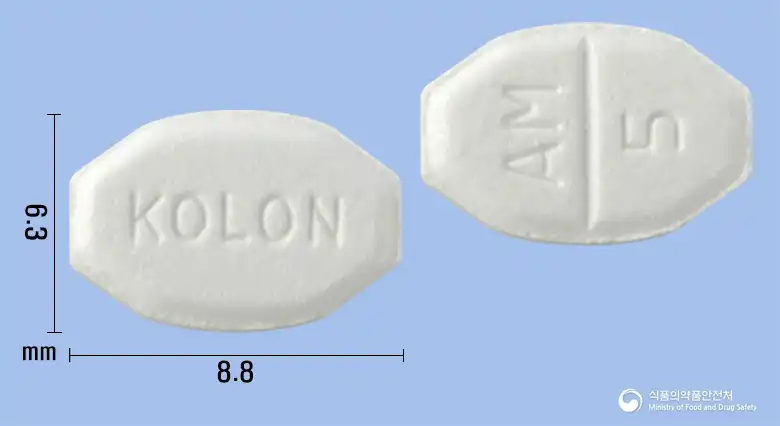
Amlodipine Maleate 6.42mg
Tablet · Prescription medication
KOLON Pharmaceutical Co., Ltd.
Amlodipine Maleate
Prescription medication
SK Chemicals Co., Ltd.
Even with the same ingredient, the dose and directions can differ by strength and dosage form. Talk to a doctor or pharmacist before switching from a medication you are already taking.
No questions yet.
For anything that needs medical judgment, consult a doctor or pharmacist.
This drug information is based on data provided by the Korea Ministry of Food and Drug Safety.
Consult a doctor or pharmacist for accurate dosage, administration, and usage instructions.