
 한국어
한국어 English
 日本語
日本語 中文(简体)
 Viewing nowCombination
Parens Enteric-Coated Tablets
Pyridoxine Hydrochloride 10mg · Doxylamine Succinate 10mg
Tablet · Prescription medication · Combination
GL Pharma Co., Ltd.
MFDS item code 202001013 · Notified 2020.02.14 · Insurance code 649702700
Effect in controlling nausea and vomiting in pregnant women
This medication is used to control nausea and vomiting in pregnant women who do not respond to conservative therapy.
This medication should be taken on an empty stomach with water. This medication should be swallowed whole. It should not be crushed, cut, or chewed. Initial dose: 2 tablets once daily before bedtime (first day). If symptoms are adequately controlled the next day, continue taking 2 tablets once daily before bedtime. If symptoms persist until the afternoon of the second day, take 2 tablets before bedtime on the second day and 3 tablets on the third day (1 tablet in the morning, 2 tablets before bedtime).
This medication should not be used in certain patients. Those allergic to this medication, its ingredients, or similar antihistamines should not take it. Patients at risk of asthma attacks, those with high intraocular pressure due to glaucoma, patients with gastrointestinal narrowing from peptic ulcers, patients with obstructions between the stomach and duodenum, and patients with bladder outlet obstruction should not use this medication. Furthermore, patients taking monoamine oxidase inhibitors should avoid this medication as it may exacerbate central nervous system side effects. It is also safer for patients allergic to soybean oil, soy, and peanuts not to take this medication. Patients with severe vomiting during pregnancy or with liver and kidney function issues should use this medication cautiously. Additionally, caution is advised when taking this medication with alcohol or central nervous system depressants such as sedatives and tranquilizers. Patients with lipid metabolism disorders or those using other medications with high-fat formulations should also be careful. Taking this medication may cause drowsiness; therefore, it is advisable to avoid activities requiring concentration, such as driving or operating machinery. Using this medication with alcohol or other central nervous system depressants may increase drowsiness, heightening the risk of falls and accidents. Taking it with food may reduce its effectiveness, so it is recommended to take it on an empty stomach with water. This medication can cause various side effects. Drowsiness, dizziness, headache, abdominal pain, constipation, diarrhea, skin rash, and itching have been reported, and in severe cases, symptoms such as difficulty breathing, palpitations, blurred vision, and urinary difficulties may occur. Special caution is required particularly when taking it with central nervous system depressants due to an increased risk of accidents. Although this medication is known not to increase the risk of congenital malformations during pregnancy, its safety has not been fully established, so it should be taken after consulting a professional. During breastfeeding, this medication is excreted into breast milk and may affect the baby, so discontinuation of breastfeeding is recommended. The safety and efficacy of this medication have not been established in children under 18 years of age, and serious side effects and fatalities have been reported with overdose, necessitating special caution. In cases of overdose, symptoms may include dry mouth, pupil dilation, drowsiness, dizziness, mental confusion, rapid heartbeat, and in severe cases, seizures, renal failure, or death may occur, requiring immediate medical attention.
Difficulty breathing, chest tightness
Not everyone experiences these, and they can vary from person to person.
This medication should be stored in a sealed container to protect it from air and moisture. It is advisable to maintain storage temperature between 15 and 30 degrees Celsius.
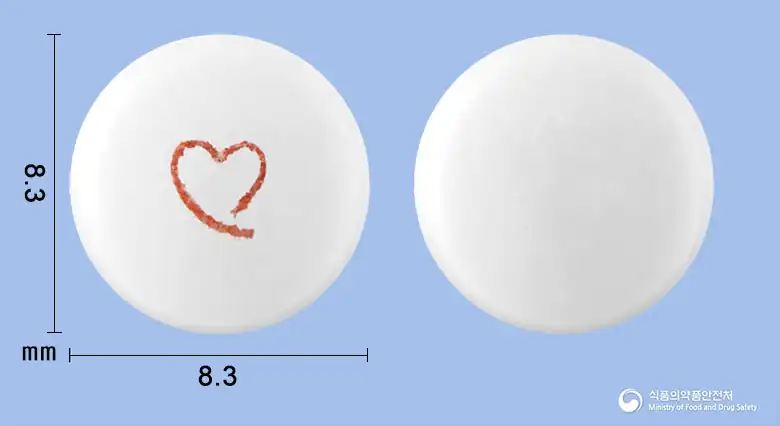
Round white enteric-coated tablet with a red heart design embossed on one side
Company packaging unit - 30 tablets/bottle, Company packaging unit - 100 tablets/bottle
Even with the same ingredient, strength, dosage form and how it is taken can differ.
Viewing nowCombinationPyridoxine Hydrochloride 10mg · Doxylamine Succinate 10mg
Tablet · Prescription medication · Combination
GL Pharma Co., Ltd.
Pyridoxine Hydrochloride 10mg · Doxylamine Succinate 10mg
Tablet · Prescription medication · Combination
Kyungdong Pharm. Co., Ltd.
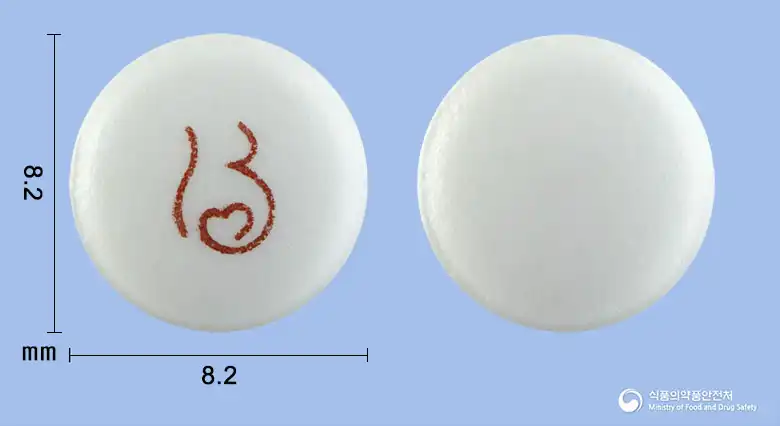 Combination
Pyridoxine Hydrochloride 10mg · Doxylamine Succinate 10mg
Tablet · Prescription medication · Combination
Shinpoong Pharmaceutical Co., Ltd.
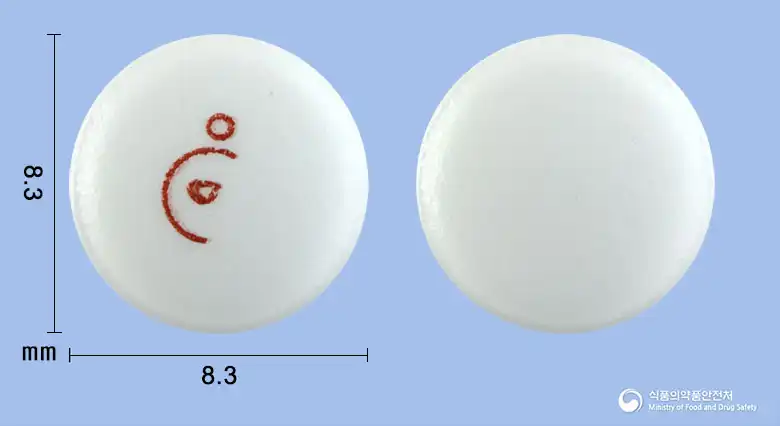 Combination
Pyridoxine Hydrochloride 10mg · Doxylamine Succinate 10mg
Tablet · Prescription medication · Combination
Boryung Biopharma Co., Ltd.
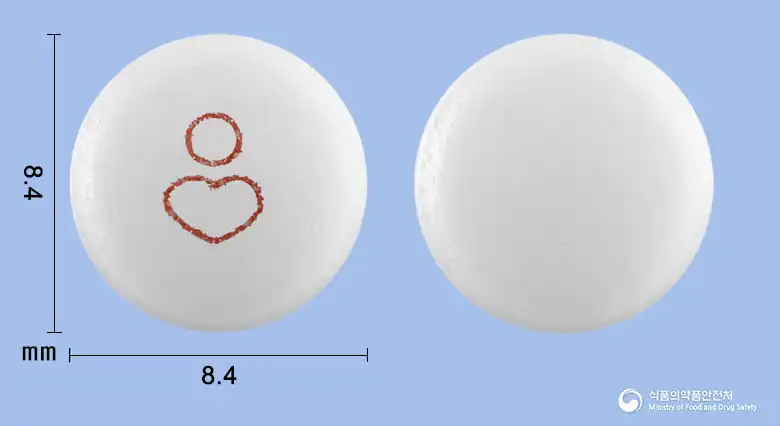 Combination
Pyridoxine Hydrochloride 10mg · Doxylamine Succinate 10mg
Tablet · Prescription medication · Combination
Hanwha Pharmaceutical Co., Ltd.
Pyridoxine Hydrochloride 10mg · Doxylamine Succinate 10mg
Tablet · Prescription medication · Combination
The U Pharmaceutical Co., Ltd.
Even with the same ingredient, the dose and directions can differ by strength and dosage form. Talk to a doctor or pharmacist before switching from a medication you are already taking.
No questions yet.
For anything that needs medical judgment, consult a doctor or pharmacist.
This drug information is based on data provided by the Korea Ministry of Food and Drug Safety.
Consult a doctor or pharmacist for accurate dosage, administration, and usage instructions.