
 한국어
한국어 English
 日本語
日本語 中文(简体)
Dosage form image
Viewing nowHylevo Injection (Levofloxacin Hydrate)
Levofloxacin Hydrate 5.1216mg
Injections · Prescription medication
Dasan Pharmaceutical Co., Ltd.
MFDS item code 202000924 · Notified 2020.02.13
Treatment of community-acquired pneumonia, complicated urinary tract infections, etc.
This medication is effective against various bacteria, including Enterococcus, Staphylococcus aureus, Streptococcus pneumoniae, and Escherichia coli. It is primarily used for community-acquired pneumonia, acute pyelonephritis, complicated urinary tract infections, complex skin and soft tissue infections, acute sinusitis, and acute bacterial exacerbations of chronic bronchitis. However, due to the nature of fluoroquinolone antibiotics, serious adverse reactions may occur. Therefore, it is recommended to use this medication only in cases where no alternative treatment is available for acute sinusitis, acute exacerbations of chronic bronchitis, and complex skin and soft tissue infections. Thus, this medication is effective for the treatment of various bacterial infections and is used cautiously to improve the patient's condition.
Administered via intravenous drip 1 to 2 times a day. The dosage is determined based on the type of infection, severity of infection, and susceptibility of the causative bacteria. After the first few days of intravenous administration, it may be switched to oral medication based on the patient's condition. The oral dosage is the same as the intravenous dosage. The treatment period should continue for at least 48 to 72 hours after the patient is afebrile or evidence of sterilization is obtained. The administration method is via intravenous drip infusion, once or twice a day, for a maximum of 14 days.
This medication is a fluoroquinolone antibiotic used for the treatment of specific bacterial infections. However, it can cause severe damage to tendons such as tendonitis or tendon rupture; if these symptoms occur, use should be immediately discontinued. Additionally, peripheral neuropathy or central nervous system symptoms, as well as exacerbation of myasthenia gravis may occur; if such symptoms develop, medical consultation should be sought immediately. It is safer not to use this medication in patients with myasthenia gravis. During administration, it is important to adhere to the intravenous infusion rate, as rapid infusion may lead to hypotension or cardiac issues. Co-administration of corticosteroids increases the risk of tendon damage, so it should be avoided. Allergic reactions may include skin rashes, hives, and difficulty breathing, thus treatment should be discontinued immediately if abnormal symptoms arise. Gastrointestinal symptoms may include nausea, diarrhea, and abdominal pain, with rare reports of gastroenteritis or hypoglycemia. Neurological side effects may include headache, dizziness, insomnia, and seizures, requiring caution. Cardiac-related side effects may include tachycardia, hypotension, and, rarely, cardiac rhythm disturbances. Diabetic patients requiring blood sugar control should carefully monitor blood sugar changes while taking this medication. It should not be used in pregnant or breastfeeding women, growing children, or adolescents, and elderly patients with reduced kidney function may require dose adjustment. This medication may interact with other drugs; therefore, it is essential to inform healthcare providers of any medications being taken. In cases of overdose, central nervous system symptoms and cardiac abnormalities may arise, necessitating immediate medical attention. This medication may cause photosensitivity; thus, exposure to strong sunlight or ultraviolet light should be avoided. Dizziness or drowsiness may occur when driving or operating machinery, so caution is needed. The duration of use of this medication should be limited to the minimum required for infection treatment to prevent the emergence of resistant bacteria.
Hives, severe swelling (angioedema), chest tightness, difficulty breathing, cold sweat, pallor, severe allergic reactions, severe rashes with fever, blisters, skin peeling, pain of mucous membranes of the mouth/eyes, severe skin reactions, difficulty breathing, asthma attacks, respiratory problems combined with cough and fever, yellowing of the skin or eyes (jaundice), extreme lethargy, liver abnormalities, sudden and severe headache
Not everyone experiences these, and they can vary from person to person.
This medication is sensitive to light and should be stored in a tightly sealed container that prevents light exposure. It is recommended to maintain a storage temperature between 1 degree and 30 degrees Celsius.
A colorless and transparent vial containing a clear yellow liquid with a light green hue
100mL/vial × 10
Even with the same ingredient, strength, dosage form and how it is taken can differ.
Levofloxacin Hydrate 5.1216mg
Injections · Prescription medication
Dasan Pharmaceutical Co., Ltd.
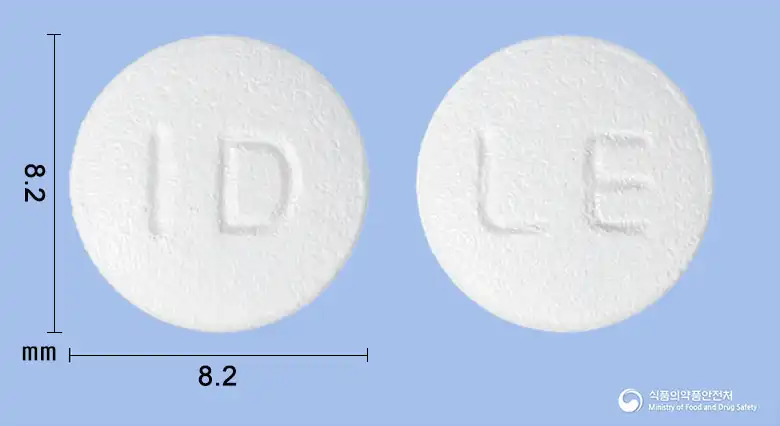
Levofloxacin Hydrate 100mg
Tablet · Prescription medication
Ildong Pharmaceutical Co., Ltd.
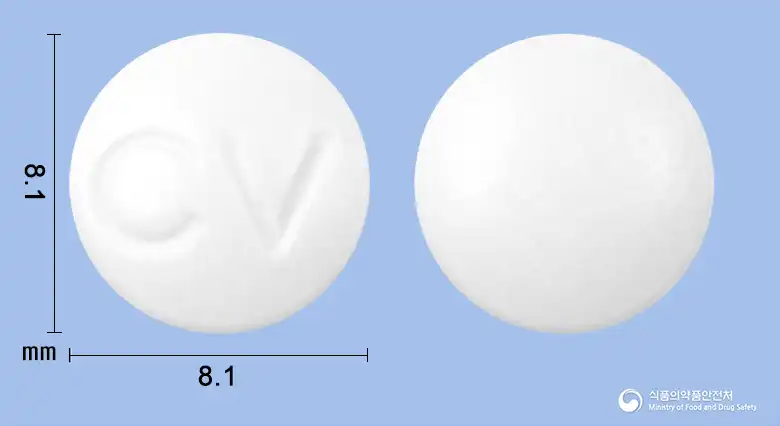
Levofloxacin 100mg
Tablet · Prescription medication
Jeil Pharmaceutical Co., Ltd.
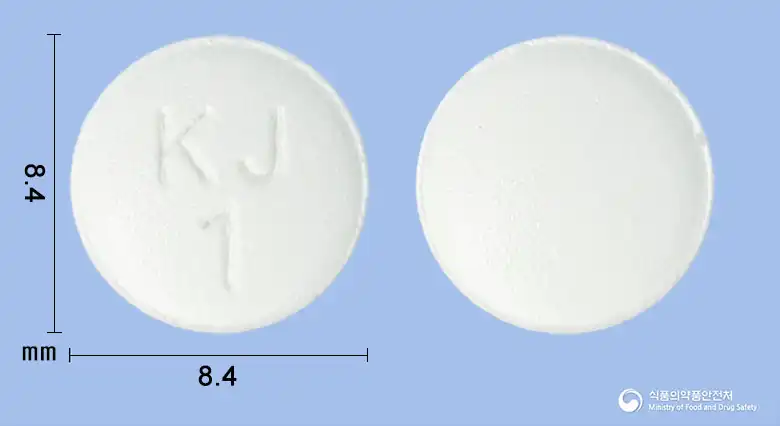
Levofloxacin Hydrate 100mg
Tablet · Prescription medication
International Pharmaceuticals Co., Ltd.
Levofloxacin 5.1246mg
Prescription medication
Jeil Pharmaceutical Co., Ltd.
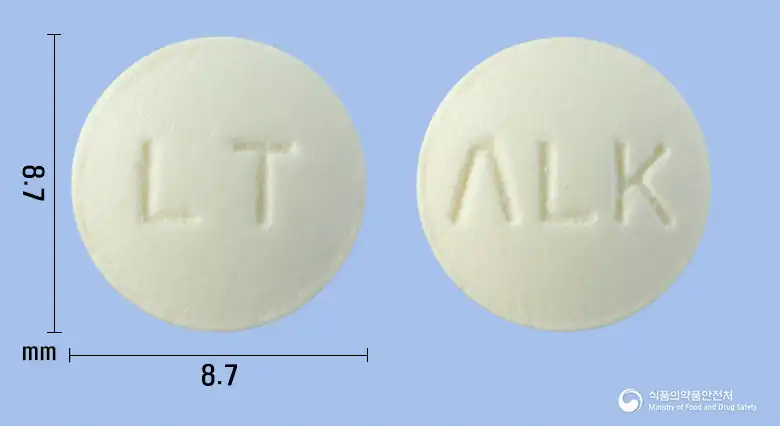
Levofloxacin Hydrate 100mg
Tablet · Prescription medication
SS Pharm Co., Ltd.
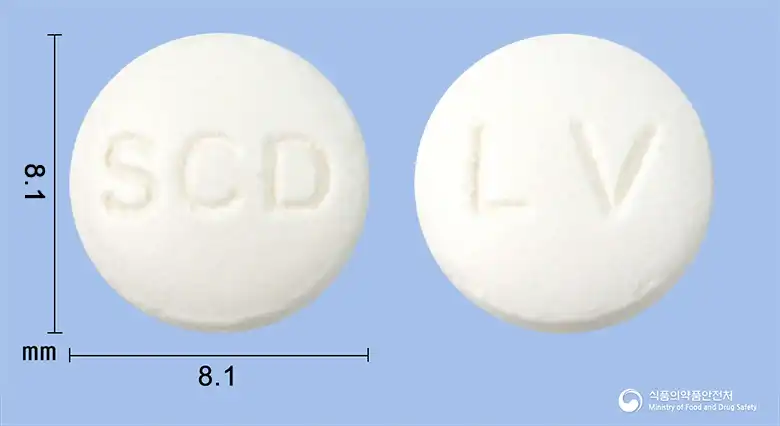
Levofloxacin Hydrate 102.49mg
Tablet · Prescription medication
Samchundang Pharmaceutical Co., Ltd.
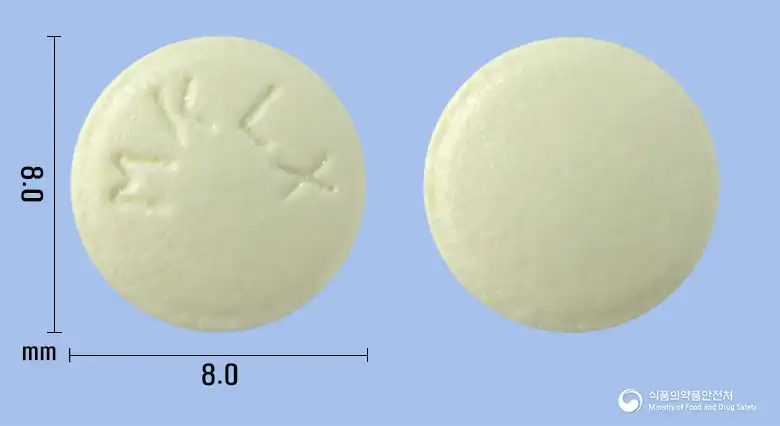
Levofloxacin Hydrate 100mg
Tablet · Prescription medication
Medica Korea Co., Ltd.
Even with the same ingredient, the dose and directions can differ by strength and dosage form. Talk to a doctor or pharmacist before switching from a medication you are already taking.
No questions yet.
For anything that needs medical judgment, consult a doctor or pharmacist.
This drug information is based on data provided by the Korea Ministry of Food and Drug Safety.
Consult a doctor or pharmacist for accurate dosage, administration, and usage instructions.