
 한국어
 English
 日本語
 中文(简体)
Dosage form image
Viewing nowNatobase 75 mg (Naftopidil)
Naftopidil 75mg
Tablet · Prescription medication
Aprogen Biologics, Co., Ltd.
MFDS item code 202000824 · Approved 2020.02.11
This product's status changed to Expired on 2025.02.11. It may no longer be sold, so consult a doctor or pharmacist before taking it.
Improvement of urinary symptoms caused by benign prostatic hyperplasia
Used to relieve urinary disorder symptoms caused by benign prostatic hyperplasia.
In adults, initiate treatment with naftopidil 25mg once daily. If the effect is insufficient, gradually increase the dose to 50~75mg at intervals of 1~2 weeks, and administer orally once daily after a meal. Adjust the dose as appropriate according to symptoms; the maximum daily dose is 75mg.
This medication should not be taken by individuals who have previously had allergic reactions to any of its components. Additionally, this medication contains lactose; individuals with a genetic issue that inhibits lactose digestion should not take it. Those with liver function impairment should be cautious as blood concentration levels may increase when taking this medication. Individuals with severe heart disease or cerebrovascular disorders may have limited experience with this medication, so they should take it carefully. Older adults may have reduced liver function, increasing the risk of prolonged drug retention in the body and elevated blood concentrations, necessitating caution. Those taking antihypertensive drugs should consult their doctor for adjustment, as blood pressure may drop too low. Individuals with orthostatic hypotension should be careful as dizziness or fainting may occur when taking this medication. During the course of this medication, side effects such as dizziness, lightheadedness, low blood pressure, and gastrointestinal discomfort may manifest; if symptoms are severe, consult medical personnel immediately. If liver dysfunction or jaundice symptoms occur, discontinue use and seek appropriate treatment. Overdosing on this medication can lead to excessively low blood pressure, so the prescribed dosage must be strictly observed. When starting the medication or significantly increasing the dose, dizziness or lightheadedness may worsen; avoid hazardous activities such as working at heights or driving. Before taking this medication, inform your doctor about any other antihypertensive medications you are taking and closely monitor blood pressure changes. Particularly when taking diuretics or PDE5 inhibitors together, caution is needed as blood pressure-lowering effects may be intensified. Keep out of the reach of children, and be guided to take the medication directly from the packaging. This medication does not treat the cause, so consider other treatment methods if it proves ineffective.
Not everyone experiences these, and they can vary from person to person.
This medication should be stored in a sealed container that blocks light and kept at a temperature between 1 to 30 degrees Celsius. Proper storage maintains the medication's effectiveness and safety.
Yellowish-white to light yellow round tablet
30 tablets/bottle, 300 tablets/bottle
Even with the same ingredient, strength, dosage form and how it is taken can differ.
Naftopidil 75mg
Tablet · Prescription medication
Aprogen Biologics, Co., Ltd.
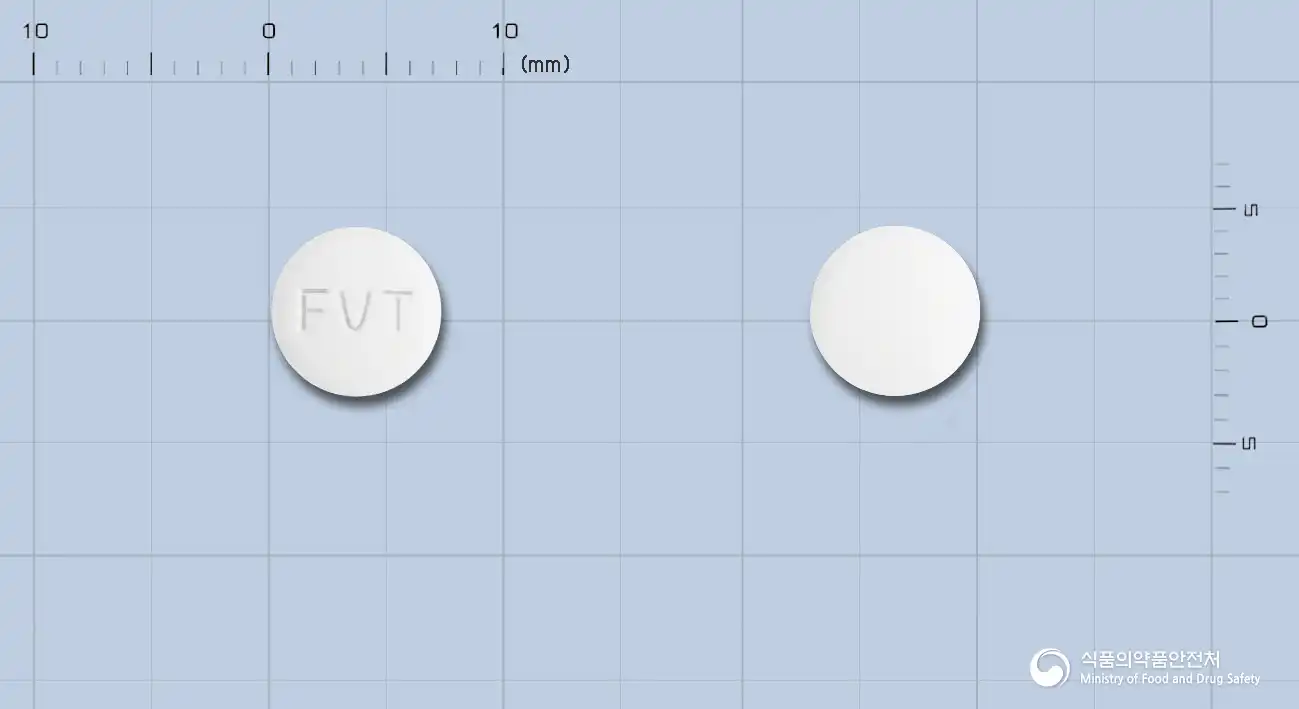
Naftopidil 25mg
Tablet · Prescription medication
Dong-A ST Co., Ltd.
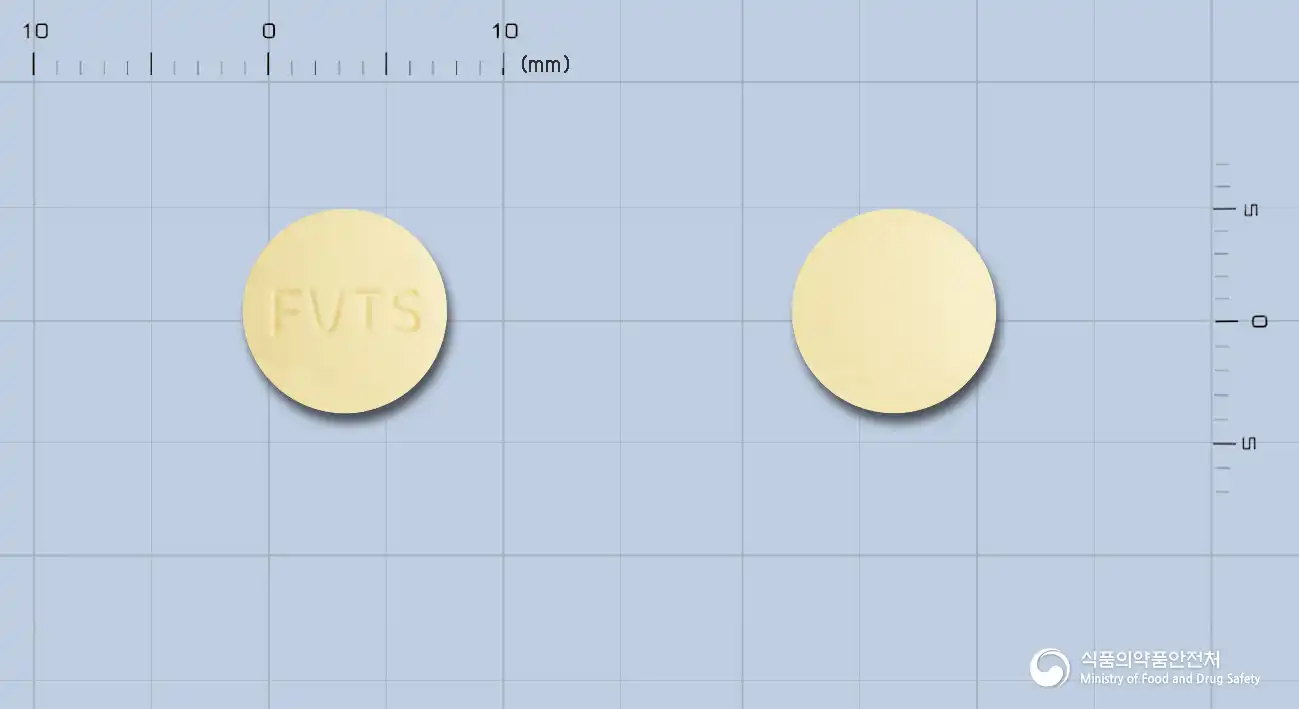
Naftopidil 75mg
Tablet · Prescription medication
Dong-A ST Co., Ltd.
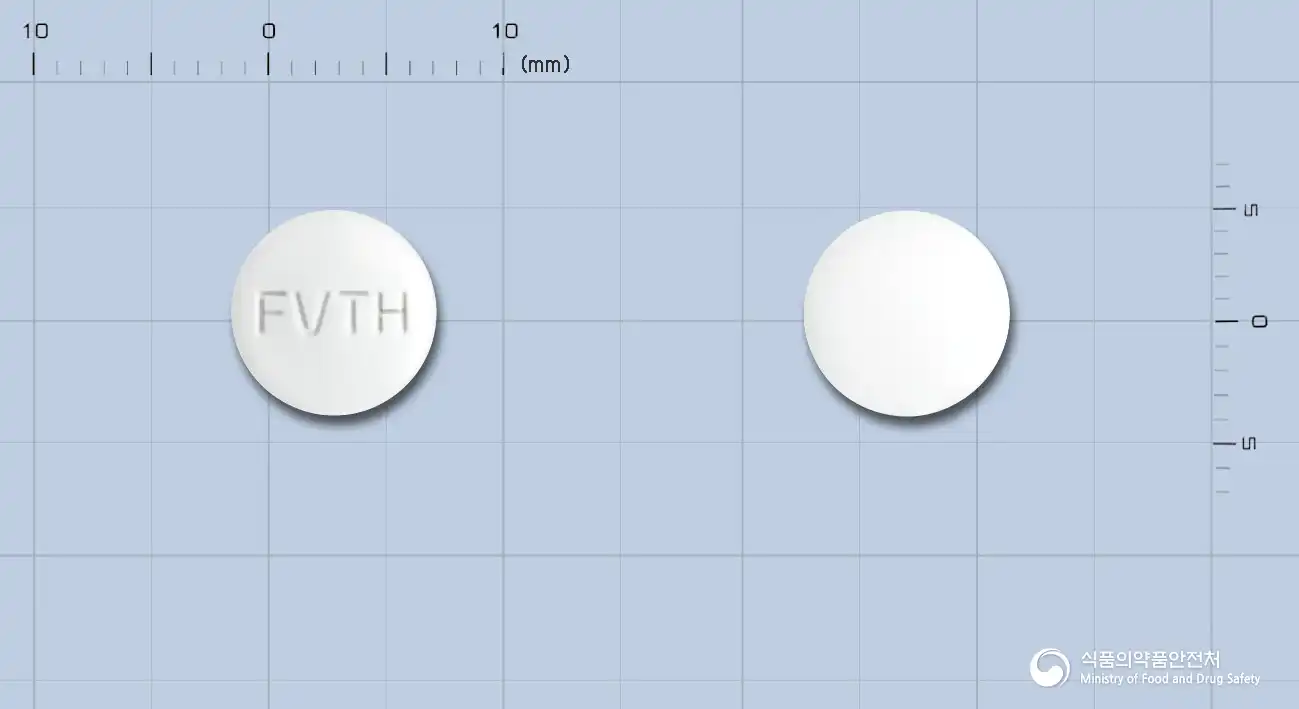
Naftopidil 50mg
Tablet · Prescription medication
Dong-A ST Co., Ltd.
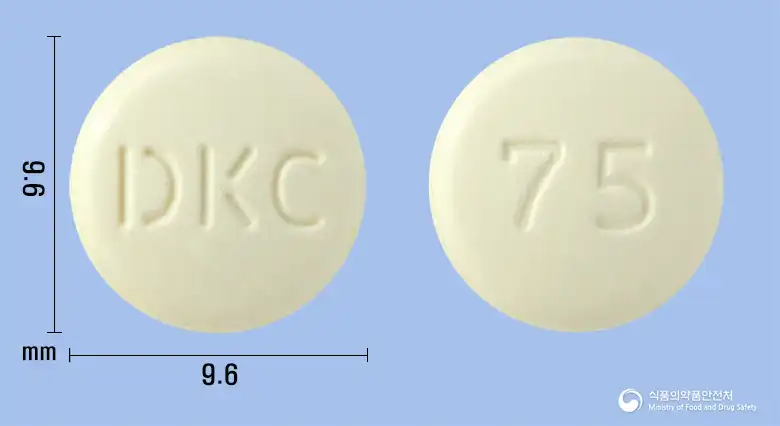
Naftopidil 75mg
Tablet · Prescription medication
Dongku Bio Pharmaceutical Co., Ltd.
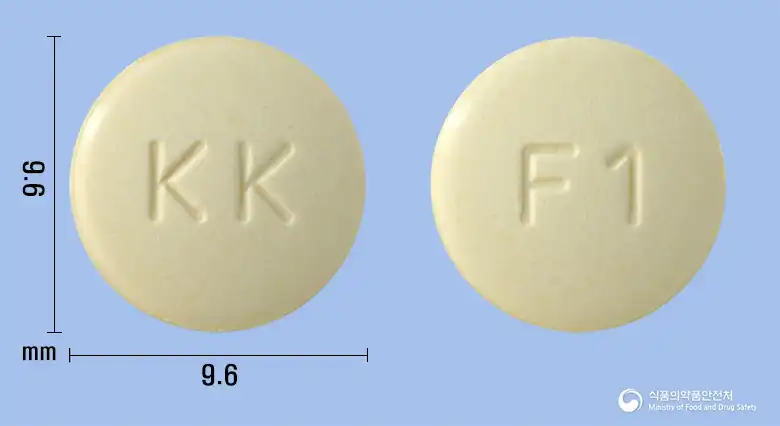
Naftopidil 75mg
Tablet · Prescription medication
Genewon Science Co., Ltd.
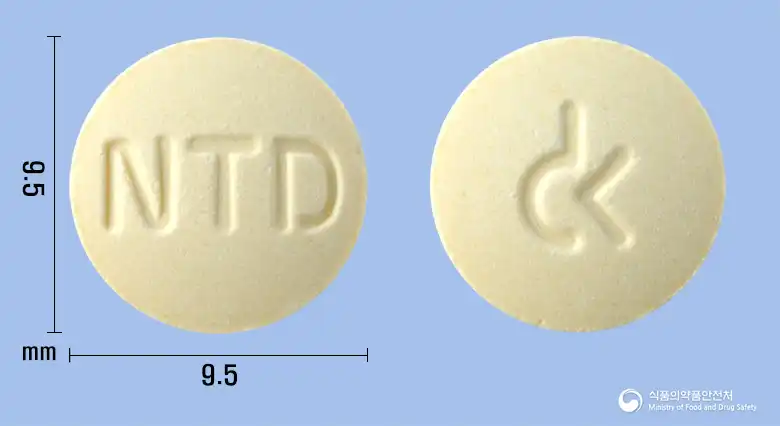
Naftopidil 75mg
Tablet · Prescription medication
Dongkuk Pharmaceutical Co., Ltd.
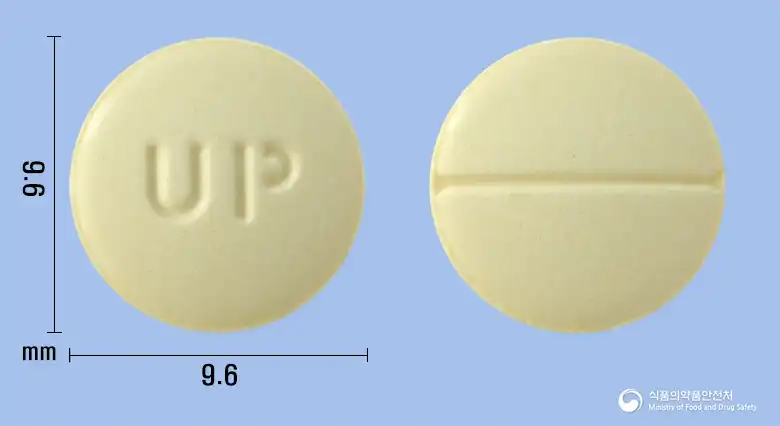
Naftopidil 75mg
Tablet · Prescription medication
Genupharm Co., Ltd.
Even with the same ingredient, the dose and directions can differ by strength and dosage form. Talk to a doctor or pharmacist before switching from a medication you are already taking.
No questions yet.
For anything that needs medical judgment, consult a doctor or pharmacist.
This drug information is based on data provided by the Korea Ministry of Food and Drug Safety.
Consult a doctor or pharmacist for accurate dosage, administration, and usage instructions.