
 한국어
 English
 日本語
 中文(简体)
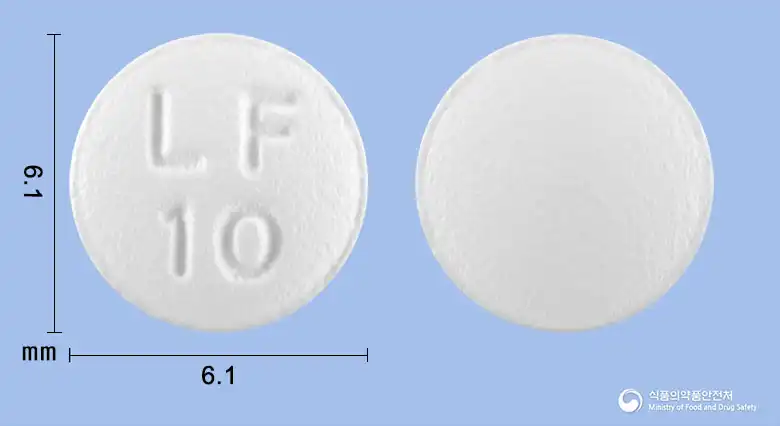 Viewing now
Rapubis Tablet (Lafutidine)
Lafutidine 10mg
Tablet · Prescription medication
KooJoo Pharmaceutical Co., Ltd.
MFDS item code 202000822 · Approved 2020.02.11 · Insurance code 669805610
Treatment of gastrointestinal disorders (ulcers, gastritis, etc.), pre-anesthetic medication, adjunctive therapy for eradication
This medication is used to treat gastric ulcers and duodenal ulcers. It also has the effect of improving the gastric mucosa damaged due to acute and chronic gastritis. It is administered in combination with antibiotics for patients with peptic ulcers caused by Helicobacter pylori infection. It is also utilized as a pre-anesthetic medication and is beneficial in the treatment of gastroesophageal reflux disease. It is used for the treatment and symptom improvement of various gastrointestinal diseases.
1. Short-term treatment of gastric ulcers: The usual dose is lafutidine 10mg orally twice daily, in the morning and at bedtime. In clinical trials with treatment for up to 8 weeks, most ulcers healed within 8 weeks; however, the healing time may vary among patients. 2. Short-term treatment of duodenal ulcers: The usual dose is lafutidine 10mg orally twice daily, in the morning and at bedtime. In clinical trials with treatment for up to 6 weeks, most ulcers healed within 6 weeks; however, the healing time may vary among patients. 3. Improvement of gastric mucosal lesions in acute and chronic gastritis: The usual dose is lafutidine 10mg orally once daily at bedtime. In clinical trials with treatment for up to 2 weeks, most lesions healed within 2 weeks; however, the healing time may vary among patients. 4. Combination therapy with antibiotics in patients with peptic ulcers infected with Helicobacter pylori: Administer lafutidine 20mg, clarithromycin 500mg, and amoxicillin 1000mg twice daily for 7 or 14 days. 5. Premedication: The usual dose is lafutidine 10mg orally twice (at bedtime on the day before surgery and 2 hours before anesthesia on the day of surgery). 6. Treatment of reflux esophagitis: Administer lafutidine 10mg twice daily.
This medication should not be used by patients who are allergic to its components. This medication contains lactose; therefore, patients with genetic conditions such as galactose intolerance, Lapp lactase deficiency, or glucose-galactose malabsorption should not take it. Patients with a history of allergies, liver disorders, kidney disorders, patients undergoing dialysis, and elderly patients should use this medication with caution. While taking this medication, serious allergic reactions such as shock or anaphylaxis may occur, so if symptoms such as pale face, low blood pressure, or difficulty breathing appear, the medication should be stopped immediately and medical attention should be sought. Liver dysfunction or jaundice may occur, so regular liver function tests are necessary, and if abnormalities are found, the medication should be discontinued. There may be a decrease in blood cell count, particularly agranulocytosis or thrombocytopenia; if symptoms such as sore throat, fatigue, or fever occur, immediate consultation with a doctor is necessary. As with other medications, rare occurrences of skin rashes, seizures, or heart problems have been reported, so any unusual symptoms should be reported to medical professionals promptly. Gastrointestinal symptoms such as constipation, diarrhea, nausea, vomiting, abdominal bloating, and loss of appetite may occur. Central nervous system symptoms such as headache, insomnia, drowsiness, and dizziness may also occur. Blood tests may show changes in white blood cell counts or liver enzyme levels, so regular monitoring is required. This medication may alleviate symptoms of malignancy or delay diagnosis; therefore, it is crucial to confirm the presence of malignancy if gastric ulcers are present or suspected. If gastric tumors are suspected, X-rays or endoscopy should be conducted at an early stage, and if diagnosed with malignant gastric cancer, the medication should be discontinued. During treatment, the patient's condition should be monitored closely, and it should be used only for the minimal necessary period; if ineffective, alternative treatments should be considered. Elderly patients may experience decreased physical function, so care should be taken with dosage and administration intervals. Dialysis patients may have increased drug concentrations in their blood, so treatment should start with a lower dosage and proceed cautiously. Pregnant women should take this medication only when the physician determines that the benefits outweigh the risks, and lactating women are advised not to take it as the drug may pass into breast milk. Safety in children has not been established; therefore, its use is not recommended. This medication should be kept out of reach of children and stored in its original container to prevent misuse or degradation of quality.
Not everyone experiences these, and they can vary from person to person.
This medication should be stored in a tightly closed container to protect it from air and moisture. It is also recommended to store it at room temperature, between 1 to 30 degrees Celsius, avoiding extremes of temperature.
White round film-coated tablet
30 tablets/bottle, 300 tablets/bottle
Even with the same ingredient, strength, dosage form and how it is taken can differ.
Viewing nowLafutidine 10mg
Tablet · Prescription medication
KooJoo Pharmaceutical Co., Ltd.

Lafutidine 10mg
Tablet · Prescription medication
Boryung Pharmaceutical Co., Ltd.
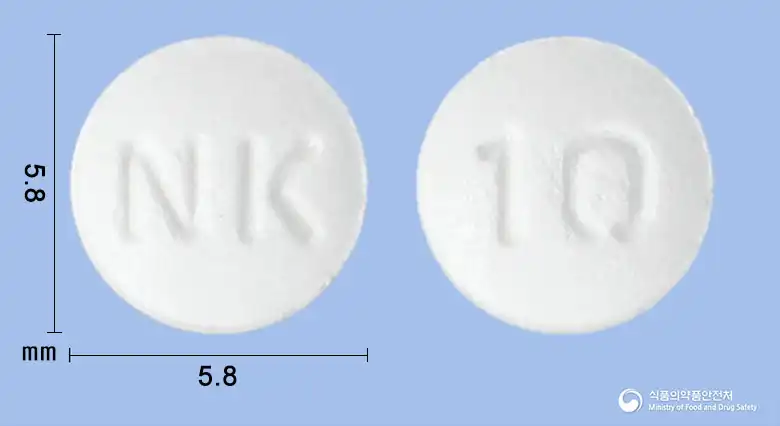
Lafutidine 10mg
Tablet · Prescription medication
Nexpam Korea Co., Ltd.
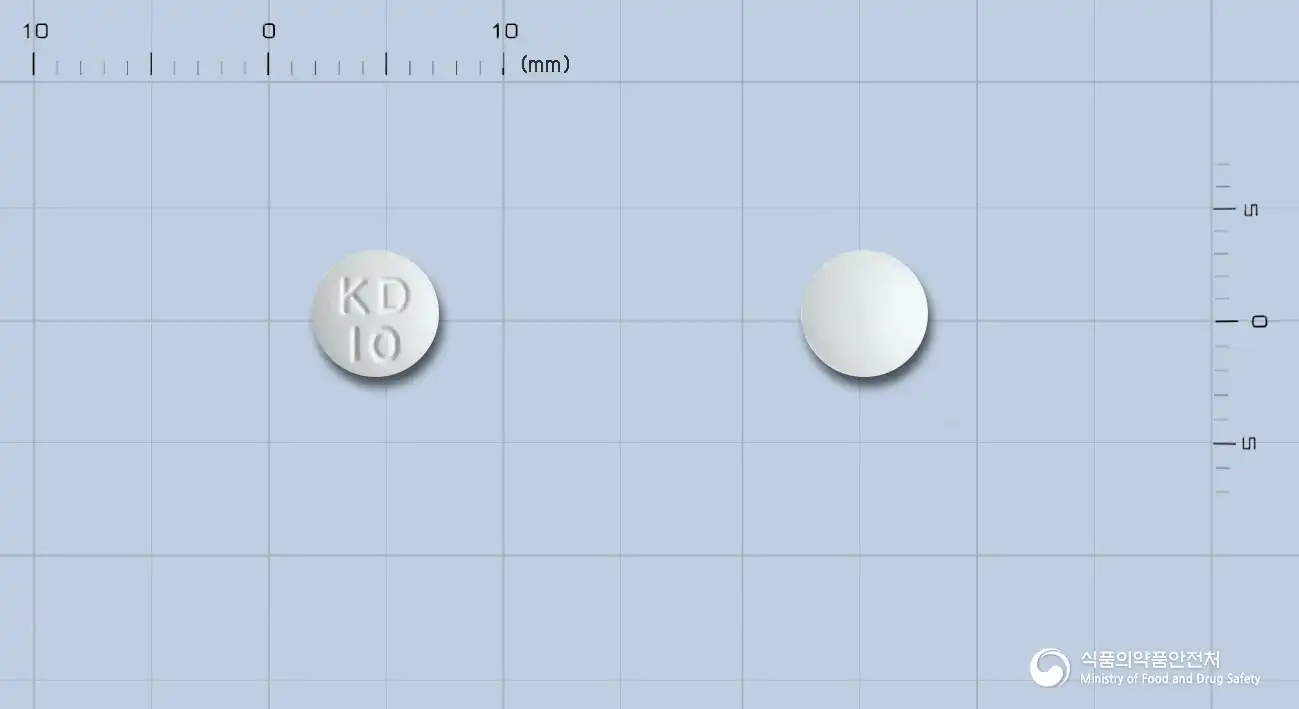
Lafutidine 10mg
Tablet · Prescription medication
Kwang Dong Pharmaceutical Co., Ltd.

Lafutidine 10mg
Tablet · Prescription medication
Ha Won Pharmaceutical Co., Ltd.
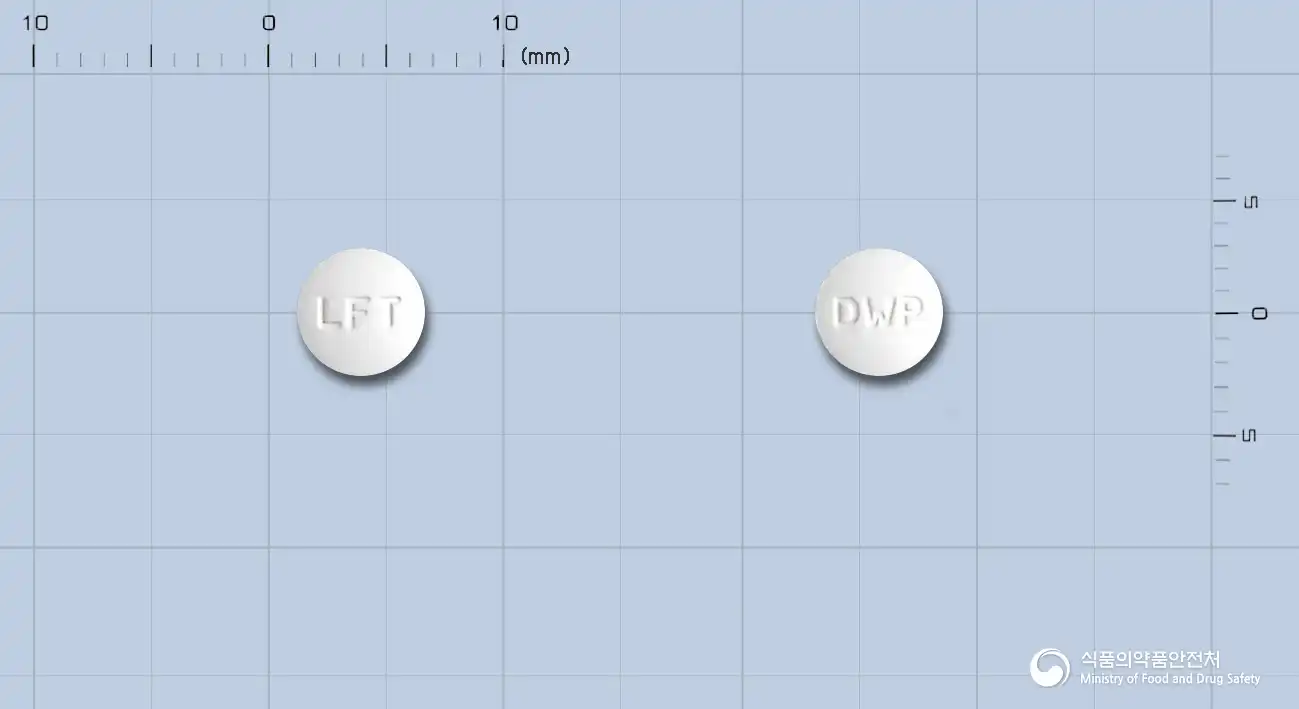
Lafutidine 10mg
Tablet · Prescription medication
Daewon Pharmaceutical Co., Ltd.
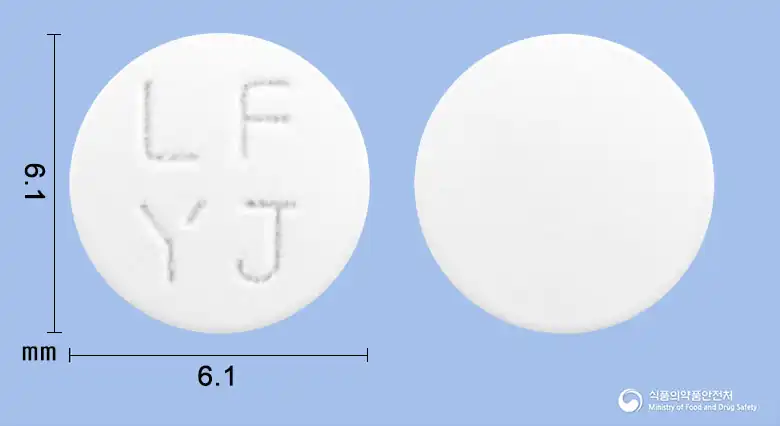
Lafutidine 10mg
Tablet · Prescription medication
Youngjin Pharmaceutical Co., Ltd.
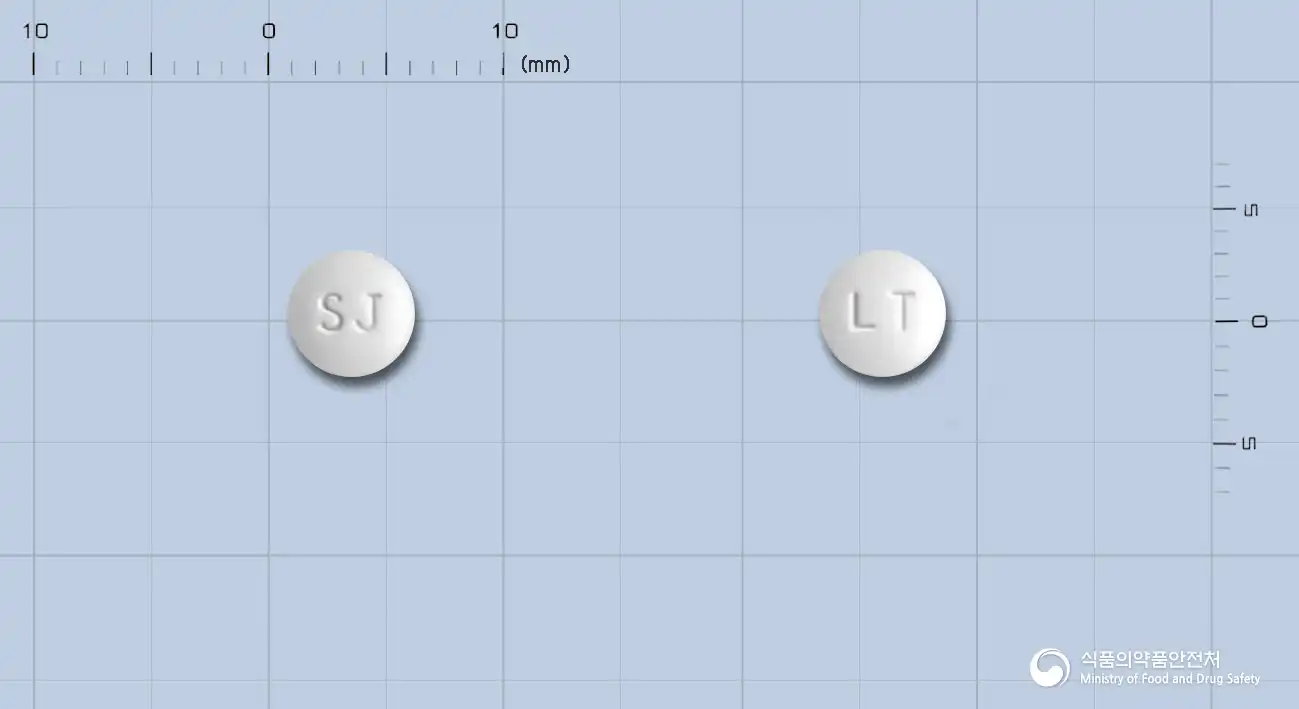
Lafutidine 10mg
Tablet · Prescription medication
Samjin Pharmaceutical Co., Ltd.
Even with the same ingredient, the dose and directions can differ by strength and dosage form. Talk to a doctor or pharmacist before switching from a medication you are already taking.
No questions yet.
For anything that needs medical judgment, consult a doctor or pharmacist.
This drug information is based on data provided by the Korea Ministry of Food and Drug Safety.
Consult a doctor or pharmacist for accurate dosage, administration, and usage instructions.