
 한국어
한국어 English
 日本語
日本語 中文(简体)
Dosage form image
Viewing nowMegasilozol 50mg (Cilostazol)
Cilostazol 50mg
Tablet · Prescription medication
LNC Bio Co., Ltd.
MFDS item code 202000814 · Approved 2020.02.11
This product's status changed to Approval withdrawn on 2024.07.02. It may no longer be sold, so consult a doctor or pharmacist before taking it.
Improvement of chronic arterial occlusive disease (ulcers, pain, etc.) and suppression of recurrent cerebral infarction
This medication effectively improves ischemic symptoms such as ulcers, pain, and cold sensation that occur in chronic arterial occlusive disease. It is also used to suppress recurrences after the onset of cerebral infarction, helping patients manage their health. By facilitating blood circulation, it alleviates symptoms and contributes to reducing the risk of recurrence. This medication assists in overall vascular health improvement, enhancing the quality of life for patients.
For cilostazol, the usual dose for adults is 100mg orally twice a day. The dosage may be adjusted appropriately based on age and symptoms.
This medication may cause an increase in heart rate, which can lead to the symptoms of angina such as chest pain; therefore, careful monitoring of angina symptoms is required. Patients at risk of bleeding, those who have had recent bleeding, and those with conditions that may cause bleeding should not take this medication. Patients with congestive heart failure may experience worsening symptoms when taking this medication; therefore, it is advised not to administer it. Patients who have had an allergic reaction to this medication or its components, as well as pregnant or potentially pregnant women and nursing mothers, should not be given this medication. Patients taking other blood-related medications such as anticoagulants, antiplatelet agents, or thrombolytics should exercise caution due to the increased risk of bleeding. Women during menstruation should be administered with caution due to the potential for increased bleeding. Patients with heart disease, or severely impaired kidney and liver functions, may be affected by the metabolism and excretion of this medication; therefore, it should be used with caution. Diabetes patients should be aware as hemorrhagic side effects may occur more easily. This medication may cause dizziness, hence caution is necessary when driving or operating machinery. This medication is metabolized in the liver, and blood concentration may change when taken with certain medications, so consultation with a professional is necessary when taken together. Pregnant or lactating women should avoid taking this medication, and it is safer to stop breastfeeding while using this medication. The safety for use in children or newborns has not been established, so caution is necessary for such use. Elderly patients may have reduced bodily functions, so dose adjustment may be required. In cases of overdose, symptoms such as severe headache, diarrhea, hypotension, rapid heartbeat, arrhythmia, etc. may occur; immediate medical assistance should be sought.
Hives, severe swelling (edema), chest tightness, difficulty breathing, cold sweat, pallor, severe rash accompanied by high fever, blisters, skin shedding, pain in oral/ocular mucosa, shortness of breath or difficulty breathing, asthma attacks, respiratory abnormalities with cough and fever, jaundice (yellowing of skin or eyes), extreme lethargy, sudden and severe headache, thunderclap headache, seizures, confusion of consciousness, vision abnormalities, paralysis, urine
Not everyone experiences these, and they can vary from person to person.
This medication should be stored in a sealed container to prevent air exposure and kept at room temperature between 1 and 30 degrees Celsius. Storing it this way helps maintain the effectiveness of the medication and prevent degradation.
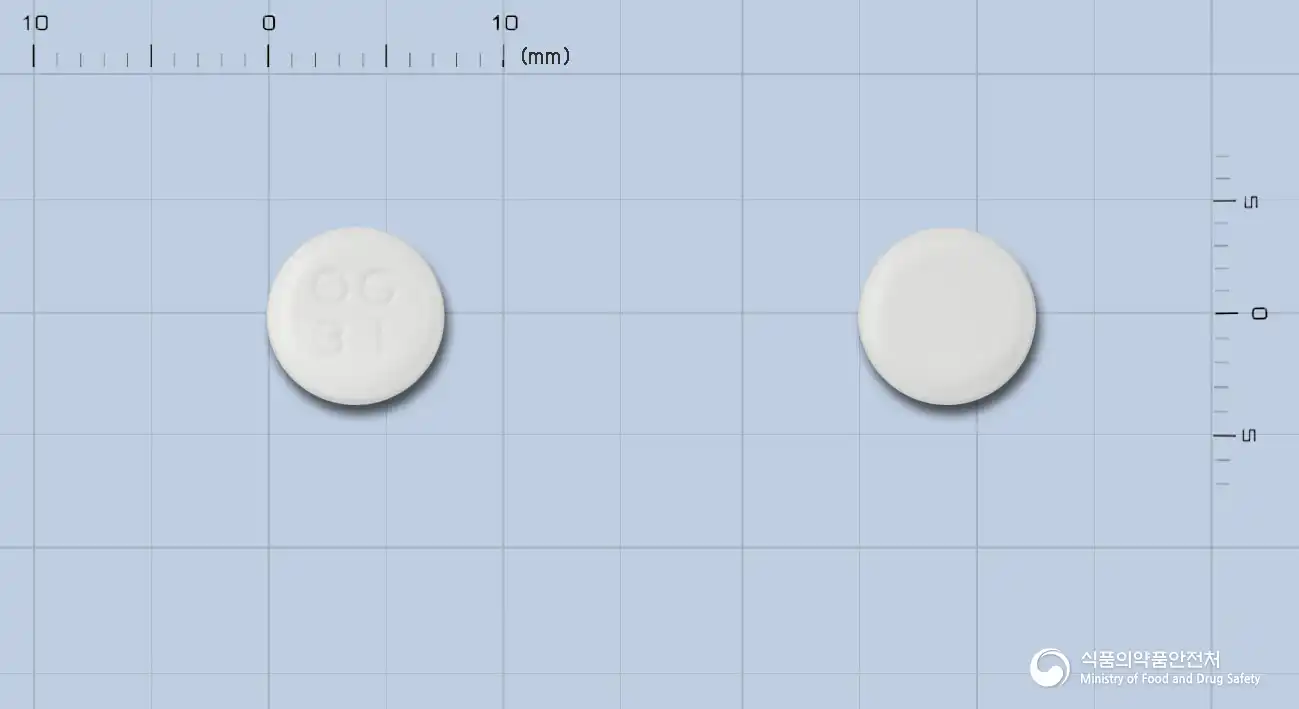
White round tablet
30 tablets/bottle, 100 tablets/bottle
Even with the same ingredient, strength, dosage form and how it is taken can differ.
Cilostazol 50mg
Tablet · Prescription medication
LNC Bio Co., Ltd.
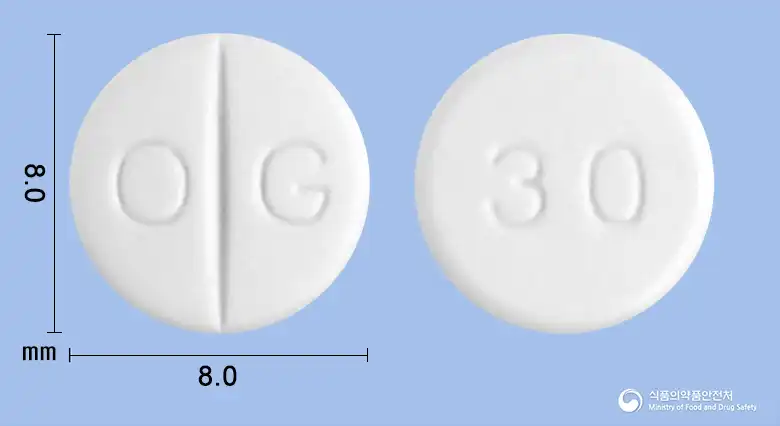
Cilostazol 50mg
Tablet · Prescription medication
Otsuka Pharmaceutical Co., Ltd.
Cilostazol 100mg
Tablet · Prescription medication
Korea Otsuka Pharmaceutical Co., Ltd.
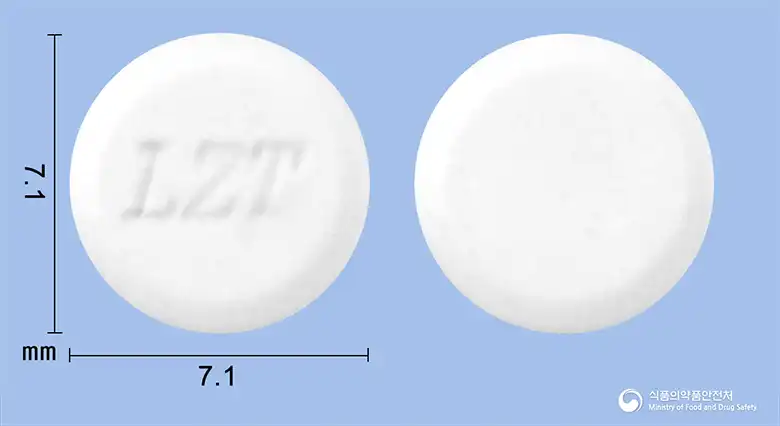
Cilostazol 50mg
Tablet · Prescription medication
Kyungdong Pharmaceutical Co., Ltd.
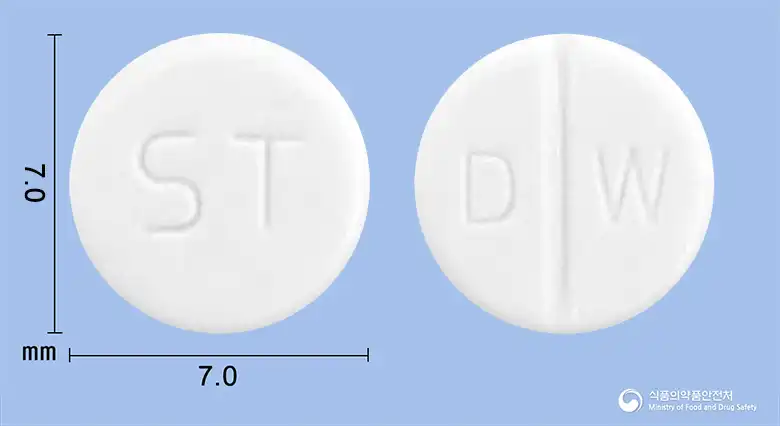
Cilostazol 50mg
Tablet · Prescription medication
Daewon Pharmaceutical Co., Ltd.
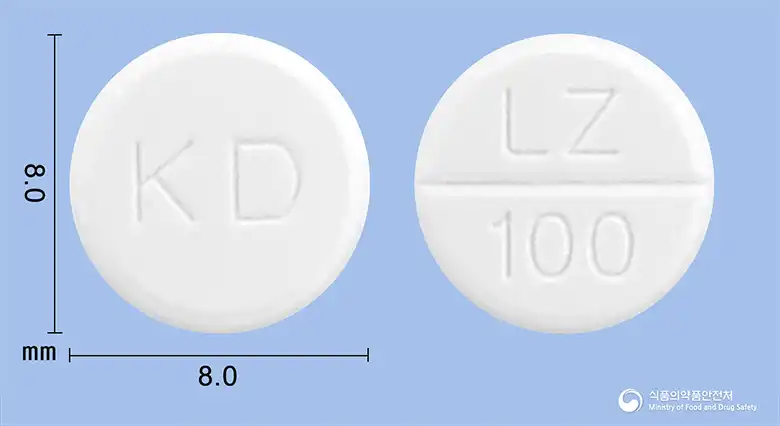
Cilostazol 100mg
Tablet · Prescription medication
Kyungdong Pharmaceutical Co., Ltd.
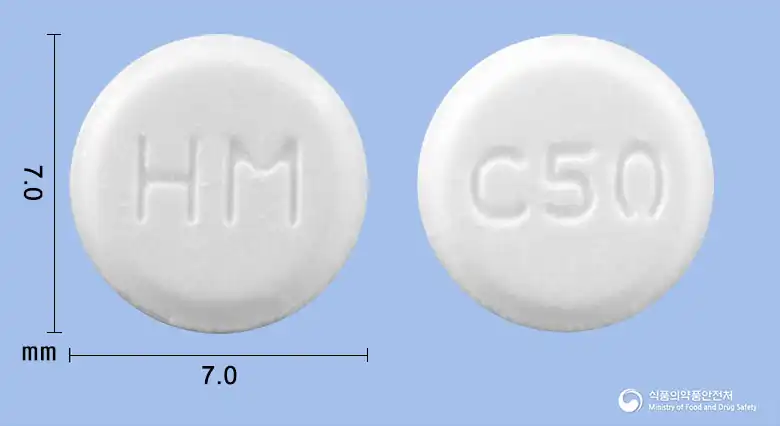
Cilostazol 50mg
Tablet · Prescription medication
Hanmi Pharmaceutical Co., Ltd.
Cilostazol
Prescription medication
Daehan New Pharm Co., Ltd.
Even with the same ingredient, the dose and directions can differ by strength and dosage form. Talk to a doctor or pharmacist before switching from a medication you are already taking.
No questions yet.
For anything that needs medical judgment, consult a doctor or pharmacist.
This drug information is based on data provided by the Korea Ministry of Food and Drug Safety.
Consult a doctor or pharmacist for accurate dosage, administration, and usage instructions.