
 한국어
한국어 English
 日本語
日本語 中文(简体)
Dosage form image
Viewing nowPatak Tablet 10 Milligrams (Famotidine)
Famotidine 10mg
Tablet · OTC medication
Lightpharmtech Co., Ltd.
MFDS item code 202000598 · Notified 2020.02.04
Relief of excess stomach acid and heartburn
Used to relieve gastrointestinal symptoms such as excess stomach acid, heartburn, and indigestion.
For individuals aged 16 and older, 1 tablet (10 mg) per dose, up to 2 tablets (20 mg) per day.
This medication should not be taken by individuals who are hypersensitive to certain ingredients or are allergic to H2 receptor antagonists. Additionally, it contains lactose, so it is safer for patients with lactose intolerance or related genetic conditions not to use it. Individuals with allergies to soybean oil, soy, peanuts, etc. should also not take this medication. If there is difficulty swallowing food, persistent heartburn for an extended period, accompanied by dizziness, drowsiness, or cold sweats, consultation with a doctor or pharmacist is recommended. It is also important to consult a professional if there are chest pain or breathing difficulties, unexpected weight loss, or gastrointestinal symptoms. Patients taking non-steroidal anti-inflammatory drugs or with a history of drug allergies, and those with kidney, heart, or liver problems should exercise caution. The elderly, pregnant women, and breastfeeding mothers should definitely consult a professional about the safety of this medication, and those on specific medications should also consider potential interactions. If symptoms worsen or adverse reactions occur during use, discontinue the medication immediately and consult a healthcare provider. This medication is recommended not to be taken for more than 14 days. Various side effects such as allergic reactions, blood abnormalities, skin rashes, liver dysfunction, muscle pain, cardiovascular problems, neuropsychiatric issues, gastrointestinal problems, kidney abnormalities, respiratory symptoms, etc. have been reported, so if any of these symptoms occur, consult a professional immediately. This medication can mask symptoms of gastric cancer, so it is advisable to use it for a short period only for symptom relief purposes. It should not be taken with alcoholic beverages, and if any changes in physical condition occur after administration, consult a healthcare provider. Patients on dialysis need to exercise caution when combining this medication with other drugs, and patients with lipid metabolism disorders should monitor their blood lipid levels and adjust their dosage accordingly. Keep out of reach of children, and it is safer not to store the medication outside of its original container.
Hives, severe swelling (facial swelling, throat swelling), tightness in the chest, difficulty breathing, cold sweats, shock, anaphylaxis, generalized flushing, leukopenia, anemia, thrombocytopenia, eosinophilia, hemolytic anemia, delayed bleeding, skin and mucosal syndrome, epidermal necrolysis, jaundice, hepatitis, rhabdomyolysis, chest pain, elevated blood pressure, consciousness disturbances, seizures, general malaise, headaches, drowsiness, confusion, high fever, difficulty in breathing, interstitial pneumonia,
Not everyone experiences these, and they can vary from person to person.
This medication may interact with non-steroidal anti-inflammatory drugs, antifungal agents (oral suspensions of itraconazole and posaconazole, etc.), and tyrosine kinase inhibitors (dasatinib, elotinib, gefitinib, pazopanib, etc.), so consult a doctor or pharmacist. Additionally, patients receiving intravenous lipid formulations should consult their healthcare provider or pharmacist.
Do not consume alcohol while taking this medication.
This medication should be stored in a tightly closed container to avoid the effects of air or moisture. Also, it is best to store the medication at room temperature between 1 to 30 degrees Celsius, avoiding places that are too hot or too cold.
Light green round film-coated tablets
20 tablets/box [(10 tablets/PTP*2)], 120 tablets/box [(10 tablets/PTP*12)], 240 tablets/box [(10 tablets/PTP*12)*2)]
Even with the same ingredient, strength, dosage form and how it is taken can differ.
Famotidine 10mg
Tablet · OTC medication
Lightpharmtech Co., Ltd.
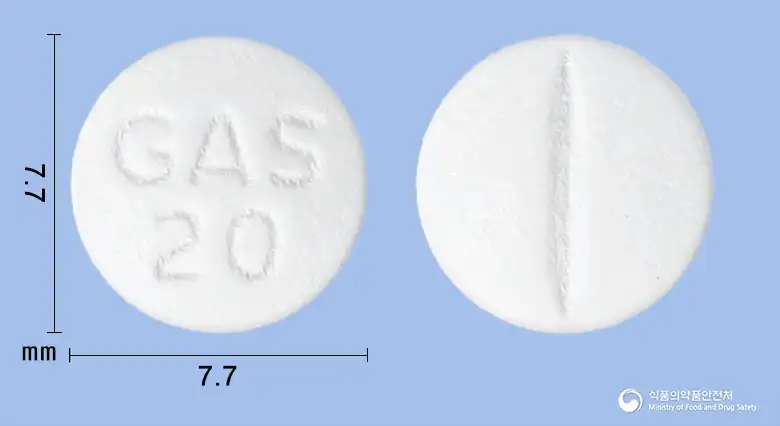
Famotidine 20mg
Prescription medication
Dong-A ST Co., Ltd.
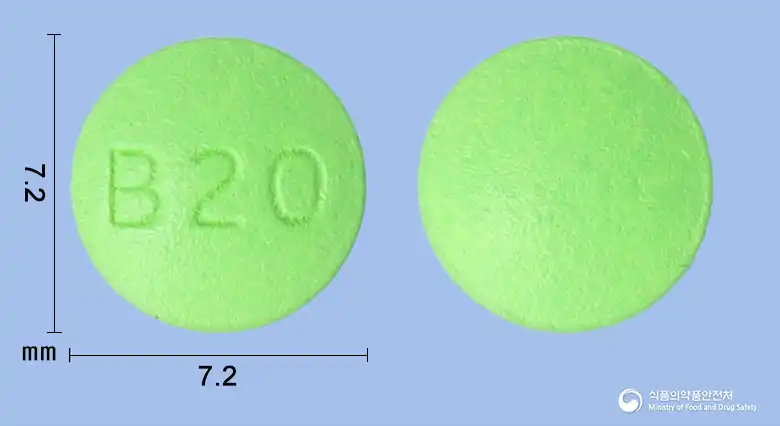
Famotidine 20mg
Tablet · Prescription medication
JW Pharmaceutical Corporation
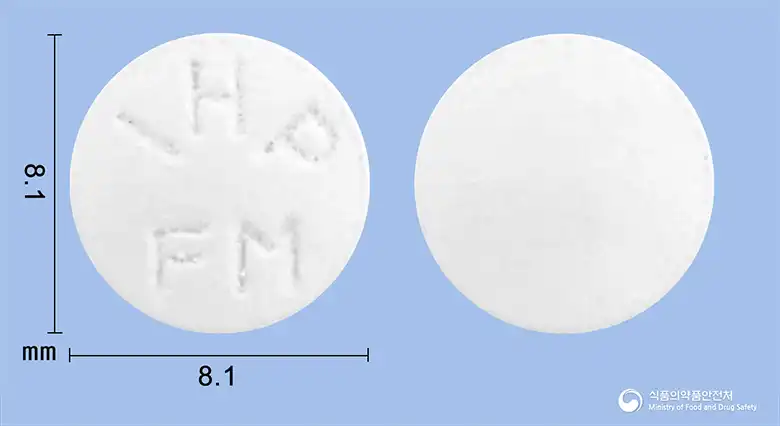
Famotidine 20mg
Tablet · Prescription medication
(Stock Company) Ilhwa
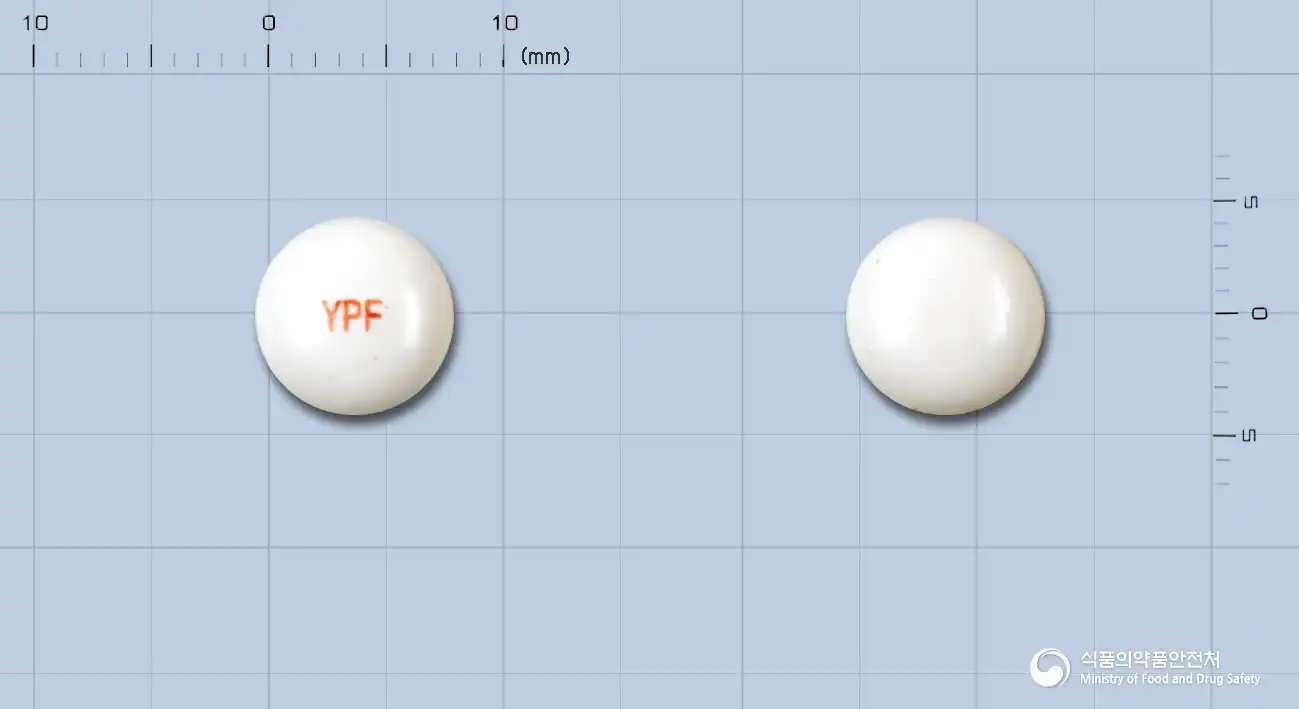
Famotidine 20mg
Prescription medication
Youngpoong Pharmaceutical Co., Ltd.
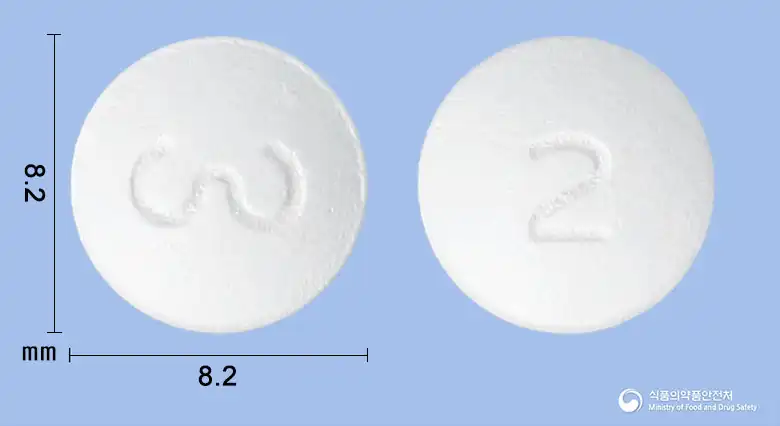
Famotidine 20mg
Tablet · Prescription medication
Withus Pharmaceutical Co., Ltd.
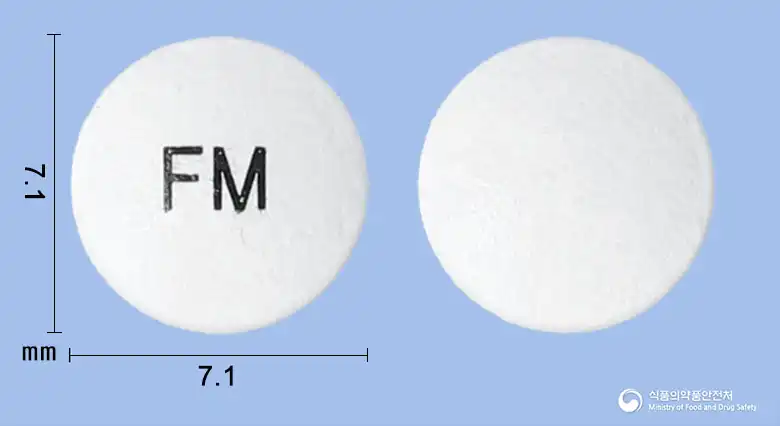
Famotidine 20mg
Prescription medication
(Stock Company) Seoul Pharmaceutical
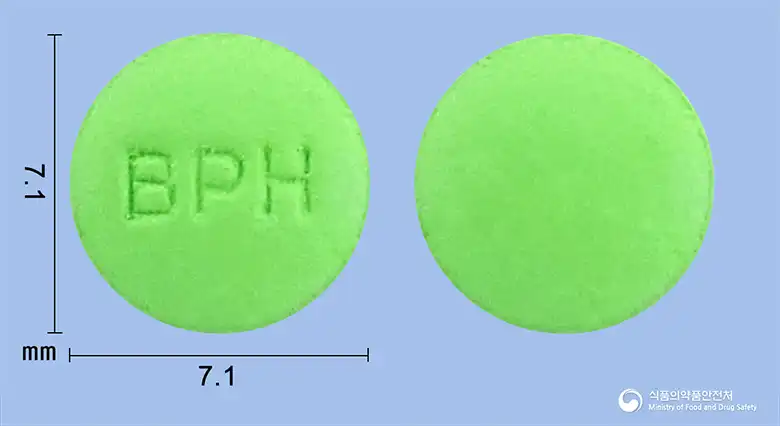
Famotidine 20mg
Tablet · Prescription medication
(Stock Company) Genupharm
Even with the same ingredient, the dose and directions can differ by strength and dosage form. Talk to a doctor or pharmacist before switching from a medication you are already taking.
No questions yet.
For anything that needs medical judgment, consult a doctor or pharmacist.
This drug information is based on data provided by the Korea Ministry of Food and Drug Safety.
Consult a doctor or pharmacist for accurate dosage, administration, and usage instructions.