
 한국어
한국어 English
 日本語
日本語 中文(简体)
Dosage form image
Viewing nowMucosol Injection (Ambroxol Hydrochloride)
Ambroxol Hydrochloride 7.5mg
Injections · Prescription medication
KS Pharm Co., Ltd.
MFDS item code 202000582 · Notified 2020.02.04
This product's status changed to Expired on 2025.02.04. It may no longer be sold, so consult a doctor or pharmacist before taking it.
Improvement of respiratory diseases (chronic bronchitis, asthma, etc.) and enhancement of surfactant production with a preventive effect on pulmonary complications.
This injection is used for the treatment of acute and chronic respiratory diseases such as chronic bronchitis, asthmatic bronchitis, and acute bronchial asthma attacks due to mucous secretion disorders. It also helps improve respiratory function by enhancing surfactant production in newborns and preterm infants with respiratory distress syndrome. This medication is effective in preventing pulmonary complications before and after surgery in patients with chronic obstructive pulmonary disease. Therefore, this injection is used for the treatment of various respiratory diseases and for improving lung function.
For Ambroxol hydrochloride, slow intravenous injection of 15 mg once, 2 to 3 times a day. In severe cases, the dose may be increased up to 30 mg once and administered by drip infusion with saline injection or Ringer's solution.
In children, slow intravenous injection of 1.2 to 1.6 mg per kg of body weight per day. Ages 5 and above: 15 mg once, 2 to 3 times a day. Ages 2 to 4: 7.5 mg once, 3 times a day. Under 2 years: once.
This medicine is in a glass ampule, and when used, glass fragments may enter, so care must be taken when cutting the ampule. Extra caution is especially required when used in children or elderly patients. This medication should not be used in individuals who are allergic to it or its components. It should be used cautiously in patients with impaired kidney function, severe liver dysfunction, and children under 2 years of age. Rarely, serious skin conditions may occur while using this medication, so if any new skin or mucous membrane damage occurs, discontinue use immediately and seek appropriate treatment. Gastrointestinal discomfort such as dyspepsia, nausea, vomiting, and heartburn may occur. Rarely, skin rashes or severe allergic reactions may occur, and if any unusual symptoms arise, consult a doctor immediately. Respiratory issues or neurological symptoms have also been reported rarely, so caution is advised upon the onset of symptoms. This medication may increase the concentration of certain antibiotics when used together, so be sure to consult a doctor or pharmacist about all medications being taken. Use is not recommended, especially in the first three months of pregnancy, and if breastfeeding, carefully consider the benefits and risks as this medication can be passed into breast milk. Elderly patients should be cautious and may need dose adjustments due to potential decreased body function. No specific symptoms have been reported in case of overdose, but if adverse reactions occur, inform a healthcare professional immediately, as symptomatic treatment may be necessary. Headaches, leg pain, or extreme fatigue may occur during injection, so it is recommended to inject slowly. This medication should only be mixed with saline injection or Ringer's solution and must be administered within 24 hours of mixing. Lastly, keep it in a safe place out of reach of children.
Urticaria, angioedema, difficulty breathing, severe acute anaphylactic reaction (including anaphylactic shock), Stevens-Johnson syndrome, toxic epidermal necrolysis (Lyell's syndrome).
Not everyone experiences these, and they can vary from person to person.
This medication is sensitive to light, so it should be stored in containers that block light. The storage temperature should be maintained between 1 and 30 degrees Celsius. This will help maintain the drug's effectiveness and safety for a longer period.
A clear colorless solution in a brown ampule.
2 mL/ampule[*50]
Even with the same ingredient, strength, dosage form and how it is taken can differ.
Ambroxol Hydrochloride 7.5mg
Injections · Prescription medication
KS Pharm Co., Ltd.
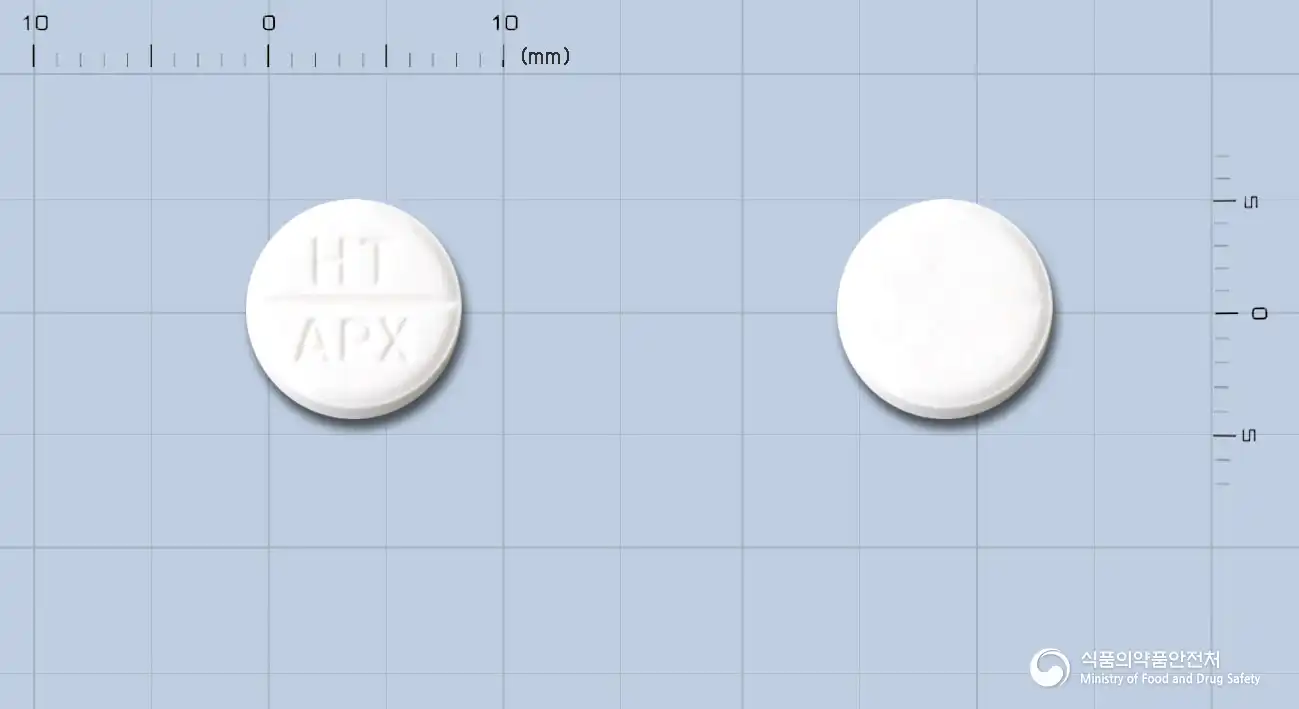
Ambroxol Hydrochloride 30mg
Tablet · OTC medication
Hanmi Pharmaceutical Co., Ltd.
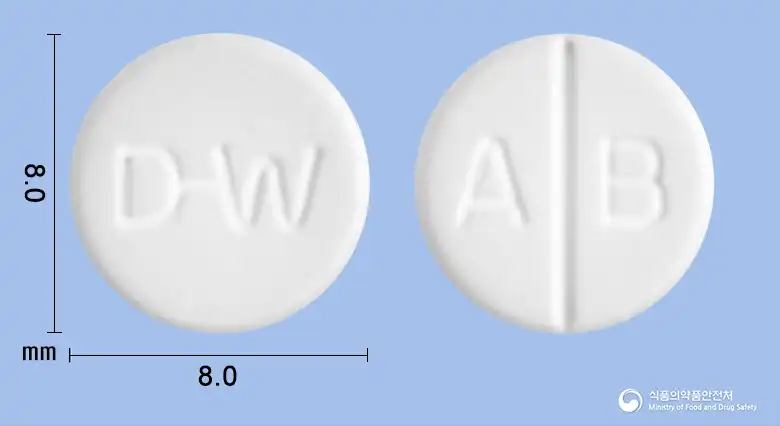
Ambroxol Hydrochloride 30mg
Tablet · OTC medication
Dongwha Pharmaceutical Co., Ltd.
Ambroxol Hydrochloride 15mg
Prescription medication
Aju Pharmaceuticals Co., Ltd.
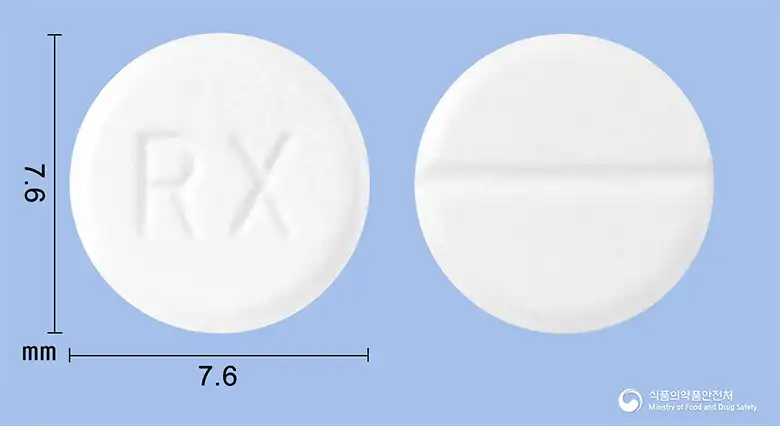
Ambroxol Hydrochloride 30mg
Tablet · OTC medication
Sama Pharmaceutical Co., Ltd.
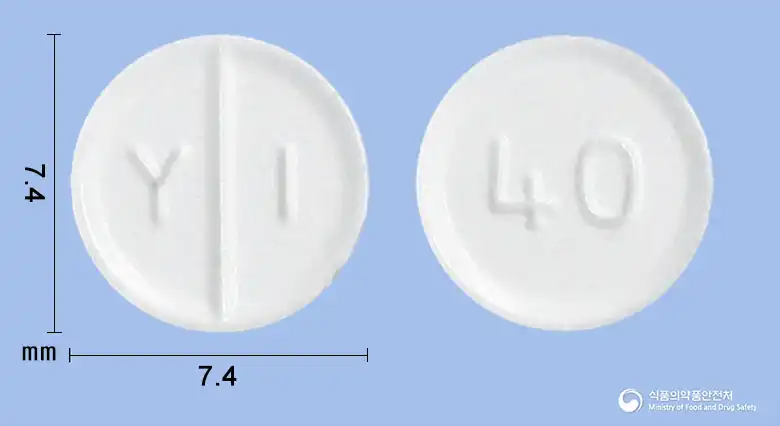
Ambroxol Hydrochloride 30mg
Tablet · OTC medication
Youngil Pharmaceutical Co., Ltd.
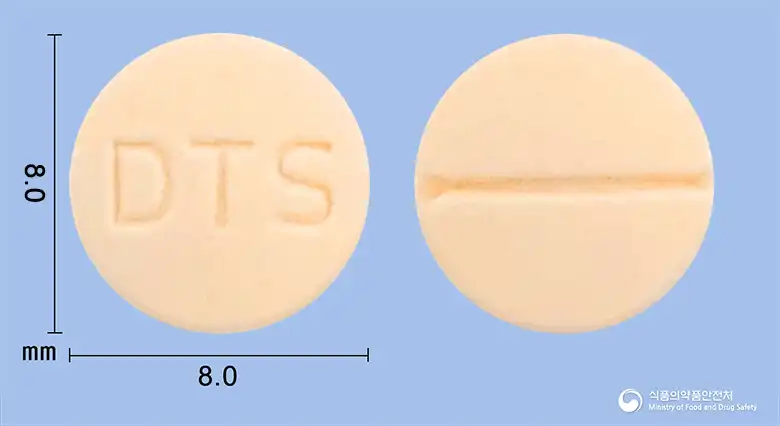
Ambroxol Hydrochloride 30mg
Tablet · OTC medication
Guju Pharmaceutical Co., Ltd.
Ambroxol Hydrochloride 15mg
Prescription medication
Dongkwang Pharmaceutical Co., Ltd.
Even with the same ingredient, the dose and directions can differ by strength and dosage form. Talk to a doctor or pharmacist before switching from a medication you are already taking.
No questions yet.
For anything that needs medical judgment, consult a doctor or pharmacist.
This drug information is based on data provided by the Korea Ministry of Food and Drug Safety.
Consult a doctor or pharmacist for accurate dosage, administration, and usage instructions.