
 한국어
 English
 日本語
 中文(简体)
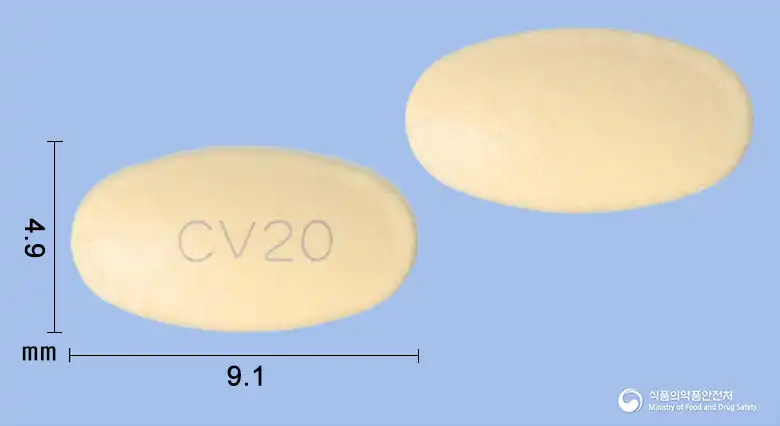 Viewing now
Pantoprazole 20 mg Tablet (Pantoprazole Sodium Sesquihydrate)
Pantoprazole Sodium Sesquihydrate 22.55mg
Tablet · Prescription medication
(Co., Ltd.) HanKuk Pavis Pharmaceuticals
MFDS item code 202000438 · Approved 2020.01.28 · Insurance code 621804370
Treatment of gastroesophageal reflux, prevention of recurrence of reflux esophagitis, and prevention of NSAID-induced ulcers
This medication is used to treat mild gastroesophageal reflux disease and related symptoms such as heartburn, acid reflux, and dysphagia. It is also effective for long-term maintenance therapy to prevent recurrence of reflux esophagitis. Additionally, it helps to prevent NSAID-induced gastric and duodenal ulcers in patients who require long-term use of these medications. It is effectively used for the prevention and treatment of various gastrointestinal issues.
1. Treatment of mild reflux esophageal disease and related symptoms Administer pantoprazole 20 mg orally once daily before breakfast. Symptoms generally improve within 2 ∼ 4 weeks, and healing can usually be achieved with 4 weeks of treatment. If healing does not occur, an additional 4 weeks of treatment may achieve healing. 2. Long-term maintenance therapy to prevent recurrence of reflux esophagitis Administer pantoprazole 20 mg once daily before breakfast. If recurrence occurs, increase the dose to pantoprazole 40 mg daily, then reduce it back to 20 mg daily after healing. 3. Prevention of NSAID-induced gastroduodenal ulcers in patients requiring continuous NSAID treatment Administer pantoprazole 20mg once daily. No dose adjustment is necessary in elderly patients or patients with renal impairment. In patients with severe hepatic impairment, do not exceed 20 mg of this medicine once daily.
This medication should not be used in patients who have had allergic reactions to this medication, its components, or benzimidazoles. It should also not be administered to patients taking specific antiviral drugs such as atazanavir and nelfinavir, as drug interactions may reduce therapeutic efficacy. It is also not safe for women in the first trimester of pregnancy or those who may become pregnant, as well as nursing mothers. Co-administration with rilpivirine-containing medications is also contraindicated. Various side effects may occur when taking this medication, such as abdominal pain, diarrhea, headache, dizziness, rash, etc. Consult a physician if symptoms are severe or persist. Particularly, patients with impaired liver function should have their liver enzyme levels checked regularly and discontinue use if abnormalities are found. Long-term use of this medication may cause vitamin B12 absorption disorders, so careful monitoring of nutritional status is advised if used for an extended period. Patients over 65 years of age or those with a history of gastric ulcers, duodenal ulcers, or gastrointestinal bleeding are at increased risk for gastrointestinal complications and should use it cautiously. Long-term use may increase the risk of fractures, particularly in patients taking high doses for prolonged periods, and attention to bone health is important. Additionally, hypomagnesemia may occur, leading to muscle cramps, arrhythmias, seizures, etc.; therefore, monitoring magnesium levels periodically during long-term use is advised. This medication can inhibit gastric acid secretion, promoting bacterial overgrowth in the gastrointestinal tract, so if diarrhea or infection symptoms persist, further investigation is required. When taking the medication, it should not be chewed or crushed but swallowed whole, and during long-term use, the lowest effective dose should be used for the appropriate duration based on a doctor's instructions. This medication can interact with various drugs in the liver, so consult a physician especially when taking other medications, particularly anticoagulants, immunosuppressants, and antiviral drugs. The use in children, particularly those under 12 years of age, is limited and not recommended. In the case of overdose, no specific symptoms have been reported; however, if unusual symptoms occur, seek medical attention immediately for appropriate treatment. Keep this medication out of reach of children, and it is advisable not to transfer it to another container. Finally, long-term use of this medication has been reported to be associated with tumor occurrences in some animal studies; thus, it should be used cautiously and under professional consultation if needed.
Not everyone experiences these, and they can vary from person to person.
This medication is sensitive to light, so it should be stored in a container that is opaque to light. It is also recommended to store it at room temperature between 1°C and 30°C. Proper storage will maintain the medication's effectiveness and safety.
Yellow, enteric-coated oval tablet
30 tablets per bottle
Even with the same ingredient, strength, dosage form and how it is taken can differ.
Viewing nowPantoprazole Sodium Sesquihydrate 22.55mg
Tablet · Prescription medication
(Co., Ltd.) HanKuk Pavis Pharmaceuticals
Pantoprazole Sodium Sesquihydrate 45.1mg
Injections · Prescription medication
Takeda Korea Pharmaceutical Co., Ltd.
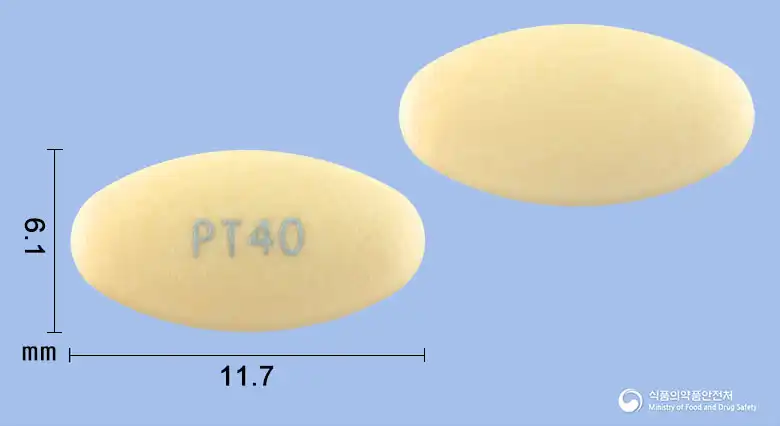
Pantoprazole Sodium Sesquihydrate 45.1mg
Tablet · Prescription medication
Dong-A ST Co., Ltd.
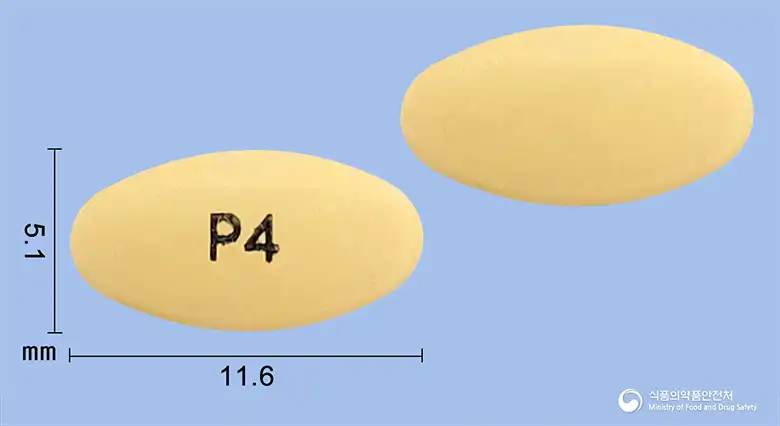
Pantoprazole Sodium Sesquihydrate 45.1mg
Tablet · Prescription medication
Youngjin Pharmaceutical Co., Ltd.
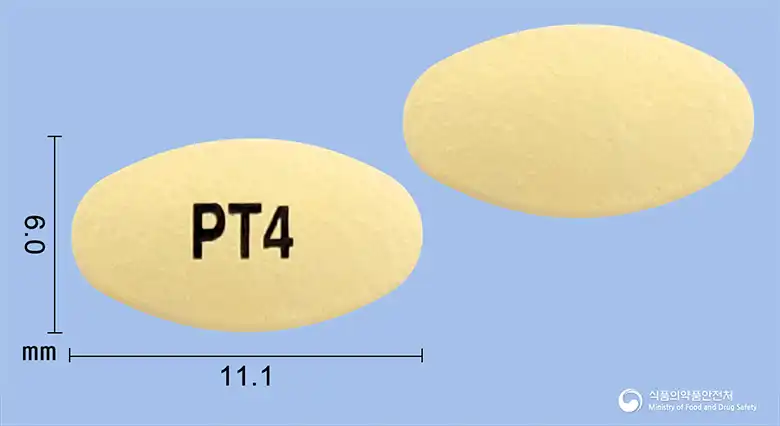
Pantoprazole Sodium Sesquihydrate 45.1mg
Tablet · Prescription medication
Albozen Korea Co., Ltd.
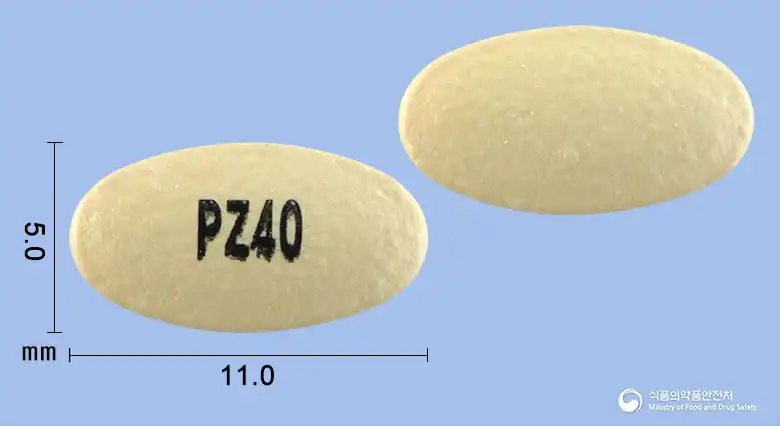
Pantoprazole Sodium Sesquihydrate 45.1mg
Tablet · Prescription medication
Daewoo Pharmaceutical Co., Ltd.
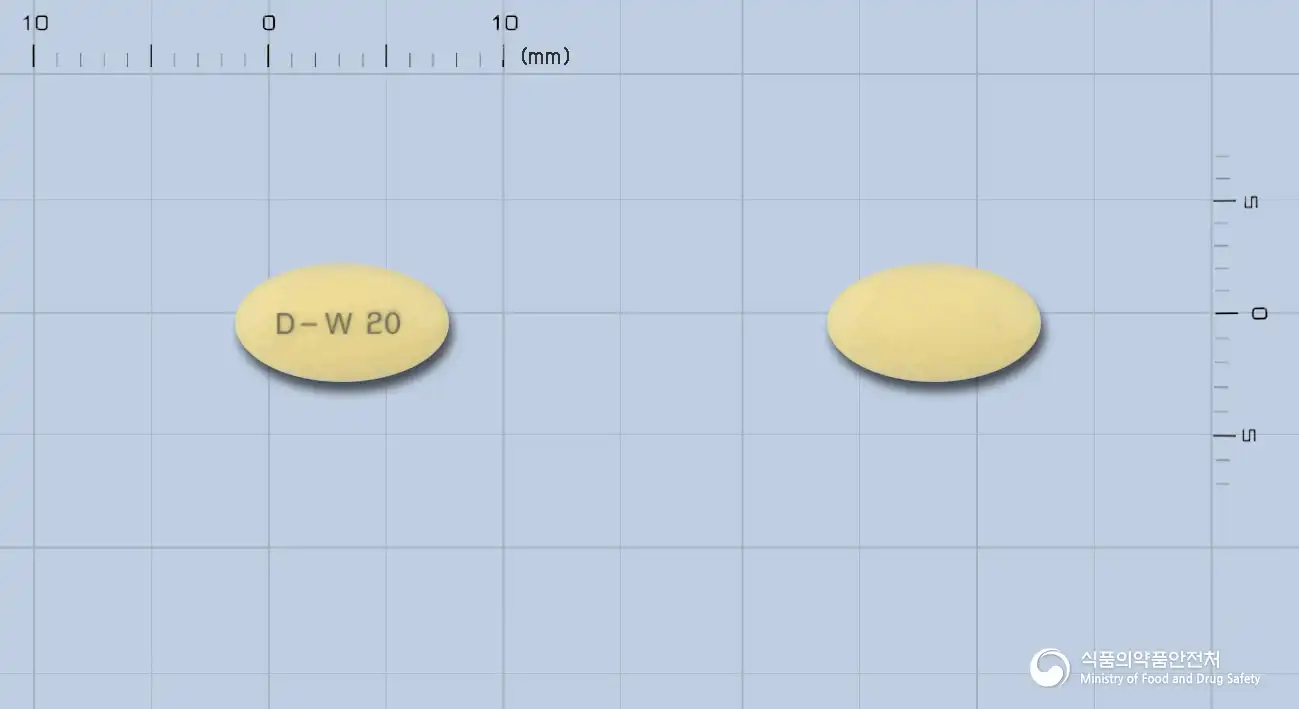
Pantoprazole Sodium Sesquihydrate 22.6mg
Tablet · Prescription medication
Dongwha Pharm Co., Ltd.
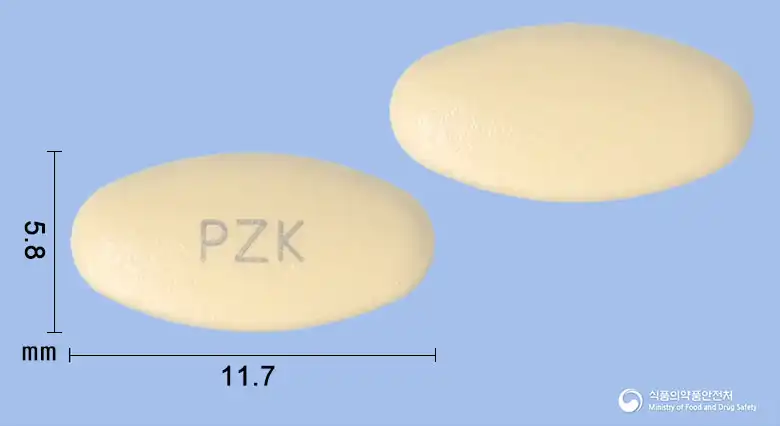
Pantoprazole Sodium Sesquihydrate 45.1mg
Tablet · Prescription medication
Genewon Sciences Co., Ltd.
Even with the same ingredient, the dose and directions can differ by strength and dosage form. Talk to a doctor or pharmacist before switching from a medication you are already taking.
No questions yet.
For anything that needs medical judgment, consult a doctor or pharmacist.
This drug information is based on data provided by the Korea Ministry of Food and Drug Safety.
Consult a doctor or pharmacist for accurate dosage, administration, and usage instructions.