
 한국어
 English
 日本語
 中文(简体)
Dosage form image
Viewing nowAmofin S Tablet 2.5 mg (Esamlodipine Besylate 2.5 Hydrate)
S-Amlodipine Besylate 2.5 Hydrate 3.74mg
Tablet · Prescription medication
Aprogen Pharmaceuticals Co., Ltd.
MFDS item code 202000330 · Approved 2020.01.21
This product's status changed to Expired on 2025.01.21. It may no longer be sold, so consult a doctor or pharmacist before taking it.
Treatment of hypertension and myocardial ischemia (angina)
This medication effectively stabilizes blood pressure for patients with hypertension and is used to treat stable angina caused by narrowing or blockage of the coronary arteries. It is also effective for patients with variant angina, where blood flow to the heart is impaired due to vascular spasms. It helps improve these ischemic conditions to maintain heart health. Overall, this drug is utilized in the treatment of heart and vascular diseases.
Take this medicine with plenty of water. Adults: Administer esamlodipine 2.5 mg orally once daily; the dose may be increased to a maximum of 5 mg once daily according to the patient's response. Adjust the dose appropriately according to symptoms.
This medication should not be administered to certain patients. For example, individuals allergic to this drug, its ingredients, or similar classes of medication should not use it. Women who are pregnant or may become pregnant, as well as those who are breastfeeding, should also refrain from using this medication. Patients in a state of cardiac shock or with severe valvular heart disease, unstable angina patients, recent myocardial infarction patients should avoid this drug. Additionally, great caution is advised for patients with severely diminished liver function and those with very low blood pressure. Patients with severe renal impairment, the elderly, acute heart failure patients, patients in hypertensive crises, and those with moderate hepatic dysfunction should be treated carefully. While taking this medication, various side effects may occur, with common symptoms including flushing and warmth, fatigue, or swelling. Patients may also experience heart palpitations, dizziness, headache, abdominal pain, nausea, and drowsiness. Rarely, allergic reactions such as skin rashes, itching, liver function abnormalities, reduction of blood cell counts, or psychological changes have been reported. If such symptoms occur, immediate consultation with a physician is recommended. Discontinuation of this medication suddenly can worsen symptoms, so dosage should be reduced gradually under a doctor's guidance, and it should not be stopped arbitrarily. Heart failure patients should be cautious, as the risk of pulmonary congestion as a side effect may increase when using this drug. Liver impaired patients may have a prolonged half-life of this drug in the body, requiring careful dosage adjustment and monitoring. The effects of this drug appear slowly and it is not suitable for emergency situations such as acute angina. When taking the medication, it should be ingested with plenty of water, and as blood pressure decreases, dizziness or drowsiness may occur, so caution is advised while driving or operating dangerous machinery. When taking this drug with other medications, there may be interactions, particularly with certain antibiotics, antihypertensives, heart medications, or drugs affecting liver function. Consultation with healthcare professionals is necessary if using concurrently. Taking this medication with grapefruit juice may lead to excessive antihypertensive effects, so it is advisable to avoid this combination. Women who are pregnant or breastfeeding should safely refrain from taking this medication, and breastfeeding should be discontinued while using this drug. In children, use is only recommended for those over 6 years old, and for the elderly, medications can remain in the body for a longer duration, so starting with a low dose and closely monitoring the condition is essential. In cases of overdose, severe hypotension, arrhythmias, or shock may occur, necessitating emergency treatment, and blood pressure and heart conditions should be continuously monitored if required.
Not everyone experiences these, and they can vary from person to person.
Store this medication in a tightly closed container to prevent air and moisture exposure. Also, avoid extremely hot or cold conditions and store it at room temperature between 1 and 30 degrees Celsius.
Light yellow heart-shaped tablet with a scored line
30 tablets/bottle, 300 tablets/bottle
Even with the same ingredient, strength, dosage form and how it is taken can differ.
S-Amlodipine Besylate 2.5 Hydrate 3.74mg
Tablet · Prescription medication
Aprogen Pharmaceuticals Co., Ltd.
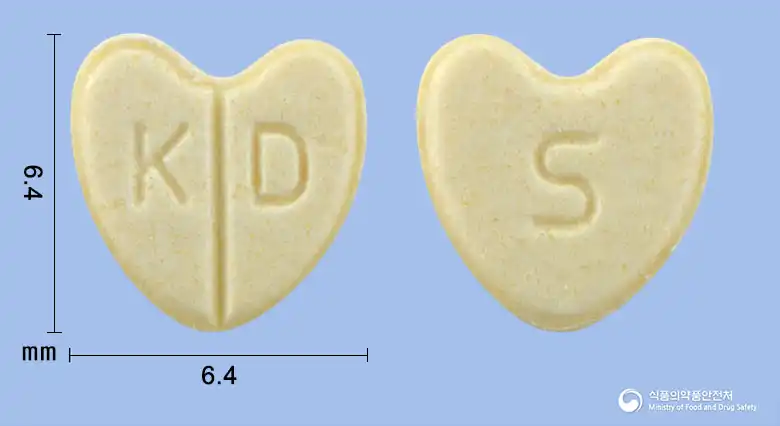
S-Amlodipine Besylate 2.5 Hydrate 3.74mg
Tablet · Prescription medication
Kwangdong Pharmaceutical Co., Ltd.
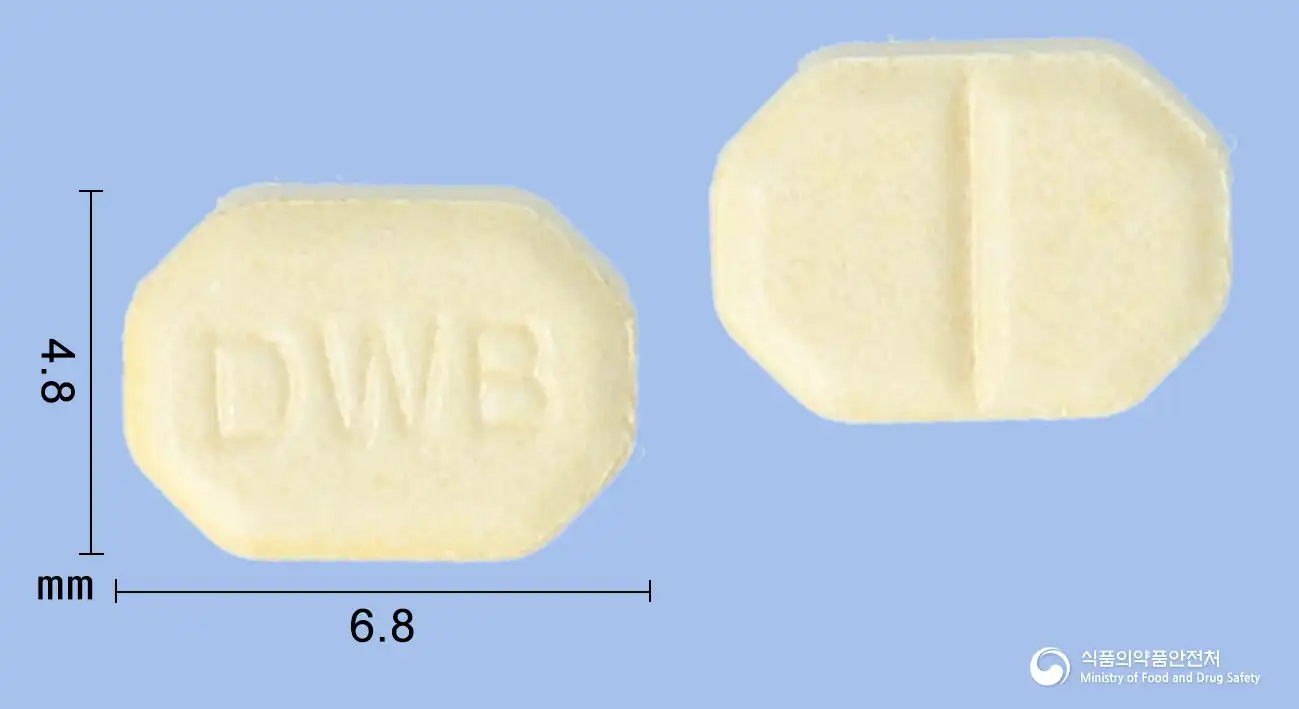
S-Amlodipine Besylate 2.5 Hydrate 3.69mg
Tablet · Prescription medication
Daewoong Bio Co., Ltd.
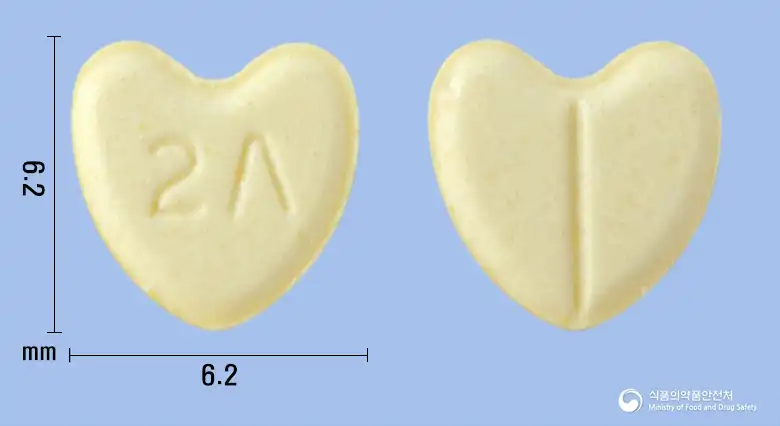
S-Amlodipine Besylate 2.5 Hydrate 3.74mg
Tablet · Prescription medication
Daiwon Pharmaceutical Co., Ltd.
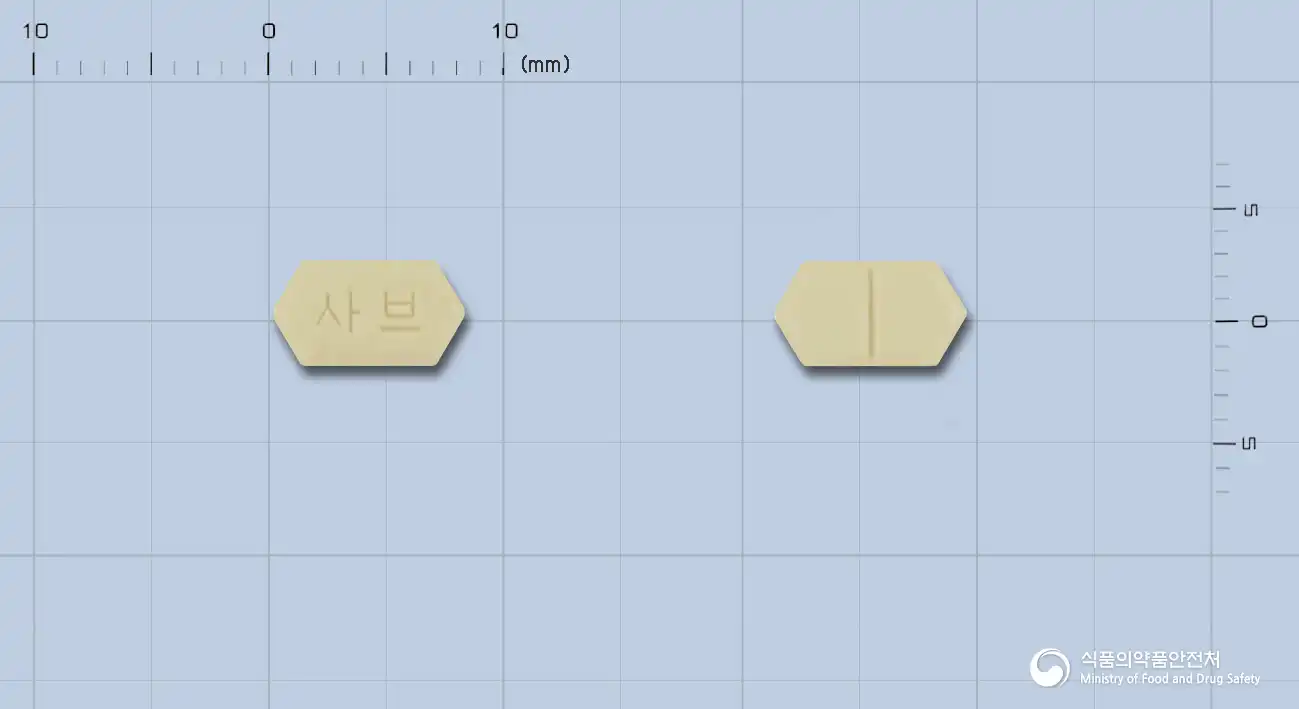
S-Amlodipine Besylate 2.5 Hydrate 3.74mg
Tablet · Prescription medication
Ilsung IS Co., Ltd.
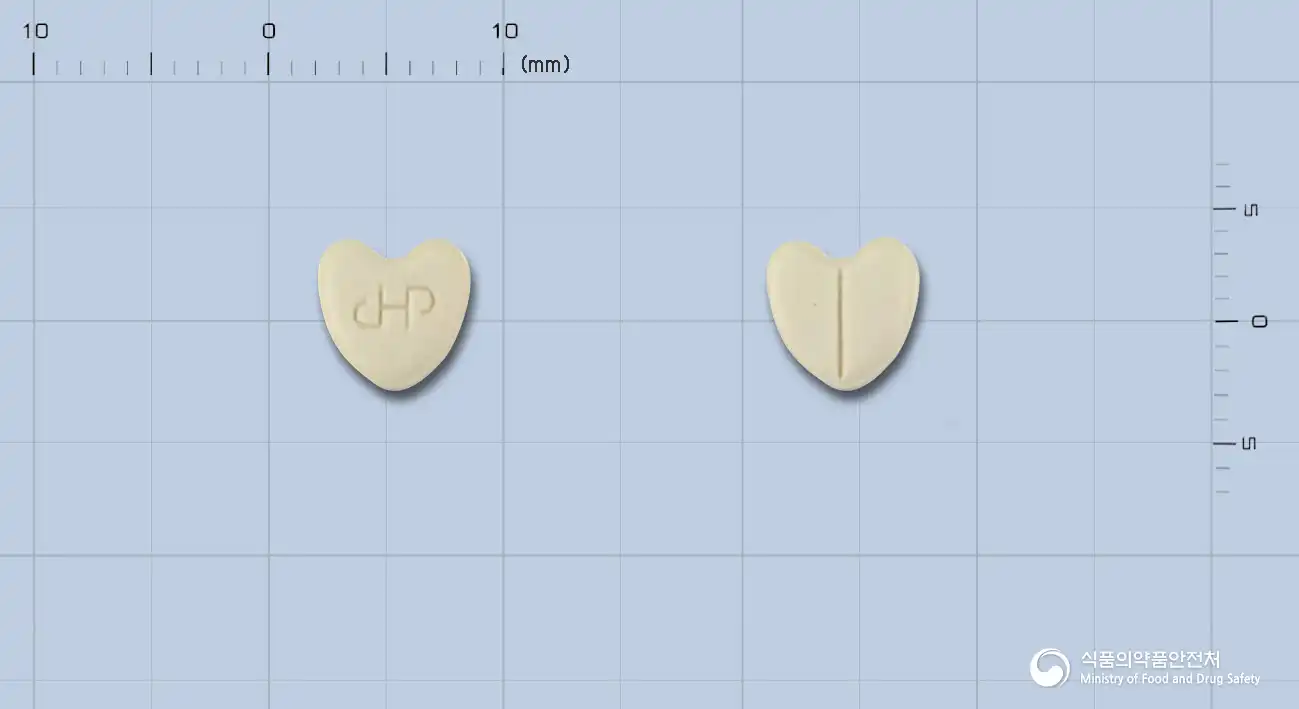
S-Amlodipine Besylate 2.5 Hydrate 3.74mg
Tablet · Prescription medication
Daehwa Pharmaceutical Co., Ltd.
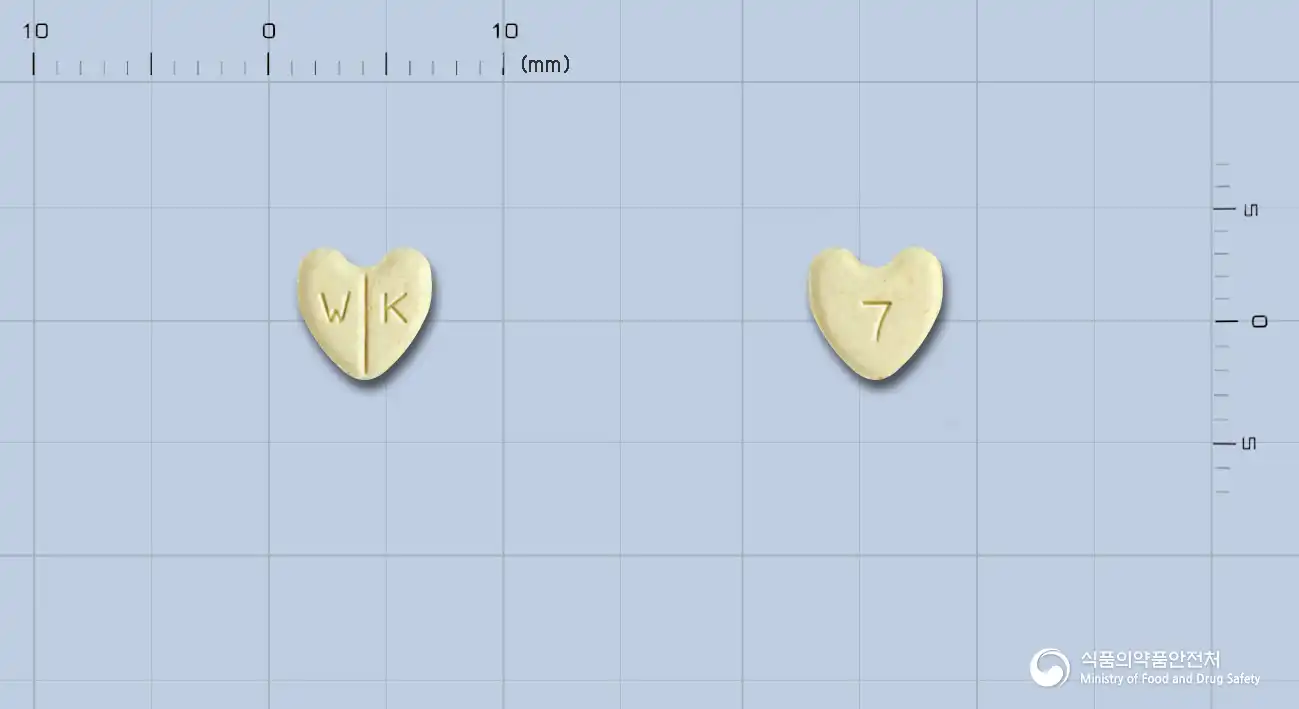
S-Amlodipine Besylate 2.5 Hydrate 3.74mg
Tablet · Prescription medication
Austin Pharmaceutical Co., Ltd.
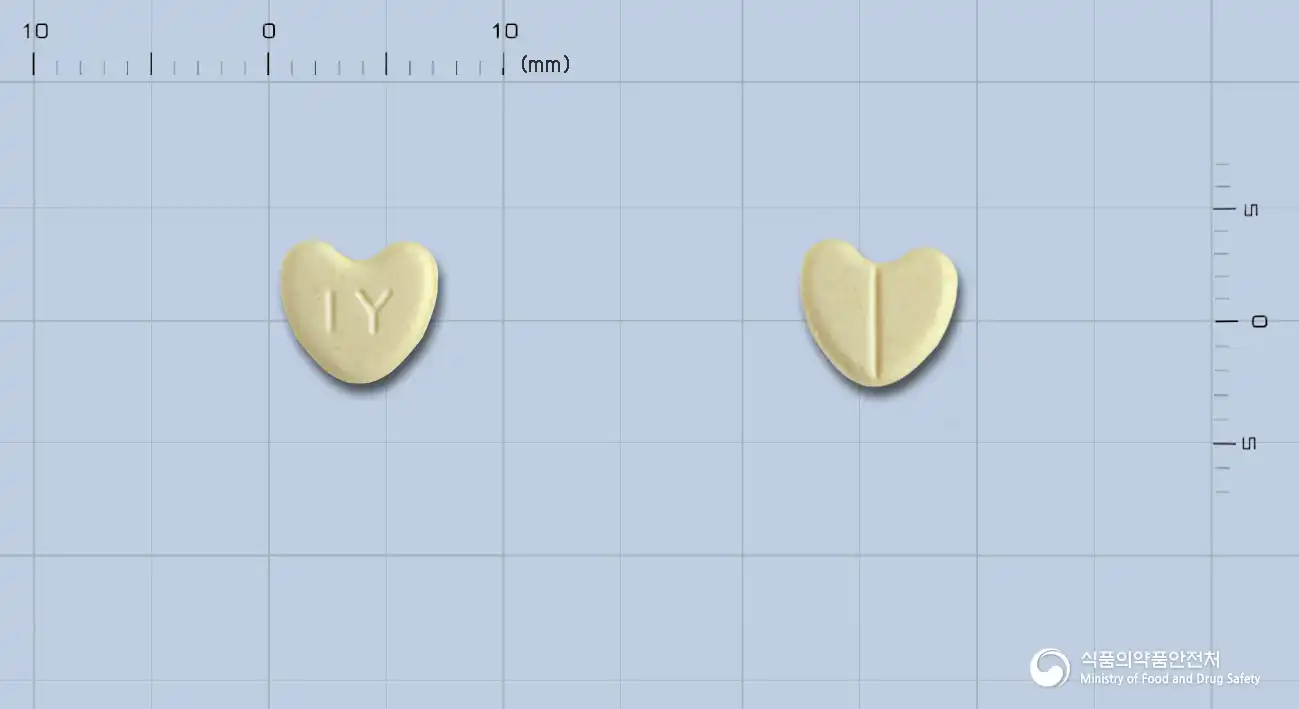
S-Amlodipine Besylate 2.5 Hydrate 3.74mg
Tablet · Prescription medication
Il Yang Pharmaceutical Co., Ltd.
Even with the same ingredient, the dose and directions can differ by strength and dosage form. Talk to a doctor or pharmacist before switching from a medication you are already taking.
No questions yet.
For anything that needs medical judgment, consult a doctor or pharmacist.
This drug information is based on data provided by the Korea Ministry of Food and Drug Safety.
Consult a doctor or pharmacist for accurate dosage, administration, and usage instructions.