
 한국어
 English
 日本語
 中文(简体)
Dosage form image
Viewing nowGanazent Tablets (Itopride Hydrochloride)
Itopride Hydrochloride 50mg
Tablet · Prescription medication
Teragen Etex Co., Ltd.
MFDS item code 202000325 · Approved 2020.01.21
This product's status changed to Expired on 2025.01.21. It may no longer be sold, so consult a doctor or pharmacist before taking it.
Improvement of symptoms of functional dyspepsia (including abdominal distension, upper abdominal pain, and nausea)
This medication is used when gastrointestinal symptoms such as abdominal bloating, upper abdominal pain, loss of appetite, heartburn, nausea, and vomiting occur due to functional dyspepsia. This drug improves stomach function and alleviates symptoms, helping patients experience a comfortable digestive process.
○ Adults: Administer itopride hydrochloride 50 mg orally 3 times daily before meals. Reduce the dose appropriately according to symptoms.
This medication should not be used in certain patients. For example, individuals who are allergic to this medication or have experienced hypersensitivity reactions to it or its ingredients should not take it. Additionally, for patients with gastrointestinal bleeding, obstruction, or perforation, this medication may stimulate gastrointestinal motility, hence it should not be administered. This medication contains lactose, so individuals with genetic disorders that prevent the digestion of lactose should refrain from taking it. When using this medication, it is important to carefully observe for various adverse reactions. In severe cases, acute allergic reactions such as shock or anaphylaxis may occur; if symptoms such as breathing difficulties, skin rash, or low blood pressure arise, use should be immediately discontinued and medical personnel should be notified. Liver dysfunction or jaundice symptoms may also develop, so it is important to regularly monitor liver health. Gastrointestinal symptoms may include nausea, diarrhea, constipation, abdominal pain, and excessive salivation. Neuropsychiatric symptoms may include headaches, anxiety, sleep disturbances, and dizziness. Blood system abnormalities such as gynecomastia, increased prolactin levels, and decreased blood platelets or white blood cells may also occur. Kidney function may be affected, thus kidney function tests may be needed. Rarely, skin rashes, itching, tremors, chest pain, and fatigue have been reported. This medication has a property of enhancing acetylcholine action, so it should be used with this consideration in mind. It is advisable to avoid prolonged use if gastrointestinal symptoms do not improve. When taken with anticholinergics, the effectiveness of this medication may be reduced; thus, it should be used carefully with time intervals between doses. Pregnant women or women who may become pregnant should only use this medication when the benefits of treatment outweigh the risks, as its safety has not been established. During breastfeeding, this medication may be excreted in breast milk, so it is preferable to avoid use, or if unavoidable, discontinue breastfeeding. The safety for pediatric use has not been sufficiently verified, so caution is necessary. Elderly individuals may experience adverse reactions more easily due to declining bodily functions, hence symptoms should be monitored carefully and dose adjustments or discontinuation considered if necessary. This medication should be stored out of reach of children, and transferring it to other containers is not advisable as it may compromise quality and lead to accidents.
Not everyone experiences these, and they can vary from person to person.
This medication should be stored in a tightly sealed container to prevent exposure to air or moisture. It is important to maintain a storage temperature between 1 and 30 degrees Celsius. This will help preserve the medication's efficacy and safety over time.
White round film-coated tablets
30 tablets/bottle, 500 tablets/bottle
Even with the same ingredient, strength, dosage form and how it is taken can differ.
Itopride Hydrochloride 50mg
Tablet · Prescription medication
Teragen Etex Co., Ltd.
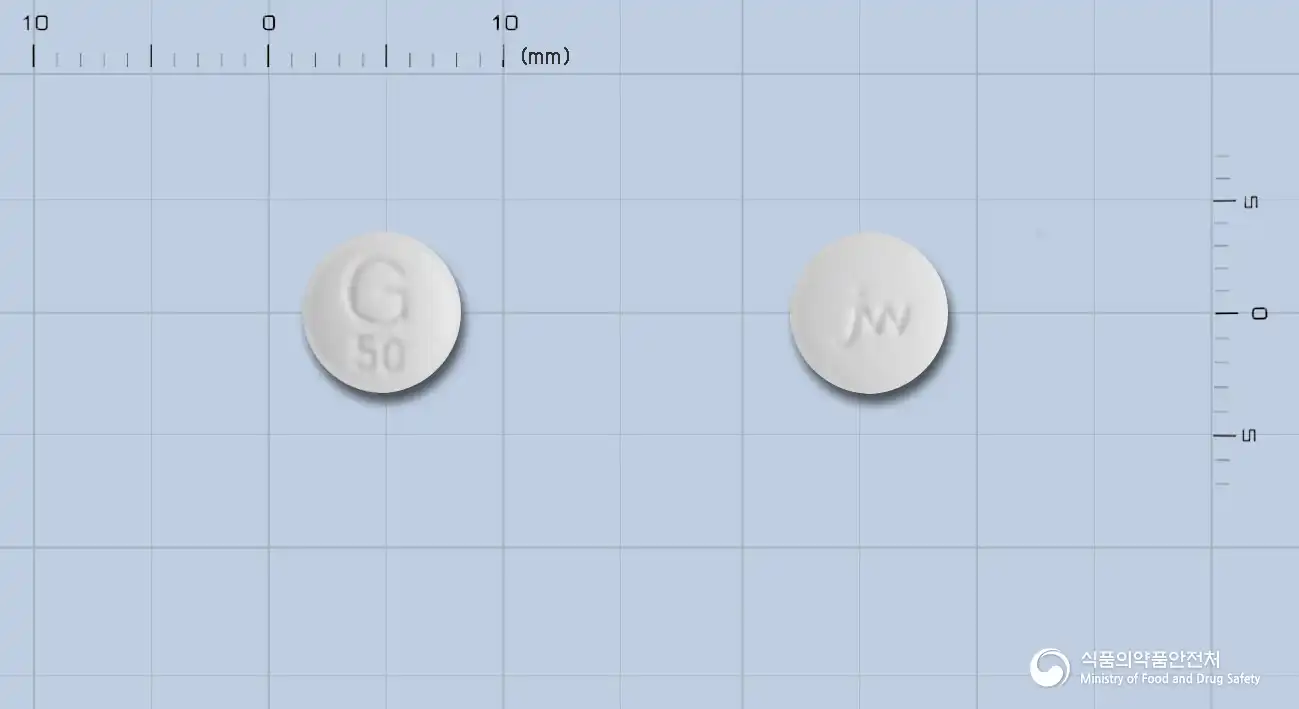
Itopride Hydrochloride 50mg
Tablet · Prescription medication
JW Pharmaceutical Corporation
Itopride Hydrochloride 50mg
Tablet · Prescription medication
Youngpoong Pharmaceutical Co., Ltd.
Itopride Hydrochloride 50mg
Tablet · Prescription medication
Shinpoong Pharmaceutical Co., Ltd.
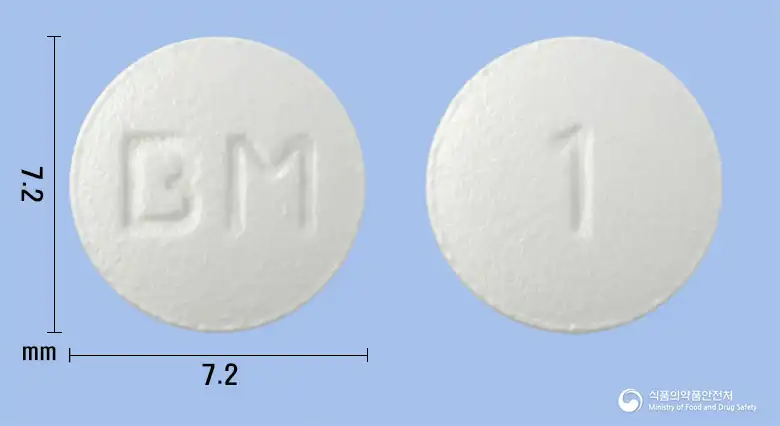
Itopride Hydrochloride 50mg
Tablet · Prescription medication
Korea B.M.I. Co., Ltd.
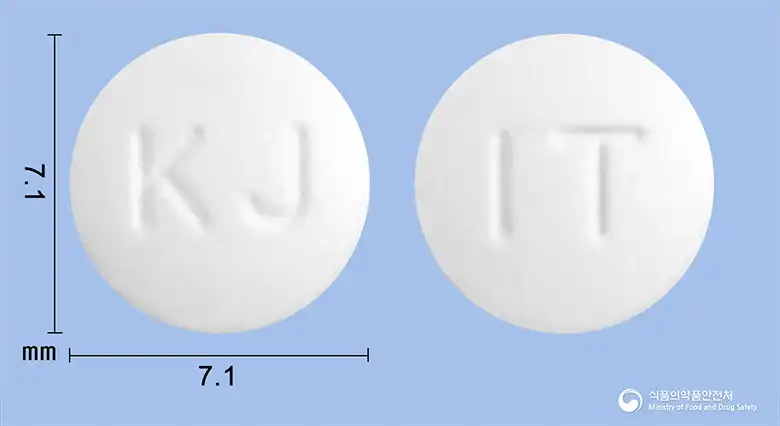
Itopride Hydrochloride 50mg
Tablet · Prescription medication
International Pharmaceutical Co., Ltd.
Itopride Hydrochloride 50mg
Tablet · Prescription medication
Dongwha Pharmaceutical Co., Ltd.
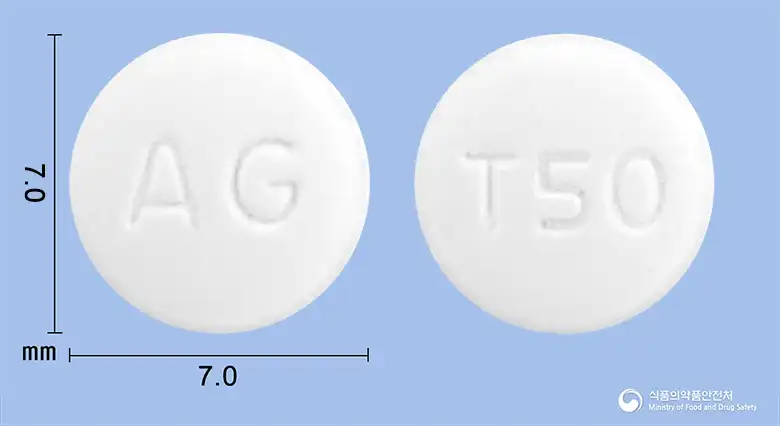
Itopride Hydrochloride 50mg
Tablet · Prescription medication
AhnGuk Pharmaceutical Co., Ltd.
Even with the same ingredient, the dose and directions can differ by strength and dosage form. Talk to a doctor or pharmacist before switching from a medication you are already taking.
No questions yet.
For anything that needs medical judgment, consult a doctor or pharmacist.
This drug information is based on data provided by the Korea Ministry of Food and Drug Safety.
Consult a doctor or pharmacist for accurate dosage, administration, and usage instructions.