
 한국어
한국어 English
 日本語
日本語 中文(简体)
 Viewing now
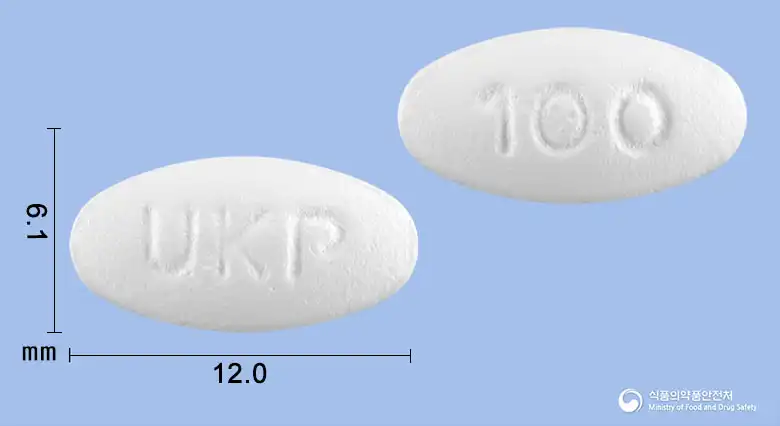
Neurotan Tablet 100mg (Losartan Potassium)
Losartan Potassium 100mg
Tablet · Prescription medication
Korea Union Pharmaceutical Co., Ltd.
MFDS item code 202000113 · Approved 2020.01.08 · Insurance code 665507780
Improvement of hypertension and diabetic nephropathy
This medication is used for the treatment of hypertension. It specifically helps slow the progression of kidney disease in patients with hypertension and type 2 diabetes. Therefore, it is effective in controlling blood pressure and protecting kidney health.
This medication can be taken without regard to meals, but it is recommended to take it at the same time each day. 1. Hypertension - The initial and maintenance doses are recommended to be 50 mg orally once daily as Losartan Potassium. - If the therapeutic effect is insufficient, the same dose may be divided into 2 doses daily or increased up to 100 mg once daily. 2. Kidney disease in patients with hypertension and type 2 diabetes.
Children and adolescents aged 6 years and older (1) Patients weighing between 20 kg and less than 50 kg: 25 mg once daily is recommended, can be increased to 50 mg once daily at maximum. (2) Patients weighing 50 kg or more.
This medication can cause serious harm to the fetus if taken during pregnancy, especially in the second and third trimesters, so it should not be taken by pregnant women or women who may become pregnant. It should not be administered to patients with severely impaired liver function or congenital lactose intolerance, and caution is required for patients with certain heart diseases or a history of angioedema. Elderly patients, those with hyperkalemia, liver impairment, or reduced kidney function should use this medication with greater caution, and regular monitoring is necessary due to the risk of excessively low blood pressure. This medication may cause side effects such as muscle cramps, dizziness, and respiratory infections, and in rare cases, serious allergic reactions, liver dysfunction, or renal failure may occur. If any unusual symptoms appear, consult a healthcare professional immediately. Drug interactions may occur if taken with other antihypertensive medications, potassium-sparing diuretics, certain analgesics, or anticoagulants. It is essential to inform your doctor or pharmacist of any current medications. Pregnant or breastfeeding women should avoid taking this medication, and if it is absolutely necessary to take it, discontinuation is recommended as soon as pregnancy is confirmed, and breastfeeding should also stop. Safety has not been established for children, especially those under 6 years old or children with severe kidney dysfunction, so this medication is not used for them. In cases of overdose, hypotension or abnormal heart rate may occur, so the dosage should be strictly followed, and if overdose is suspected, immediate emergency treatment should be sought. During the use of this medication, regular checks of blood pressure, kidney function, and electrolyte levels are crucial to identify any abnormalities. Be cautious of dizziness or the risk of loss of consciousness due to excessively low blood pressure while driving or operating hazardous machinery.
Hives, severe swelling (edema), potential airway obstruction due to angioedema, chest tightness, difficulty breathing, cold sweat, pallor, severe allergic reactions, high fever with severe rash, blisters, skin peeling, pain in oral/ocular mucosa, severe skin adverse reactions, shortness of breath or difficulty breathing, asthma attacks, respiratory issues accompanied by cough and fever, breathing problems, jaundice of the skin or eyes, extreme lethargy throughout the body, liver issues.
Muscle cramps, back pain, leg pain, dizziness, congestion, upper respiratory infections, sinusitis, nausea, diarrhea, indigestion, cough, sinus disorders, pharyngitis, myalgia, insomnia, headache, weakness, fatigue, abdominal pain, chest pain, swelling of lips and eyelids, facial rash, peeling of palms, hemolysis, facial edema, fever, orthostatic effects, syncope, angina, second-degree atrioventricular block, cerebrovascular accidents, hypotension, myocardial infarction, atrial fibrillation accompanied by adverse effects.
Not everyone experiences these, and they can vary from person to person.
This medication should be stored in a tightly closed container to prevent air and moisture from entering, ideally at room temperature between 1 and 30 degrees Celsius. Proper storage can help maintain the medication's effectiveness over time.
White oval film-coated tablet
30 tablets/bottle, 300 tablets/bottle
Even with the same ingredient, strength, dosage form and how it is taken can differ.
Viewing nowLosartan Potassium 100mg
Tablet · Prescription medication
Korea Union Pharmaceutical Co., Ltd.
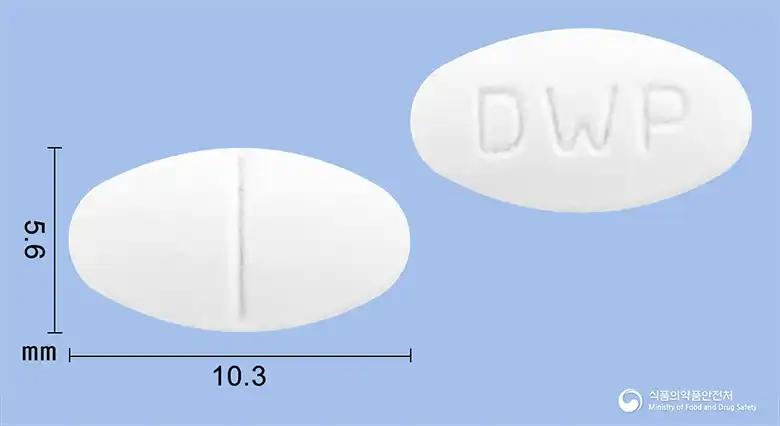
Losartan Potassium 50mg
Tablet · Prescription medication
DaeWon Pharmaceutical Co., Ltd.
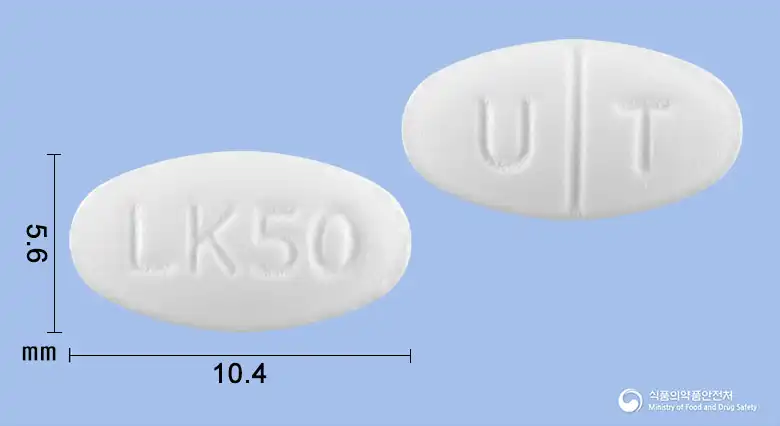
Losartan Potassium 50mg
Tablet · Prescription medication
Korea United Pharm, Co., Ltd.
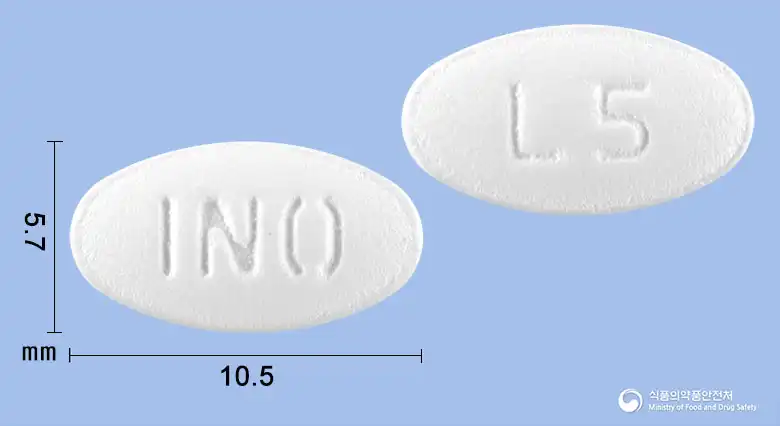
Losartan Potassium 50mg
Tablet · Prescription medication
HK Inno.N Co., Ltd.
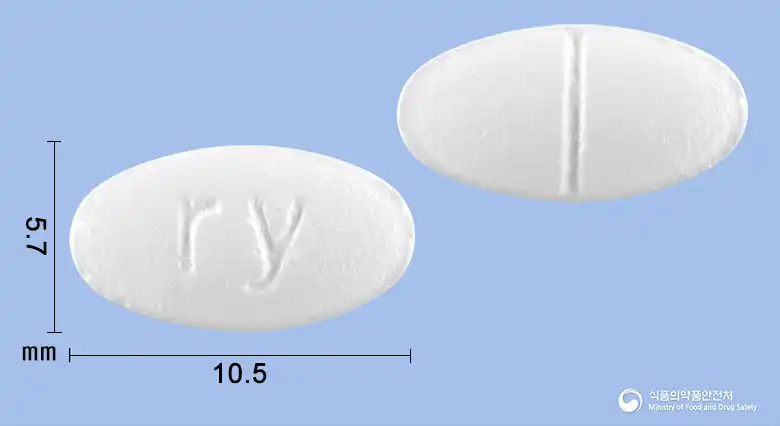
Losartan Potassium 50mg
Tablet · Prescription medication
IYON Pharmaceuticals Co., Ltd.
Losartan Potassium
Prescription medication
JW ShinYak Co., Ltd.
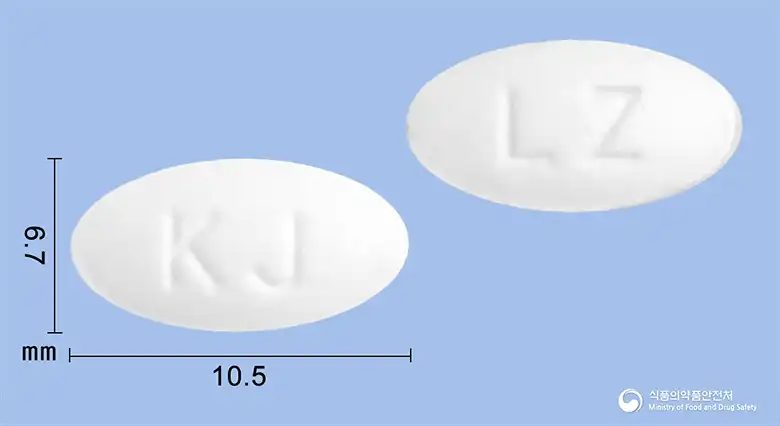
Losartan Potassium 50mg
Tablet · Prescription medication
Kukje Pharmaceutical Co., Ltd.
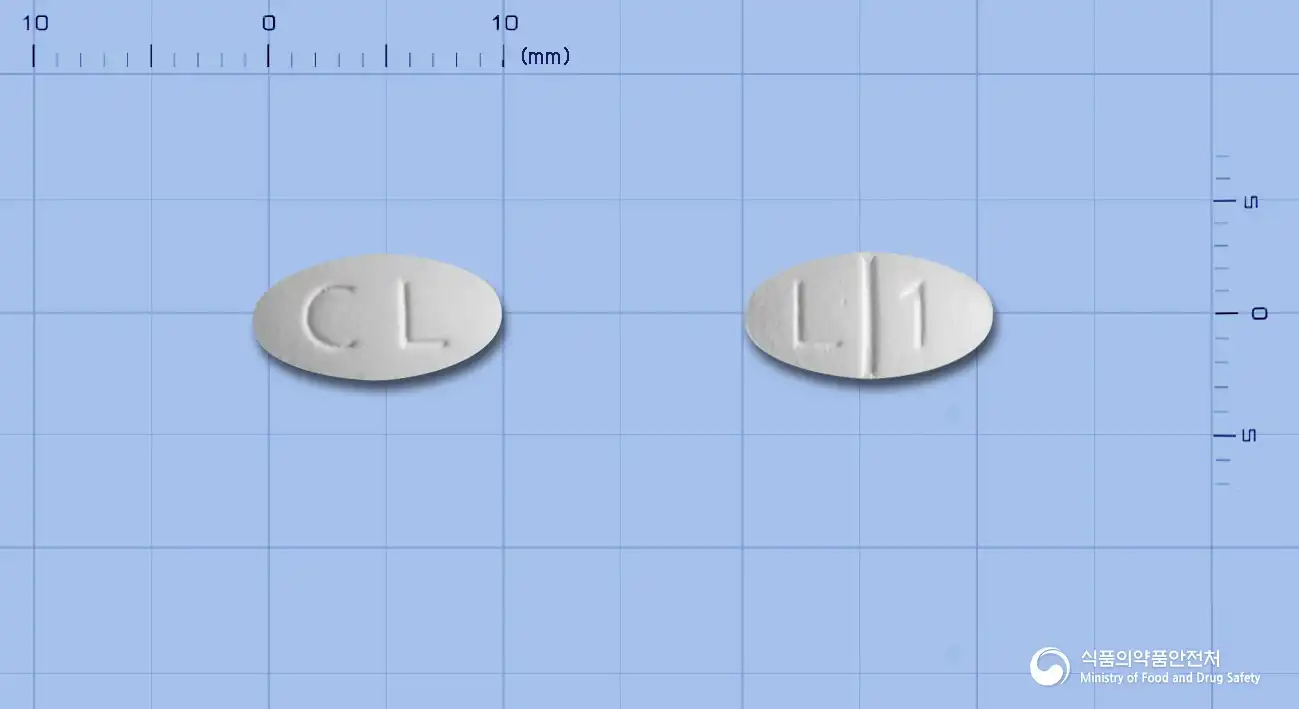
Losartan Potassium 50mg
Tablet · Prescription medication
Celltrion Pharmaceutical Co., Ltd.
Even with the same ingredient, the dose and directions can differ by strength and dosage form. Talk to a doctor or pharmacist before switching from a medication you are already taking.
No questions yet.
For anything that needs medical judgment, consult a doctor or pharmacist.
This drug information is based on data provided by the Korea Ministry of Food and Drug Safety.
Consult a doctor or pharmacist for accurate dosage, administration, and usage instructions.