
 한국어
한국어 English
 日本語
日本語 中文(简体)
Dosage form image
Viewing nowSilozone Sustained Release Capsule 100 mg (Sildenafil)
Cilostazol 100mg
Hard capsule · Prescription medication
Korea Pavis Pharmaceutical Co., Ltd.
MFDS item code 202000081 · Approved 2020.01.06
This product's status changed to Expired on 2025.01.06. It may no longer be sold, so consult a doctor or pharmacist before taking it.
Improvement of chronic arterial occlusive disease (ulcers, pain, etc.) and prevention of recurrent cerebral infarction.
This medicine is used to improve ischemic symptoms such as ulcers, pain, and cold sensation due to chronic arterial occlusive disease. It also plays a role in inhibiting recurrence after a cerebral infarction has occurred. Therefore, it is widely used in the treatment of peripheral vascular and cerebrovascular diseases.
As Sildenafil, the usual adult dosage is 200 mg orally once a day. This medication should be taken on an empty stomach avoiding meals.
This medication may increase heart rate, which can result in angina symptoms; therefore, careful observation for angina symptoms such as chest pain is necessary. It should not be used in patients with high risk of bleeding or bleeding-related conditions. Patients with congestive heart failure, those who have had allergic reactions to this medication, and pregnant or nursing women should not be administered this drug. Patients taking anticoagulants, antiplatelet agents, or thrombolytics should use this with caution due to the risk of bleeding. Women during menstruation should take caution as the risk of bleeding may increase. Patients with severe renal failure or liver failure may have increased serum concentrations of this medication and should be administered cautiously. Diabetic patients may experience bleeding side effects more easily and should take care. Patients with sustained high blood pressure or abnormal heart rhythms should also be administered cautiously, especially those with coronary artery stenosis, as the increase in pulse rate can exacerbate angina. This medication may cause various side effects including headache, diarrhea, palpitations, joint pain, chest discomfort, rashes, itching, anxiety, nausea, indigestion, vomiting, loss of appetite, abdominal pain, syncope, palpitations, dizziness, insomnia, numbness, drowsiness, tremors, abnormal stools, gallstones, colitis, duodenal ulcers, duodenitis, esophagitis, gastritis, gastroenteritis, gum bleeding, black stools, peptic ulcers, periodontal abscess, tongue swelling, heartburn, abdominal bloating, erythrocytosis, and purpura. If serious bleeding or blood abnormalities occur, administration should be stopped immediately. Dizziness may occur during treatment with this medication, so caution is advised when driving or operating machinery. Taking this medication with food may increase serum drug concentrations and risk of side effects, so it is preferable to take it on an empty stomach. When combined with drugs that interact with liver metabolic enzymes, drug concentrations may increase, requiring dosage adjustments. Pregnant or nursing women should not use this medication, and nursing should be suspended during the period of administration. Dosage adjustments may be necessary for children and the elderly due to decreased physical function, and safety has not been fully established. In cases of overdose, symptoms such as headache, diarrhea, hypotension, and tachycardia may appear, and immediate medical assistance should be sought.
Not everyone experiences these, and they can vary from person to person.
This medication should be stored in a tightly closed container to protect it from air or moisture. Additionally, it is best to store the drug at room temperature between 1 to 30 degrees Celsius, not in too hot or too cold places.
A hard capsule with a white or light yellow granule inside, both top and bottom white.
30 capsules/bottle, 500 capsules/bottle
Even with the same ingredient, strength, dosage form and how it is taken can differ.
Cilostazol 100mg
Hard capsule · Prescription medication
Korea Pavis Pharmaceutical Co., Ltd.
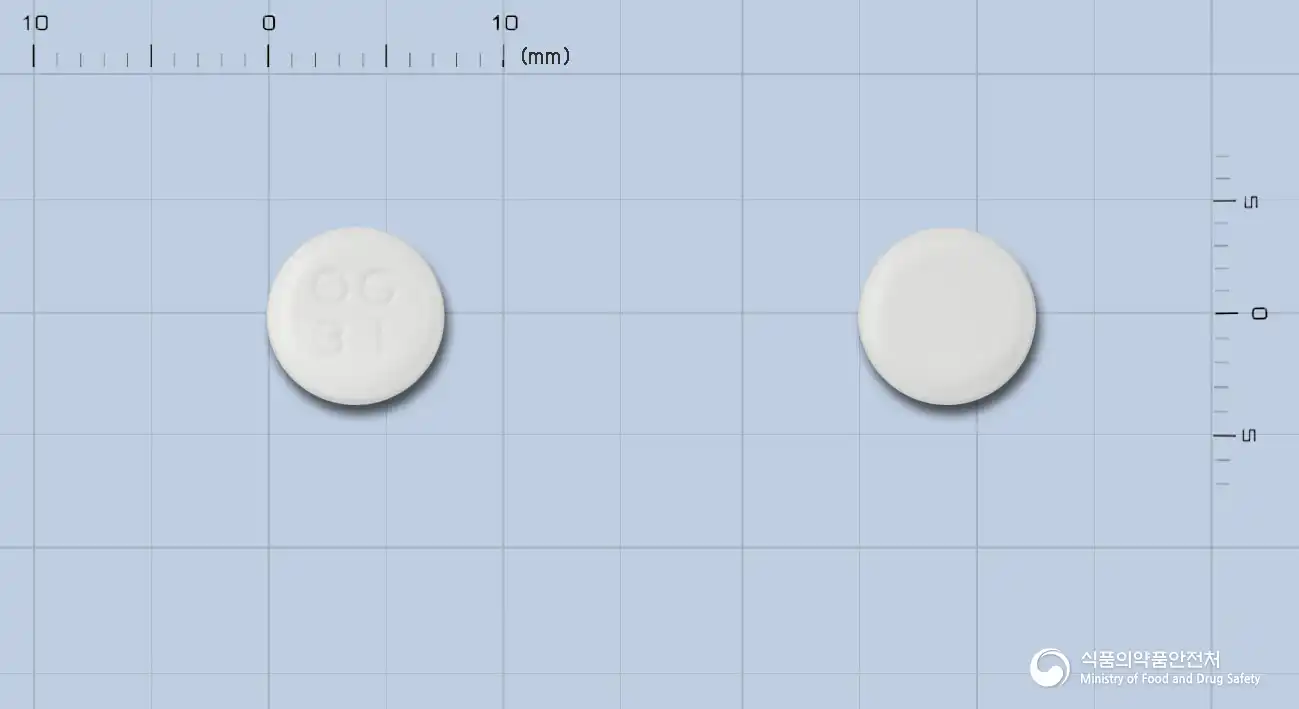
Cilostazol 50mg
Tablet · Prescription medication
Otsuka Pharmaceutical Co., Ltd.
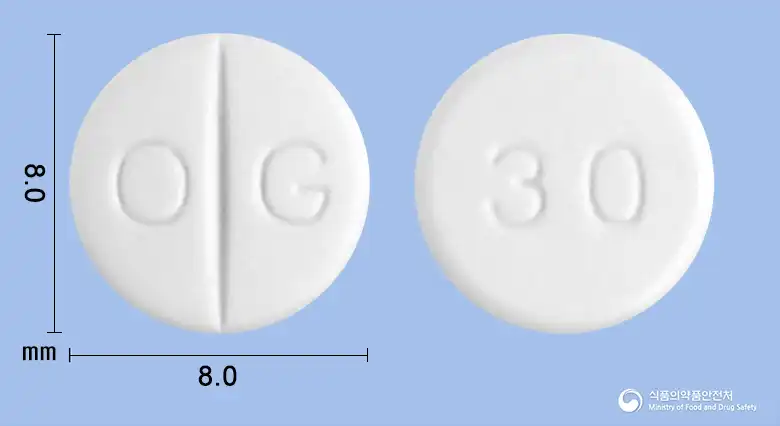
Cilostazol 100mg
Tablet · Prescription medication
Korea Otsuka Pharmaceutical Co., Ltd.
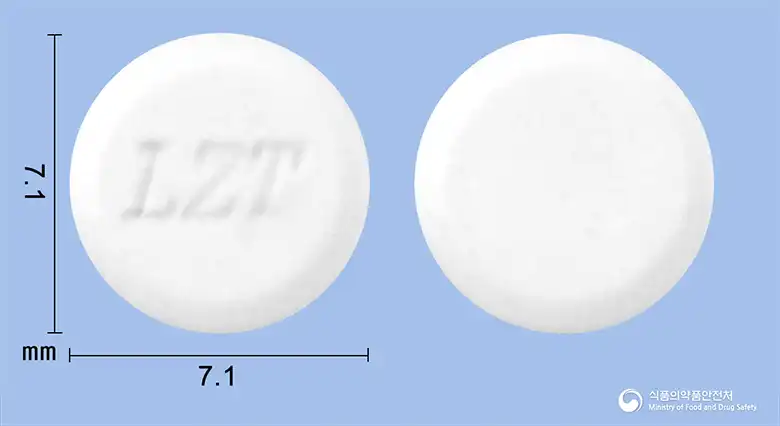
Cilostazol 50mg
Tablet · Prescription medication
Kyungdong Pharmaceutical Co., Ltd.
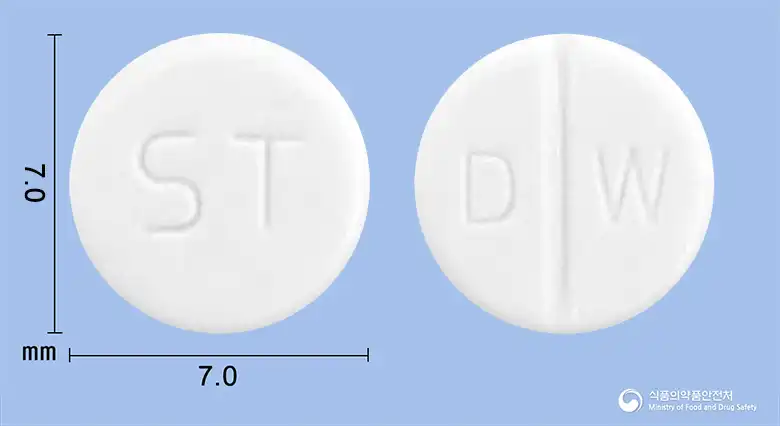
Cilostazol 50mg
Tablet · Prescription medication
Daewon Pharmaceutical Co., Ltd.
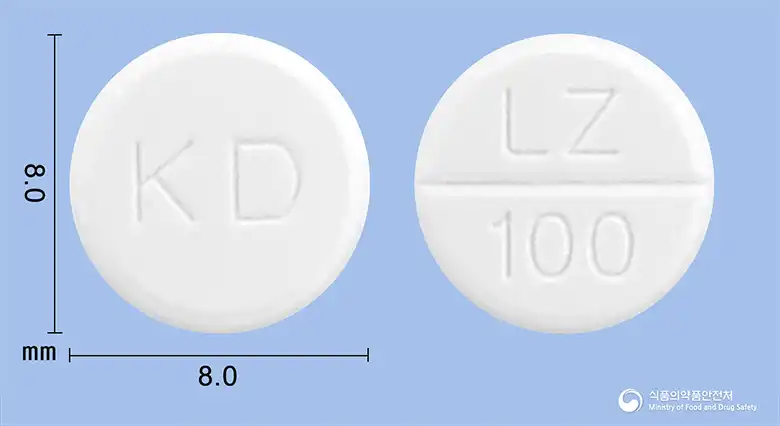
Cilostazol 100mg
Tablet · Prescription medication
Kyungdong Pharmaceutical Co., Ltd.
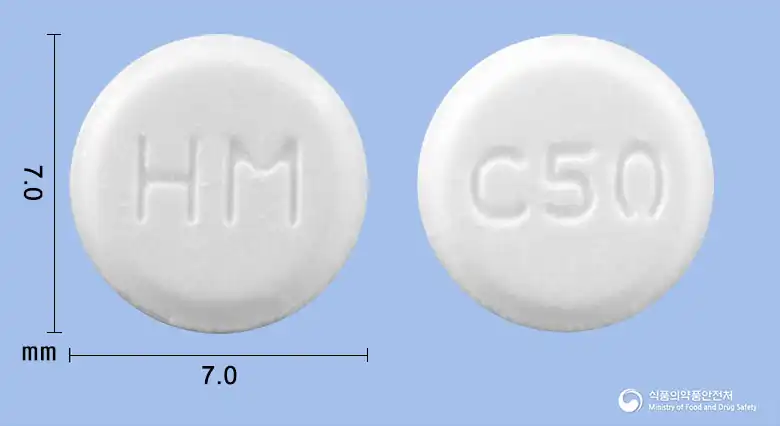
Cilostazol 50mg
Tablet · Prescription medication
Hanmi Pharmaceutical Co., Ltd.
Cilostazol
Prescription medication
Daehan New Pharm Co., Ltd.
Even with the same ingredient, the dose and directions can differ by strength and dosage form. Talk to a doctor or pharmacist before switching from a medication you are already taking.
No questions yet.
For anything that needs medical judgment, consult a doctor or pharmacist.
This drug information is based on data provided by the Korea Ministry of Food and Drug Safety.
Consult a doctor or pharmacist for accurate dosage, administration, and usage instructions.