
 한국어
한국어 English
 日本語
日本語 中文(简体)
 Viewing now
Allergy Zall Tablets (Levocetirizine Hydrochloride)
Levocetirizine Hydrochloride 5mg
Tablet · Prescription medication
The U Pharmaceutical Co., Ltd.
MFDS item code 202000038 · Notified 2020.01.03 · Insurance code 057000590
Relief of allergic rhinitis, chronic urticaria, and dermatitis itching
This medication is used to relieve symptoms of seasonal and perennial allergic rhinitis, chronic idiopathic urticaria, and symptoms of dermatitis and eczema accompanied by itching. Therefore, it helps effectively improve nasal congestion or sneezing due to allergies and skin itching.
Adults and children over 6 years: Take 1 tablet (Levocetirizine Hydrochloride 5 mg) once daily, orally, regardless of meals. Patients with renal impairment should adjust the dose according to their kidney function (glomerular filtration rate (eGFR)). - Normal kidney function (≥ 90 mL/min): 1 tablet once daily - Mildly reduced kidney function (60 - < 90 mL/min): 1 tablet once daily - Moderately reduced kidney function (30
Children over 6 years: Take 1 tablet (Levocetirizine Hydrochloride 5 mg) once daily, orally, regardless of meals.
This medicine should not be used by patients who are allergic to certain ingredients or have a history of hypersensitivity to hydroxyzine or piperazine derivatives. It is contraindicated for patients with end-stage renal disease or those undergoing dialysis. Infants under 1 year of age should not use this medication, and children under 6 years of age should be given the liquid form instead of tablets. This medication contains lactose; therefore, patients with genetic problems such as lactose intolerance, lactase deficiency, or glucose-galactose malabsorption should not take it. Patients with impaired renal or liver function or the elderly should use this medication carefully, as its blood concentration may increase. Taking this medication can result in drowsiness, fatigue, headache, dizziness, and other neurological symptoms; caution should be taken when performing activities that require concentration, such as driving or operating machinery. Combining this medicine with alcohol or other medications that affect the central nervous system may exacerbate drowsiness or decreased concentration, so concurrent use should be avoided. Patients with urinary retention risk factors, such as urinary discharge obstruction, spinal cord injury, or benign prostatic hyperplasia, should exercise caution when taking this medication. In patients with epilepsy or seizure risk, symptoms may worsen after taking this medication; thus, it should be used cautiously. No significant risks have been reported for pregnant women, but if used during pregnancy, it should be administered cautiously after consulting with a professional. Breastfeeding women need to be cautious as the component of this medication may be secreted in breast milk, which could lead to adverse reactions in the infant. In children, this medication should not be used in infants under 1 year and liquid form is safer for children under 6 years. The elderly may have decreased kidney function, allowing the drug to remain in the body longer; hence, it is advisable to start at a lower dose and adjust according to their condition. It is recommended to discontinue this medication 3-5 days prior to allergy skin tests. In case of overdose, symptoms such as drowsiness, restlessness, and agitation may occur and since no specific antidote exists, symptomatic treatment is essential. This medication is not removed by dialysis; therefore, appropriate measures such as gastric lavage are necessary in case of overdose.
Urticaria, severe swelling (edema), angioedema, anaphylactic shock, rash (possible severe skin reaction), shortness of breath, bronchospasm, elevated blood pressure, liver abnormalities (possibly including jaundice), hepatitis, severe swelling, significantly reduced urine output (urination abnormalities), headache (possibly including severe neurological symptoms), numbness, visual disturbances, fainting, seizures, loss of consciousness, confusion
Not everyone experiences these, and they can vary from person to person.
This medication should be stored in a tightly sealed container that can block light and kept at room temperature between 1 degree and 30 degrees Celsius. Storing it this way helps maintain the medication's effectiveness.
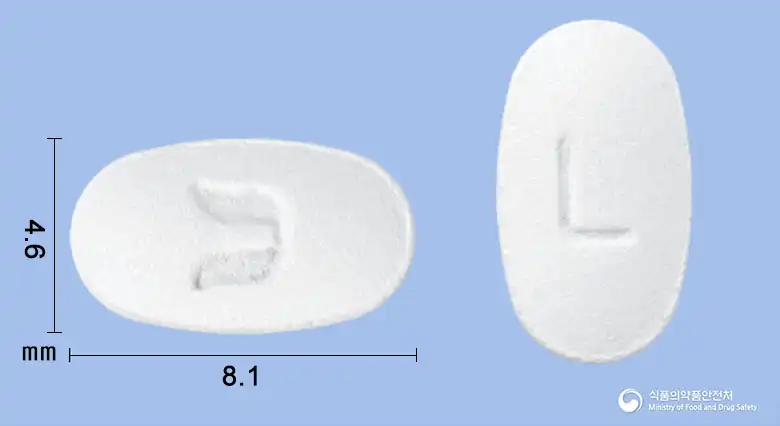
White or pale yellow oval film-coated tablets
30 tablets/bottle, 300 tablets/bottle
Even with the same ingredient, strength, dosage form and how it is taken can differ.
Viewing nowLevocetirizine Hydrochloride 5mg
Tablet · Prescription medication
The U Pharmaceutical Co., Ltd.
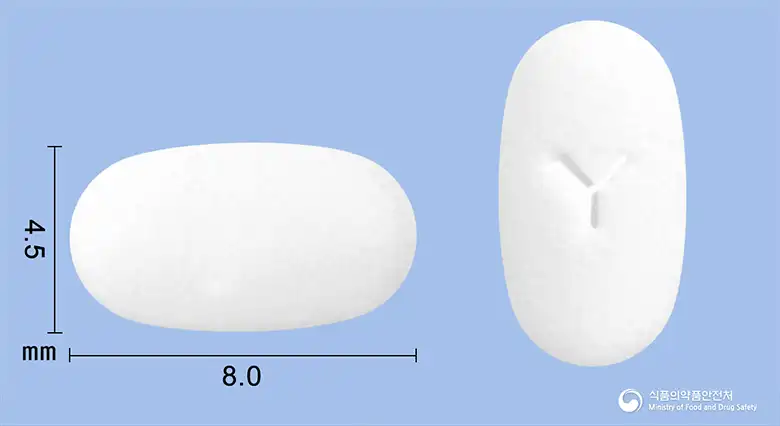
Levocetirizine Hydrochloride 5mg
Tablet · Prescription medication
HanKook UCB Pharma Co., Ltd.
Levocetirizine Hydrochloride 50mg
Solution · Prescription medication
Korea UCB Pharmaceutical Co., Ltd.
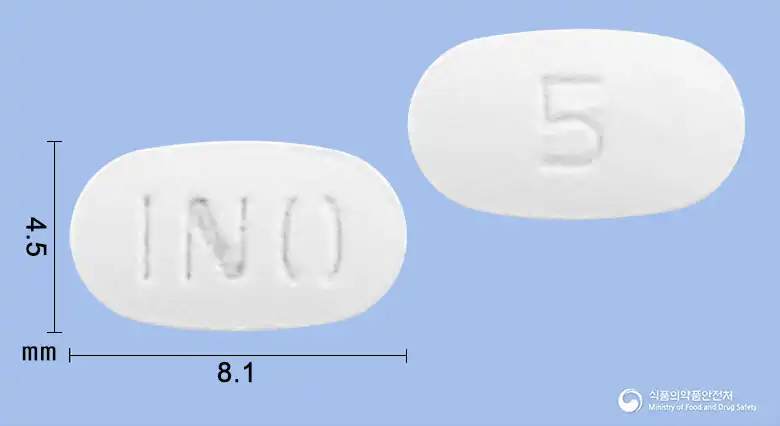
Levocetirizine Hydrochloride 5mg
Tablet · Prescription medication
HK inno.N Co., Ltd.
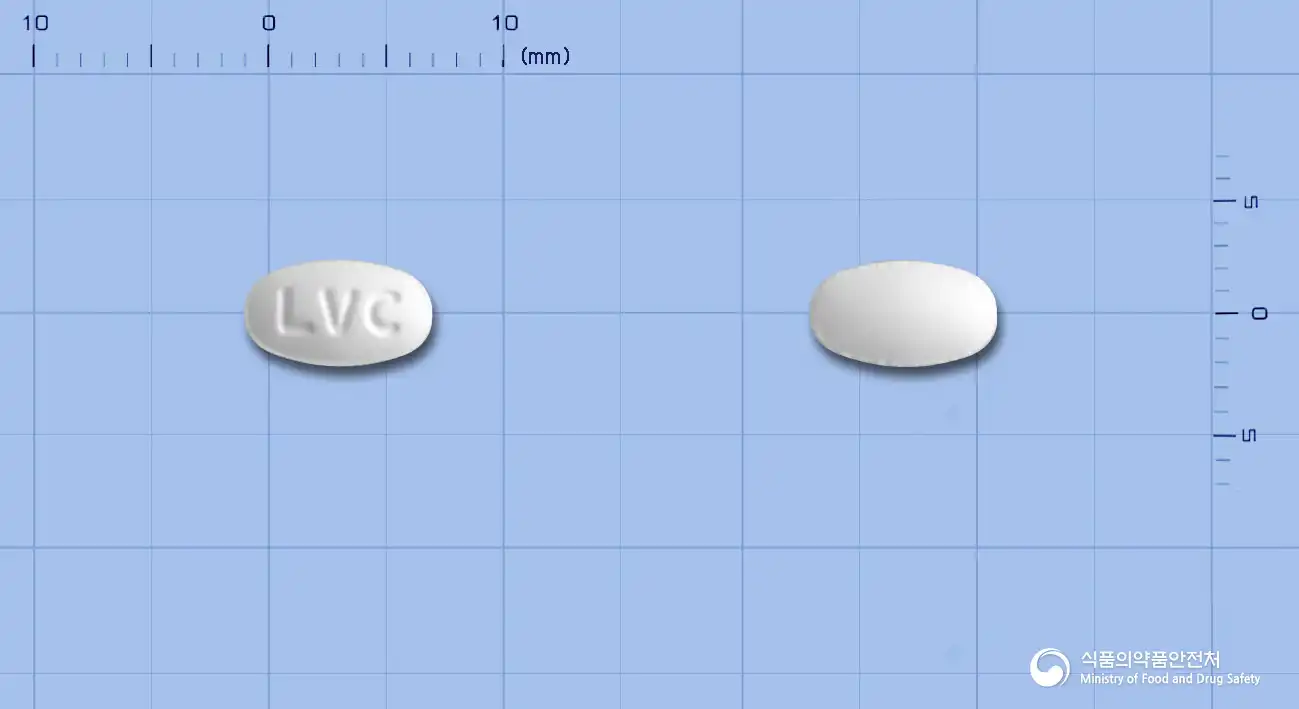
Levocetirizine Hydrochloride 5mg
Tablet · Prescription medication
Hanwha Pharmaceutical Co., Ltd.
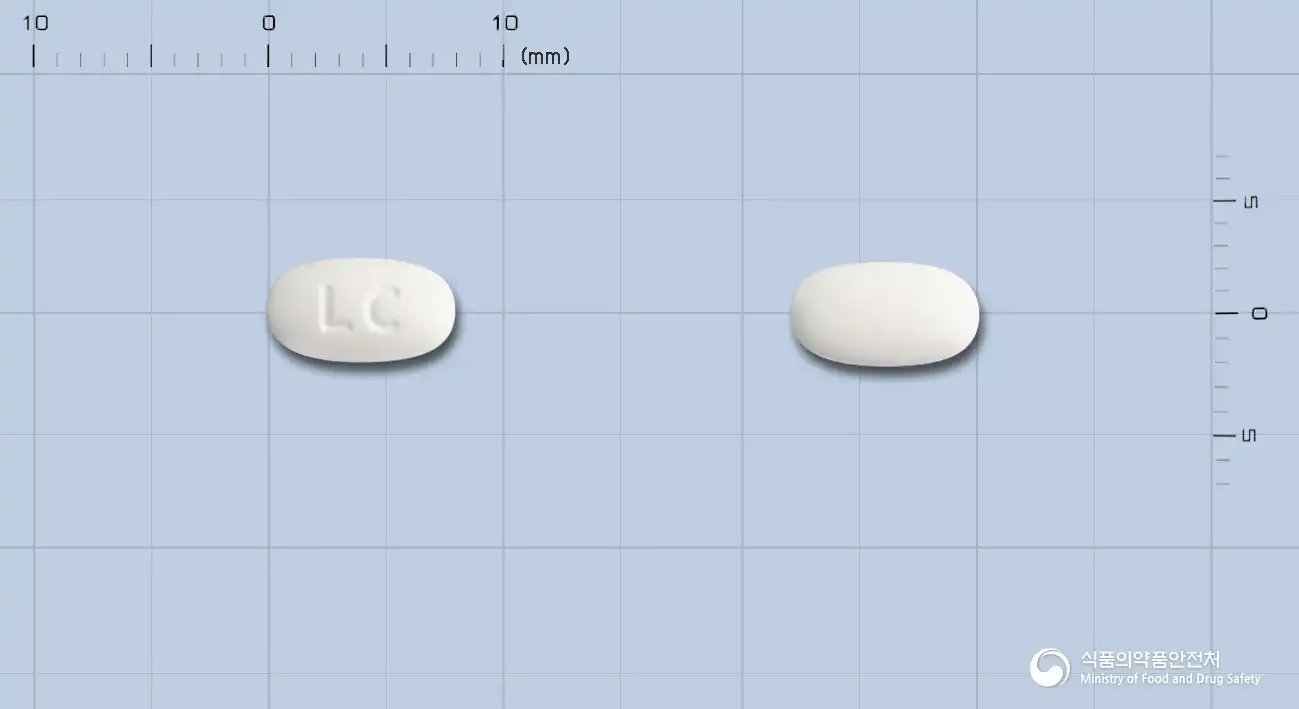
Levocetirizine Hydrochloride 5mg
Tablet · Prescription medication
Dongkwang Pharmaceutical Co., Ltd.
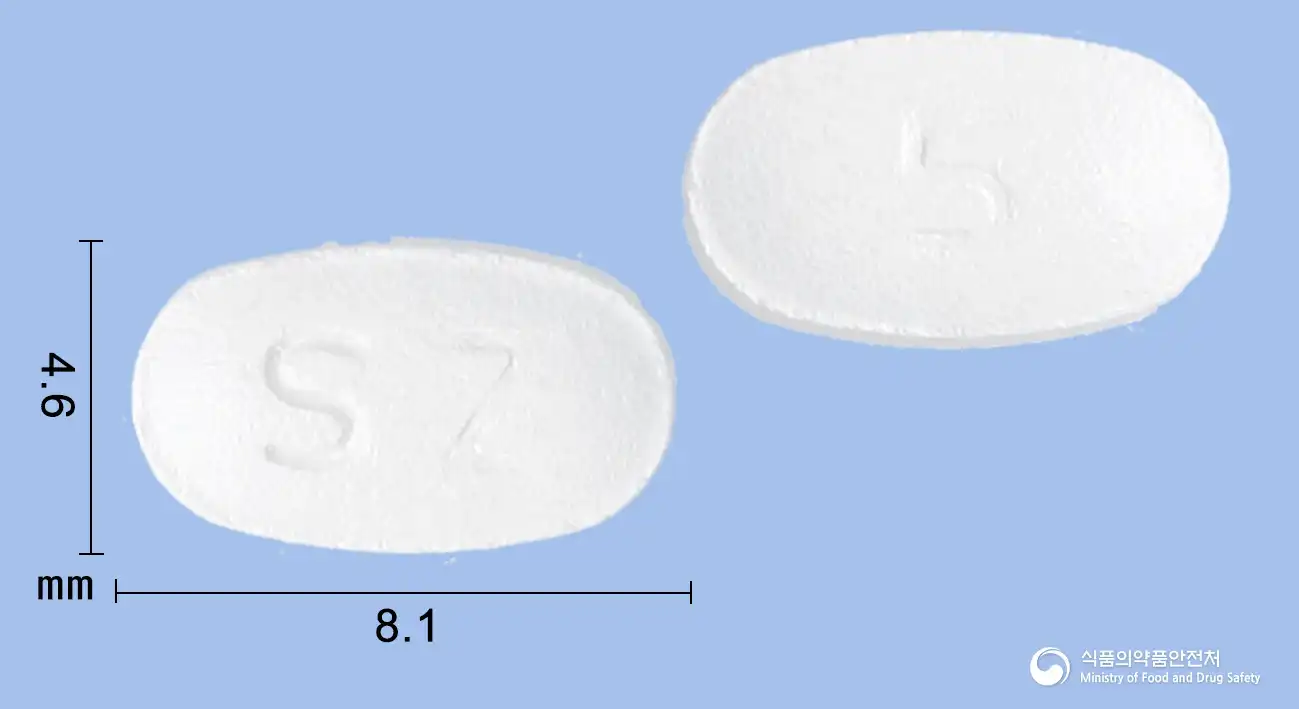
Levocetirizine Hydrochloride 5mg
Tablet · Prescription medication
Kyungdong Pharmaceutical Co., Ltd.
Levocetirizine Hydrochloride 5mg
Tablet · Prescription medication
Hanlim Pharmaceutical Co., Ltd.
Even with the same ingredient, the dose and directions can differ by strength and dosage form. Talk to a doctor or pharmacist before switching from a medication you are already taking.
No questions yet.
For anything that needs medical judgment, consult a doctor or pharmacist.
This drug information is based on data provided by the Korea Ministry of Food and Drug Safety.
Consult a doctor or pharmacist for accurate dosage, administration, and usage instructions.