
 한국어
한국어 English
 日本語
日本語 中文(简体)
Dosage form image
Viewing nowFamotin Tablet (Famotidine)
Famotidine 20mg
Tablet · Prescription medication
Korea Prime Pharmaceutical Co., Ltd.
MFDS item code 201908710 · Approved 2019.12.31
This product's status changed to Approval withdrawn on 2024.09.26. It may no longer be sold, so consult a doctor or pharmacist before taking it.
Treatment of gastric ulcers and upper gastrointestinal bleeding (such as peptic ulcers), improvement of gastric mucosal lesions (erosions, bleeding, etc.)
This medication is effective for gastric and duodenal ulcers, anastomotic ulcers, and upper gastrointestinal bleeding from the stomach or duodenum. It is also used to improve bleeding due to peptic ulcers, acute stress ulcers, and hemorrhagic gastritis. Effective for gastroesophageal reflux disease and Zollinger-Ellison syndrome as well. Additionally, it treats gastric mucosal lesions such as erosions, bleeding, redness, and swelling occurring during acute exacerbations of acute gastritis and chronic gastritis. It helps to repair damage to the gastric mucosa and restore gastrointestinal health. Overall, it is effectively used for various diseases of the digestive system.
1. Gastric, duodenal ulcers, anastomotic ulcers, upper gastrointestinal bleeding, gastroesophageal reflux disease, Zollinger-Ellison syndrome: 20 mg orally twice a day (after breakfast, after dinner, or at bedtime) or 40 mg orally once daily (at bedtime). In cases of upper gastrointestinal bleeding, treatment typically begins with injections and switches to oral administration once it is possible. 2. Improvement of gastric mucosal lesions (erosions, bleeding, redness, swelling) during acute exacerbations of acute gastritis and chronic gastritis.
This medication should not be used in certain patients. Individuals allergic to this drug or similar medications should not take it. Patients with a genetic condition that interferes with the breakdown of lactose should also avoid this medication. This medication should be used with caution in some patients. Individuals who have had a drug allergy in the past should take it cautiously. Patients with poor kidney function may experience increased drug concentration, so dosage should be reduced or the interval between doses should be extended. Patients with heart disease should be cautious due to possible cardiovascular side effects. Patients with compromised liver function should be careful as symptoms may worsen. Additionally, the elderly are at higher risk of decreased kidney function and should use this medication cautiously. This medication can cause severe side effects. Rarely, severe allergic reactions such as anaphylaxis may occur, so if any unusual symptoms appear during use, immediately discontinue and seek medical assistance. Regular blood tests are necessary as blood cell count may decrease. Severe rashes on the skin or mucosal damage may occur, and these symptoms should prompt immediate discontinuation of the medication. Liver dysfunction or jaundice symptoms may also arise, necessitating careful monitoring. Symptoms of muscle damage or heart rhythm abnormalities should be treated immediately if suspected. Neurological symptoms, such as decreased consciousness or seizures, may occur, requiring caution. Inflammation may develop in the kidneys or lungs, and if associated symptoms occur, medication should be discontinued immediately. Generally, when using this medication, it is important to closely monitor treatment progress and use only the minimum necessary dosage. This medication dissolves in the mouth but is not absorbed through the mucosa, so it should be swallowed with water. Patients undergoing dialysis should be cautious as specific phosphate binders may reduce its effectiveness when used together. This medication may interact with other drugs. In particular, when taken together with certain antifungals or specific anticancer drugs, the efficacy of this medication or the corresponding drug may decrease, so consultation with a physician is advised. Elderly patients may be at risk of increased drug concentration due to decreased kidney function, so dosage adjustments are necessary. Pregnant women or those who may become pregnant should use this medication only when the benefits outweigh the risks, and safety has not been fully verified. Nursing mothers are advised to discontinue breastfeeding as this medication may pass into breast milk. Safety of this medication in children has not been adequately established, so caution is advised in its use. Finally, this medication may mask the symptoms of stomach cancer, so it should only be used after malignant potential has been ruled out.
Hives, severe swelling (edema), difficulty breathing, shock, anaphylaxis, generalized flushing, angioedema (facial swelling, pharyngeal swelling), pancytopenia, agranulocytosis, aplastic anemia, hemolytic anemia, thrombocytopenia, Stevens-Johnson syndrome, Lyell's syndrome, jaundice, liver dysfunction, rhabdomyolysis, QT prolongation, ventricular tachycardia, ventricular fibrillation, altered consciousness, seizures, interstitial nephritis, acute renal failure, interstitial pneumonia, failure to contract.
Not everyone experiences these, and they can vary from person to person.
Store this medication in a tightly sealed container that does not allow air to enter, at a temperature between 1°C and 30°C. Proper storage helps maintain the medication's effectiveness and prevents deterioration.
White round film-coated tablet
30 tablets/bottle, 500 tablets/bottle, 1000 tablets/bottle
Even with the same ingredient, strength, dosage form and how it is taken can differ.
Famotidine 20mg
Tablet · Prescription medication
Korea Prime Pharmaceutical Co., Ltd.
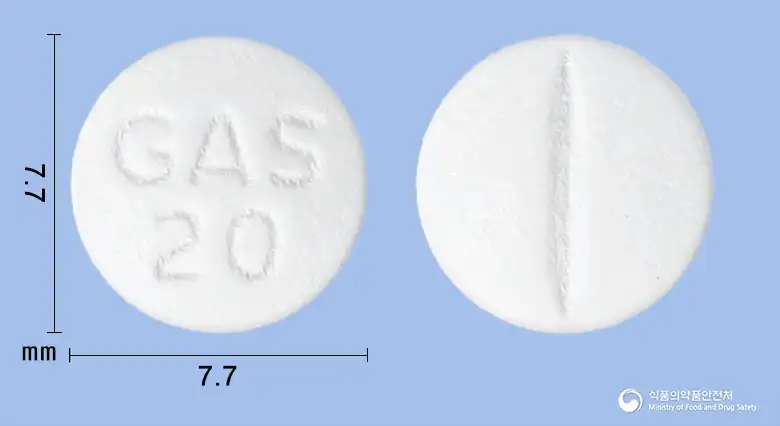
Famotidine 20mg
Prescription medication
Dong-A ST Co., Ltd.
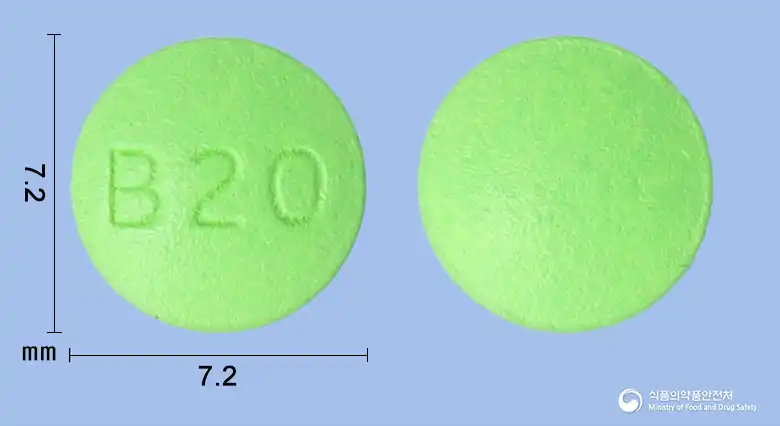
Famotidine 20mg
Tablet · Prescription medication
JW Pharmaceutical Corporation
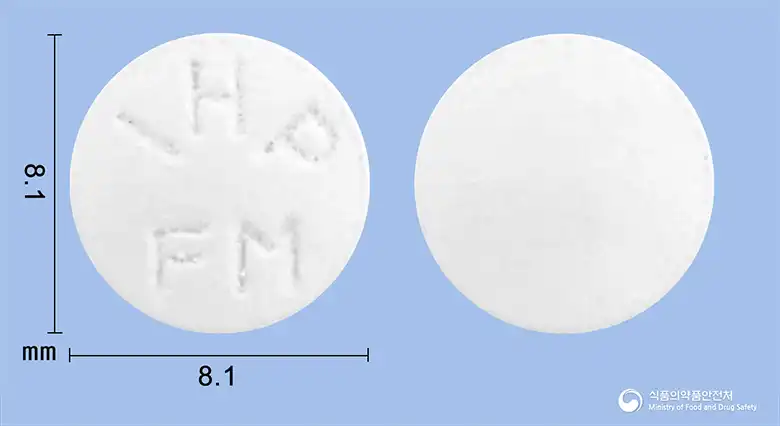
Famotidine 20mg
Tablet · Prescription medication
(Stock Company) Ilhwa
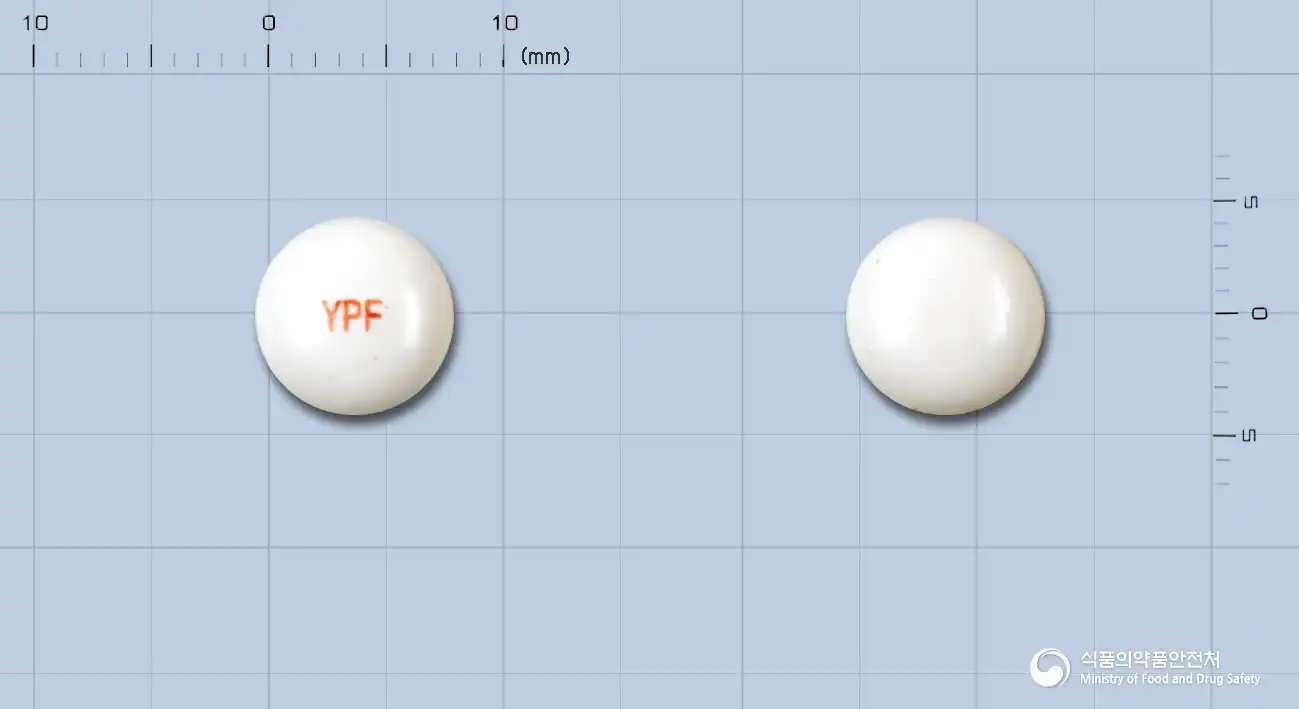
Famotidine 20mg
Prescription medication
Youngpoong Pharmaceutical Co., Ltd.
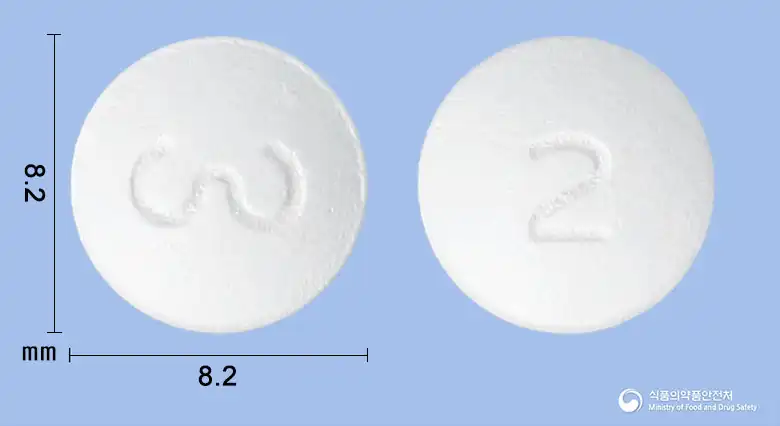
Famotidine 20mg
Tablet · Prescription medication
Withus Pharmaceutical Co., Ltd.
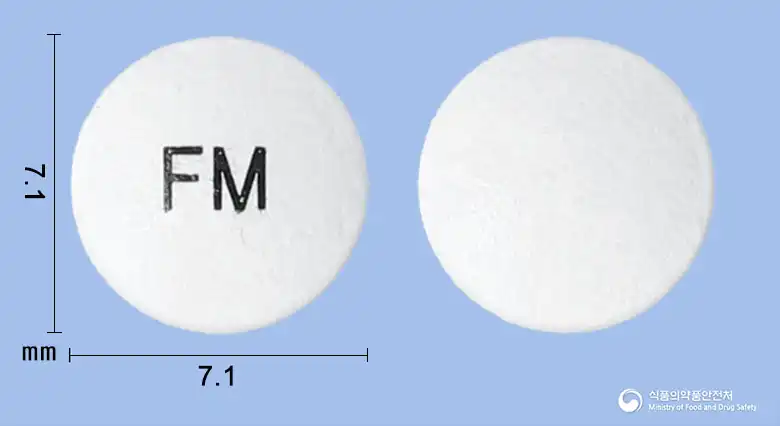
Famotidine 20mg
Prescription medication
(Stock Company) Seoul Pharmaceutical
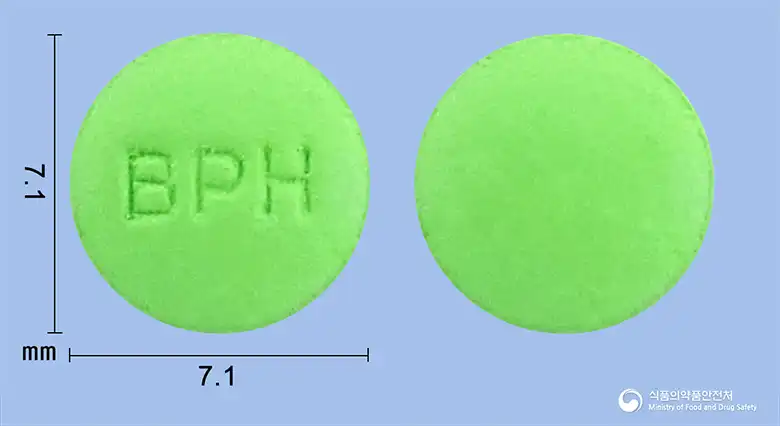
Famotidine 20mg
Tablet · Prescription medication
(Stock Company) Genupharm
Even with the same ingredient, the dose and directions can differ by strength and dosage form. Talk to a doctor or pharmacist before switching from a medication you are already taking.
No questions yet.
For anything that needs medical judgment, consult a doctor or pharmacist.
This drug information is based on data provided by the Korea Ministry of Food and Drug Safety.
Consult a doctor or pharmacist for accurate dosage, administration, and usage instructions.