
 한국어
한국어 English
 日本語
日本語 中文(简体)
 Viewing now
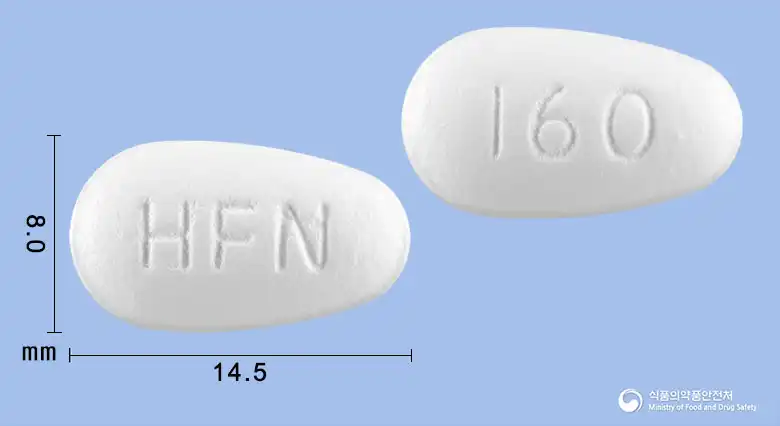
Rifedol Tablet 160 mg (Fenofibrate)
Fenofibrate 160mg
Tablet · Prescription medication
Hana Pharmaceutical Co., Ltd.
MFDS item code 201908692 · Approved 2019.12.30 · Insurance code 657807030
Improvement of primary hyperlipidemia (hypercholesterolemia, hypertriglyceridemia)
This medication is used for the treatment of primary hyperlipidemia, including hypercholesterolemia (Type IIa), a combination of hypercholesterolemia and hypertriglyceridemia (Types IIb and III), and hypertriglyceridemia (Type IV). Therefore, it helps to control cholesterol and triglyceride levels in the blood, reducing the risk of cardiovascular diseases.
Administer 160 mg of fenofibrate orally once daily immediately after meals.
There are no clinical data regarding the use of this medication in children. Fenofibrate should be administered in conjunction with dietary therapy. This medication may be absorbed less effectively when taken on an empty stomach, so it should be taken immediately after meals.
This medication should not be used in patients with poor liver function because the drug can be harmful to the body in cases of liver dysfunction. It should also not be administered to patients with moderate to severe renal impairment, as there is a risk of rhabdomyolysis, which damages muscle tissue. Pregnant women, women who may become pregnant, and nursing mothers should not take this medication, as it may be harmful to the fetus or baby. Individuals allergic to this drug or any of its ingredients should not take it, as severe allergic reactions may occur. Patients with gallbladder problems or a history of gallstones should be cautious, as this drug may promote gallstone formation. Patients who have experienced photosensitivity while taking fibrates or ketoprofen should be careful, as photosensitivity or phototoxic reactions may occur while taking this medication. This medication is not used in children as safety and efficacy have not been established. Patients with biliary cirrhosis or pancreatitis should also refrain from using this medication, particularly pancreatitis, except in the case of acute pancreatitis resulting from severe hypertriglyceridemia. Patients with genetic disorders that prevent lactose digestion should not take this medication due to the lactose it contains. Patients allergic to soybean oil, soy, peanuts, and other related substances should not take this medication. Patients with slight renal impairment should use this medication cautiously by reducing the dose or extending the dosing interval, as there is a risk of rhabdomyolysis. Patients with liver function abnormalities or a history of liver issues should be monitored closely with regular liver function tests while taking this medication. Patients with low serum albumin levels, a history of gallstones, those taking anticoagulants, and specific types of dyslipidemia or diabetic dyslipidemia should use this medication cautiously. While taking this medication, abnormalities in the liver and biliary system may occur, and symptoms such as skin rash or itching and photosensitivity may be seen. Neurological and musculoskeletal symptoms such as dizziness, headache, muscle pain, and muscle cramps may occur; severe symptoms should prompt consultation with a doctor. Vascular anomalies such as thromboembolism may also occur, so patients with particular risk factors should be careful. Gastrointestinal symptoms may include abdominal pain, nausea, vomiting, and diarrhea, with rare cases of pancreatitis reported. This medication can affect liver function, so liver function tests should be performed monthly for the first three months after starting treatment, and every three months thereafter; dosage adjustment or discontinuation may be needed if abnormalities are found. This medication may interact with other lipid-lowering agents, anticoagulants, and hypoglycemic agents, so patients must inform their doctor about medications they are taking. Particularly when taken with statins, the risk of muscle damage may increase, so concurrent use should be avoided or monitored closely. Pregnant or nursing women should not take this medication, and pregnancy status must be confirmed before use. Elderly patients may have decreased kidney and liver function, which increases the risk of adverse reactions, so careful observation is necessary during administration. In case of overdose, there is no specific antidote, so it is essential to adhere to the prescribed dosage, and the medication should be kept out of reach of children. There have been reports of liver tumors occurring with long-term use of this medication, so regular check-ups are necessary for extended therapy.
Hives, severe swelling (edema), acute allergic reactions (anaphylaxis, angioedema), severe rashes accompanied by high fever, blisters, skin exfoliation, pain in mucous membranes of the mouth/eyes (Stevens-Johnson syndrome, toxic epidermal necrolysis), difficulty breathing, respiratory issues (eosinophilic pneumonia, interstitial lung disease), yellowing of the skin or eyes (jaundice), enlarged liver, cholestatic hepatitis, gallstones, acute pancreatitis, severe headache, seizures, confusion.
Commonly occurring side effects include rash, itching, hair loss, weakness, elevated body temperature, dizziness, headache, peripheral neuropathy, muscle pain, muscle cramps, abdominal pain, nausea, vomiting, diarrhea, abdominal bloating, fatigue, sexual dysfunction, and weight gain.
Not everyone experiences these, and they can vary from person to person.
This medication should be stored in a tightly closed container to prevent exposure to air or moisture. The storage temperature should be maintained between 1 to 30 degrees Celsius at room temperature. This helps safely preserve the effectiveness of the medication.
White oblong film-coated tablet
100 tablets/box [10 tablets/PTP x 10]
Even with the same ingredient, strength, dosage form and how it is taken can differ.
Viewing nowFenofibrate 160mg
Tablet · Prescription medication
Hana Pharmaceutical Co., Ltd.
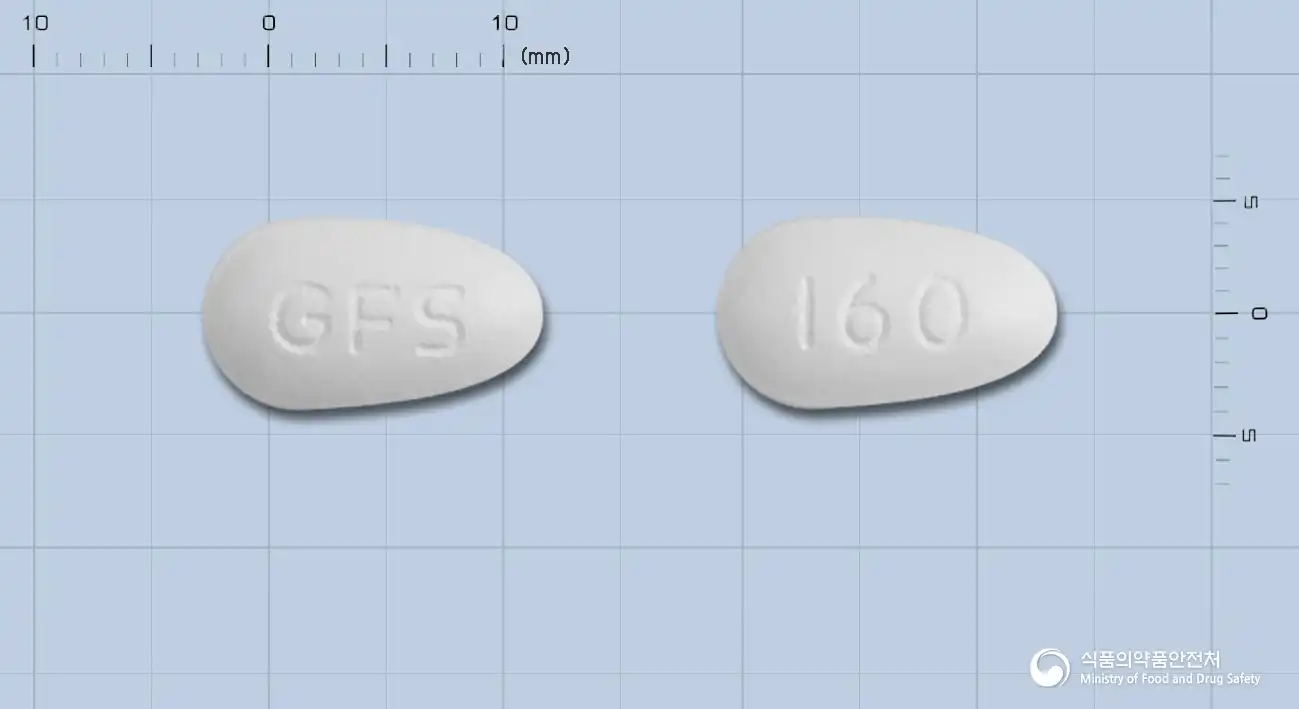
Fenofibrate 160mg
Tablet · Prescription medication
Samchundang Pharm Co., Ltd.
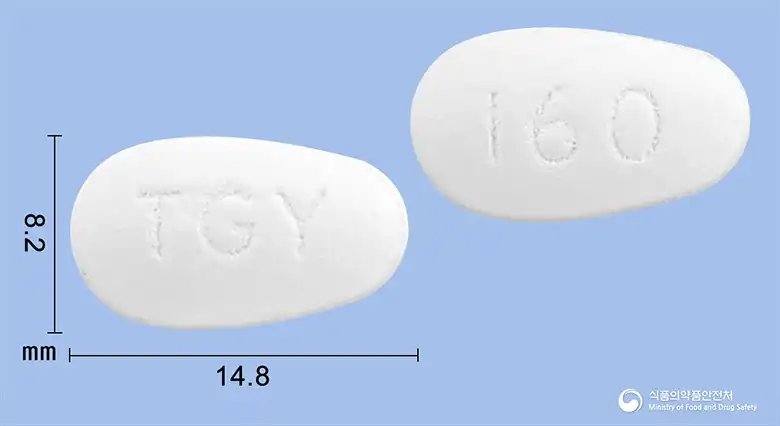
Fenofibrate 160mg
Tablet · Prescription medication
Yu Yeong Pharmaceutical Co., Ltd.
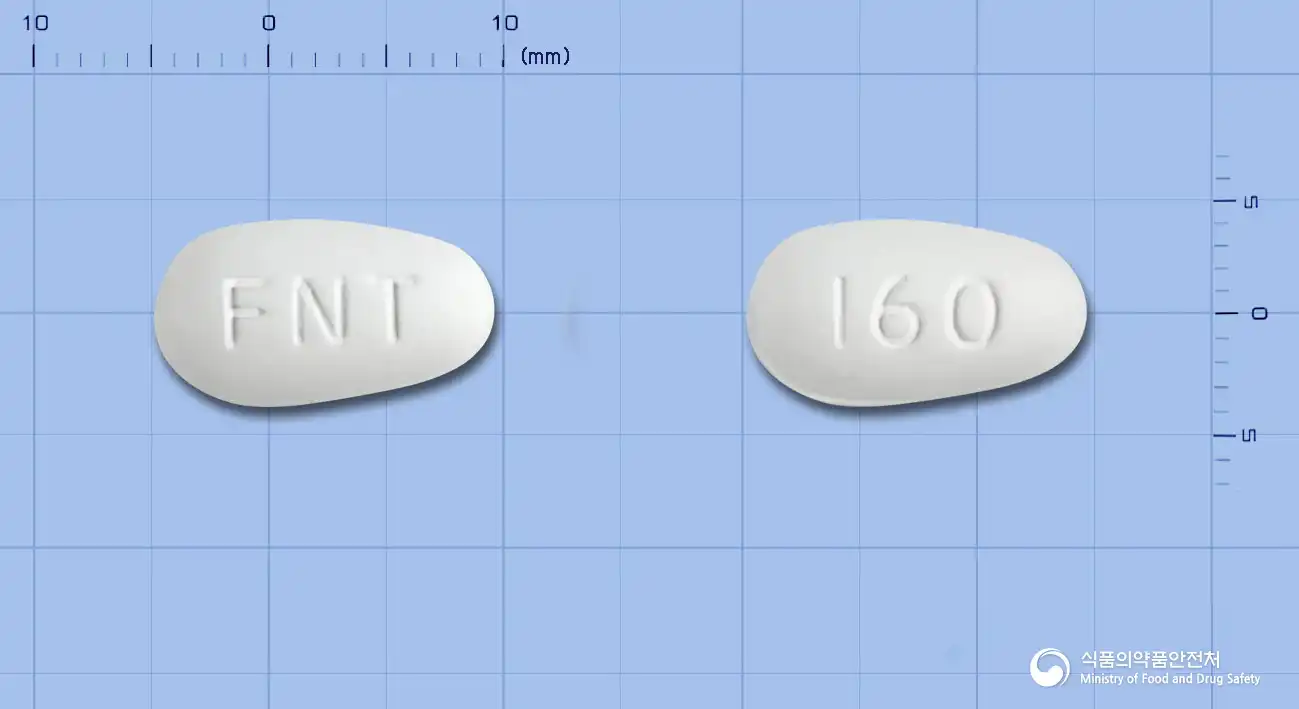
Fenofibrate 160mg
Tablet · Prescription medication
Kyung Dong Pharmaceutical Co., Ltd.
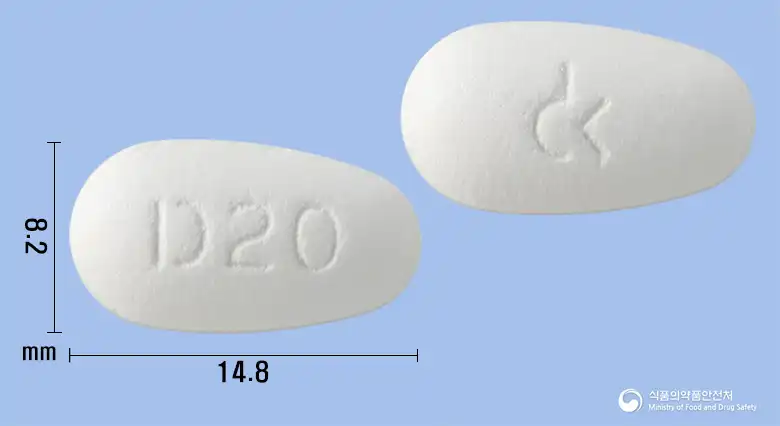
Fenofibrate 160mg
Tablet · Prescription medication
Dongkook Pharmaceutical Co., Ltd.
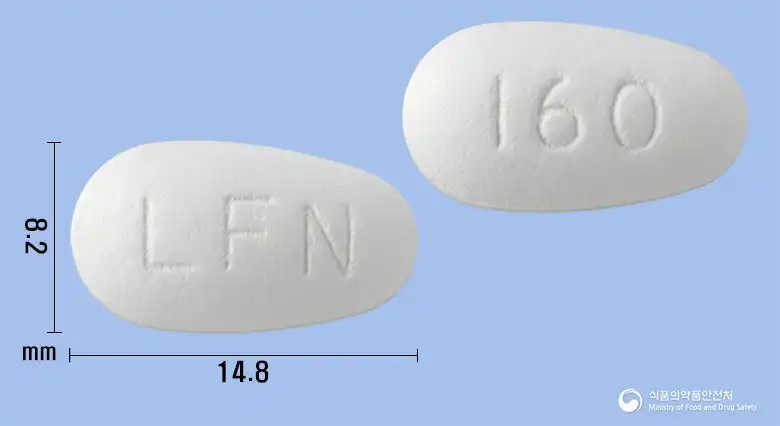
Fenofibrate 160mg
Tablet · Prescription medication
Jinyang Pharmaceutical Co., Ltd.
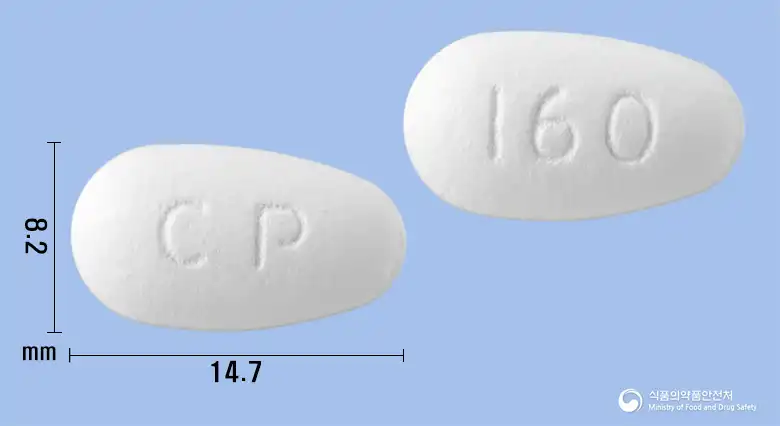
Fenofibrate 160mg
Tablet · Prescription medication
CMG Pharmaceutical Co., Ltd.
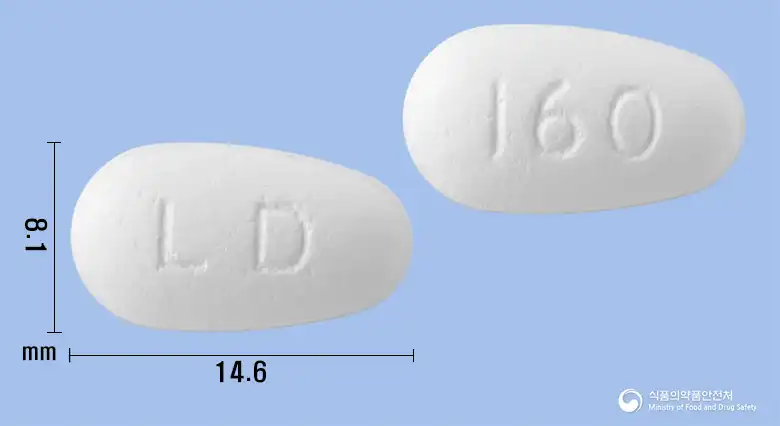
Fenofibrate 160mg
Tablet · Prescription medication
Korea Hyutecs Pharmaceutical Co., Ltd.
Even with the same ingredient, the dose and directions can differ by strength and dosage form. Talk to a doctor or pharmacist before switching from a medication you are already taking.
No questions yet.
For anything that needs medical judgment, consult a doctor or pharmacist.
This drug information is based on data provided by the Korea Ministry of Food and Drug Safety.
Consult a doctor or pharmacist for accurate dosage, administration, and usage instructions.