
 한국어
 English
 日本語
 中文(简体)
Dosage form image
Viewing nowDonggu Jaltoprofen Tablet 80 mg
Zaltoprofen 80mg
Tablet · Prescription medication
Donggu Biopharmaceutical Co., Ltd.
MFDS item code 201908641 · Approved 2019.12.26
This product's status changed to Expired on 2024.12.26. It may no longer be sold, so consult a doctor or pharmacist before taking it.
Relief of pain and inflammation associated with musculoskeletal disorders (arthritis, lower back pain, etc.) and following surgery, trauma, or tooth extraction
This medication helps reduce inflammation and relieve pain in conditions such as chronic rheumatoid arthritis, osteoarthritis (degenerative arthritis), low back pain, adhesive capsulitis, and cervical radiculopathy. It is also used to reduce inflammation and pain after surgery, trauma, or tooth extraction, promoting quick recovery. Due to its anti-inflammatory and analgesic actions, it is effective for managing various musculoskeletal disorders and postoperative pain. Therefore, this drug is used for various inflammatory conditions and pain relief.
○ Adults: Administer 80 mg of zaltoprofen orally 3 times daily. For a single dose, administer 80∼160 mg orally.
This medication may pose a risk of gastrointestinal bleeding for those who regularly consume more than three glasses of alcohol daily, so it is essential to consult a doctor or pharmacist. It may increase the risk of cardiovascular diseases, so individuals with a history of heart disease or stroke, or those with risk factors, should exercise particular caution and immediately consult a healthcare provider if cardiovascular symptoms occur. Serious gastrointestinal issues such as gastrointestinal bleeding, ulcers, or perforations can occur, so the elderly or those with a history of gastrointestinal issues should be especially cautious, and seek immediate medical attention if gastrointestinal symptoms develop. Individuals with a history of peptic ulcers, severe blood disorders, liver impairment, kidney impairment, heart failure, or drug allergies should not use this medication. Those who have had allergic reactions to asthma or aspirin should avoid this medication, and pregnant women in the late stages and breastfeeding mothers should also refrain from taking it. This drug can cause various side effects including headaches, dizziness, nausea, abdominal pain, and if any unusual symptoms occur, its use should be immediately discontinued, and a healthcare provider should be consulted. Long-term use requires regular blood tests and monitoring of liver and kidney function, and if any abnormal findings are noted, the medication should be discontinued or the dosage adjusted. Co-administration with other non-steroidal anti-inflammatory drugs, specific antihypertensives, or anticoagulants may increase the risk of side effects, so it is vital to inform healthcare providers of all medications being taken. During the first and second trimesters of pregnancy, it should only be taken at the minimum dosage for a short period if necessary, and it should be absolutely avoided during the third trimester as it may harm the fetus. Elderly patients may have reduced kidney function, so dosage and frequency should be adjusted accordingly, with careful monitoring of their condition. This medication should be stored out of reach of children, and transferring it to another container is inadvisable as it may affect quality.
Not everyone experiences these, and they can vary from person to person.
This medication must be stored in a tightly sealed container to prevent exposure to air or moisture. It is important to maintain storage temperatures between 1 to 30 degrees Celsius.
White round film-coated tablet
30 tablets/bottle, 500 tablets/bottle
Even with the same ingredient, strength, dosage form and how it is taken can differ.
Zaltoprofen 80mg
Tablet · Prescription medication
Donggu Biopharmaceutical Co., Ltd.
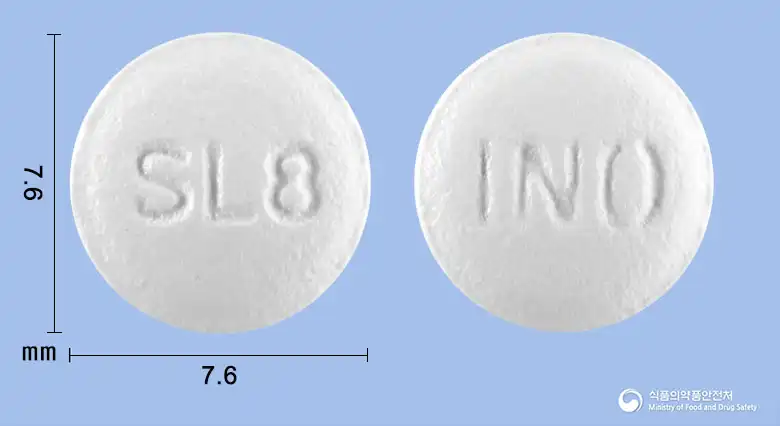
Zaltoprofen 80mg
Tablet · Prescription medication
HK inno.N Co., Ltd.
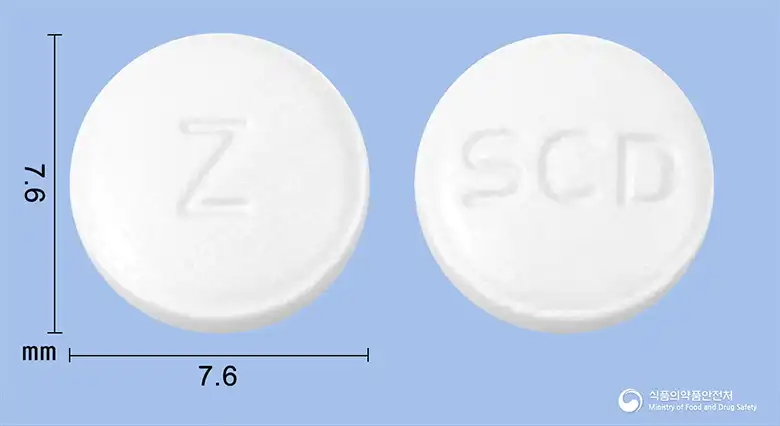
Zaltoprofen 80mg
Tablet · Prescription medication
Samchundang Pharmaceutical Co., Ltd.
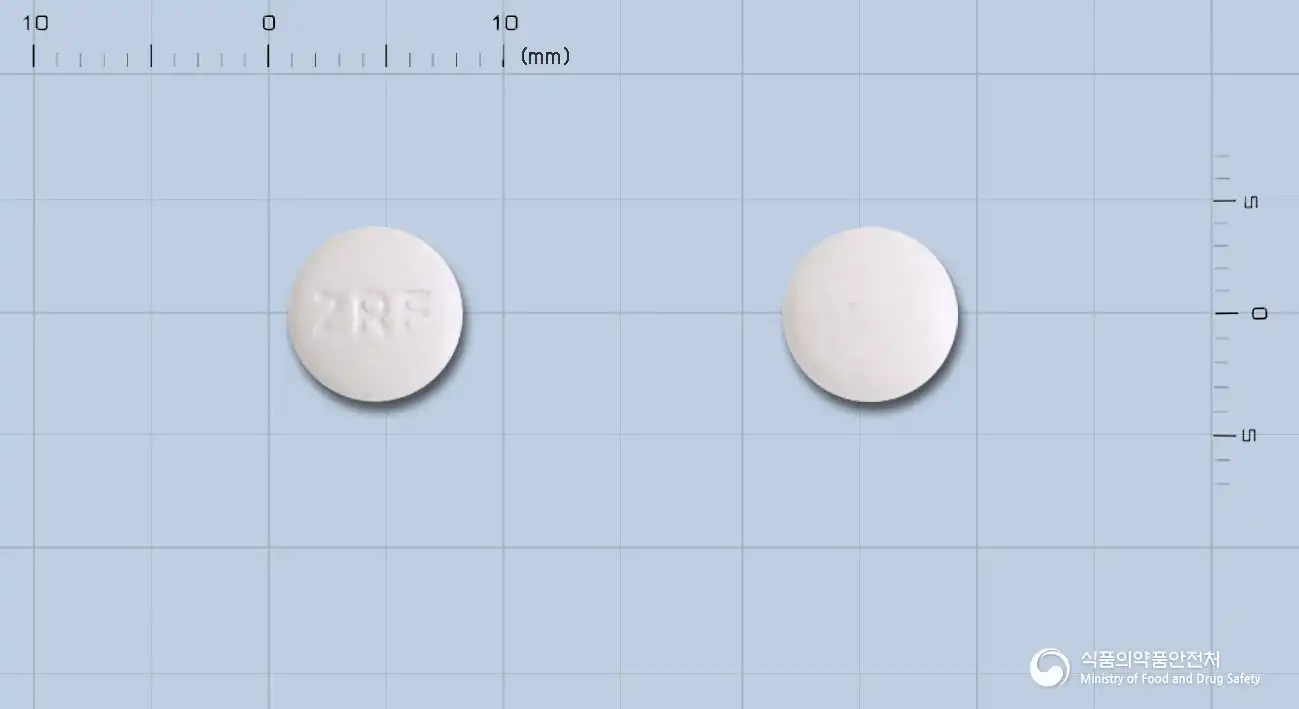
Zaltoprofen 80mg
Tablet · Prescription medication
(Co., Ltd.) Yuyoung Pharmaceutical
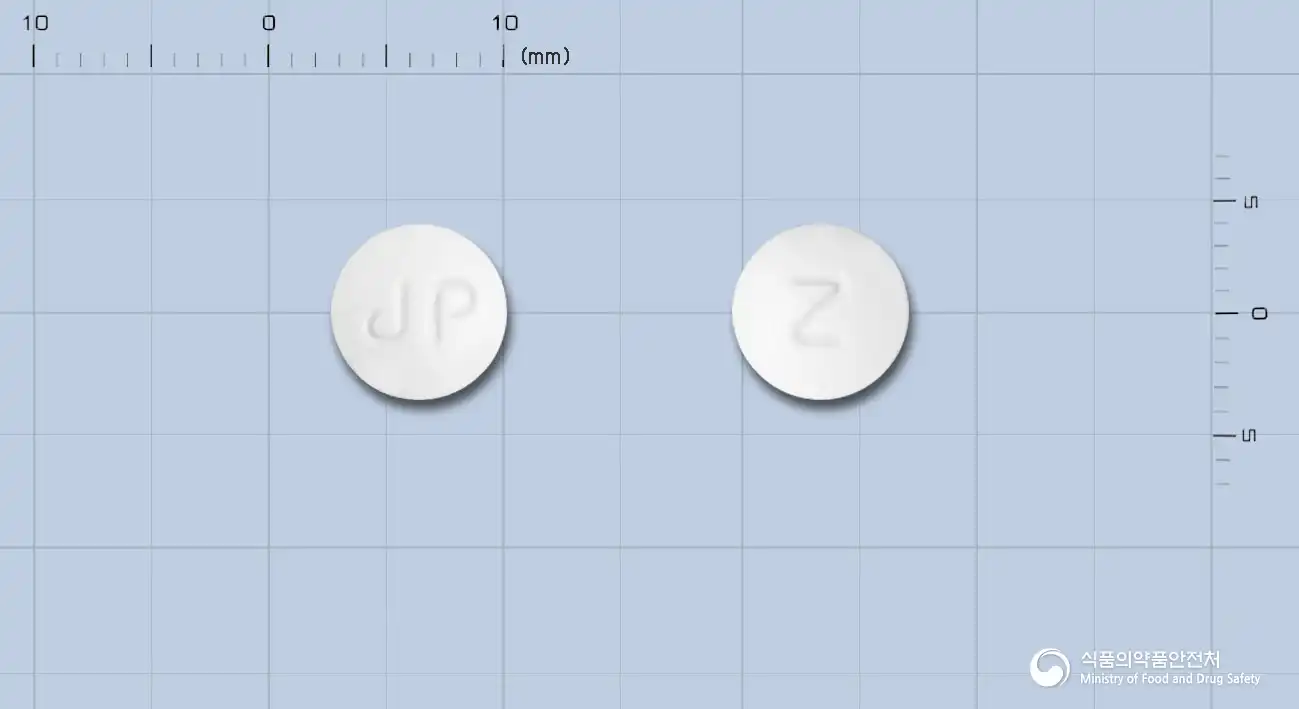
Zaltoprofen 80mg
Tablet · Prescription medication
Daehwa Pharmaceutical Co., Ltd.
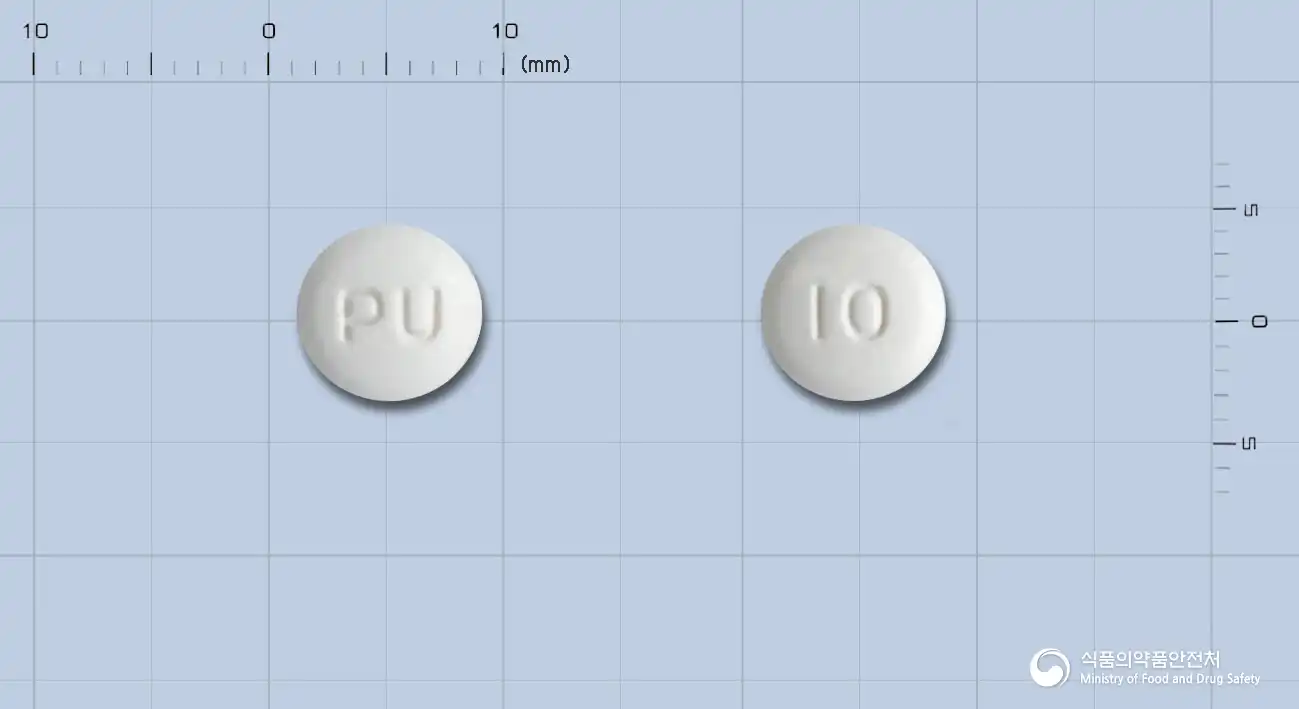
Zaltoprofen 80mg
Tablet · Prescription medication
(Co., Ltd.) Korea PMG Pharmaceutical
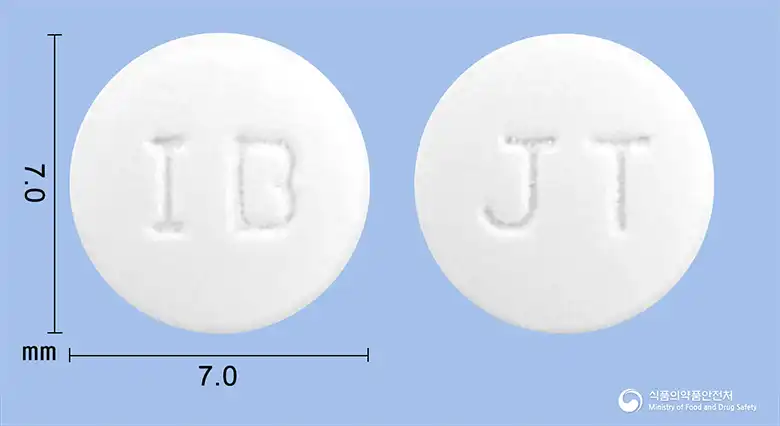
Zaltoprofen 80mg
Tablet · Prescription medication
IlYang Biopharm Co., Ltd.
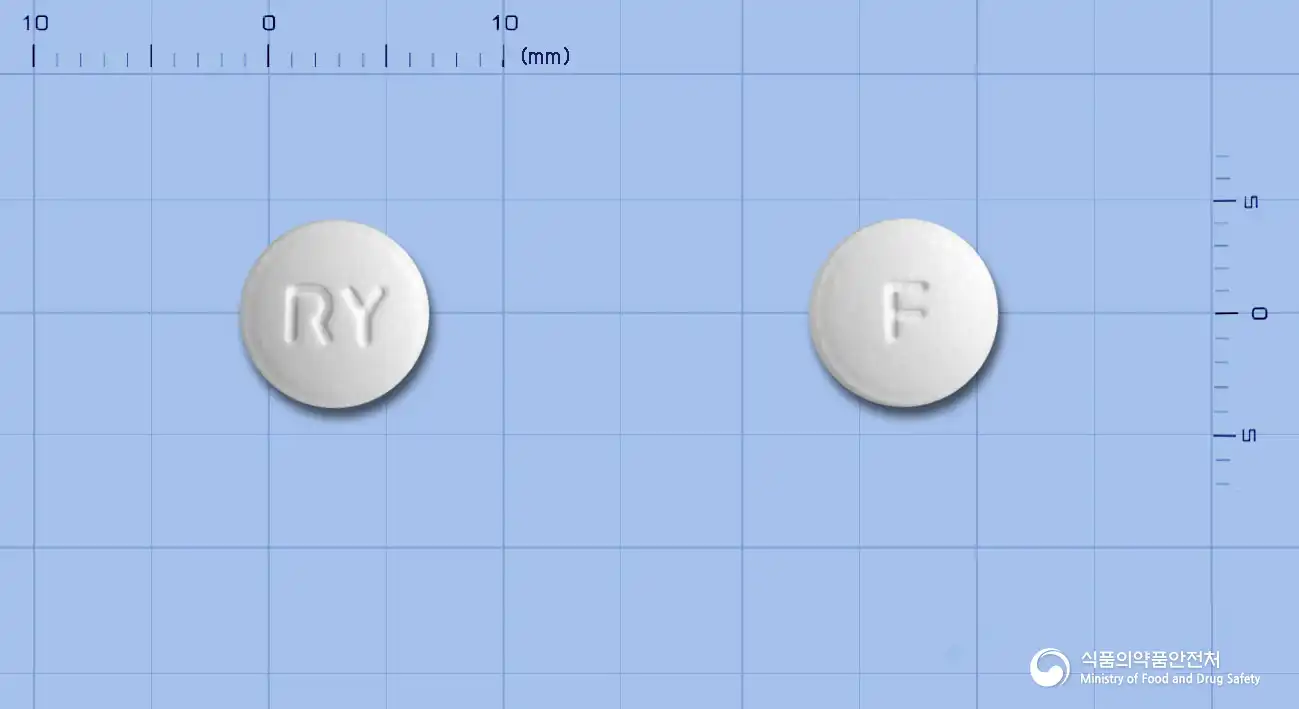
Zaltoprofen 80mg
Tablet · Prescription medication
IYON Pharmaceutical Co., Ltd.
Even with the same ingredient, the dose and directions can differ by strength and dosage form. Talk to a doctor or pharmacist before switching from a medication you are already taking.
No questions yet.
For anything that needs medical judgment, consult a doctor or pharmacist.
This drug information is based on data provided by the Korea Ministry of Food and Drug Safety.
Consult a doctor or pharmacist for accurate dosage, administration, and usage instructions.