
 한국어
한국어 English
 日本語
日本語 中文(简体)
 Viewing nowCombination
Miga Pen Yve Soft Capsule
Ibuprofen 200mg · Pamabrom 25mg
Soft capsule · OTC medication · Combination
Phamgen Science Co., Ltd.
MFDS item code 201908614 · Notified 2019.12.24
Relief of pain (such as headaches, toothaches) and improvement of fever and chills
This medicine is used to relieve various types of pain including headache, toothache, throat pain, joint pain, back pain, muscle pain, shoulder stiffness, pain from fractures or bruises, and menstrual pain. It also has antipyretic action that helps lower body temperature when there are chills and fever. Therefore, it is effectively used to reduce pain and lower fever.
Ages 15 and older: 1 to 3 times a day, 1 to 2 capsules at intervals of at least 4 hours. Avoid taking on an empty stomach.
Ages 11 to under 15 years: 1 to 3 times a day, 1 capsule at intervals of at least 4 hours. Ages 8 to under 11 years: 1 to 2 times a day, 1 capsule at intervals of at least 6 hours. To be taken on an empty stomach.
This medication should be consulted with a doctor or pharmacist before use for individuals who regularly consume more than three glasses of alcohol a day, as it may cause gastrointestinal bleeding. It should be used cautiously in individuals with cardiovascular disease or risk factors such as hypertension, diabetes, hyperlipidemia, and smoking, with high doses being avoided. High doses of this medication can increase the risk of arterial thrombosis such as myocardial infarction or stroke. It should not be taken by those who have allergies to this medication or its components, or have had asthma-induced reactions. Infants under the age of 3 months should not take this medication. It should not be taken with other antipyretic analgesics, cold medicine, or sedatives. Infants infected with chickenpox or flu and children under 15 years old should definitely consult a doctor before use. Those with allergies, liver, kidney, thyroid disorders, diabetes, hypertension, the elderly, and women who are pregnant or breastfeeding should consult with a professional before use. Individuals with heartburn or gastrointestinal issues, or a history of ulcers or bleeding should also exercise caution. Those experiencing severe dehydration from vomiting or diarrhea, or who are taking diuretics, should consult a professional. If taking low-dose aspirin for the prevention of myocardial infarction or stroke, this medication may reduce the effect of aspirin and increase the risk of gastrointestinal side effects. If symptoms such as rash, itching, nausea, vomiting, abdominal pain, dizziness, or swelling appear during use, it is important to stop taking the medication immediately and consult a professional. If severe allergic reactions or skin abnormalities occur, consumption should also be halted immediately. If symptoms do not improve after 5-6 doses, consult a professional. Typically, it should not be administered to children under 2 years old except in special cases. Dosage and administration should always be strictly followed, and long-term use should be avoided. Supervision by a guardian is necessary when administering to children. Alcohol should be avoided during use. Serious skin reactions associated with this medication have been reported, thus if symptoms appear within the first month of administration, it should be discontinued and treatment sought. There is a rare risk of cardiovascular symptoms known as Churg-Strauss syndrome, so caution is advised. After the 20th week of pregnancy, there is a risk of fetal renal dysfunction and oligohydramnios, thus it is recommended to use the minimum dosage for a short duration, monitoring amniotic fluid condition if necessary. Keep out of reach of children, and store in a cool place away from direct sunlight and moisture. To maintain quality, do not transfer to other containers.
Not everyone experiences these, and they can vary from person to person.
Do not take this medication in conjunction with other antipyretic analgesics, cold medications, or sedatives. Consult your doctor or pharmacist if taking diuretics or low-dose aspirin.
This medication should be stored in a sealed container to prevent exposure to air or moisture. It’s best to maintain a storage temperature between 1 to 30 degrees Celsius at room temperature. Storing it this way helps to retain the effectiveness and safety of the medication for a long time.
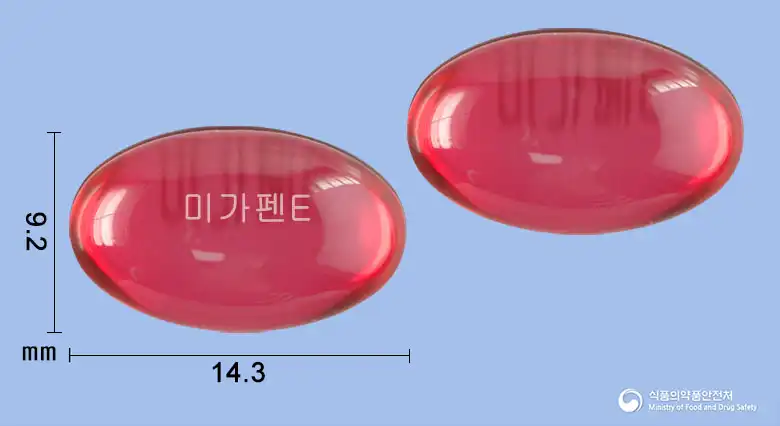
Red transparent oval soft capsules containing a transparent colorless to pale red content
10 capsules / ptp
Even with the same ingredient, strength, dosage form and how it is taken can differ.
Viewing nowCombinationIbuprofen 200mg · Pamabrom 25mg
Soft capsule · OTC medication · Combination
Phamgen Science Co., Ltd.
 Combination
Ibuprofen 200mg · Pamabrom 25mg
Soft capsule · OTC medication · Combination
(RPI Bio Co., Ltd.)
 Combination
Ibuprofen 200mg · Pamabrom 25mg
Soft capsule · OTC medication · Combination
(DaeWoong Pharmaceutical Co., Ltd.)
 Combination
Ibuprofen 200mg · Pamabrom 25mg
Soft capsule · OTC medication · Combination
Bukwang Pharmaceutical Co., Ltd.
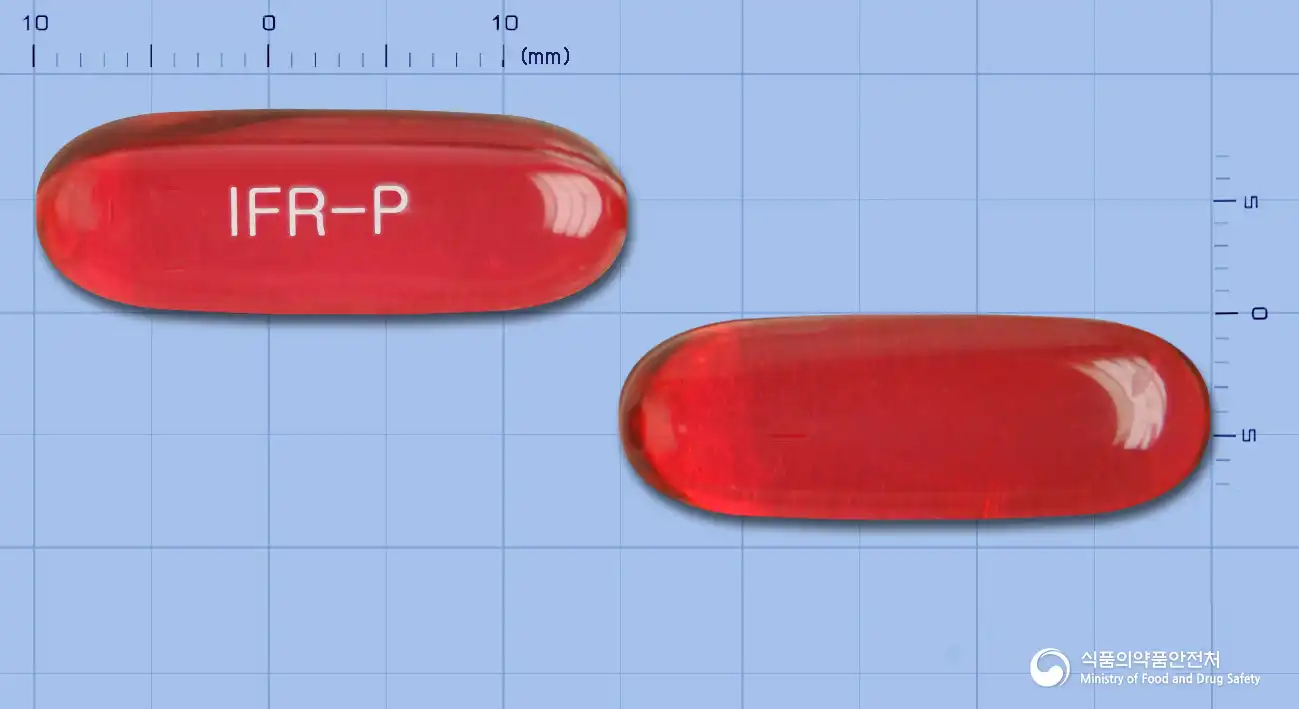 Combination
Ibuprofen 400mg · Pamabrom 50mg
Soft capsule · OTC medication · Combination
Bugwang Pharmaceutical Co., Ltd.
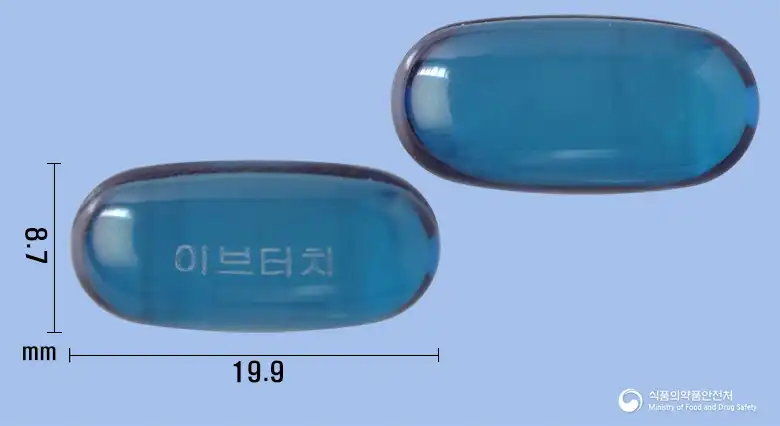 Combination
Ibuprofen 400mg · Pamabrom 25mg
Soft capsule · OTC medication · Combination
Il Yong Biopharm Co., Ltd.
Ibuprofen · Pamabrom
OTC medication · Combination
Youngpoong Pharmaceutical Co., Ltd.
Ibuprofen · Pamabrom
OTC medication · Combination
Youngpoong Pharmaceutical Co., Ltd.
Even with the same ingredient, the dose and directions can differ by strength and dosage form. Talk to a doctor or pharmacist before switching from a medication you are already taking.
No questions yet.
For anything that needs medical judgment, consult a doctor or pharmacist.
This drug information is based on data provided by the Korea Ministry of Food and Drug Safety.
Consult a doctor or pharmacist for accurate dosage, administration, and usage instructions.