
 한국어
 English
 日本語
 中文(简体)
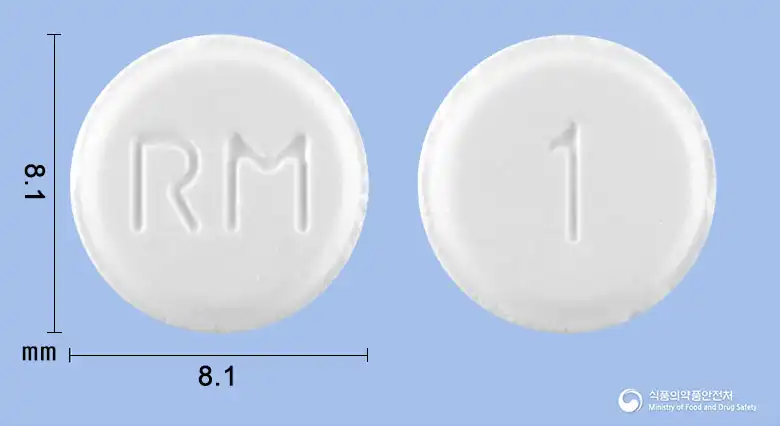 Viewing now
Hanwha Rasagiline Tablets 1 mg (Rasagiline Mesylate)
Rasagiline Mesylate 1.56mg
Tablet · Prescription medication
Hanwha Pharmaceutical Co., Ltd.
MFDS item code 201908457 · Approved 2019.12.17
Treatment of idiopathic Parkinson's disease
This medication is used for patients with idiopathic Parkinson's disease. Initially, it may be used alone or as an adjunct therapy along with dopaminergic agents. It is also prescribed to patients experiencing 'end of dose fluctuations,' to supplement their levodopa treatment. This helps to effectively manage various symptoms of Parkinson's disease and improve the quality of life.
This medicine is administered orally once daily to adults as monotherapy or adjunctive therapy. 1) Monotherapy or adjunctive therapy with a dopamine agonist: Administer 1mg orally once daily. 2) Adjunctive therapy with levodopa: The recommended initial dose for patients taking levodopa is 0.5mg once daily. If well tolerated and an adequate clinical response is not achieved, the dose may be increased to 1mg once daily. This medicine may be taken with or without food.
This medication should not be taken by individuals who are hypersensitive to certain ingredients. It can be dangerous to use this medication if you are currently taking other MAO inhibitors or certain herbal medicines, or if you have discontinued them within the last 2 weeks. Additionally, co-administration of certain analgesics, cough medications, and some psychiatric medications should be avoided. This medication is not to be administered to patients with moderate to severe hepatic impairment. Various side effects such as headache, dizziness, nausea, insomnia, and arthralgia may occur, so caution is advised. Especially in Parkinson's patients, symptoms such as hallucinations, confusion, and movement disorders may develop, necessitating regular monitoring. This medication may affect blood pressure, so caution is advised for those with symptoms of hypertension or hypotension. Women who are pregnant or breastfeeding should be cautious when using this medication, and safety in pediatric patients has not been established. While taking this medication, it is important to be cautious about drowsiness or sudden sleep occurrences when driving or operating dangerous machinery. Overdosing on this medication may lead to severe side effects, so the dosage must be strictly adhered to. Furthermore, this medication may interact with multiple drugs, so be sure to consult with a doctor or pharmacist if you are taking other medications. It is crucial to store this medication out of the reach of children and keep it at an appropriate temperature.
Not everyone experiences these, and they can vary from person to person.
This medication should be stored in a sealed container as it may deteriorate when exposed to air or light. It is important to maintain a storage temperature between 1 to 25 degrees Celsius at room temperature.
White round tablets
30 tablets/bottle
Even with the same ingredient, strength, dosage form and how it is taken can differ.
Viewing nowRasagiline Mesylate 1.56mg
Tablet · Prescription medication
Hanwha Pharmaceutical Co., Ltd.
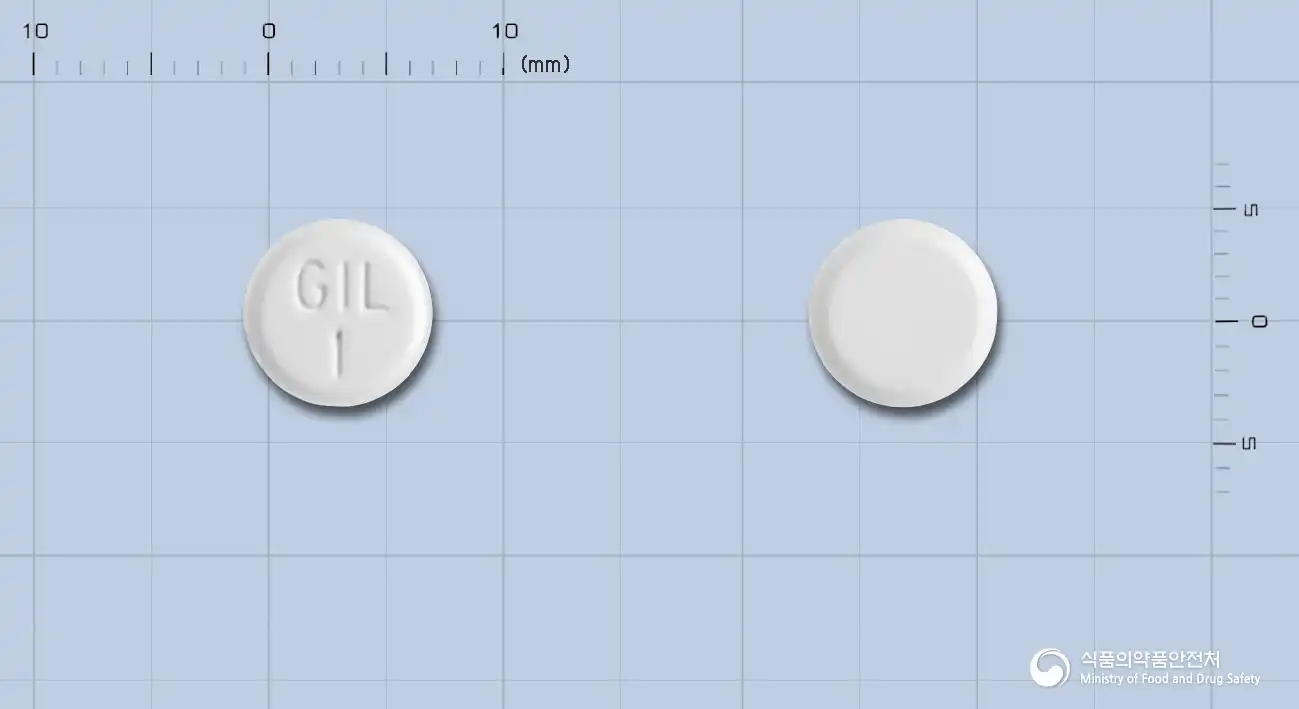
Rasagiline Mesylate 1.56mg
Tablet · Prescription medication
Hana Lundbeck Co., Ltd.
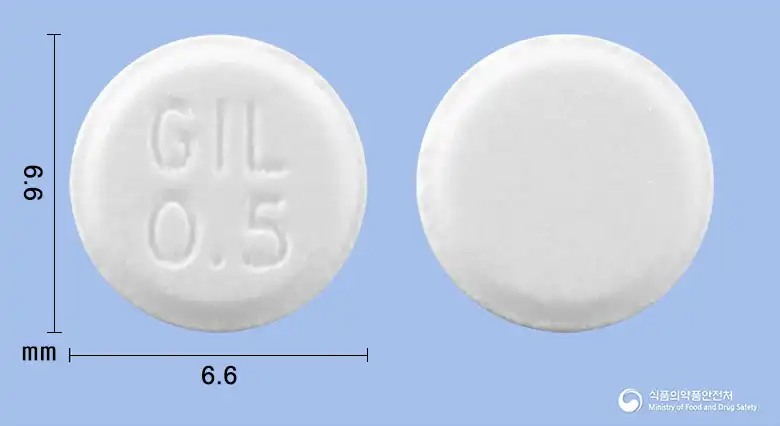
Rasagiline Mesylate 0.78mg
Tablet · Prescription medication
Korea Lundbeck Co., Ltd.
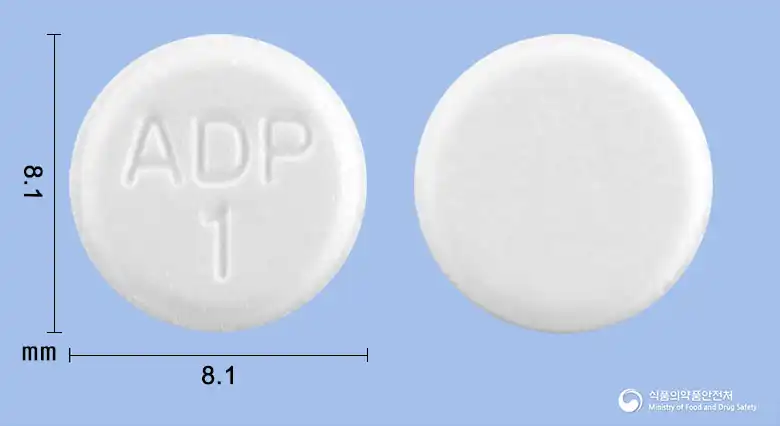
Rasagiline Mesylate 1.56mg
Tablet · Prescription medication
Jongkundang Co., Ltd.
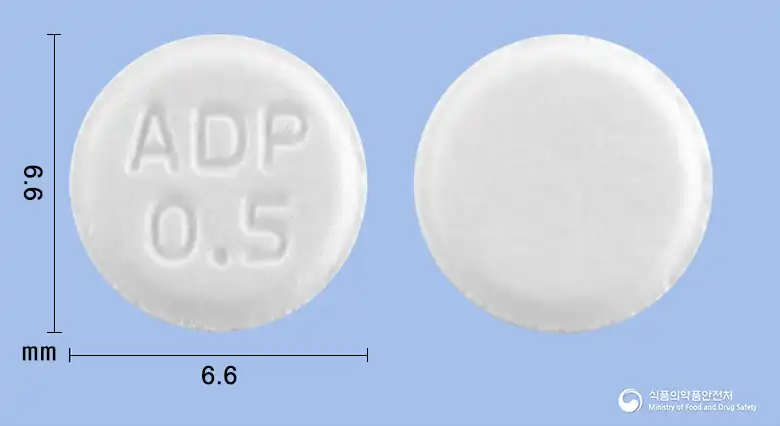
Rasagiline Mesylate 0.78mg
Tablet · Prescription medication
Jongkundang Co., Ltd.
Rasagiline Mesylate 1.56mg
Tablet · Prescription medication
Korea Pharma Co., Ltd.
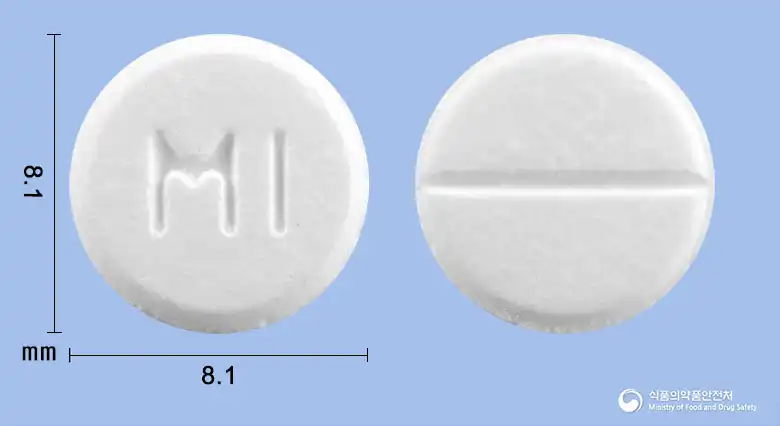
Rasagiline Mesylate 1.56mg
Tablet · Prescription medication
Myungin Pharmaceutical Co., Ltd.
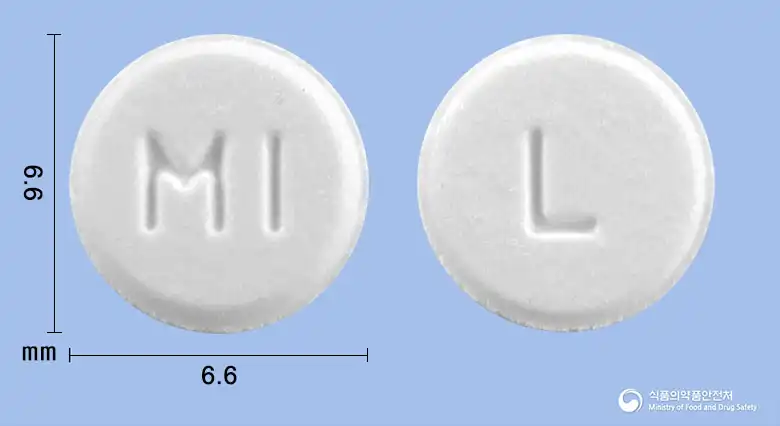
Rasagiline Mesylate 0.78mg
Tablet · Prescription medication
Myungin Pharmaceutical Co., Ltd.
Even with the same ingredient, the dose and directions can differ by strength and dosage form. Talk to a doctor or pharmacist before switching from a medication you are already taking.
No questions yet.
For anything that needs medical judgment, consult a doctor or pharmacist.
This drug information is based on data provided by the Korea Ministry of Food and Drug Safety.
Consult a doctor or pharmacist for accurate dosage, administration, and usage instructions.