
 한국어
한국어 English
 日本語
日本語 中文(简体)
 Viewing now
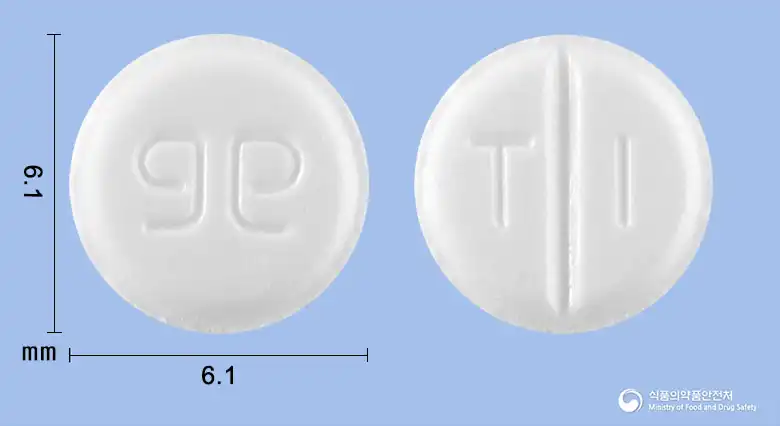
Tibryn Tablet 2.5 mg (Tibolone)
Tibolone 2.5mg
Tablet · Prescription medication
GL Pharma Co., Ltd.
MFDS item code 201908215 · Approved 2019.12.03 · Insurance code 649702390
Improvement of estrogen deficiency symptoms and prevention of osteoporosis after menopause
This medication is used to improve symptoms caused by estrogen deficiency after menopause. It also aids in the prevention of osteoporosis in postmenopausal women who cannot use other osteoporosis medications or cannot tolerate them. In other words, it is effectively used for the hormonal deficiency symptoms of postmenopausal women and for the prevention of osteoporosis.
Take one tablet daily at the same time every day. The tablet should be taken with water or another beverage, and it is recommended to take it at the same time each day.
This medication must not be administered to pregnant or nursing women. Do not use in patients with existing or suspected breast cancer, or those with a history of breast cancer. Also, do not take if there are estrogen-dependent malignancies or suspected malignancies. It is not administered to patients with unexplained vaginal bleeding. Patients with untreated endometrial hyperplasia should also not use this medication. It is dangerous for patients with a history of venous thromboembolism, so do not prescribe it. Patients with thromboembolic disease or a history of arterial thromboembolism should also avoid this medication. Patients whose liver function has acutely declined or whose liver function test results have not returned to normal should not use it. Patients allergic to the ingredients or excipients of this medication should not be administered. Patients with porphyria also must not take this medication. This medication contains lactose and should not be given to patients with lactose intolerance or related genetic conditions. During administration, if there is worsening liver function, elevated blood pressure, or migraine, discontinue use immediately. Patients with uterine fibroids, endometriosis, thromboembolic risk factors, high blood pressure, liver disease, diabetes, gallstones, migraines, systemic lupus erythematosus, a history of endometrial hyperplasia, seizures, asthma, or otosclerosis should be carefully monitored during treatment. During the use of this drug, side effects including lower abdominal pain, increased body hair, acne, increased vaginal secretions, thicker endometrial lining, postmenopausal bleeding, breast pain, vulvar itching, vaginal candidiasis, pelvic pain, cervical dysplasia, weight gain may occur. Additionally, dizziness, rash, itching, headache, depression, swelling, myalgia, and liver dysfunction symptoms have also been reported. This medication may increase the risks of breast cancer, endometrial cancer, ischemic stroke, ovarian cancer, venous thromboembolism, and coronary artery disease, so especially in women over 60 years old, careful evaluation of these risks is necessary before use. Before starting treatment and during treatment, an individual's personal and family history must be thoroughly checked, and regular physical examinations and breast and endometrial exams should be performed. Especially if there is an increase in endometrial thickness and persistent bleeding, consult with a gynecologist for additional testing. This medication affects blood clotting and may enhance the effects of anticoagulants, so dosing adjustments and caution are needed when taken with anticoagulants. Additionally, since this medication’s effects may be reduced when used with drugs that induce certain liver metabolic enzymes, inform the doctor of any medications currently being taken. This medication should not be taken during pregnancy, and if pregnancy is confirmed, discontinue it immediately. It is also prohibited during breastfeeding. In case of overdose, symptoms may include vomiting, nausea, and vaginal bleeding, and as there is no specific antidote, it is important to receive treatment according to the symptoms. This medication should be kept out of reach of children and should be stored in its original packaging to maintain stability. This medication may have adverse impacts on the fetus due to hormonal action, so women of childbearing potential must consult a professional before taking it. Additionally, this medication should not be used for contraceptive purposes, and patients with cardiac or renal function issues require closer monitoring. During the use of this drug, changes in cholesterol levels may occur, but the clinical significance is not yet clear. There is also a reported increased risk of dementia, so elderly patients should use it carefully.
Jaundice or worsening liver function, significant increase in blood pressure, headache resembling migraine, breast cancer, endometrial cancer, ischemic stroke, venous thromboembolism (deep vein thrombosis, pulmonary embolism), thromboembolic disease, arterial thromboembolism history (angina, myocardial infarction, stroke), sudden and severe headache, seizures, confusion, vision abnormalities, paralysis, severe swelling, cold sweat, difficulty breathing, chest tightness
Not everyone experiences these, and they can vary from person to person.
Store this medication in a tightly sealed container to protect it from air and moisture. Additionally, it is important to store it at room temperature below 25 degrees Celsius to maintain the drug's effectiveness.
White, round tablet
28 tablets (28 tablets/PTP X 1)
Even with the same ingredient, strength, dosage form and how it is taken can differ.
Viewing nowTibolone 2.5mg
Tablet · Prescription medication
GL Pharma Co., Ltd.

Tibolone 2.5mg
Tablet · Prescription medication
Myungmoon Pharmaceutical Co., Ltd.
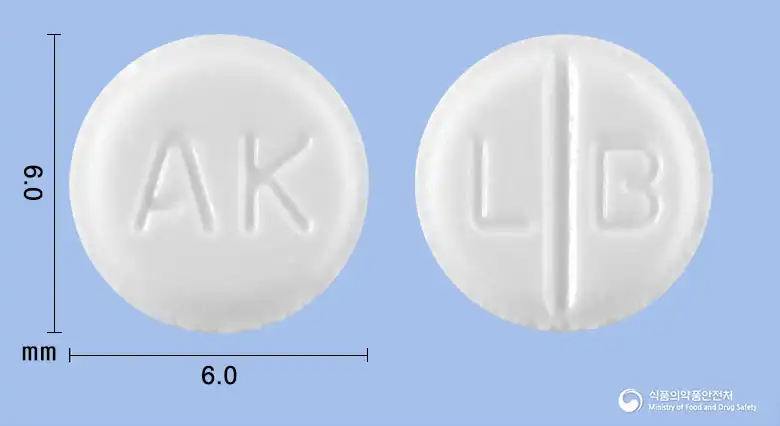
Tibolone 2.5mg
Tablet · Prescription medication
Albozen Korea Co., Ltd.

Tibolone 2.5mg
Tablet · Prescription medication
Korea Organon Co., Ltd.
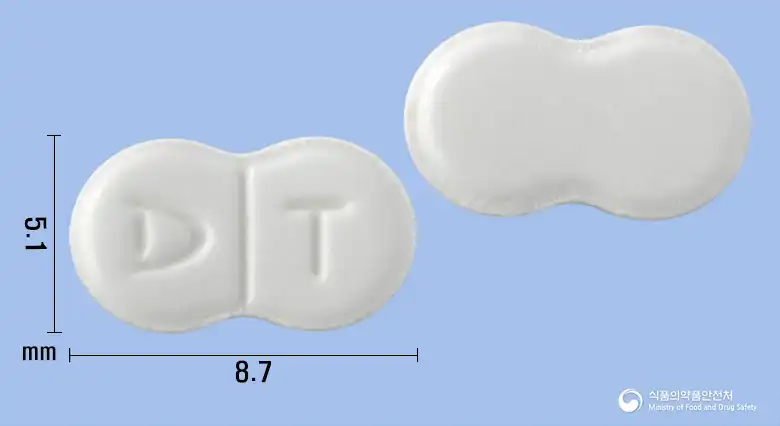
Tibolone 2.5mg
Tablet · Prescription medication
Darim Biotech Co., Ltd.
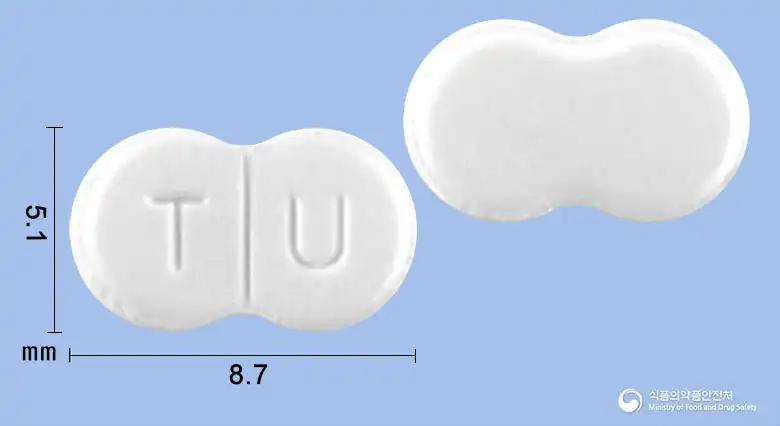
Tibolone 2.5mg
Tablet · Prescription medication
The U Pharmaceutical Co., Ltd.
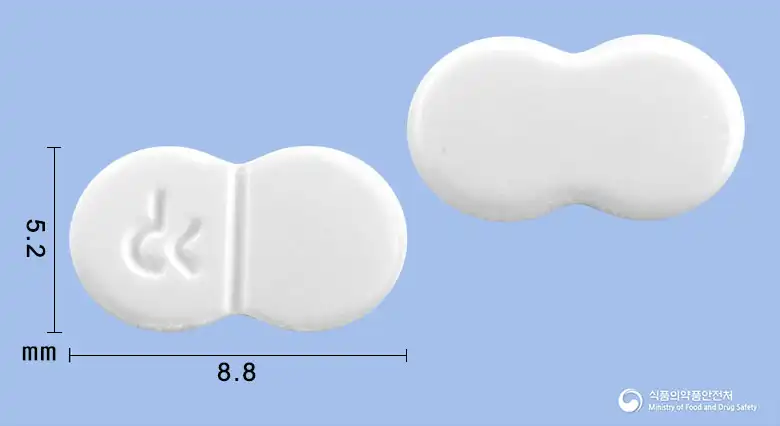
Tibolone 2.5mg
Tablet · Prescription medication
Dongkuk Pharmaceutical Co., Ltd.
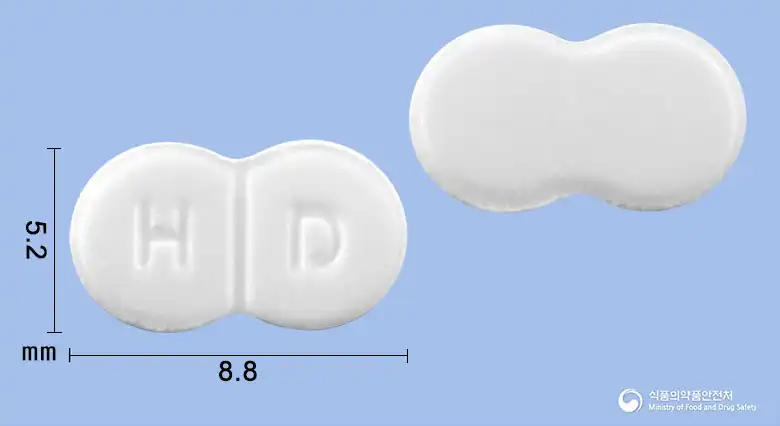
Tibolone 2.5mg
Tablet · Prescription medication
Hyundai Pharmaceutical Co., Ltd.
Even with the same ingredient, the dose and directions can differ by strength and dosage form. Talk to a doctor or pharmacist before switching from a medication you are already taking.
No questions yet.
For anything that needs medical judgment, consult a doctor or pharmacist.
This drug information is based on data provided by the Korea Ministry of Food and Drug Safety.
Consult a doctor or pharmacist for accurate dosage, administration, and usage instructions.