
 한국어
한국어 English
 日本語
日本語 中文(简体)
 Viewing now
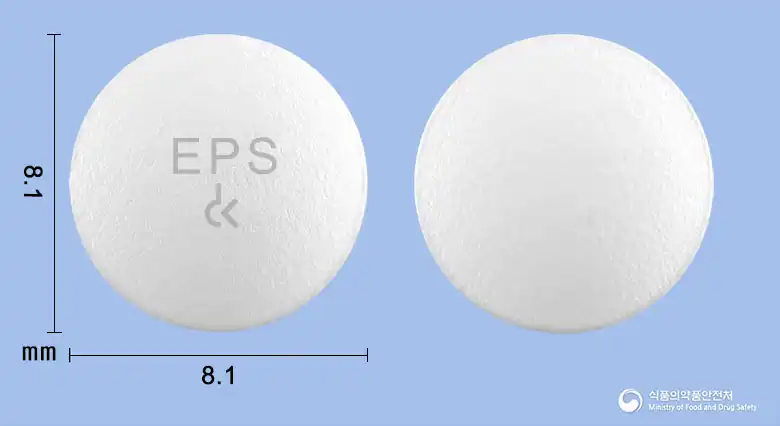
Epenal Sustained-release Tablet (Eperisone Hydrochloride)
Eperisone Hydrochloride 75mg
Tablet · Prescription medication
Dongkook Pharmaceutical Co., Ltd.
MFDS item code 201908171 · Approved 2019.11.29 · Insurance code 653404460
Relief of painful muscle spasms associated with musculoskeletal disorders (cervical radiculopathy, shoulder periarthritis)
This medication is used to relieve painful muscle spasms associated with musculoskeletal disorders, such as cervical radiculopathy, shoulder periarthritis, and low back pain.
This medication is a sustained-release tablet, which should be taken whole without crushing, splitting, or chewing. Adults should take 1 tablet (75mg of eperisone hydrochloride) twice a day after meals. The dosage may be adjusted accordingly based on age and symptoms.
This medication should not be used in patients who have had allergic reactions to this medication or those with severe myasthenia gravis. Patients with a history of hypersensitivity to the drug or liver dysfunction should use this medication with caution, as liver function may deteriorate. Serious allergic reactions or severe skin symptoms (fever, rash, blisters, itching, eye redness, oral mucositis, etc.) may rarely occur during the use of this medication, so if such symptoms appear, the medication should be discontinued immediately and the patient should visit a hospital. Occasionally, side effects such as elevated liver enzymes, blood abnormalities, gastrointestinal issues, neurological symptoms (dizziness, headache, drowsiness, etc.), skin rash, and edema may arise, so symptoms should be carefully monitored. Drowsiness, dizziness, or unsteadiness may occur during the course of taking this medication, so it is advisable to reduce the dosage or discontinue use when these symptoms occur. Drowsiness or decreased concentration may occur, making it safer to avoid driving a car or operating dangerous machinery. Care should be taken when taking this medication in conjunction with similar drugs, as there may be issues with vision correction. Women who are pregnant or may become pregnant should use this medication only when the therapeutic benefits outweigh the potential risks, and breastfeeding mothers should avoid taking it if possible; if unavoidable, it is advisable to discontinue breastfeeding. Safety in pediatric patients has not been adequately established, so this medication should be used cautiously in children. Elderly patients may have impaired physical function, so precautions such as reducing the dosage may be necessary when using this medication.
Urticaria, severe swelling (edema), difficulty breathing, shock and anaphylactic reactions, toxic epidermal necrolysis (Lyell syndrome), Stevens-Johnson syndrome, severe rash with fever, blisters, skin peeling, pain in oral/eye mucosa, angioedema
Not everyone experiences these, and they can vary from person to person.
This medication should be stored in a tightly sealed container to protect it from exposure to air and moisture, and it is safe to store it at a temperature between 1 and 30 degrees Celsius. This is to maintain the effectiveness of the medication and prevent degradation.
White to almost white round sustained-release film-coated tablets
30 tablets/bottle, 500 tablets/bottle
Even with the same ingredient, strength, dosage form and how it is taken can differ.
Viewing nowEperisone Hydrochloride 75mg
Tablet · Prescription medication
Dongkook Pharmaceutical Co., Ltd.
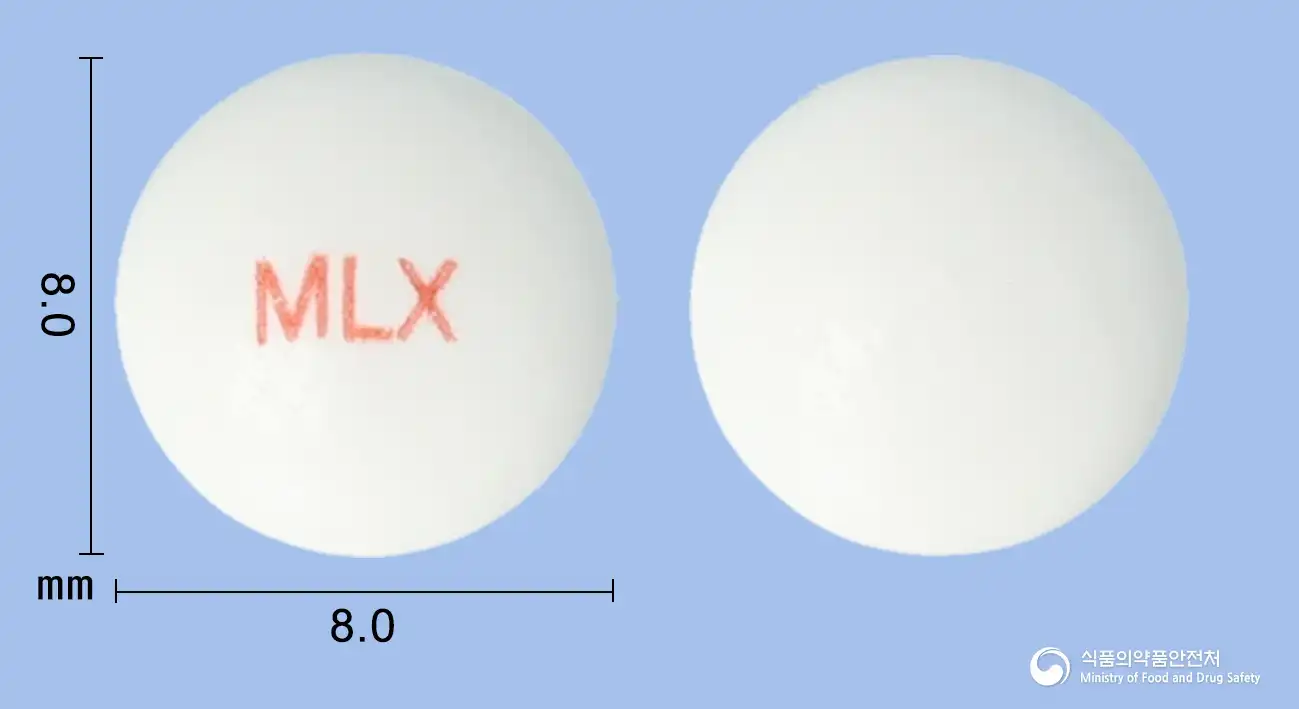
Eperisone Hydrochloride 50mg
Tablet · Prescription medication
Chodang Pharmaceutical Co., Ltd.
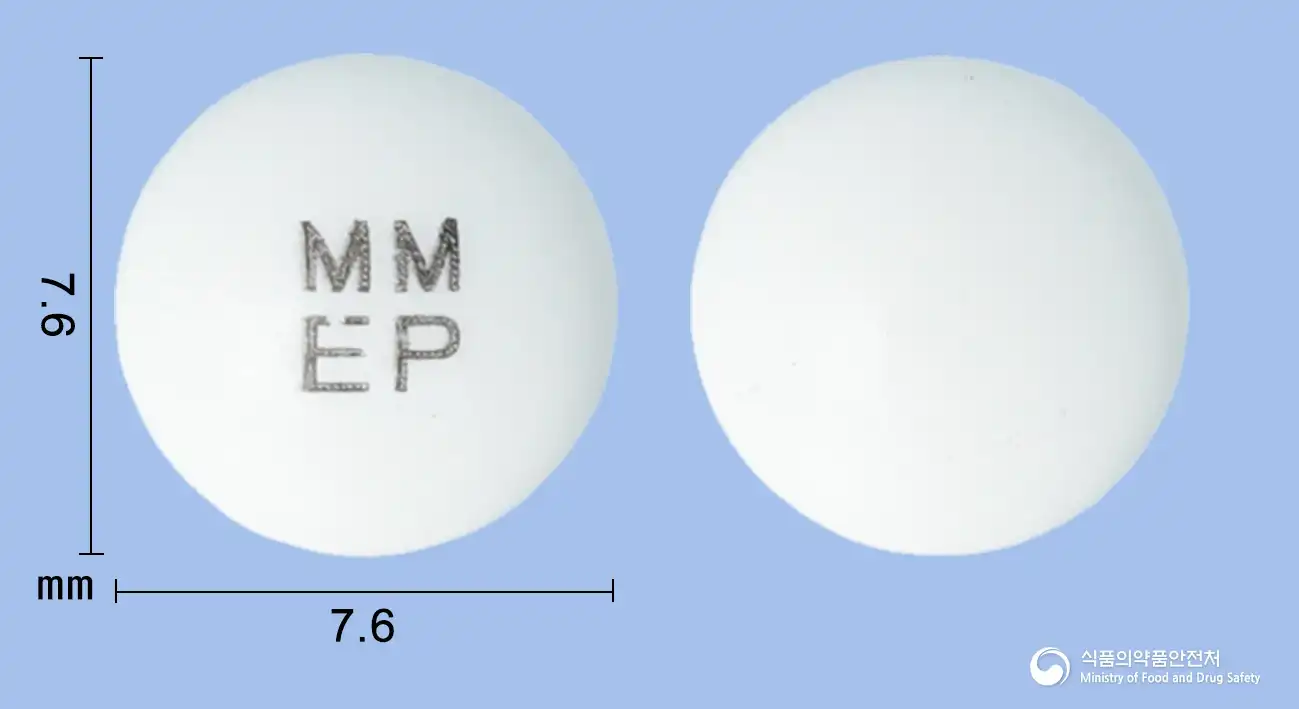
Eperisone Hydrochloride 50mg
Tablet · Prescription medication
Myeongmun Pharmaceutical Co., Ltd.
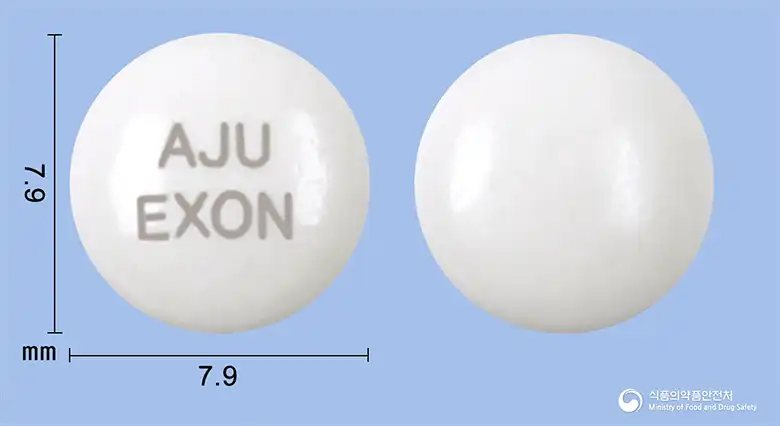
Eperisone Hydrochloride 50mg
Prescription medication
Aju Pharmaceutical Co., Ltd.
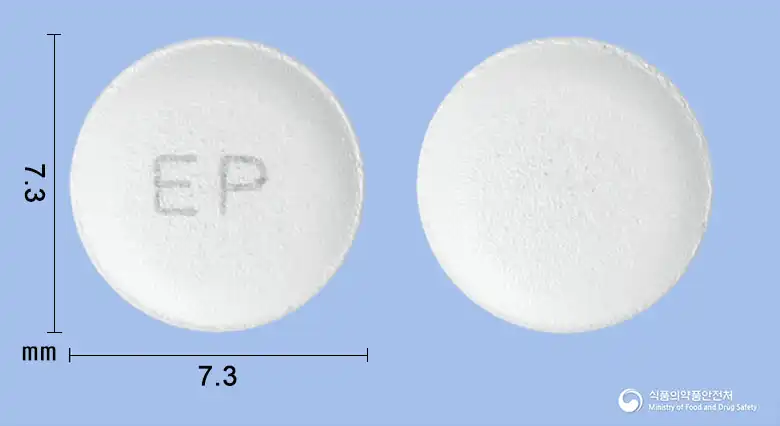
Eperisone Hydrochloride 50mg
Tablet · Prescription medication
Daewoo Pharmaceutical Co., Ltd.
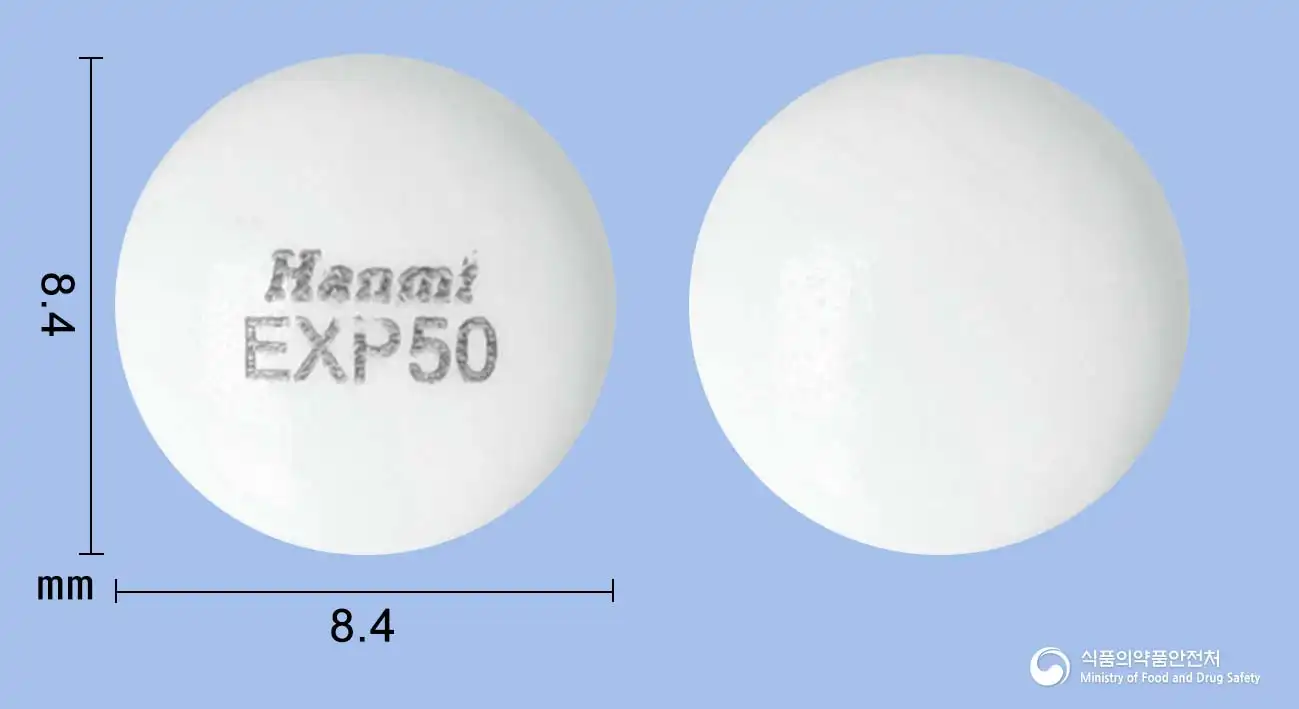
Eperisone Hydrochloride 50mg
Prescription medication
Hanmi Pharmaceutical Co., Ltd.
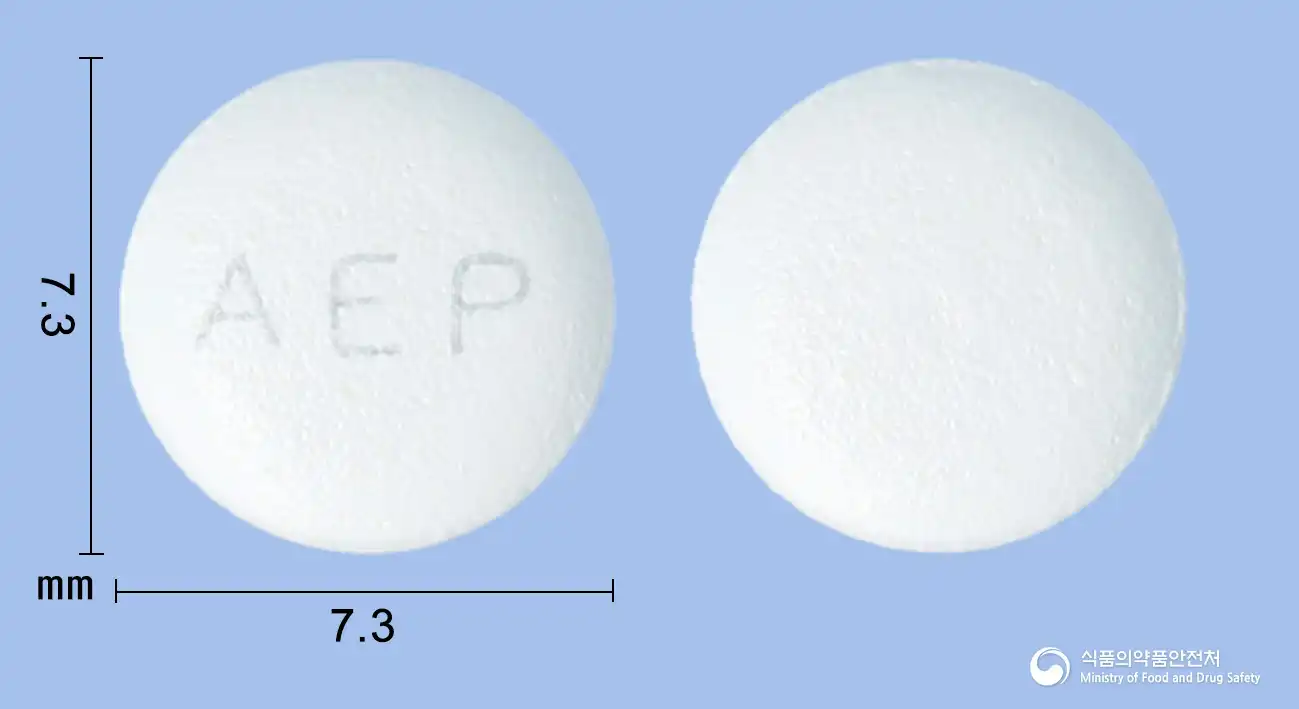
Eperisone Hydrochloride 50mg
Tablet · Prescription medication
Kyungdong Pharmaceutical Co., Ltd.
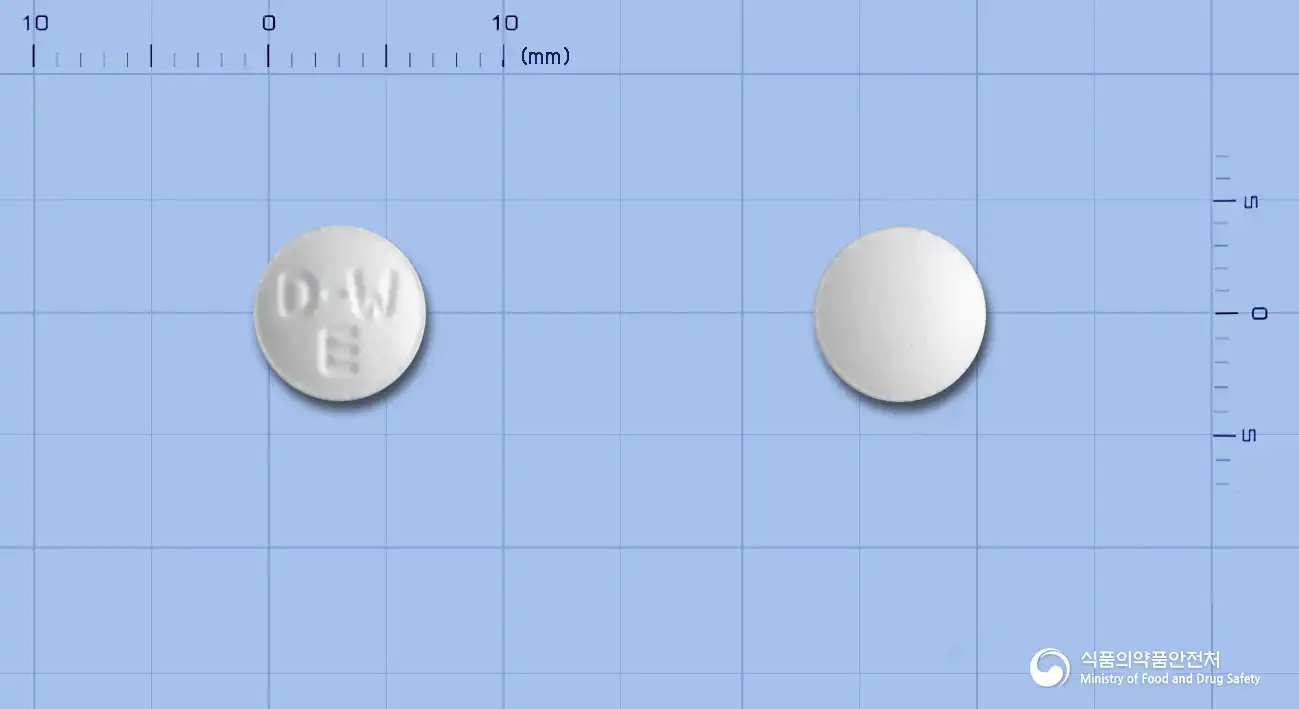
Eperisone Hydrochloride 50mg
Tablet · Prescription medication
Dongwha Pharmaceutical Co., Ltd.
Even with the same ingredient, the dose and directions can differ by strength and dosage form. Talk to a doctor or pharmacist before switching from a medication you are already taking.
No questions yet.
For anything that needs medical judgment, consult a doctor or pharmacist.
This drug information is based on data provided by the Korea Ministry of Food and Drug Safety.
Consult a doctor or pharmacist for accurate dosage, administration, and usage instructions.