
 한국어
 English
 日本語
 中文(简体)
 Viewing now
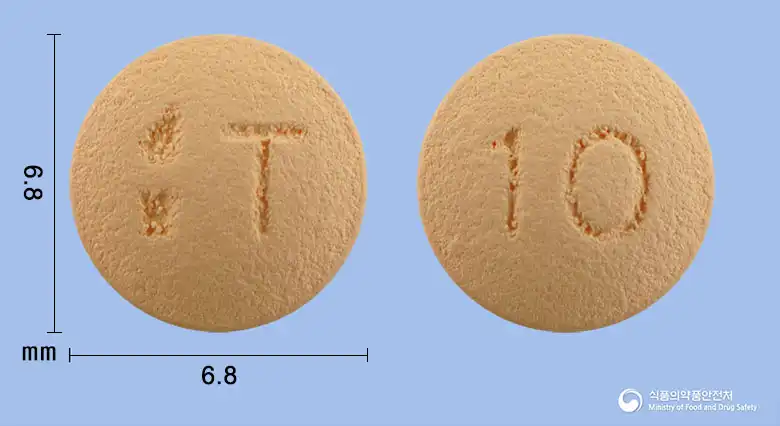
Aljal Tablet 10mg (Arotinolol Hydrochloride)
Arotinolol Hydrochloride 10mg
Tablet · Prescription medication
Samil Pharmaceutical Co., Ltd.
MFDS item code 201908132 · Notified 2019.11.27 · Insurance code 643903760
Treatment of cardiovascular diseases (hypertension, angina, etc.) and essential tremor
This medication is used to treat essential hypertension, angina, and tachyarrhythmias. It also helps alleviate symptoms of essential tremors, primarily being effective for diseases related to the heart and blood circulation.
For essential hypertension (mild to moderate), angina, and tachyarrhythmias: Adults: Administer artenolol hydrochloride 10㎎ orally per dose twice daily. If the effect is insufficient, the dose may be increased to 30㎎ daily. Adjust the dose appropriately according to age and symptoms. For essential tremor: Adults: Start with artenolol hydrochloride 10mg daily. If the effect is insufficient, administer a maintenance dose of 20mg daily orally in 2 divided doses. The dose may be adjusted appropriately according to age and symptoms, but should not exceed 30mg daily.
This drug affects the heart and blood pressure, so it should not be used by patients with certain heart diseases. For example, those with bradycardia or conduction issues may experience worsened symptoms if taking this medication. Diabetic patients experiencing ketoacidosis or metabolic acidosis may also be at risk of further depression of heart function. Patients with bronchial asthma or bronchospasm may find their respiratory symptoms exacerbated by this medication. Patients with severe heart dysfunction due to cardiogenic shock or right heart failure related to pulmonary hypertension may experience worsened symptoms upon taking this drug. It is safest for women who are pregnant or may become pregnant not to use this medication. Also, since this drug contains lactose, individuals with lactose intolerance or specific genetic metabolic disorders should avoid it. Special caution is needed when using this medication in patients at risk of heart failure or in diabetic patients with poor blood sugar control, those with severe liver or kidney dysfunction, and those with peripheral vascular disorders. For the elderly, it is advisable to start at a lower dosage and closely monitor their condition. Side effects may include skin symptoms resembling psoriasis and heart failure or bradycardia from decreased heart function, so regular heart examinations are necessary. Symptoms such as dizziness, headache, drowsiness, depression, indigestion, elevated liver enzymes, respiratory symptoms, and decreased tear secretion may occur. An allergic reaction may cause rashes or itching; if these symptoms appear, stop taking the medication immediately. With long-term use of this medication, regular checks on heart rate, blood pressure, electrocardiogram, and X-ray are needed, and dosage may need to be adjusted or discontinued if bradycardia or hypotensive symptoms appear. Particularly, abruptly stopping the medication can worsen heart symptoms, so the dosage should be gradually reduced per the physician's instructions. Patients undergoing surgery should discontinue this medication 48 hours prior to the procedure, and specific adrenal tumor patients should take it with other medications. During treatment, caution is needed during activities such as driving or operating machinery due to the potential for dizziness. There may be drug interactions if taken with other medications; therefore, it is essential to consult with a doctor or pharmacist when combining this drug with antihypertensives, antidiabetics, or heart-related medications. Pregnant or breastfeeding women should avoid this medication, and its safety has not been established for children. The elderly should start at a low dose and adjust slowly while particularly monitoring heart function decline and blood pressure drop.
psoriasis, psoriatic rash, heart failure, bradycardia, chest pain, chest discomfort, dizziness, orthostatic dysregulation, palpitations, hypotension, shortness of breath, atrial fibrillation, worsening of atrioventricular block, peripheral circulation disorder, weakness, fatigue, headache, heaviness of the head, drowsiness, depression, insomnia, loose stools, diarrhea, abdominal discomfort, abdominal pain, loss of appetite, nausea, vomiting, indigestion, abdominal bloating, constipation, increased ALT, increased AST, increased ALP, increased LDH, bronchospasm, wheezing, cough, decreased tear secretion, blurred vision, fatigue during rest, rash, itching, burning sensation, edema, paralysis, increased triglycerides, increased uric acid, increased BUN, increase in cardiothoracic ratio, myalgia, increased blood sugar levels in fasting state, increased total cholesterol, increased CPK, leukocytosis, thirst, hair loss
Not everyone experiences these, and they can vary from person to person.
This medication should be stored in a tightly sealed container to prevent air from entering and kept at room temperature between 1 to 30 degrees Celsius. Proper storage will help maintain the medication's effectiveness for a long time.
Light orange round film-coated tablets
30 tablets/bottle
Even with the same ingredient, strength, dosage form and how it is taken can differ.
Viewing nowArotinolol Hydrochloride 10mg
Tablet · Prescription medication
Samil Pharmaceutical Co., Ltd.
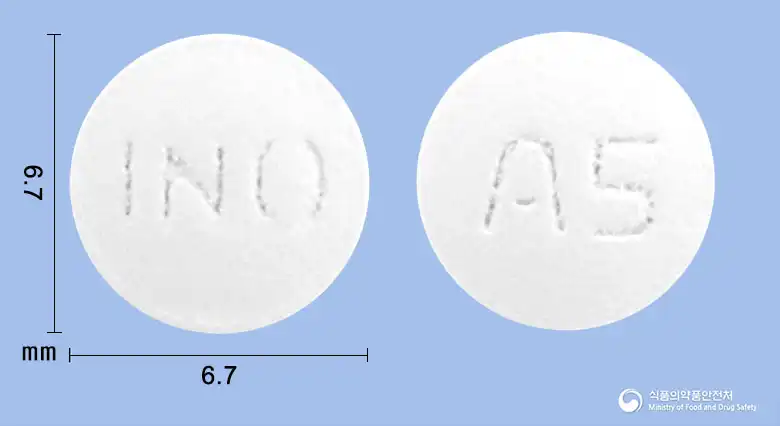
Arotinolol Hydrochloride 5mg
Tablet · Prescription medication
HK Inno.N Co., Ltd.
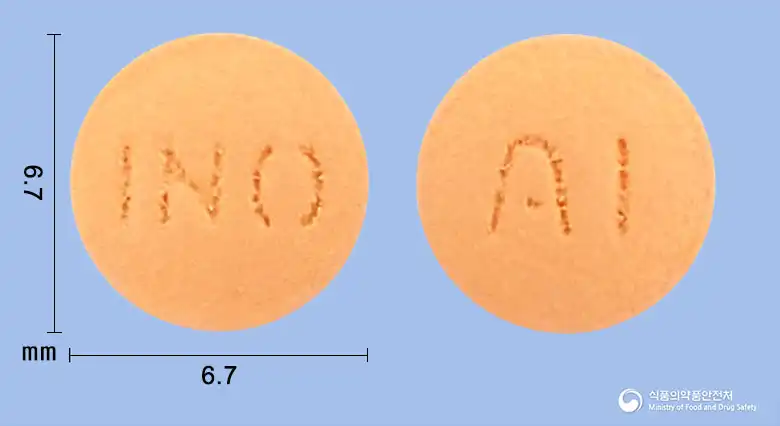
Arotinolol Hydrochloride 10mg
Tablet · Prescription medication
HK Inno.N Co., Ltd.
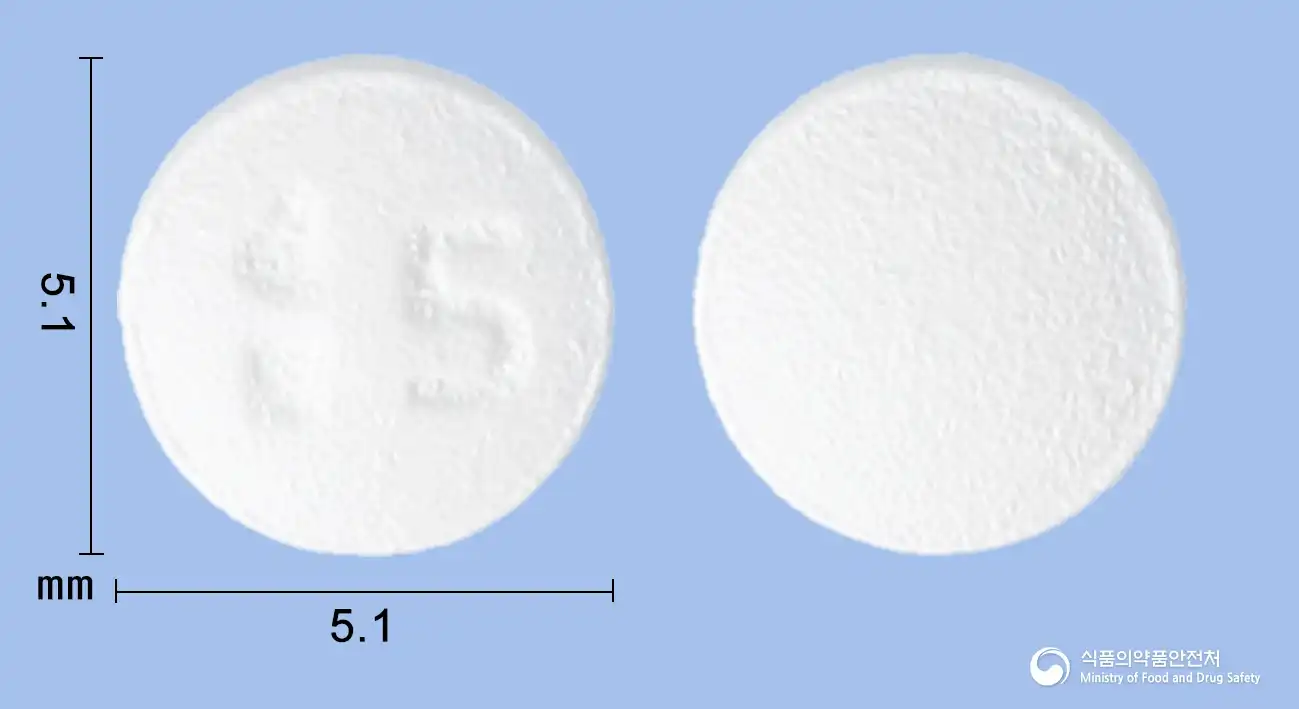
Arotinolol Hydrochloride 5mg
Tablet · Prescription medication
Samil Pharmaceutical Co., Ltd.
Even with the same ingredient, the dose and directions can differ by strength and dosage form. Talk to a doctor or pharmacist before switching from a medication you are already taking.
No questions yet.
For anything that needs medical judgment, consult a doctor or pharmacist.
This drug information is based on data provided by the Korea Ministry of Food and Drug Safety.
Consult a doctor or pharmacist for accurate dosage, administration, and usage instructions.