
 한국어
 English
 日本語
 中文(简体)
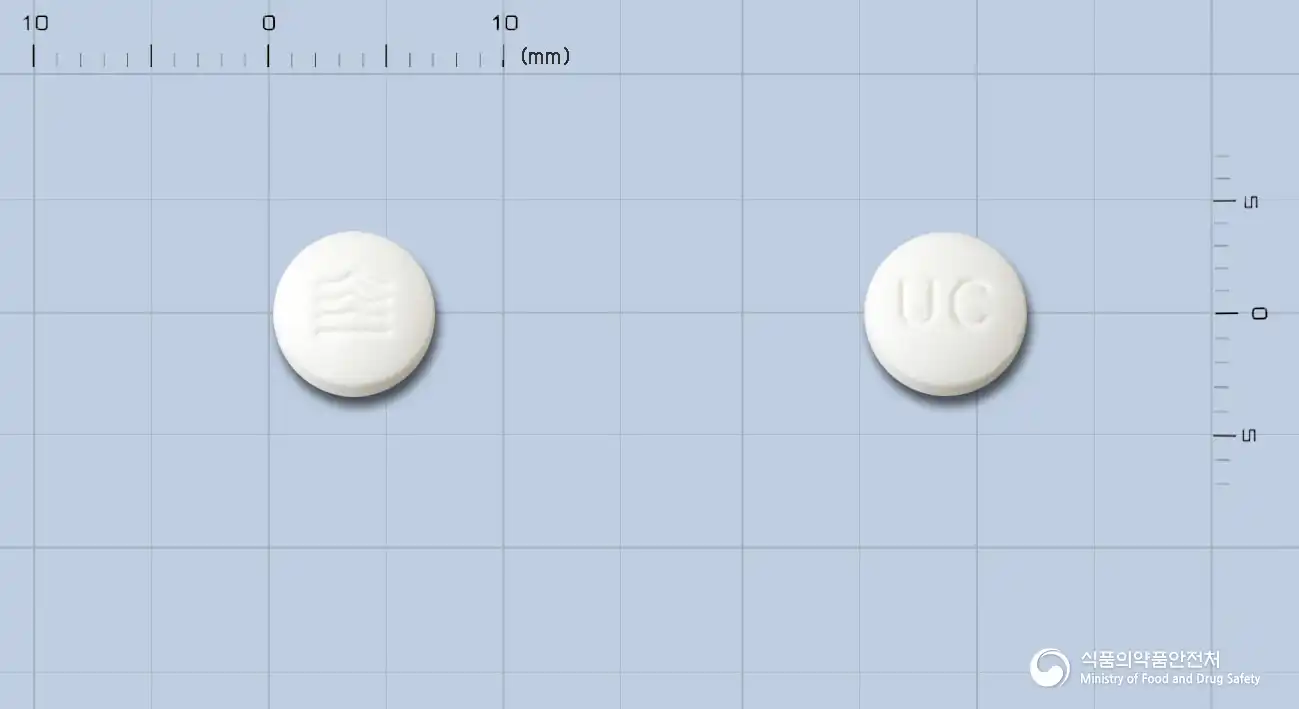
Dosage form image
Viewing nowNP Berin Tablet 20 mg (Propiverine Hydrochloride)
Propiverine Hydrochloride 20mg
Tablet · Prescription medication
Daehan New Pharm Co., Ltd.
MFDS item code 201908036 · Approved 2019.11.22
This product's status changed to Expired on 2024.11.22. It may no longer be sold, so consult a doctor or pharmacist before taking it.
Relief of overactive bladder (e.g., urinary frequency and urgency) and urinary frequency and incontinence associated with bladder disorders
This medication is used to improve the symptoms of frequent urination and urinary incontinence associated with neurogenic bladder, neurogenic frequent urination, unstable bladder, chronic cystitis, and chronic prostatitis resulting from bladder irritation. It is also effective for urinary urgency, frequent urination, and urge incontinence caused by overactive bladder. In other words, this drug helps alleviate urinary problems due to various bladder dysfunctions, thereby enhancing the quality of life for patients.
Adults: Administer 20 mg of propiverine hydrochloride orally once daily after meals. The dose may be adjusted according to symptoms; if the effect is insufficient and there are no safety concerns, 20 mg may be taken twice daily.
This medication should not be used by certain patients. For example, those who are allergic to this drug or its components, those with digestive obstruction or decreased motility, those with difficulty urinating, those with glaucoma, severe myasthenia gravis, or severe heart conditions may experience worsening symptoms from taking this medication. Moreover, patients with impaired liver or kidney function, those with Parkinson's disease or cerebrovascular disorders, those with hyperthyroidism, and elderly individuals should be more cautious when using this medication. These individuals may experience more severe side effects from the drug, so they should consult with a physician and take it carefully. This drug may affect the mental and nervous system, leading to symptoms such as hallucinations or delusions, and serious side effects have been reported such as abnormal heart rhythm, liver dysfunction, muscle pain, and skin rashes. If any of these symptoms occur, the medication should be stopped immediately and healthcare professionals should be notified. Common side effects such as constipation, nausea, headache, dizziness, and difficulty urinating may occur during use, so one should monitor their physical condition. Additionally, this medication may cause drowsiness or dizziness, so care should be taken when driving or operating machinery. Taking this medication with other anticholinergics or certain psychiatric medications may increase the risk of side effects; therefore, it is essential to inform healthcare professionals if other drugs are being taken. Women who are pregnant or breastfeeding are advised to avoid this medication, as its safety has not been established. Particularly for breastfeeding women, discontinuing breastfeeding is recommended. Its safety in children has not been confirmed, so it is preferable not to use it in this population. Elderly patients, often experiencing decreased liver and kidney function, should start at a lower dose and take it carefully. In case of overdose, serious symptoms such as delusions, convulsions, paralytic ileus, urinary retention, and heart complications may occur; thus, immediate medical attention should be sought. This medication should be kept out of reach of children, and care should be taken not to transfer it to another container, as this may compromise its quality.
Not everyone experiences these, and they can vary from person to person.
This medication should be stored in a tightly sealed container to prevent exposure to air and humidity. Additionally, it should be kept at room temperature between 1 to 30 degrees Celsius, avoiding very hot or very cold places.
White round film-coated tablet
30 tablets/bottle, 100 tablets/bottle
Even with the same ingredient, strength, dosage form and how it is taken can differ.
Propiverine Hydrochloride 20mg
Tablet · Prescription medication
Daehan New Pharm Co., Ltd.
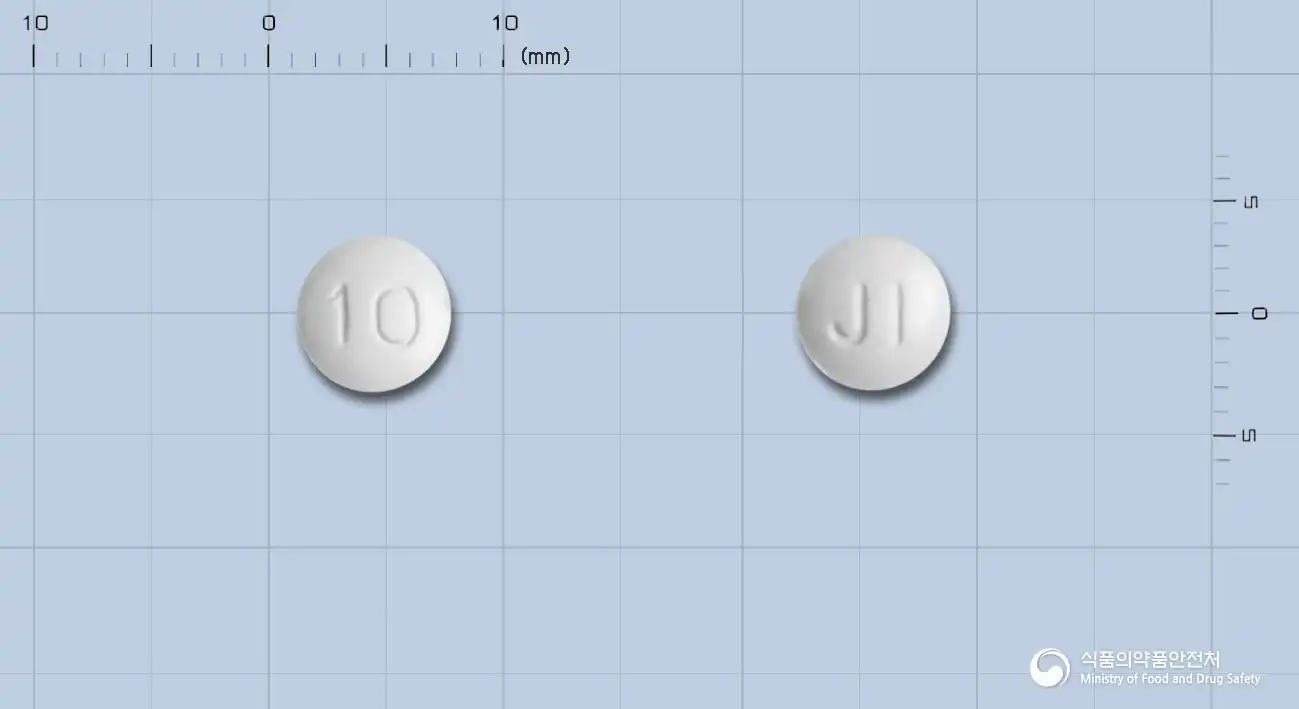
Propiverine Hydrochloride 10mg
Tablet · Prescription medication
Chaeil Pharmaceutical Co., Ltd.

Propiverine Hydrochloride 20mg
Tablet · Prescription medication
Jeil Pharmaceutical Co., Ltd.

Propiverine Hydrochloride 20mg
Tablet · Prescription medication
Shinpoong Pharmaceutical Co., Ltd.
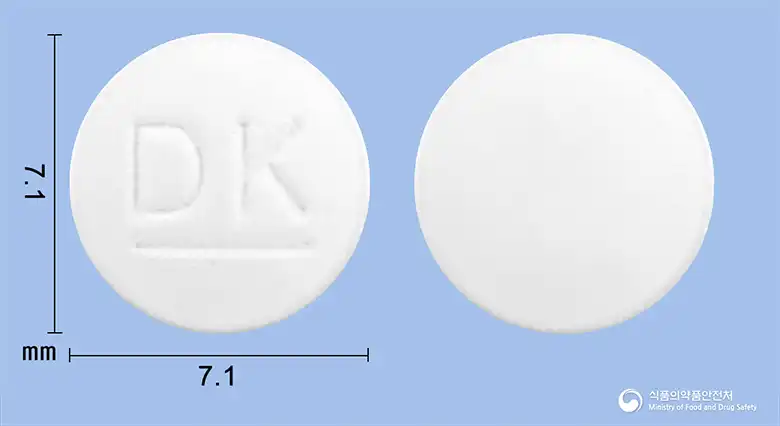
Propiverine Hydrochloride 20mg
Tablet · Prescription medication
Dongguk Pharmaceutical Co., Ltd.
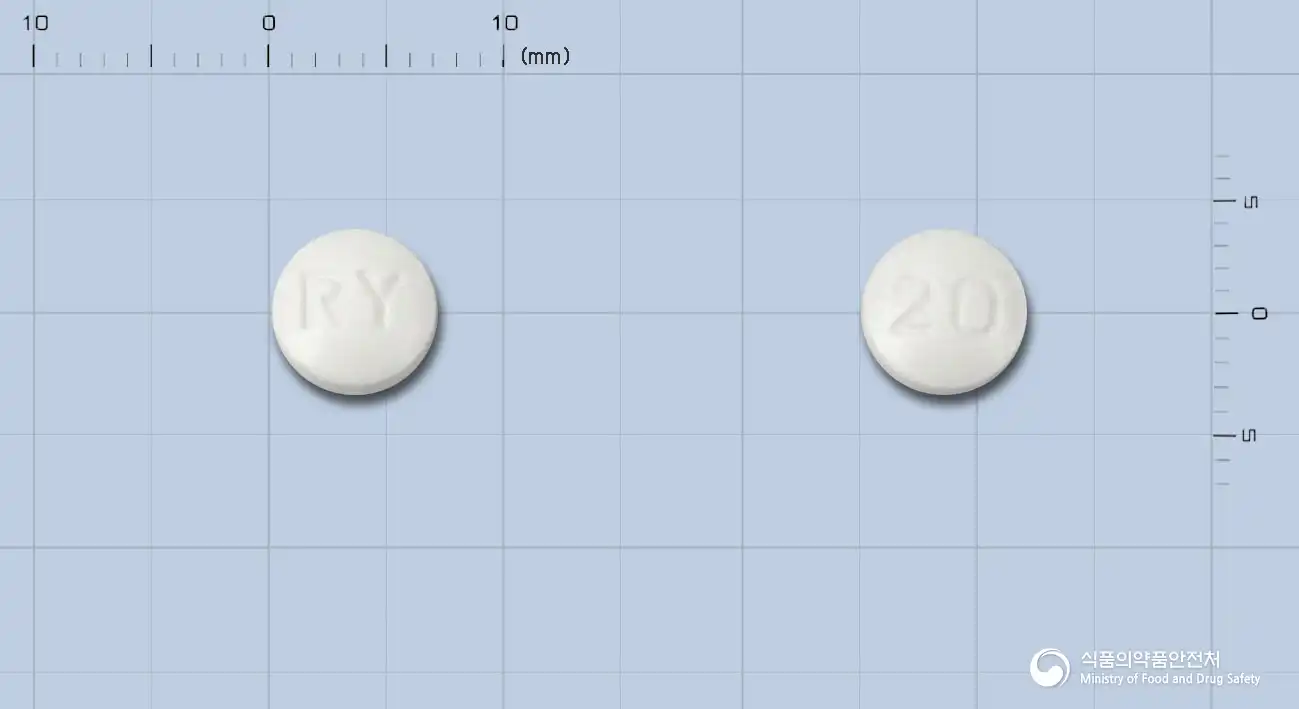
Propiverine Hydrochloride 20mg
Tablet · Prescription medication
Iyeon Pharmaceutical Co., Ltd.
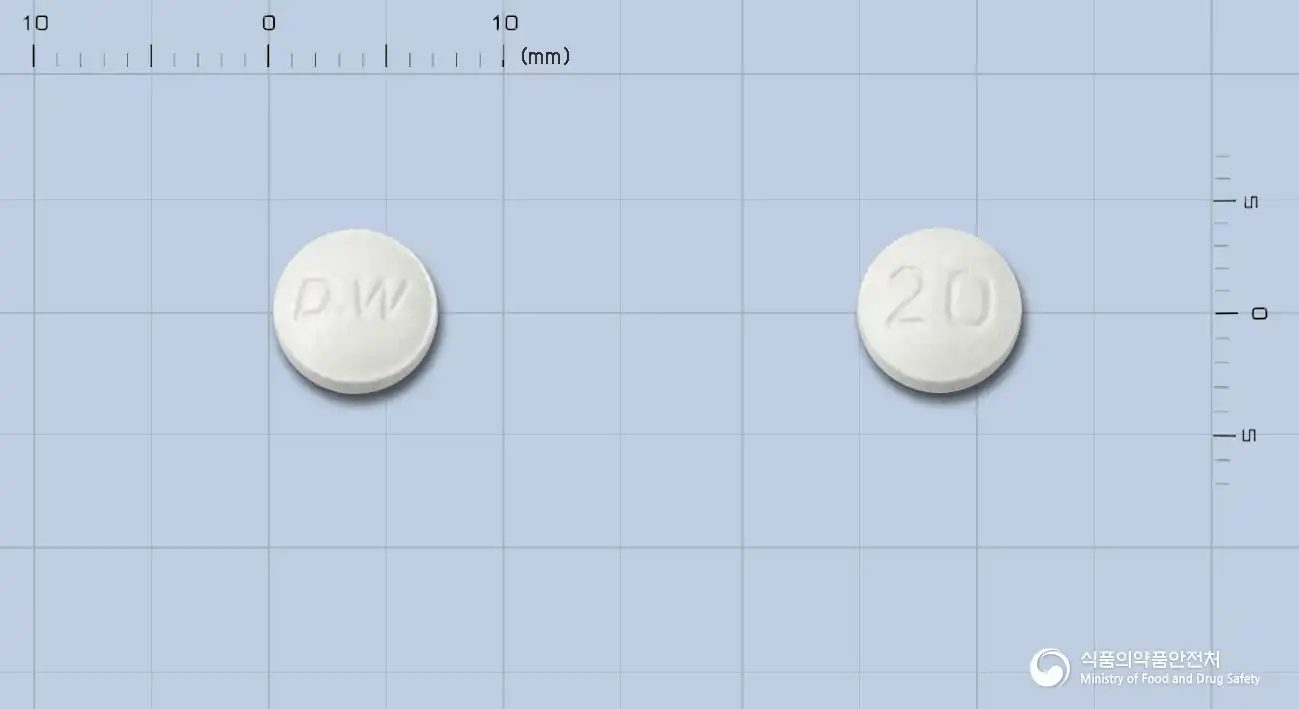
Propiverine Hydrochloride 20mg
Tablet · Prescription medication
Daewoong Pharmaceutical Co., Ltd.
Propiverine Hydrochloride 20mg
Tablet · Prescription medication
Bionex Co., Ltd.
Even with the same ingredient, the dose and directions can differ by strength and dosage form. Talk to a doctor or pharmacist before switching from a medication you are already taking.
No questions yet.
For anything that needs medical judgment, consult a doctor or pharmacist.
This drug information is based on data provided by the Korea Ministry of Food and Drug Safety.
Consult a doctor or pharmacist for accurate dosage, administration, and usage instructions.