
 한국어
한국어 English
 日本語
日本語 中文(简体)
 Viewing nowCombination
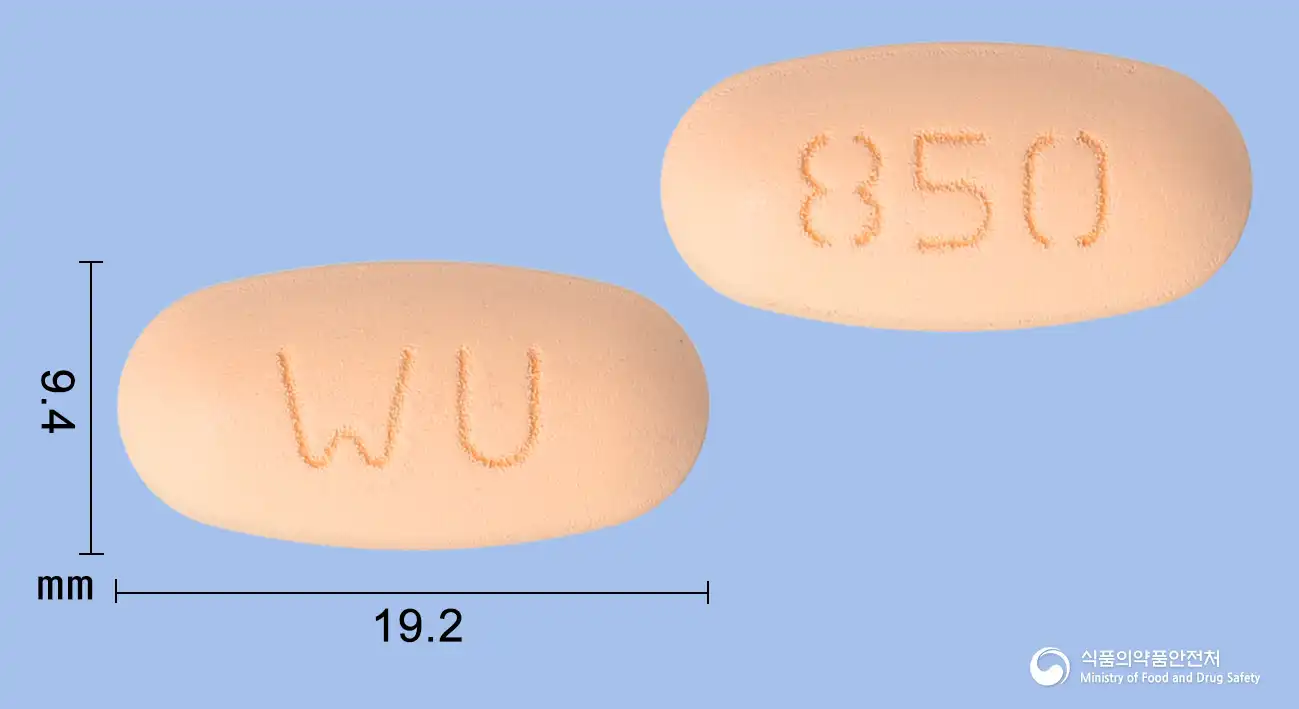
Litrazen Duo Tablet 2.5/850mg
Linagliptin 2.5mg · Metformin Hydrochloride 850mg
Tablet · Prescription medication · Combination
Weetus Pharmaceutical Co., Ltd.
MFDS item code 201908008 · Approved 2019.11.20 · Insurance code 660703840
Improvement of blood sugar control in type 2 diabetes
This medication helps control blood sugar levels in patients with type 2 diabetes by using linagliptin and metformin together. When used along with dietary and exercise therapies, blood sugar can be managed more effectively. This helps stabilize blood sugar levels and aids in the prevention of complications of diabetes. Continuous use of this medication can significantly assist in blood sugar control.
The dosage of this medication is determined based on the maximum recommended dosages of each active ingredient, which are linagliptin 2.5 mg and metformin 1000 mg, not to exceed two doses per day, considering each patient's current therapy, efficacy, and tolerability. This medication is administered twice daily with meals. 1. If currently not treated with metformin: Start with an initial dose of this medication 2.5/500 mg twice a day, taking one tablet at a time.
This medication can cause a serious side effect called lactic acidosis due to one of its active ingredients, metformin hydrochloride. Lactic acidosis is a rare but very dangerous metabolic complication that occurs more frequently when there is a sudden deterioration in kidney function or in conditions such as cardiopulmonary disease or sepsis. In such situations, this medication must be stopped immediately, and symptoms should prompt an immediate visit to a hospital. This medication should not be administered to certain patients. For example, individuals with an allergy to any component of this medication, those with type 1 diabetes, lactic acidosis, diabetic ketoacidosis, severe renal impairment, liver dysfunction, acute myocardial infarction or in a state of shock, as well as women who are pregnant or breastfeeding should not use it. Additionally, due to the risk of hypoglycemia, caution is required when used concurrently with other hypoglycemic agents such as sulfonylureas or insulin, and dosage adjustments may be necessary if needed. Elderly patients or those taking medications that can affect renal function should undergo regular kidney function tests. Rare side effects such as acute pancreatitis or bullous pemphigoid may occur, so persistent and severe abdominal pain or skin blisters should be reported to a doctor immediately. This medication can lower vitamin B12 levels, so it is advisable to regularly check for vitamin B12 deficiency if taking it over a long period. There may also be interactions with other medications, so patients taking other drugs should inform their doctor or pharmacist, especially when used with drugs that can affect kidney function. Women who are pregnant or planning to become pregnant are advised to avoid this medication, and it should not be used while breastfeeding. Safety and efficacy have not been confirmed for children under 10 years old or for pediatric and adolescent patients aged between 10 and 17 years old, so it is not recommended. Elderly patients commonly experience reduced renal function, so they should regularly monitor their renal function and adjust the dosage accordingly when using this medication. When taking this medication, it should be stored out of reach of children, kept away from moisture, and should not be transferred to other containers.
Urticaria, angioedema, lactic acidosis, pancreatitis, bullous pemphigoid, liver dysfunction (including hepatitis and abnormal liver function tests), severe rash accompanied by fever, blisters, skin peeling, pain in oral/ocular mucosa, respiratory distress, asthma attacks, severe allergic reactions, severe edema, chest tightness, difficulty breathing, cold sweat, paleness, sudden and very severe headache, thunderclap headache, seizures, confusion, visual disturbances.
Nasopharyngitis, hypersensitivity, reduction and deficiency of vitamin B12, taste disorders, cough, loss of appetite, diarrhea, constipation, nausea, vomiting, abdominal pain, oral ulcer formation, abnormal liver function tests, hepatitis, pruritus, erythema, rash, musculoskeletal and connective tissue disorders, increased lipase, increased amylase, hypoglycemia when used in combination with linagliptin and metformin, headache, itching, dizziness, drowsiness, stomatitis, fatigue, nosebleed, runny nose, speech issues.
Not everyone experiences these, and they can vary from person to person.
This medication is sensitive to air and moisture, so it must be stored in a tightly sealed container. The storage temperature should be maintained between 1°C and 30°C to preserve the medication's effectiveness for a longer period.
Bright orange colored oval coated tablet
60 tablets/box [10 tablets/PTP x 6]
Even with the same ingredient, strength, dosage form and how it is taken can differ.
Viewing nowCombinationLinagliptin 2.5mg · Metformin Hydrochloride 850mg
Tablet · Prescription medication · Combination
Weetus Pharmaceutical Co., Ltd.
 Combination
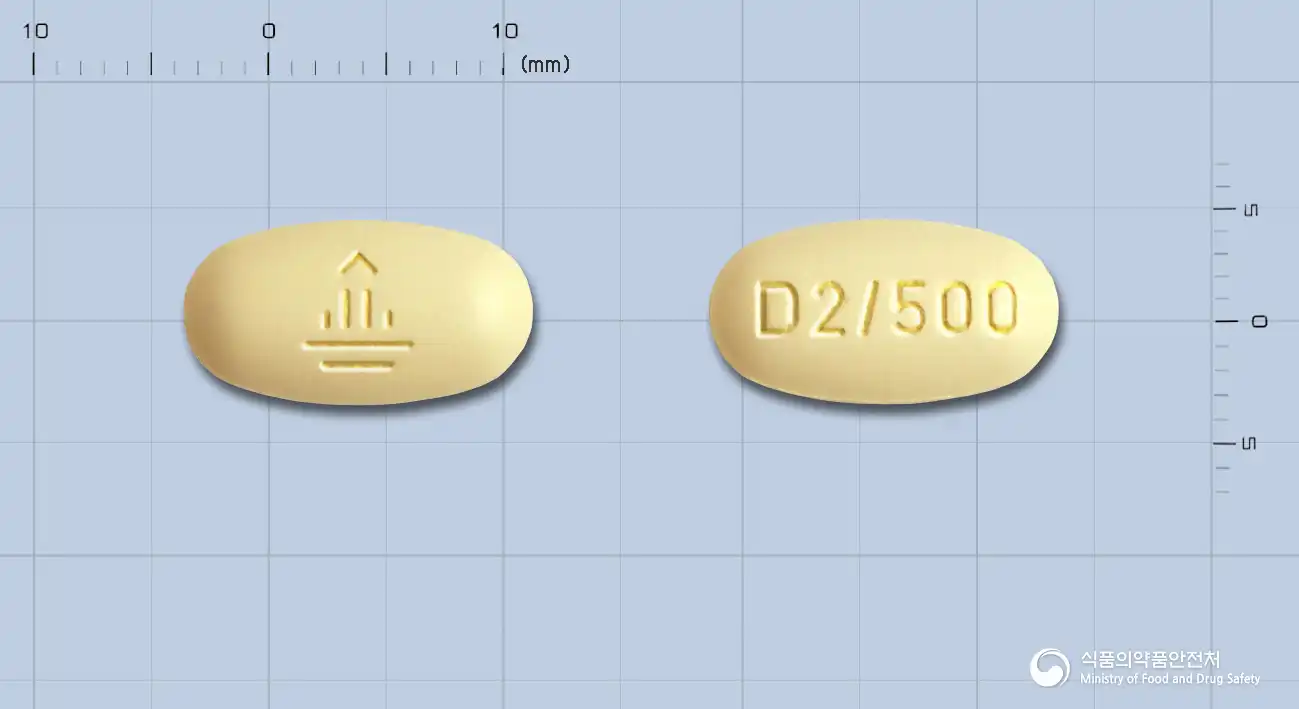
Linagliptin 2.5mg · Metformin Hydrochloride 500mg
Tablet · Prescription medication · Combination
Boehringer Ingelheim Korea Co., Ltd.
 Combination
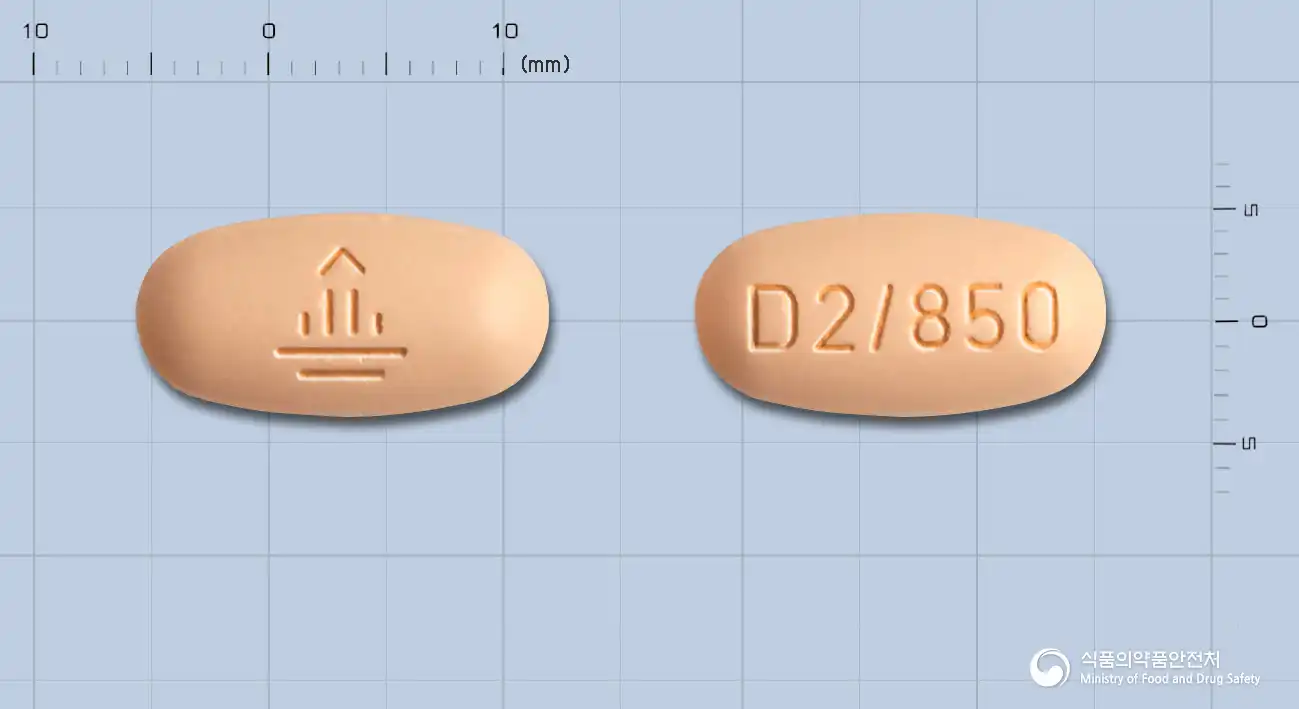
Linagliptin 2.5mg · Metformin Hydrochloride 850mg
Tablet · Prescription medication · Combination
Boehringer Ingelheim Korea Co., Ltd.
 Combination
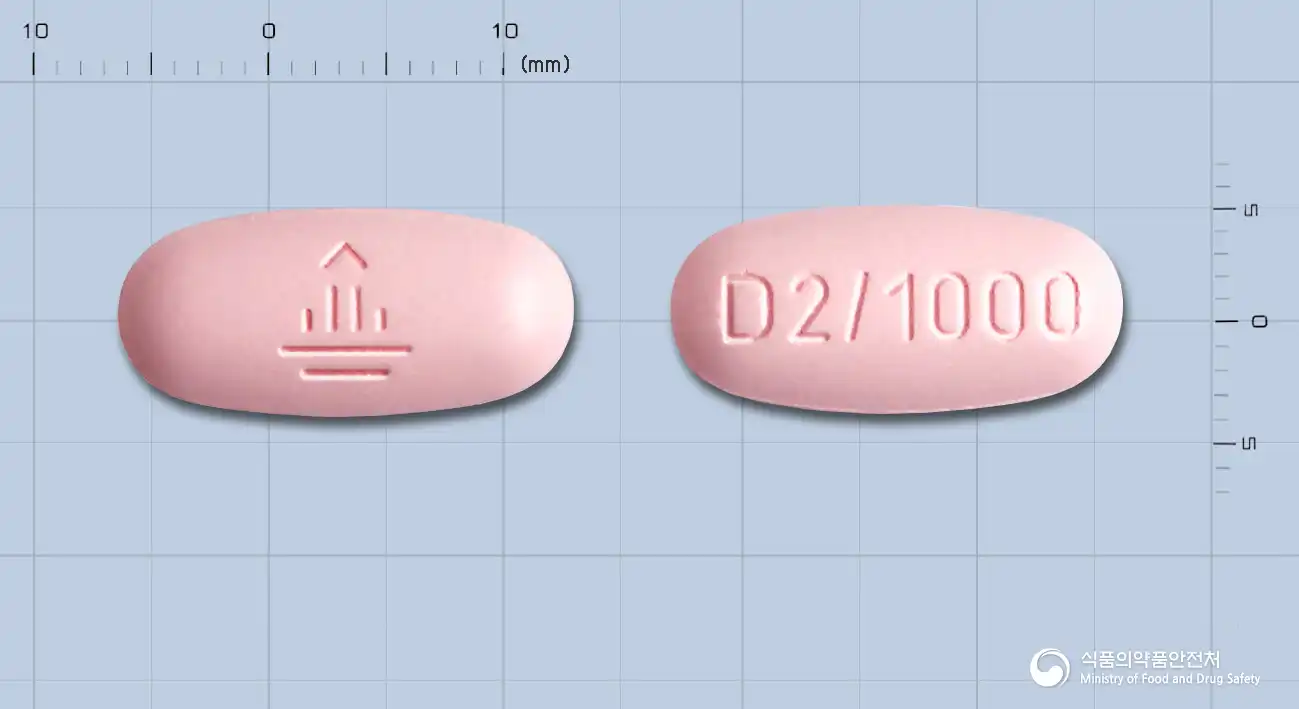
Linagliptin 2.5mg · Metformin Hydrochloride 1000mg
Tablet · Prescription medication · Combination
Boehringer Ingelheim Korea Co., Ltd.
Linagliptin 2.5mg · Metformin Hydrochloride 1000mg
Tablet · Prescription medication · Combination
Anguk Pharm Co., Ltd.
Linagliptin 2.5mg · Metformin Hydrochloride 1000mg
Prescription medication · Combination
Hanmi Pharmaceutical Co., Ltd.
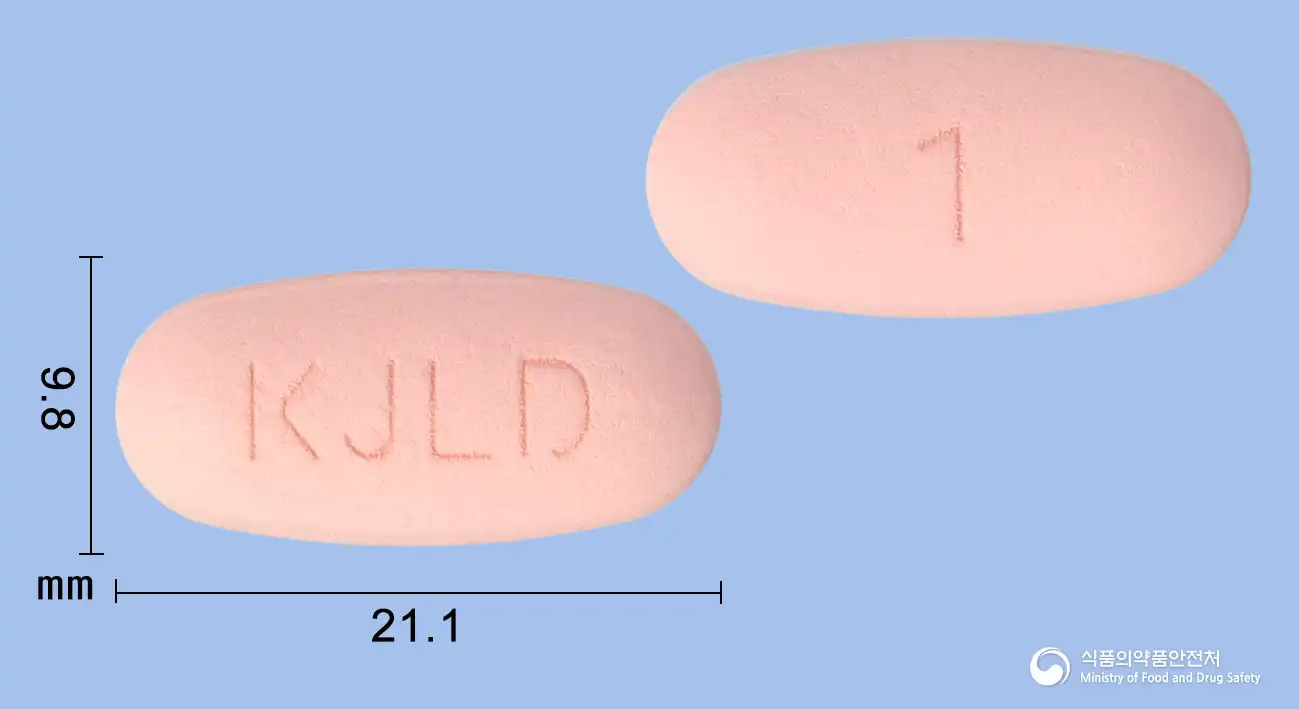 Combination
Linagliptin 2.5mg · Metformin Hydrochloride 1000mg
Tablet · Prescription medication · Combination
Kukje Pharmaceutical Co., Ltd.
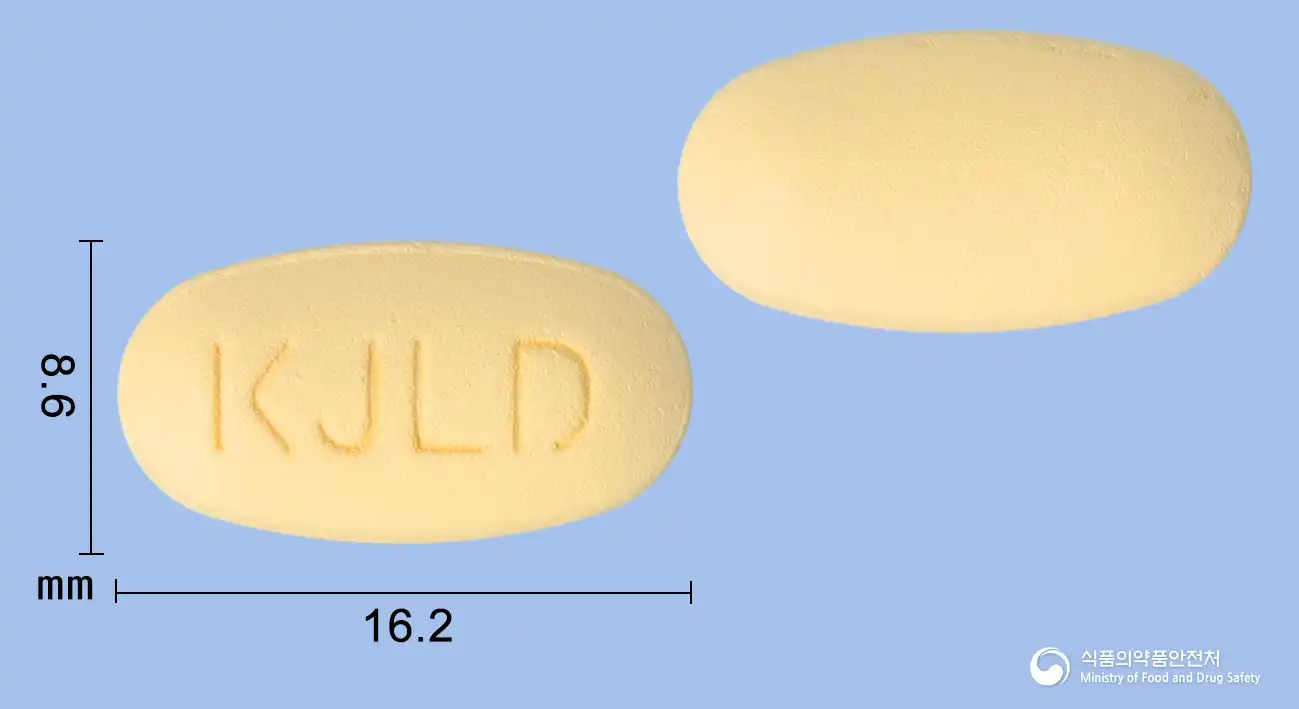 Combination
Linagliptin 2.5mg · Metformin Hydrochloride 500mg
Tablet · Prescription medication · Combination
International Pharmaceutical Co., Ltd.
Even with the same ingredient, the dose and directions can differ by strength and dosage form. Talk to a doctor or pharmacist before switching from a medication you are already taking.
No questions yet.
For anything that needs medical judgment, consult a doctor or pharmacist.
This drug information is based on data provided by the Korea Ministry of Food and Drug Safety.
Consult a doctor or pharmacist for accurate dosage, administration, and usage instructions.