
 한국어
 English
 日本語
 中文(简体)
 Viewing now
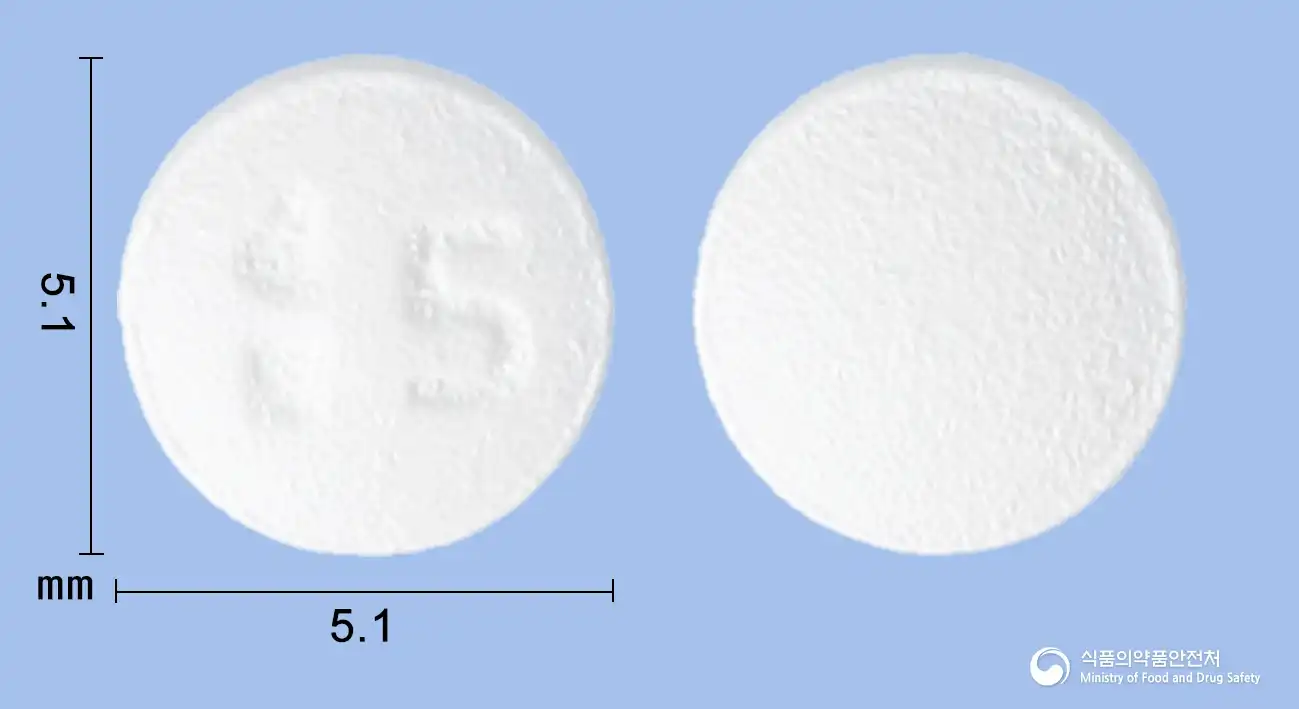
Aljal Tablet 5mg (Arotinolol Hydrochloride)
Arotinolol Hydrochloride 5mg
Tablet · Prescription medication
Samil Pharmaceutical Co., Ltd.
MFDS item code 201908003 · Notified 2019.11.20 · Insurance code 643903750
Treatment of cardiovascular diseases (essential hypertension, angina, etc.) and essential tremor
This drug is used for mild to moderate essential hypertension, angina, tachyarrhythmias, and essential tremor symptoms.
For essential hypertension (mild to moderate), angina, and tachyarrhythmia, Adults: Administer 10㎎ of arotinolol hydrochloride orally twice daily, and if the effect is insufficient, the dose may be increased to 30㎎ daily. Adjust the dose as appropriate according to age and symptoms. For essential tremor, Adults: Start with 10mg of arotinolol hydrochloride daily, and if the effect is insufficient, administer 20mg daily orally in 2 divided doses as the maintenance dose. Adjust the dose as appropriate according to age and symptoms, but do not exceed 30mg daily.
This drug should not be used in patients with bradycardia or cardiac conduction issues. Caution is needed in patients with diabetic ketoacidosis or metabolic acidosis, as it may worsen cardiac function. It should be avoided in patients with bronchial asthma or bronchospasm as it can induce bronchoconstriction. This drug is not administered to patients with cardiogenic shock or right heart failure due to pulmonary hypertension, as it may significantly impair cardiac function. It is safest for women who are pregnant or may become pregnant to avoid using this medication. Patients with lactose intolerance or certain genetic metabolic disorders should not take this medication due to the lactose contained in it. Special caution is required when using this drug in patients with congestive heart failure or diabetes with poor hypoglycemic control, severe liver or kidney disease, peripheral circulation disorders, and elderly patients. Regular monitoring of cardiac function, blood pressure, and pulse is necessary during long-term use, and dosage adjustment or discontinuation may be needed if any abnormal signs appear. Stopping this medication suddenly may worsen cardiac symptoms, so it should be tapered off gradually under the guidance of a physician. Caution is advised when driving or operating hazardous machinery as dizziness may occur. Consultation with a physician or pharmacist is needed when using this drug alongside other medications due to possible interactions that may worsen side effects. It is advisable for pregnant or nursing women to avoid this drug, and it should be used cautiously in children as its safety has not been established. Elderly patients may have weakened cardiac function and should start with a low dose while being closely monitored.
psoriasis, psoriatic lesions, heart failure, bradycardia, chest pain, chest discomfort, dizziness, orthostatic control disorder, palpitations, hypotension, shortness of breath, atrial fibrillation, worsening of atrioventricular block, peripheral circulation disorder, weakness, fatigue, headache, heaviness in the head, drowsiness, depression, insomnia, loose stools, diarrhea, abdominal discomfort, abdominal pain, loss of appetite, nausea, vomiting, indigestion, abdominal bloating, constipation, elevated ALT, elevated AST, elevated ALP, elevated LDH, bronchospasm, wheezing, cough, decreased tear secretion, blurry vision, fatigue at rest, rash, itching, burning sensation, swelling, paralysis, elevated triglycerides, elevated uric acid, elevated BUN, increased cardiothoracic ratio, myalgia, elevated blood sugar level in fasting state, elevated total cholesterol, elevated CPK, leukocytosis, thirst, hair loss
Not everyone experiences these, and they can vary from person to person.
This drug should be stored in a tightly closed container to prevent exposure to air or moisture and should be kept at room temperature, between 1 to 30 degrees Celsius. Storing it properly will help maintain its efficacy for a longer time.
White, round, film-coated tablets
30 tablets/bottle
Even with the same ingredient, strength, dosage form and how it is taken can differ.
Viewing nowArotinolol Hydrochloride 5mg
Tablet · Prescription medication
Samil Pharmaceutical Co., Ltd.
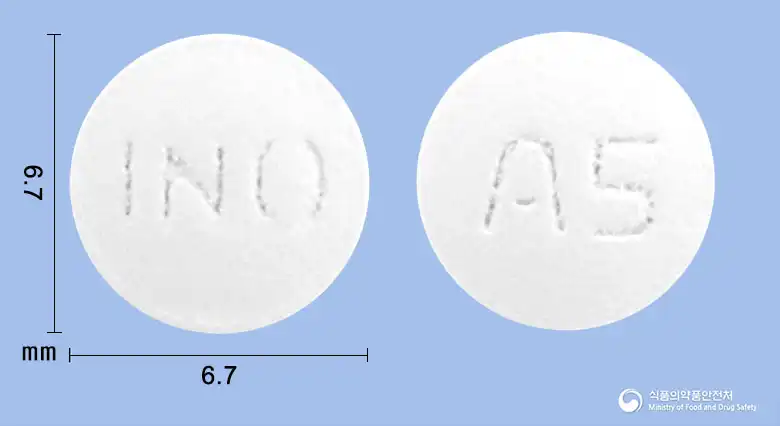
Arotinolol Hydrochloride 5mg
Tablet · Prescription medication
HK Inno.N Co., Ltd.
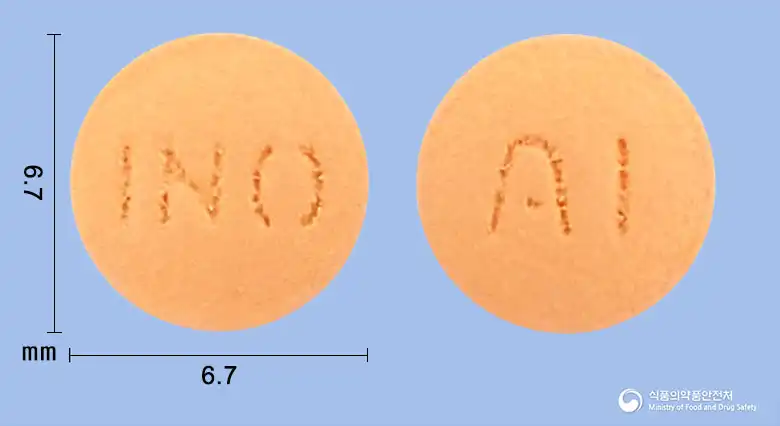
Arotinolol Hydrochloride 10mg
Tablet · Prescription medication
HK Inno.N Co., Ltd.
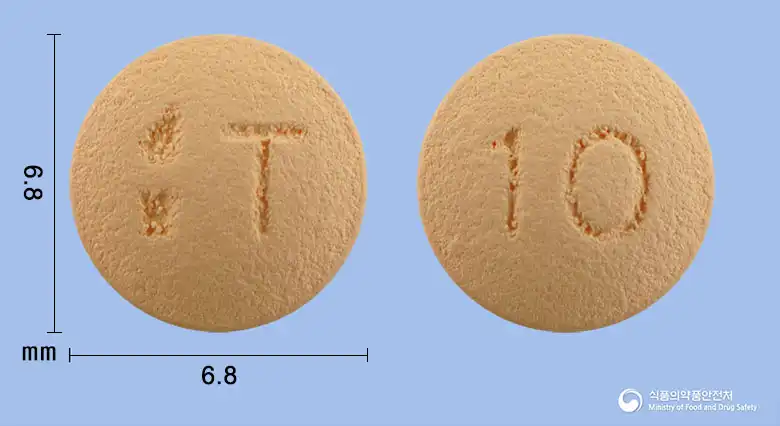
Arotinolol Hydrochloride 10mg
Tablet · Prescription medication
Samil Pharmaceutical Co., Ltd.
Even with the same ingredient, the dose and directions can differ by strength and dosage form. Talk to a doctor or pharmacist before switching from a medication you are already taking.
No questions yet.
For anything that needs medical judgment, consult a doctor or pharmacist.
This drug information is based on data provided by the Korea Ministry of Food and Drug Safety.
Consult a doctor or pharmacist for accurate dosage, administration, and usage instructions.