
 한국어
 English
 日本語
 中文(简体)
Dosage form image
Viewing nowMeganaft Tablets 75 mg (Naftopidil)
Naftopidil 75mg
Tablet · Prescription medication
LNC Bio Co., Ltd.
MFDS item code 201907937 · Approved 2019.11.14
This product's status changed to Approval withdrawn on 2024.04.22. It may no longer be sold, so consult a doctor or pharmacist before taking it.
Improvement of voiding difficulties caused by benign prostatic hyperplasia
This medicine is used to improve urination disorders caused by benign prostatic hyperplasia.
For adults, initiate treatment with 25mg of naftopidil once daily. If the effect is insufficient, gradually increase the dose to 50~75mg at intervals of 1~2 weeks and administer orally once daily after meals. Adjust the dose as appropriate according to symptoms, but the maximum daily dose is 75mg.
This medicine should not be used by patients who have had allergic reactions to its ingredients. Also, because it contains lactose, it should not be administered to patients with genetic diseases that prevent lactose breakdown. Patients with liver function impairment should use caution as the drug may remain in the body longer and reach higher concentrations. In patients with severe heart or cerebrovascular problems, there is insufficient experience in use, so it should be administered with caution. Elderly patients are likely to have decreased liver function, which can slow drug excretion, so caution is necessary. Patients taking other antihypertensive medications or PDE5 inhibitors should be cautious as drug interactions may cause blood pressure to drop too low. Patients with orthostatic hypotension should also be careful as this medication may increase the risk of significant blood pressure drops. Taking this medicine may cause side effects such as dizziness, lightheadedness, hypotension, and gastrointestinal discomfort, and serious adverse reactions such as liver function abnormalities or loss of consciousness may occur, so if any abnormal symptoms appear, consult a doctor immediately. In cases of overdose, blood pressure may drop too low, so it is essential to adhere to the prescribed dosage. At the beginning of treatment, dizziness due to orthostatic hypotension may occur, so caution is needed when working at heights or driving. When taking antihypertensive medication, be mindful of blood pressure changes, and adjust the dosage if necessary. This medicine is a treatment that alleviates symptoms, so if symptoms do not improve, other treatment options should be considered. Keep out of reach of children, and when taking medication, be sure to remove the packaging completely before use. Swallowing the packaging intact can cause injury to the esophagus. Elderly individuals may be more susceptible to drug side effects due to decreased liver function, so they should be closely monitored and used with caution.
Not everyone experiences these, and they can vary from person to person.
This medicine should be stored in a tightly closed container protected from light, and it is safe to keep it at room temperature between 1 to 30 degrees Celsius. This will help maintain the efficacy of the drug and prevent deterioration.
Yellowish-white to light yellow round tablets
30 tablets/bottle, 300 tablets/bottle
Even with the same ingredient, strength, dosage form and how it is taken can differ.
Naftopidil 75mg
Tablet · Prescription medication
LNC Bio Co., Ltd.
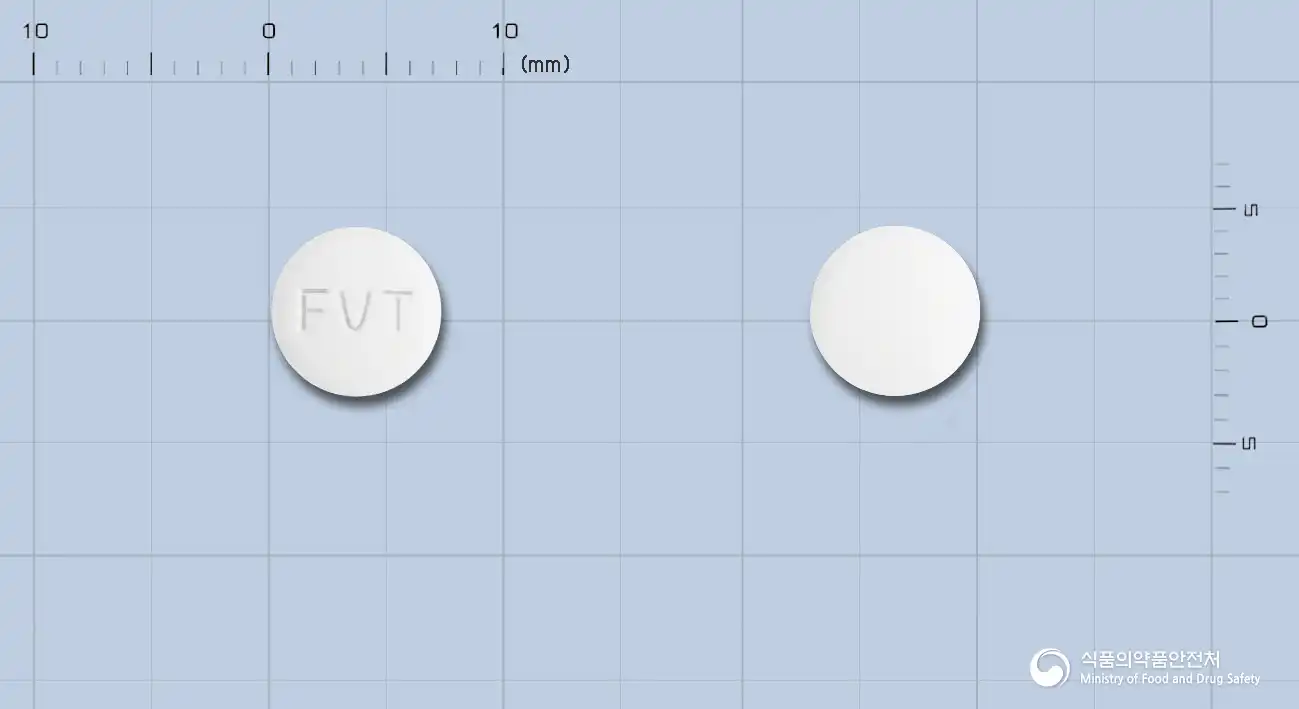
Naftopidil 25mg
Tablet · Prescription medication
Dong-A ST Co., Ltd.
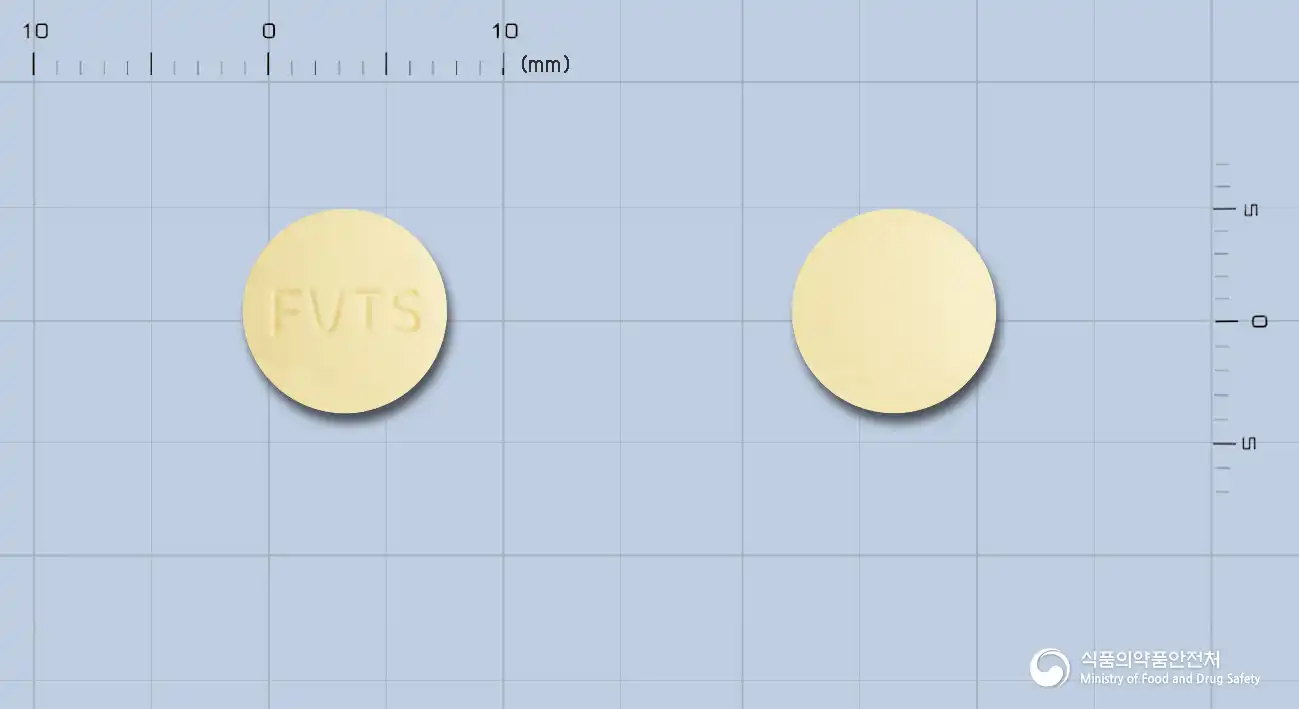
Naftopidil 75mg
Tablet · Prescription medication
Dong-A ST Co., Ltd.
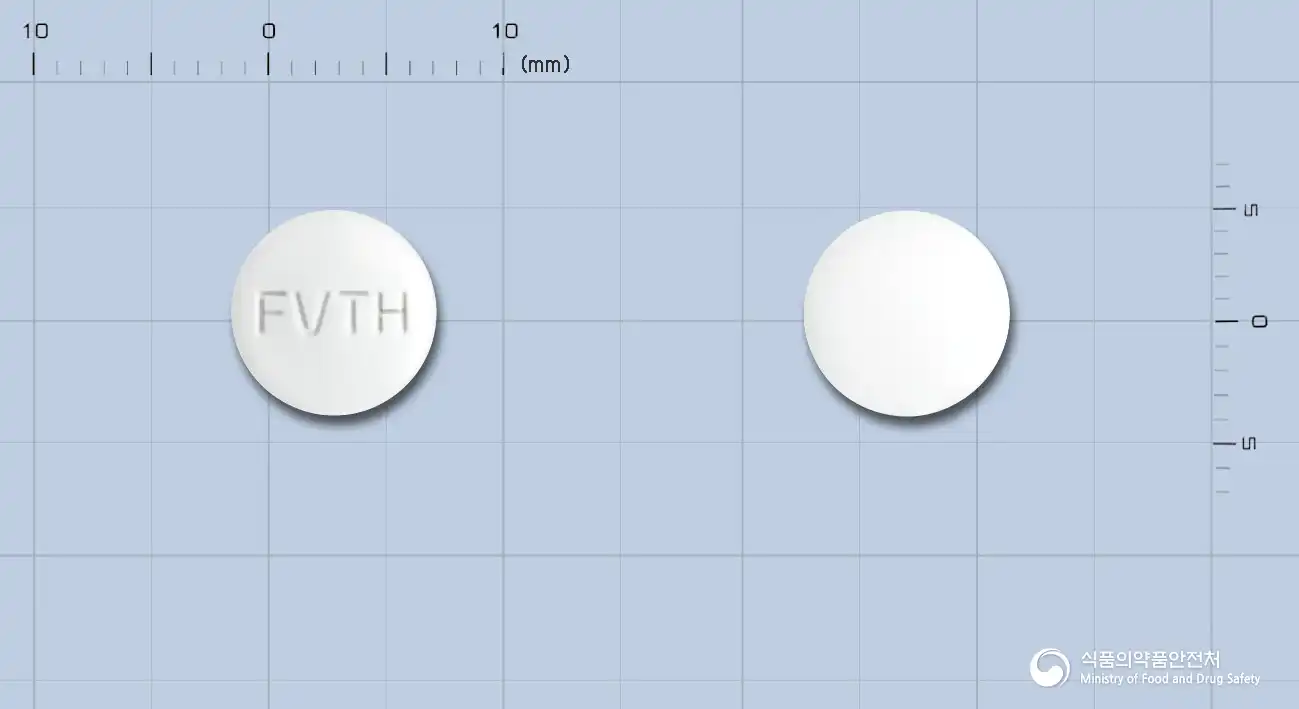
Naftopidil 50mg
Tablet · Prescription medication
Dong-A ST Co., Ltd.
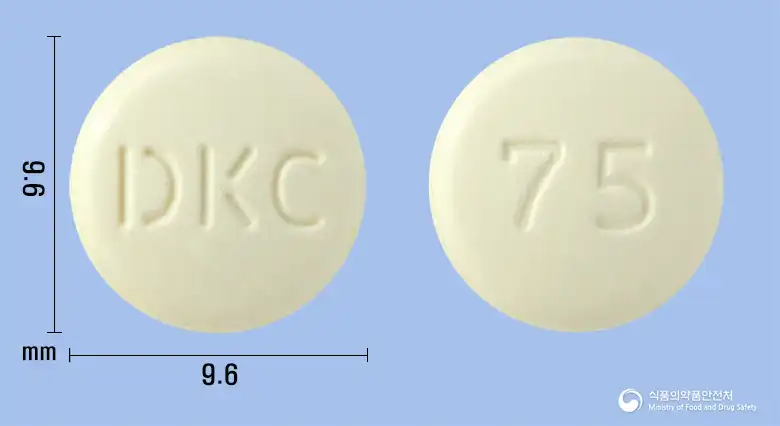
Naftopidil 75mg
Tablet · Prescription medication
Dongku Bio Pharmaceutical Co., Ltd.
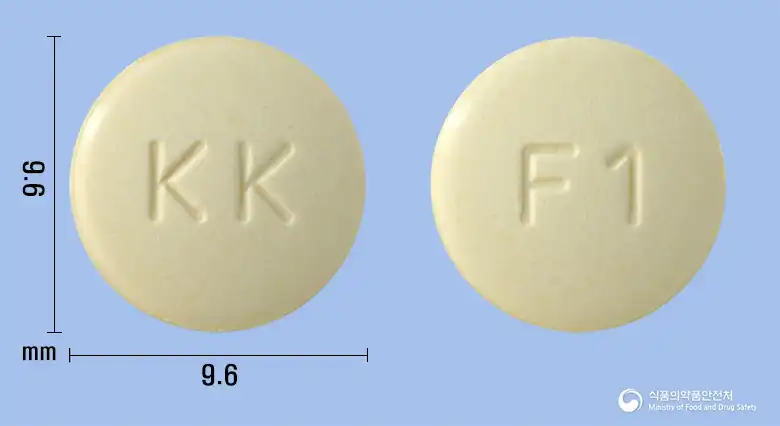
Naftopidil 75mg
Tablet · Prescription medication
Genewon Science Co., Ltd.
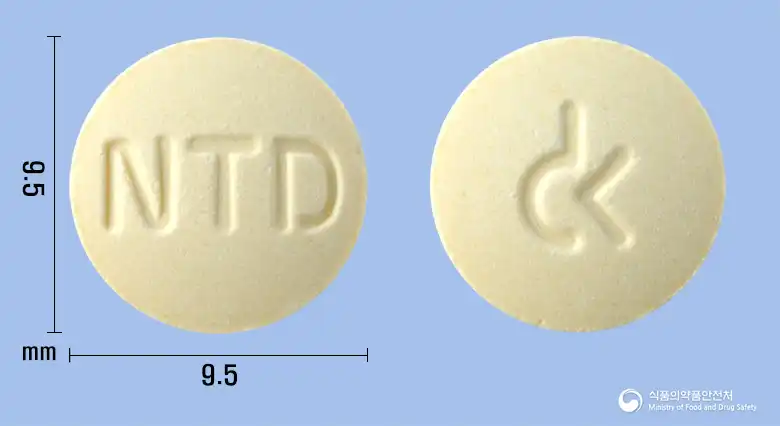
Naftopidil 75mg
Tablet · Prescription medication
Dongkuk Pharmaceutical Co., Ltd.
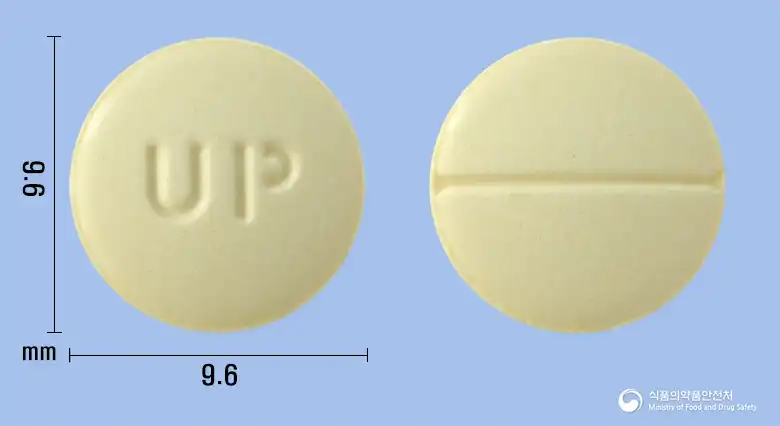
Naftopidil 75mg
Tablet · Prescription medication
Genupharm Co., Ltd.
Even with the same ingredient, the dose and directions can differ by strength and dosage form. Talk to a doctor or pharmacist before switching from a medication you are already taking.
No questions yet.
For anything that needs medical judgment, consult a doctor or pharmacist.
This drug information is based on data provided by the Korea Ministry of Food and Drug Safety.
Consult a doctor or pharmacist for accurate dosage, administration, and usage instructions.