Treatment of hypertension and dyslipidemia; inhibition of atherosclerosis progression; prevention of cardiovascular disease
Who takes it
Adults · Children
Adult dose
Take 1 tablet once daily with water, with or without food. If possible, it is recommended to take it at the same time each day (e.g., in the morning).
This medicine is for adults only. The dose should be individualized for each patient based on the efficacy and tolerability of the fimasartan/amlodipine combination and rosuvastatin.
Patients taking the fimasartan/amlodipine combination and rosuvastatin as separate medicines may switch to this medicine (a combination product containing the same amounts of each active ingredient) for convenience.
Fimasartan/amlodipine combination
Adults
Before administering the fimasartan/amlodipine combination, it is recommended that the dose be adjusted using fimasartan; however, if blood pressure is not controlled as described below, switching directly to this medicine may be considered.
ㆍ 30/5 mg: Administer to patients whose blood pressure is not adequately controlled with fimasartan 30 mg monotherapy.
ㆍ 30/10 mg: Administer to patients whose blood pressure is not adequately controlled with fimasartan 30 mg monotherapy or 30/5 mg.
ㆍ 60/5 mg: Administer to patients whose blood pressure is not adequately controlled with fimasartan 60 mg monotherapy.
ㆍ 60/10 mg: Administer to patients whose blood pressure is not adequately controlled with fimasartan 60 mg monotherapy or 60/5 mg.
Elderly patients
No initial dose adjustment is necessary for elderly patients aged 70 years or younger. For elderly patients aged 75 years or older, start treatment at a low dose and increase the dose gradually because amlodipine clearance is reduced.
Patients with renal impairment
No dose adjustment is necessary in patients with mild or moderate renal impairment (creatinine clearance 30 ~ 80 mL/min); however, in patients with severe renal impairment (creatinine clearance < 30 mL/min), start treatment with this medicine containing fimasartan 30 mg.
Patients with hepatic impairment
No dose adjustment is necessary in patients with mild hepatic impairment; however, this medicine should not be administered to patients with moderate to severe hepatic impairment.
Rosuvastatin
1. Primary hypercholesterolemia (type IIa, including heterozygous familial hypercholesterolemia), mixed dyslipidemia (type IIb), primary dysbetalipoproteinemia (type III), and homozygous familial hypercholesterolemia
Patients should follow a standard cholesterol-lowering diet before and during treatment with rosuvastatin and continue it throughout the treatment period. Rosuvastatin may be taken at any time of day, with or without food. The initial dose is 5 milligrams once daily; the dose may be adjusted to a maintenance dose if a greater reduction in LDL cholesterol is required. The maintenance dose is 10 milligrams once daily, which controls the condition in most patients. The maintenance dose should be appropriately adjusted at intervals of 4 weeks or longer according to LDL cholesterol levels, treatment goals, and patient response, and may be increased to a maximum of 20 milligrams once daily.
2. Elderly patients: No dose adjustment is necessary.
3. Patients with renal impairment: No dose adjustment is necessary in patients with mild or moderate renal impairment. Do not administer to patients with severe renal impairment. Exercise particular caution when administering rosuvastatin 20mg to patients with moderate renal impairment.
4. Patients with hepatic impairment: No increase in systemic exposure to rosuvastatin was observed in patients with a Child-Pugh score of 7 or less, but an increase was observed in patients with a Child-Pugh score of 8 or 9. Renal function tests should be considered in these patients. There is no experience with administration to patients with a Child-Pugh score greater than 9. Do not administer rosuvastatin to patients with active liver disease.
5. Race: Because systemic exposure to this medicine is increased in Asian patients, the recommended initial dose is 5 milligrams. Administration of the 40-milligram dose is contraindicated.
6. Patients predisposed to myopathy: The recommended initial dose for patients predisposed to myopathy is 5 milligrams. Administration of the 40-milligram dose of rosuvastatin is contraindicated in some of these patients.
Child dose
The safety and efficacy of this medicine have not been established in pediatric and adolescent patients aged 18 years or younger.
Treatment of hypertension and dyslipidemia; inhibition of atherosclerosis progression; prevention of cardiovascular disease
Essential hypertension
primary hypercholesterolemia
heterozygous familial hypercholesterolemia
combined dyslipidemia
homozygous familial hypercholesterolemia
hypercholesterolemia
primary dysbetalipoproteinemia
coronary artery disease
stroke
myocardial infarction
View approved original textHide original text
This medication is designed for patients with essential hypertension whose blood pressure is not adequately controlled with Pimasartan and Amlodipine combination therapy, as well as for patients with hypercholesterolemia or dyslipidemia. The Pimasartan/Amlodipine combination effectively controls hypertension, while Rosuvastatin helps improve hypercholesterolemia that is not controlled by dietary measures. Furthermore, Rosuvastatin plays a role in slowing the progression of atherosclerosis, reducing the risk of stroke and myocardial infarction, and protecting cardiovascular health. Thus, this medication is used to manage both blood pressure and cholesterol levels to improve cardiovascular health.
How to take
Adult dose
Take 1 tablet once daily with water, with or without food. If possible, it is recommended to take it at the same time each day (e.g., in the morning).
This medicine is for adults only. The dose should be individualized for each patient based on the efficacy and tolerability of the fimasartan/amlodipine combination and rosuvastatin.
Patients taking the fimasartan/amlodipine combination and rosuvastatin as separate medicines may switch to this medicine (a combination product containing the same amounts of each active ingredient) for convenience.
Fimasartan/amlodipine combination
Adults
Before administering the fimasartan/amlodipine combination, it is recommended that the dose be adjusted using fimasartan; however, if blood pressure is not controlled as described below, switching directly to this medicine may be considered.
ㆍ 30/5 mg: Administer to patients whose blood pressure is not adequately controlled with fimasartan 30 mg monotherapy.
ㆍ 30/10 mg: Administer to patients whose blood pressure is not adequately controlled with fimasartan 30 mg monotherapy or 30/5 mg.
ㆍ 60/5 mg: Administer to patients whose blood pressure is not adequately controlled with fimasartan 60 mg monotherapy.
ㆍ 60/10 mg: Administer to patients whose blood pressure is not adequately controlled with fimasartan 60 mg monotherapy or 60/5 mg.
Elderly patients
No initial dose adjustment is necessary for elderly patients aged 70 years or younger. For elderly patients aged 75 years or older, start treatment at a low dose and increase the dose gradually because amlodipine clearance is reduced.
Patients with renal impairment
No dose adjustment is necessary in patients with mild or moderate renal impairment (creatinine clearance 30 ~ 80 mL/min); however, in patients with severe renal impairment (creatinine clearance < 30 mL/min), start treatment with this medicine containing fimasartan 30 mg.
Patients with hepatic impairment
No dose adjustment is necessary in patients with mild hepatic impairment; however, this medicine should not be administered to patients with moderate to severe hepatic impairment.
Rosuvastatin
1. Primary hypercholesterolemia (type IIa, including heterozygous familial hypercholesterolemia), mixed dyslipidemia (type IIb), primary dysbetalipoproteinemia (type III), and homozygous familial hypercholesterolemia
Patients should follow a standard cholesterol-lowering diet before and during treatment with rosuvastatin and continue it throughout the treatment period. Rosuvastatin may be taken at any time of day, with or without food. The initial dose is 5 milligrams once daily; the dose may be adjusted to a maintenance dose if a greater reduction in LDL cholesterol is required. The maintenance dose is 10 milligrams once daily, which controls the condition in most patients. The maintenance dose should be appropriately adjusted at intervals of 4 weeks or longer according to LDL cholesterol levels, treatment goals, and patient response, and may be increased to a maximum of 20 milligrams once daily.
2. Elderly patients: No dose adjustment is necessary.
3. Patients with renal impairment: No dose adjustment is necessary in patients with mild or moderate renal impairment. Do not administer to patients with severe renal impairment. Exercise particular caution when administering rosuvastatin 20mg to patients with moderate renal impairment.
4. Patients with hepatic impairment: No increase in systemic exposure to rosuvastatin was observed in patients with a Child-Pugh score of 7 or less, but an increase was observed in patients with a Child-Pugh score of 8 or 9. Renal function tests should be considered in these patients. There is no experience with administration to patients with a Child-Pugh score greater than 9. Do not administer rosuvastatin to patients with active liver disease.
5. Race: Because systemic exposure to this medicine is increased in Asian patients, the recommended initial dose is 5 milligrams. Administration of the 40-milligram dose is contraindicated.
6. Patients predisposed to myopathy: The recommended initial dose for patients predisposed to myopathy is 5 milligrams. Administration of the 40-milligram dose of rosuvastatin is contraindicated in some of these patients.
Child dose
The safety and efficacy of this medicine have not been established in pediatric and adolescent patients aged 18 years or younger.
Precautions
This drug can cause serious harm to the fetus and newborn when taken during pregnancy, especially in the second and third trimesters, so it should be stopped immediately if pregnancy is confirmed.
People allergic to this drug's ingredients or similar substances should not take it.
Women who are pregnant or breastfeeding, or women who are capable of becoming pregnant and are not using appropriate contraceptive measures, should also avoid this medication.
This drug should not be used by patients with moderate to severe liver impairment, active liver disease, or bile duct obstruction.
Patients with muscle disorders or severe renal impairment, or those undergoing kidney dialysis, should also avoid taking this drug.
This medication is not recommended for certain diabetic patients, those with significantly reduced renal function, and patients taking certain other medications.
Patients with low blood volume or low salt may experience hypotension and should be monitored closely while taking this medication.
Patients with weak renal function or renal vascular hypertension, severe hypotension, or elderly individuals should use this medication cautiously.
The Rosuvastatin component included in this drug can cause liver function abnormalities or muscle pain, myopathy, and rarely, serious muscle breakdown. Therefore, liver function and muscle condition should be regularly monitored before and during treatment.
This medication contains specific dyes, so patients allergic to these dyes should exercise caution.
If dizziness, muscle pain, rash, edema, or other abnormal symptoms occur while taking this drug, medical personnel should be notified immediately.
This drug may interact with other medications, so if you are taking other drugs, be sure to inform your healthcare provider.
It is safest to avoid this medication during pregnancy or breastfeeding, and women planning for pregnancy should use appropriate contraception.
The safety and efficacy of this drug have not been established in children and adolescents under the age of 18.
In the case of overdose, appropriate treatment is needed based on symptoms, particularly as hypotension or heart-related symptoms may occur, so one should visit a medical institution immediately.
Caution is needed when driving or operating hazardous machinery as dizziness may occur during the course of taking this medication.
When storing, keep it out of reach of children and avoid transferring it to other containers.
Not everyone experiences these, and they can vary from person to person.
Storage
This medication should be stored in a tightly closed container to prevent exposure to air or moisture, and the temperature should be kept between 1 and 30 degrees Celsius at room temperature for safe storage.
Storing it this way will help maintain the drug's efficacy.
Appearance and packaging
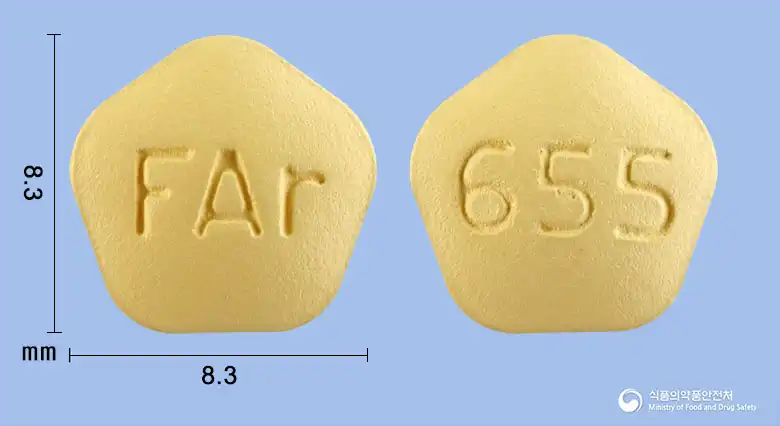
Appearance
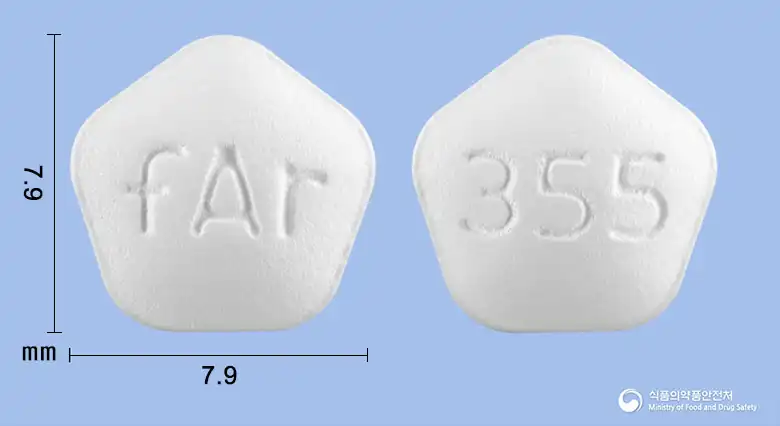
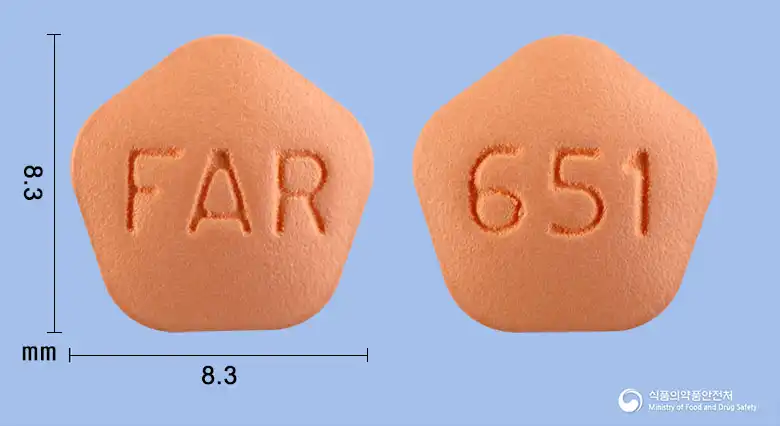
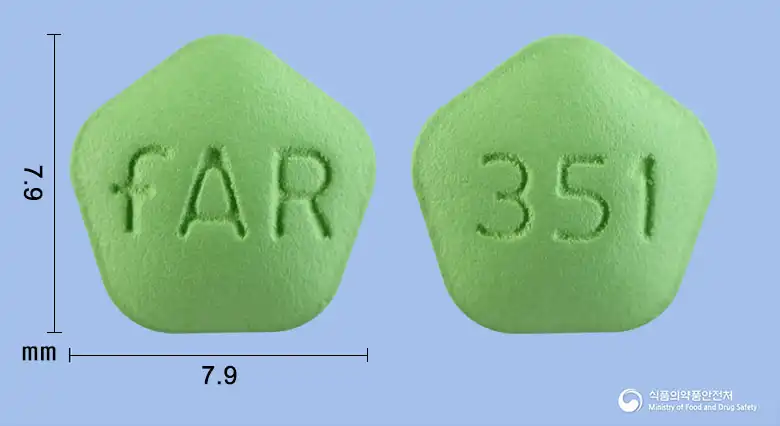
Yellow pentagonal film-coated tablet
Package unit
30 tablets/box [10 tablets/PTP * 3]
Same-ingredient medicines
Even with the same ingredient, strength, dosage form and how it is taken can differ.
Even with the same ingredient, the dose and directions can differ by strength and dosage form. Talk to a doctor or pharmacist before switching from a medication you are already taking.
Questions about this medicine
No questions yet.
For anything that needs medical judgment, consult a doctor or pharmacist.
This drug information is based on data provided by the Korea Ministry of Food and Drug Safety. Consult a doctor or pharmacist for accurate dosage, administration, and usage instructions.

 한국어
 English
 日本語
 中文(简体)
 Viewing nowCombination