
 한국어
 English
 日本語
 中文(简体)
 Viewing nowCombination
Atorovbaan Tablets 5/20 mg
Atorvastatin Calcium 20.72mg · Amlodipine Besylate 6.94mg
Tablet · Prescription medication · Combination
Gunil Biopharm Co., Ltd.
MFDS item code 201907847 · Approved 2019.11.11 · Insurance code 073001010
Improvement of dyslipidemia; treatment of hypertension and angina; prevention of cardiovascular disease
This medication is used for patients who need to take both amlodipine and atorvastatin together. Amlodipine is effective for cardiovascular diseases such as hypertension and angina, particularly alleviating stable angina and myocardial ischemia due to vasospasm. It also reduces the risk of hospitalization due to angina in coronary artery disease patients and the associated risks of vascular procedures. Atorvastatin reduces the risk of myocardial infarction and stroke in patients at high risk for coronary artery disease or with type 2 diabetes, and it helps manage dyslipidemia by controlling blood cholesterol and triglyceride levels. The synergistic effect of taking these two medications together contributes to the prevention and treatment of cardiovascular diseases. Therefore, this medication is excellently used in managing cardiovascular diseases.
This medicine is for adults only. The dose should be individualized for each patient based on the efficacy and tolerability of each component, amlodipine and atorvastatin. ♦ Amlodipine (S-amlodipine) Adults: Administer 5(2.5) mg of amlodipine (S-amlodipine) orally once daily. The dose may be increased to a maximum of 10(5) mg once daily according to the patient's response. Adjust the dose appropriately according to symptoms. ♦ Atorvastatin Patients should follow a standard cholesterol-lowering diet before and during treatment with atorvastatin. This medicine may be taken at any time of day, with or without food. 1. Patients with primary hypercholesterolemia (heterozygous familial and nonfamilial) and mixed dyslipidemia (Fredrickson Type Ⅱa and Ⅱb) The recommended initial dose of this medicine is 10 mg once daily. For patients requiring a greater reduction in LDL cholesterol, treatment may be initiated at 20 mg or 40 mg once daily (40 mg is only for patients requiring a reduction in LDL cholesterol of 45 % or more). This medicine is administered at a dose of 10 mg ∼ 80 mg once daily and may be taken at any time of day, with or without food. The initial and maintenance doses should be individualized according to the patient's characteristics, taking into account treatment goals and response. Lipid levels should be analyzed within 2 ∼ 4 weeks after starting treatment and/or adjusting the dose, and the dose should be adjusted accordingly. 2. Patients with homozygous familial hypercholesterolemia The dose of this medicine is 10 mg ∼ 80 mg once daily. It should be administered in combination with other lipid-lowering treatments (e.g., LDL apheresis), or when such treatments are not available. 3. Patients with renal impairment Renal disease does not affect plasma concentrations of atorvastatin or its LDL-cholesterol-lowering effect; therefore, no dose adjustment is necessary. 4. Older adults Efficacy and safety in older adults aged 70 years or older are generally similar to those in the usual adult patient population.
This medication should not be used in certain patients. For example, it should not be administered to patients who are allergic to this medication or similar classes of drugs, those with severely impaired liver function, pregnant or nursing women, patients with severe aortic stenosis, or patients within one month after a myocardial infarction. Additionally, special caution should be exercised when administering this medication to patients with severely impaired kidney function, elderly patients, alcoholics, or those with a history of liver disease. This medication is primarily used to lower blood pressure and improve lipid levels, and it is generally well tolerated, but side effects such as flushing, fatigue, edema, dizziness, headache, and gastrointestinal disturbances may occur. Particularly, if symptoms of muscle pain or weakness occur, healthcare professionals should be notified immediately, and regular tests are needed if symptoms of liver dysfunction occur. This medication may interact with other drugs, so any other medications being taken must be communicated to healthcare professionals. Taking it with grapefruit juice may increase blood levels, requiring caution. Women of childbearing potential should use appropriate contraception while taking this medication, and it should be discontinued immediately if pregnancy is confirmed. Breastfeeding women are also advised not to take this medication. The safety and efficacy of this medication in children and the elderly have not been fully established, so it should be used with caution in these age groups. In case of overdose, severe hypotension, shock, and heart problems may occur, so strict adherence to the prescribed dosage is essential, and healthcare professionals should be consulted immediately if any unusual symptoms arise. Lastly, this medication should be kept out of reach of children, and transferring it to other containers should be avoided.
Not everyone experiences these, and they can vary from person to person.
This medication may be sensitive to air and moisture, so it should be stored in a tightly sealed container. It is recommended to maintain a storage temperature between 15 to 30 degrees Celsius to preserve its efficacy for a longer period.
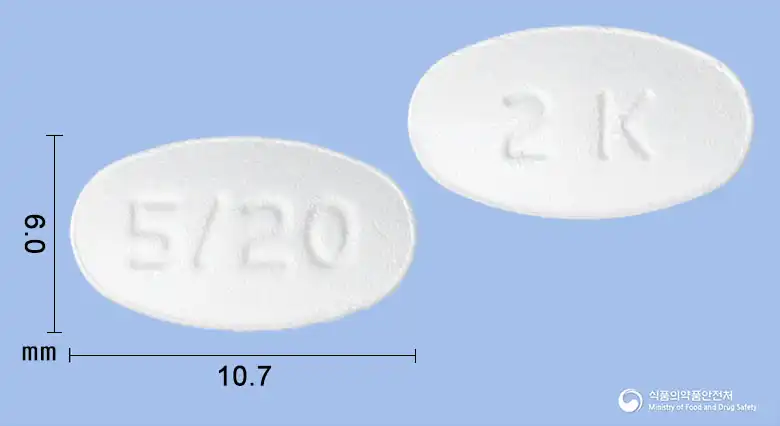
White oval film-coated tablets
30 tablets/bottle
Even with the same ingredient, strength, dosage form and how it is taken can differ.
Viewing nowCombinationAtorvastatin Calcium 20.72mg · Amlodipine Besylate 6.94mg
Tablet · Prescription medication · Combination
Gunil Biopharm Co., Ltd.
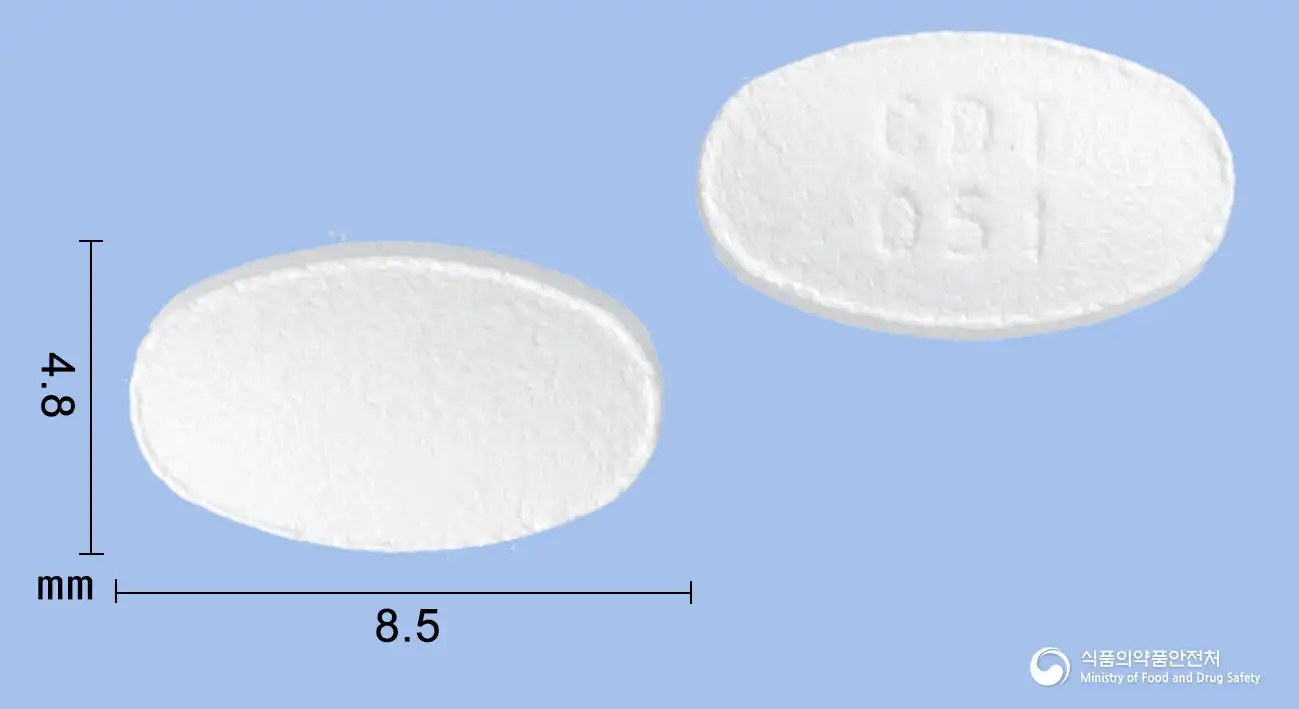 Combination
Atorvastatin Calcium Trihydrate 10.85mg · Amlodipine Besylate 6.94mg
Tablet · Prescription medication · Combination
Viatriss Korea Co., Ltd.
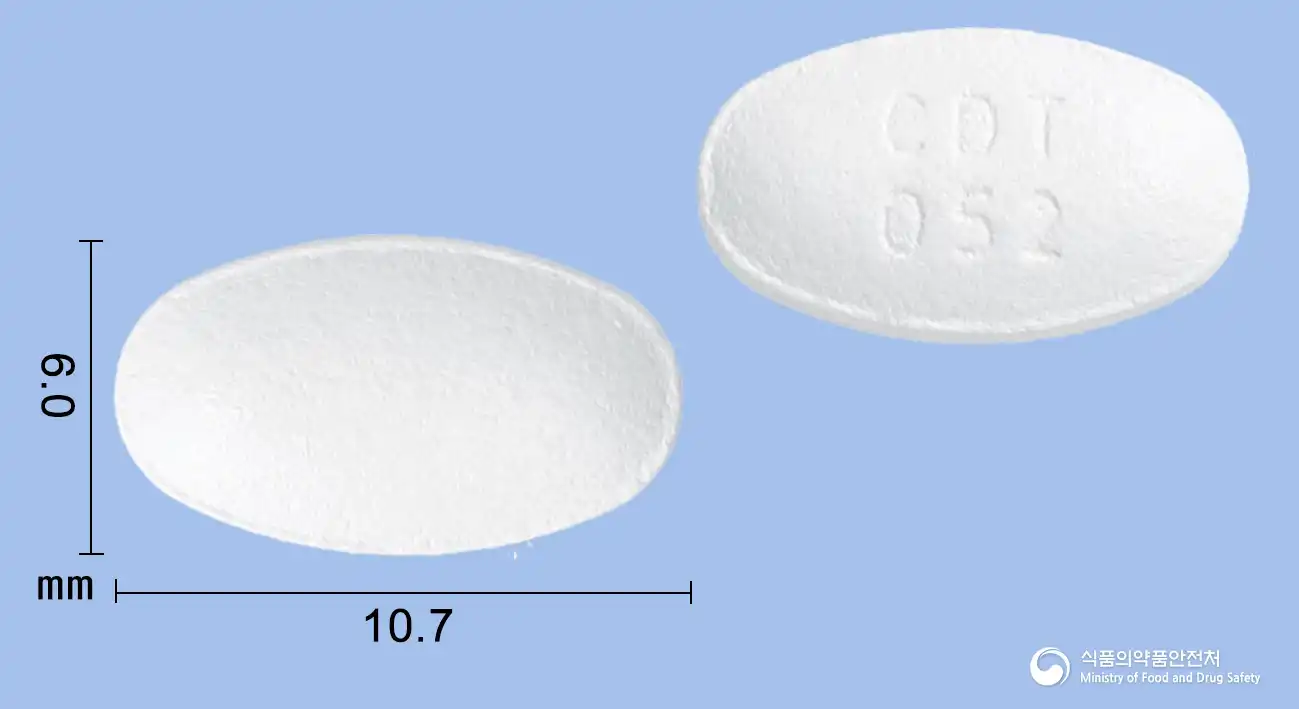 Combination
Atorvastatin Calcium Trihydrate 21.7mg · Amlodipine Besylate 6.94mg
Tablet · Prescription medication · Combination
Viatrise Korea Co., Ltd.
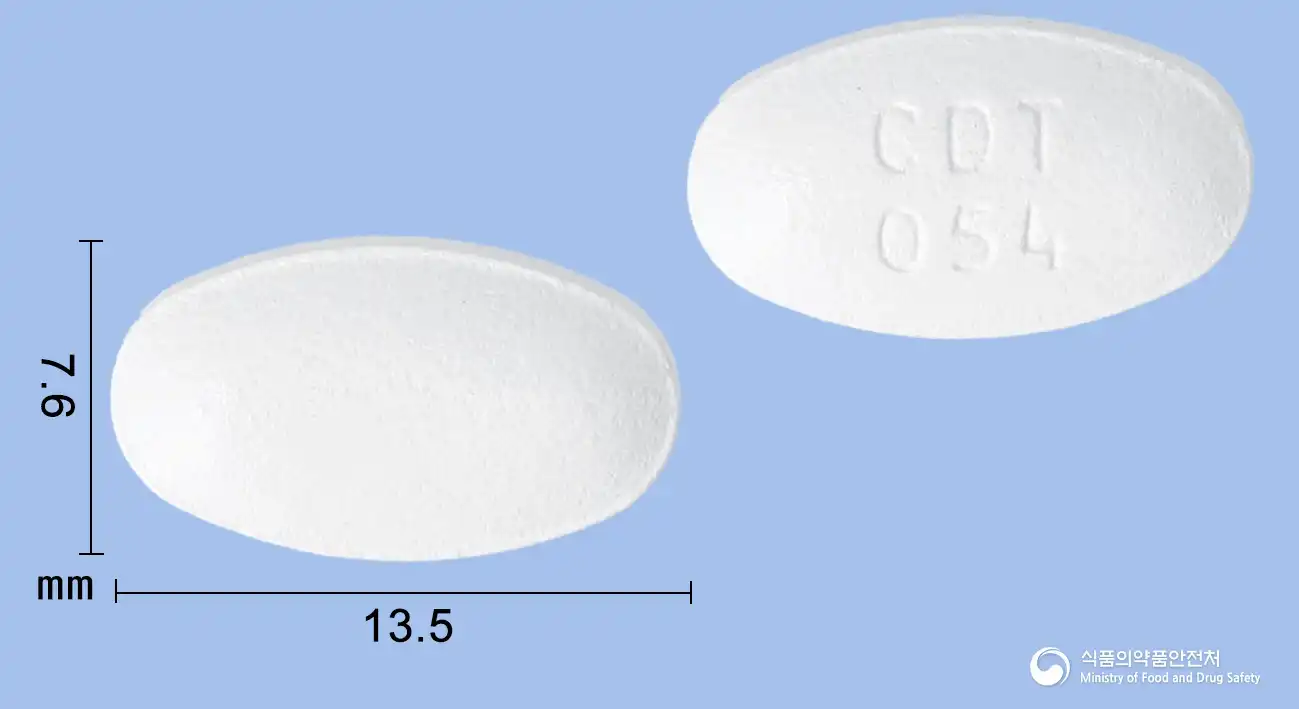 Combination
Atorvastatin Calcium Trihydrate 43.4mg · Amlodipine Besylate 6.94mg
Tablet · Prescription medication · Combination
Viatris Korea Co., Ltd.
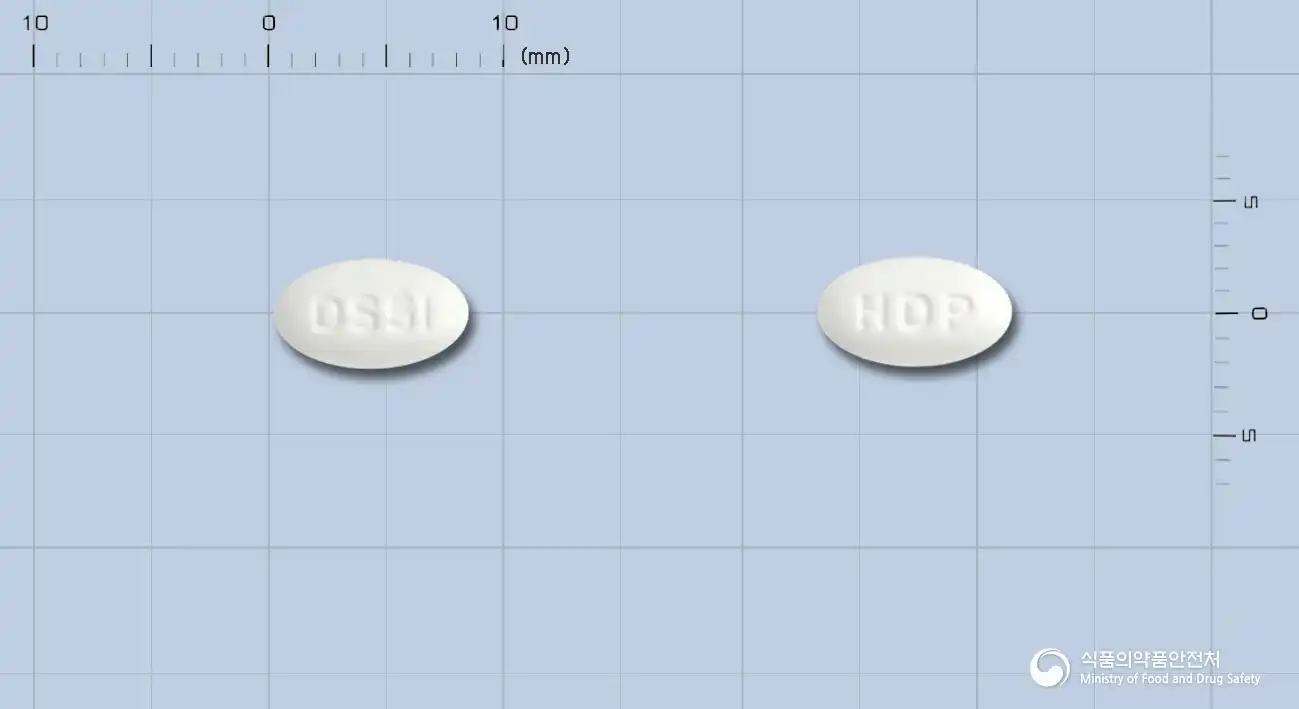 Combination
Atorvastatin Calcium Hydrate 10.85mg · Amlodipine Besylate 6.94mg
Tablet · Prescription medication · Combination
Hyundai Pharmaceutical Co., Ltd.
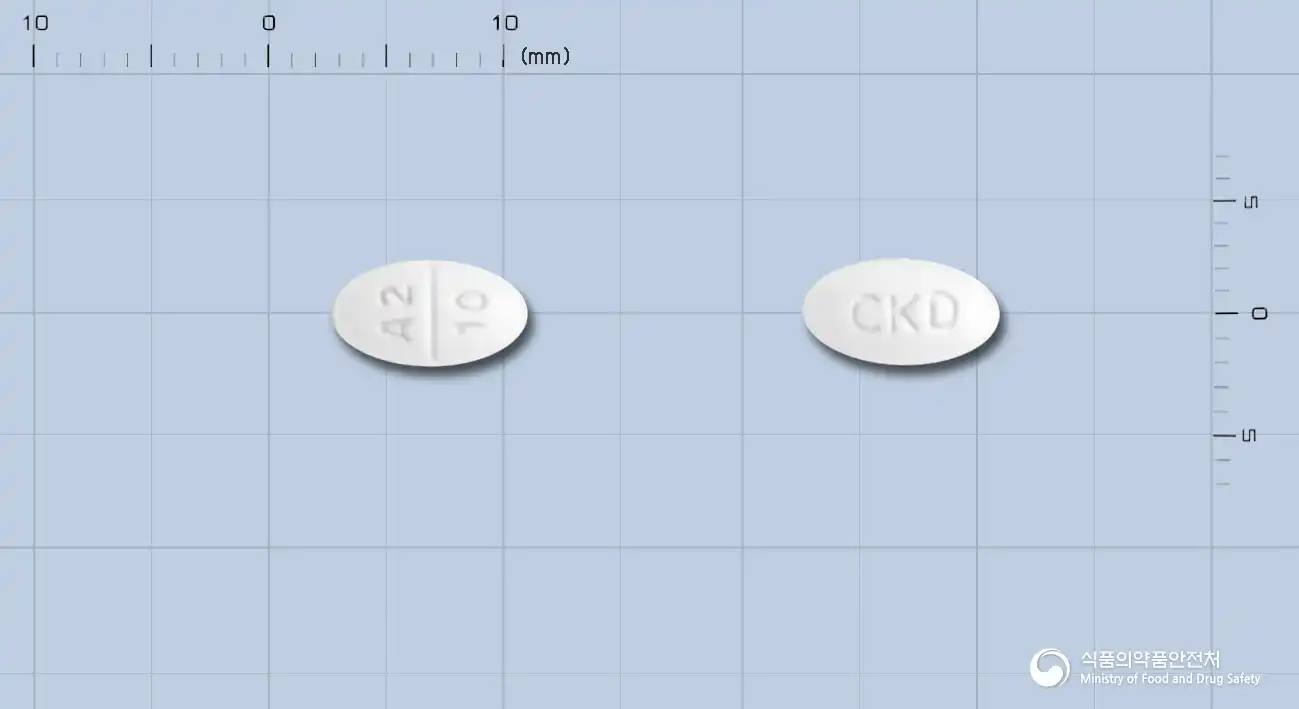 Combination
Amlodipine Besylate 6.94mg · Atorvastatin Calcium Trihydrate 10.36mg
Tablet · Prescription medication · Combination
Jongkundang Co., Ltd.
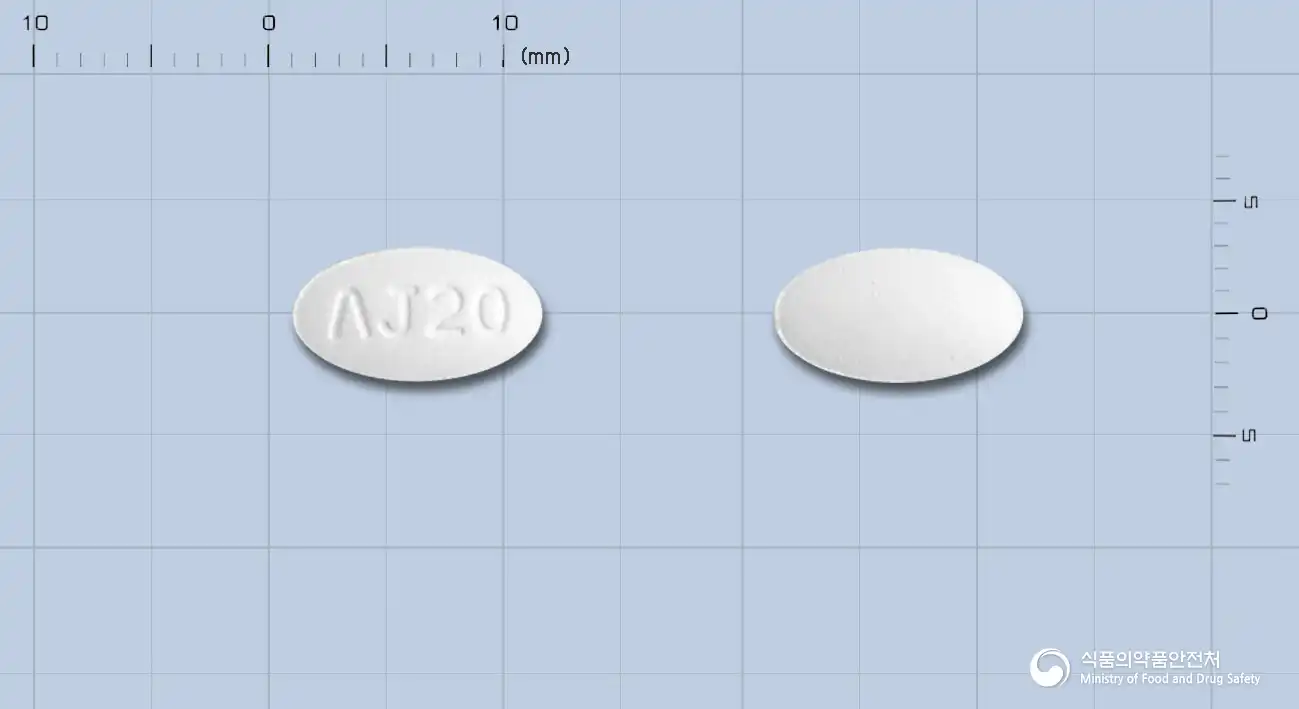 Combination
Atorvastatin Calcium 20.72mg · Amlodipine Besylate 6.94mg
Tablet · Prescription medication · Combination
Aju Pharmaceuticals Co., Ltd.
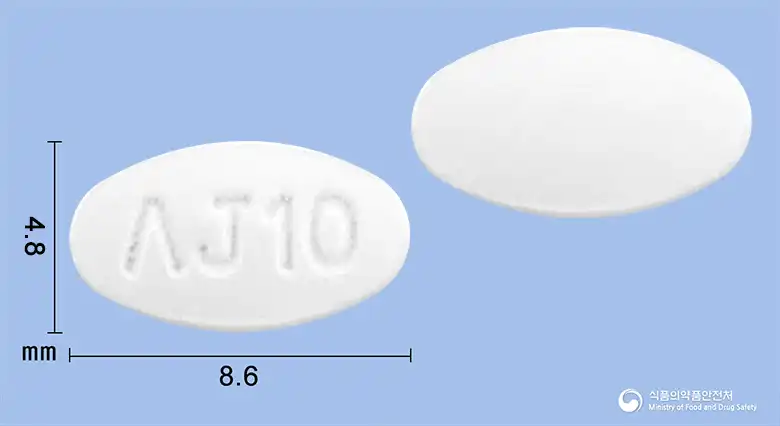 Combination
Atorvastatin Calcium 10.36mg · Amlodipine Besylate 6.94mg
Tablet · Prescription medication · Combination
Aju Pharmaceuticals Co., Ltd.
Even with the same ingredient, the dose and directions can differ by strength and dosage form. Talk to a doctor or pharmacist before switching from a medication you are already taking.
No questions yet.
For anything that needs medical judgment, consult a doctor or pharmacist.
This drug information is based on data provided by the Korea Ministry of Food and Drug Safety.
Consult a doctor or pharmacist for accurate dosage, administration, and usage instructions.