
 한국어
한국어 English
 日本語
日本語 中文(简体)
 Viewing nowCombination
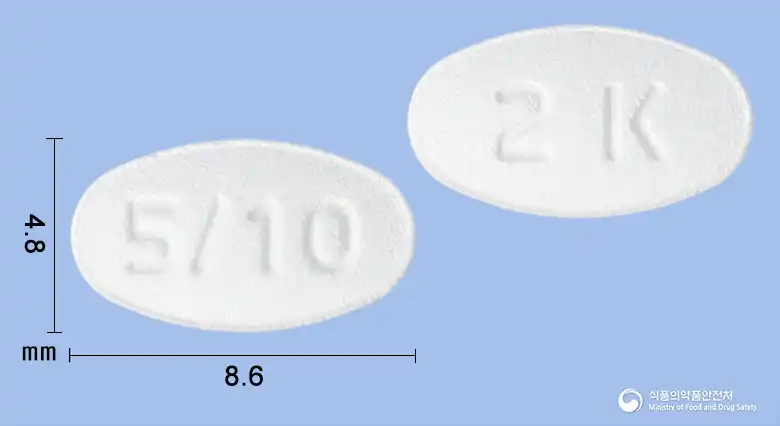
Atonova Tablet 5/10 mg
Atorvastatin Calcium 10.36mg · Amlodipine Besylate 6.94mg
Tablet · Prescription medication · Combination
Geonil Biopharm Co., Ltd.
MFDS item code 201907846 · Approved 2019.11.11 · Insurance code 073001000
Improvement of myocardial ischemia in hypertension and stable/variant angina, reduction of hospitalization risk for angina
Amlodipine (S-Amlodipine) is used for the treatment of hypertension and stable angina due to coronary occlusion, as well as variant angina caused by vasospasm. It also helps reduce the risk of hospitalization due to angina in patients without heart failure or with a cardiac output of more than 40%, and helps decrease the risk that can occur during coronary artery revascularization. Atorvastatin is effective in reducing the risks of myocardial infarction, stroke, vascular revascularization, and angina in adults at risk for cardiovascular diseases, as well as in patients with type 2 diabetes. It also reduces the incidence of non-fatal myocardial infarction and stroke in patients with clinical evidence of coronary artery disease and decreases the risk of hospitalization due to heart failure. This medication plays an adjunctive role in controlling cholesterol and lipid levels in patients with primary hypercholesterolemia and mixed dyslipidemia, and is also used in the treatment of various forms of dyslipoproteinemia. The two drugs play an essential role in the management and prevention of cardiovascular diseases, effectively improving patients' conditions.
For Amlodipine (S-Amlodipine), take 5 (2.5) mg orally once daily, which may be increased to a maximum of 10 (5) mg daily based on the patient's response. Adjust according to symptoms. Atorvastatin is generally started at 10 mg once daily, but can begin at 20 mg or 40 mg if required. The administered dosage can be adjusted within a range of 10 mg to 80 mg once daily.
This medication should not be used in certain patients. For example, individuals who have had an allergic reaction or hypersensitivity to this drug or similar medications should avoid taking it. Moreover, patients with severely impaired liver function, active liver disease, or those with unexplained very high liver enzyme levels should not use this medication. Pregnant women or those who may become pregnant, as well as nursing mothers, should not take this drug. Patients with muscular diseases, severe aortic stenosis, in shock, within one month post-myocardial infarction, and those with unstable angina should also avoid this medication. In particular, patients taking certain antiviral drugs should also steer clear of this medication. Caution should be exercised when using this medication in patients with very poor kidney function, the elderly, alcoholics or those with a history of liver disease, and in patients with a risk of muscle disorders. It should also be administered cautiously to patients with acute heart failure or hypertension crises, and those with slightly impaired liver function. Patients with myasthenia gravis should also exercise caution when taking this medication. Generally, this medication is well tolerated, but rare side effects such as hypotension, dizziness, headaches, fatigue, edema, dyspepsia, myalgia, skin rashes, and liver function abnormalities may occur. If there is pain, weakness, or cramps in the muscles, the patient should inform their doctor immediately. This drug may interact with other medications, particularly some antibiotics, antifungals, immunosuppressants, certain antivirals, grapefruit juice, etc., so caution is required when taken in combination. These interactions could alter the blood concentration of this medication, increasing the risk of side effects. Pregnant women or those who may become pregnant should not take this drug, and if pregnancy occurs while taking it, they should discontinue immediately. Nursing mothers should also avoid this medication and stop breastfeeding. Safety and efficacy in children and the elderly have not been fully established, so it should be used cautiously in these age groups. In case of overdose, serious symptoms like hypotension, increased heart rate, and shock may occur, requiring immediate medical assistance, and blood dialysis may not be effective. This medication should be kept out of the reach of children and should not be transferred to other containers.
Hives, severe swelling (edema), toxic epidermal necrolysis, angioedema, severe allergic reactions, rash with high fever, blisters, skin peeling, pain in the mouth/eyes mucosa, severe skin adverse reactions, shortness of breath or difficulty breathing, asthma attacks, respiratory issues accompanied by cough and fever, jaundice (yellowing of skin or eyes), extreme lethargy, liver issues (jaundice), sudden and severe headaches,
Not everyone experiences these, and they can vary from person to person.
This medication may be sensitive to air or moisture, so it should be stored in a sealed container. The storage temperature should ideally be kept at room temperature between 1°C and 30°C. Proper storage will help maintain the drug's efficacy and safety over a longer period.
White oval film-coated tablets
30 tablets/bottle
Even with the same ingredient, strength, dosage form and how it is taken can differ.
Viewing nowCombinationAtorvastatin Calcium 10.36mg · Amlodipine Besylate 6.94mg
Tablet · Prescription medication · Combination
Geonil Biopharm Co., Ltd.
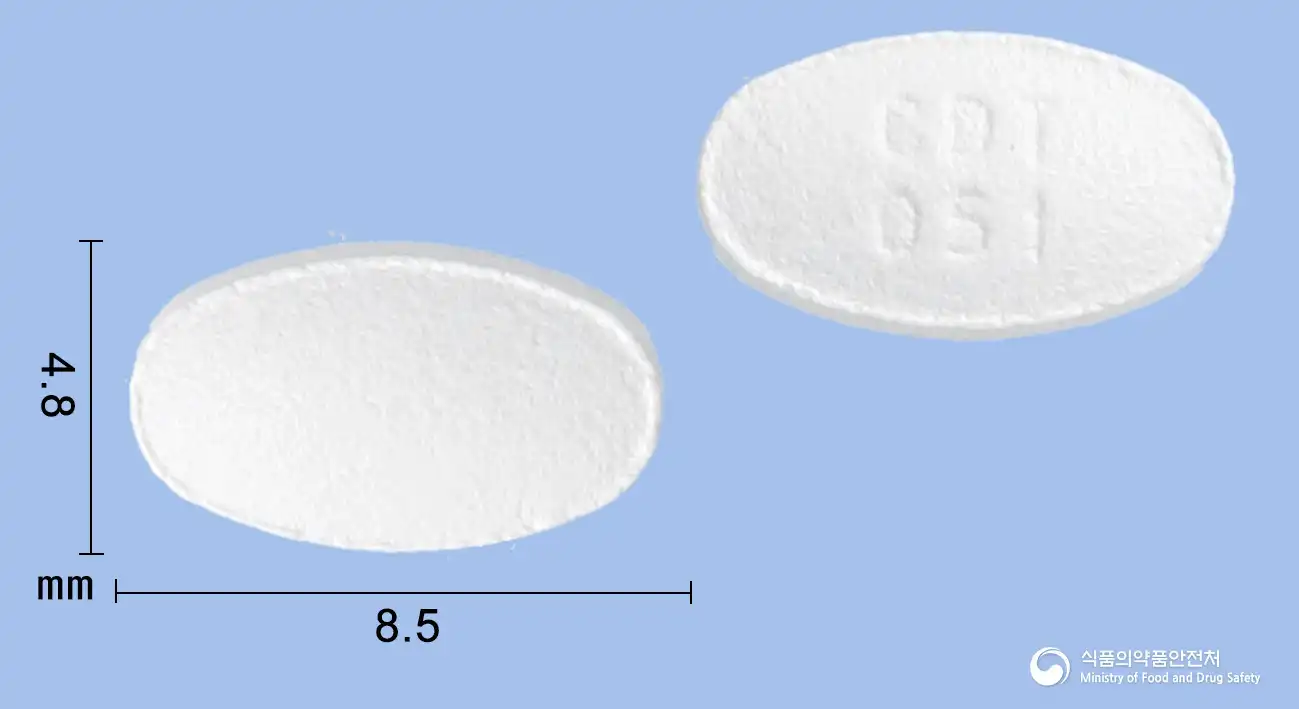 Combination
Atorvastatin Calcium Trihydrate 10.85mg · Amlodipine Besylate 6.94mg
Tablet · Prescription medication · Combination
Viatriss Korea Co., Ltd.
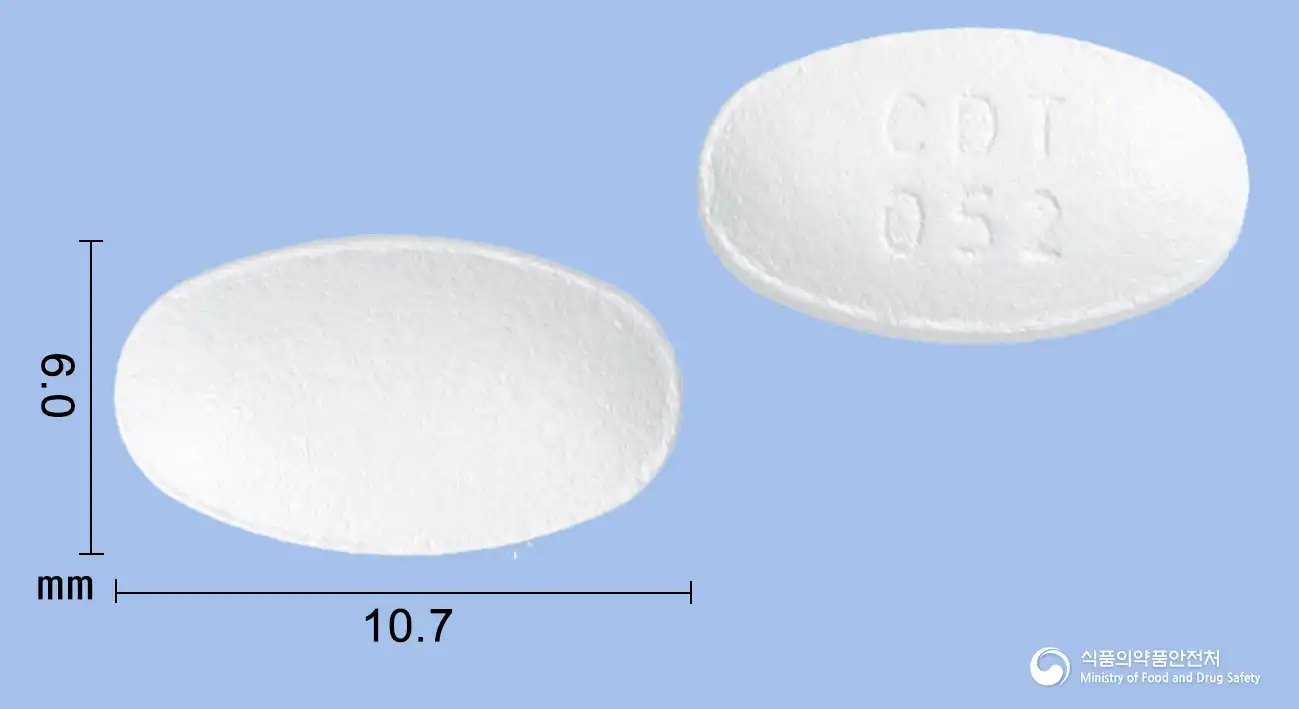 Combination
Atorvastatin Calcium Trihydrate 21.7mg · Amlodipine Besylate 6.94mg
Tablet · Prescription medication · Combination
Viatrise Korea Co., Ltd.
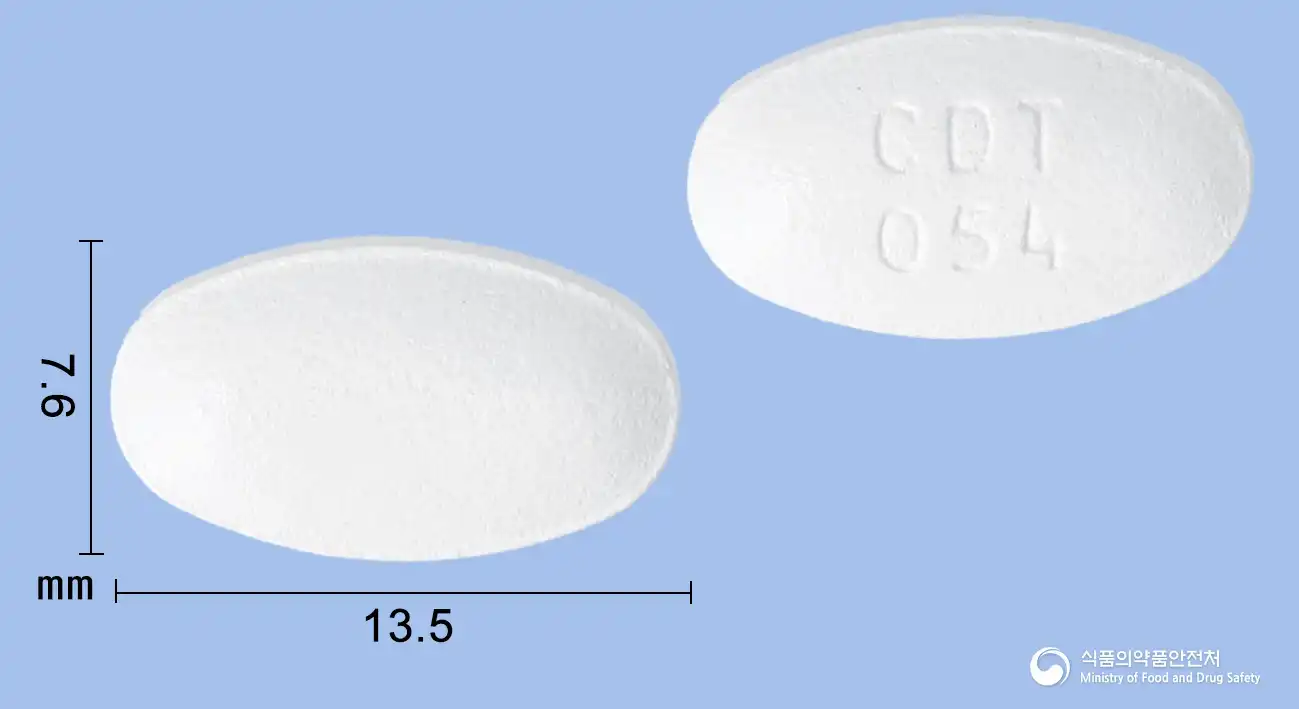 Combination
Atorvastatin Calcium Trihydrate 43.4mg · Amlodipine Besylate 6.94mg
Tablet · Prescription medication · Combination
Viatris Korea Co., Ltd.
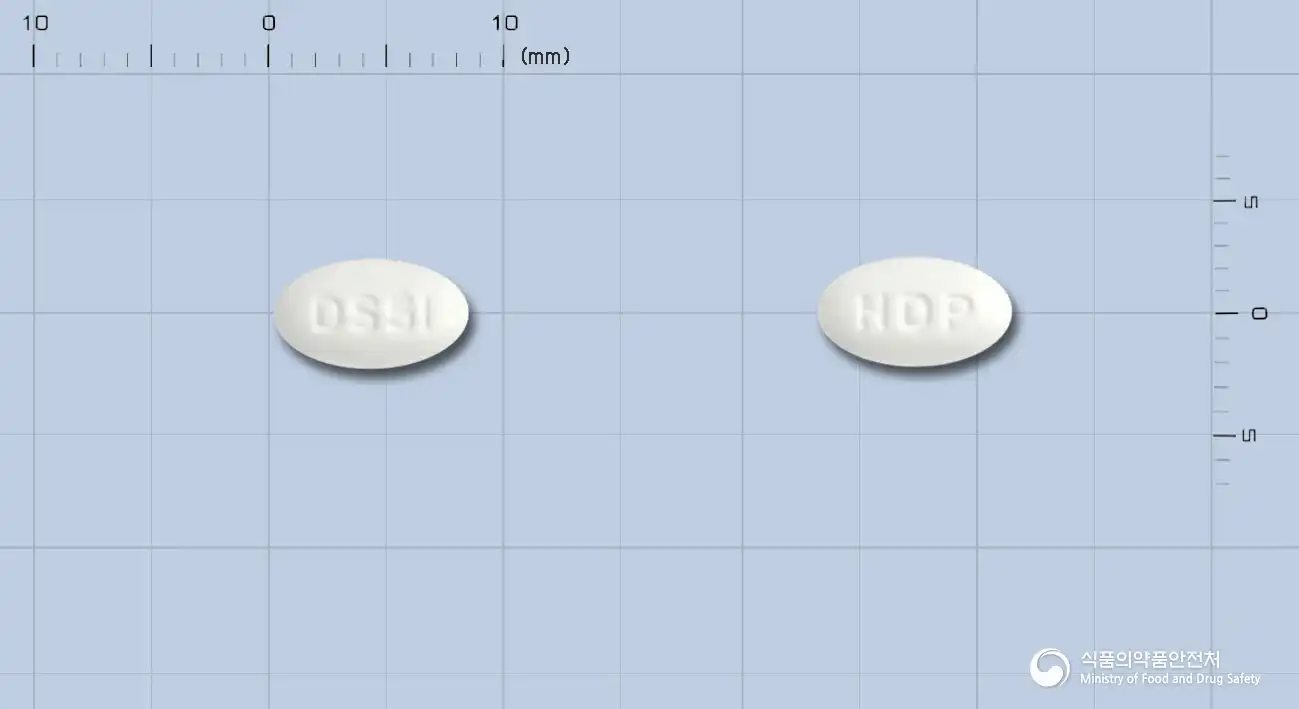 Combination
Atorvastatin Calcium Hydrate 10.85mg · Amlodipine Besylate 6.94mg
Tablet · Prescription medication · Combination
Hyundai Pharmaceutical Co., Ltd.
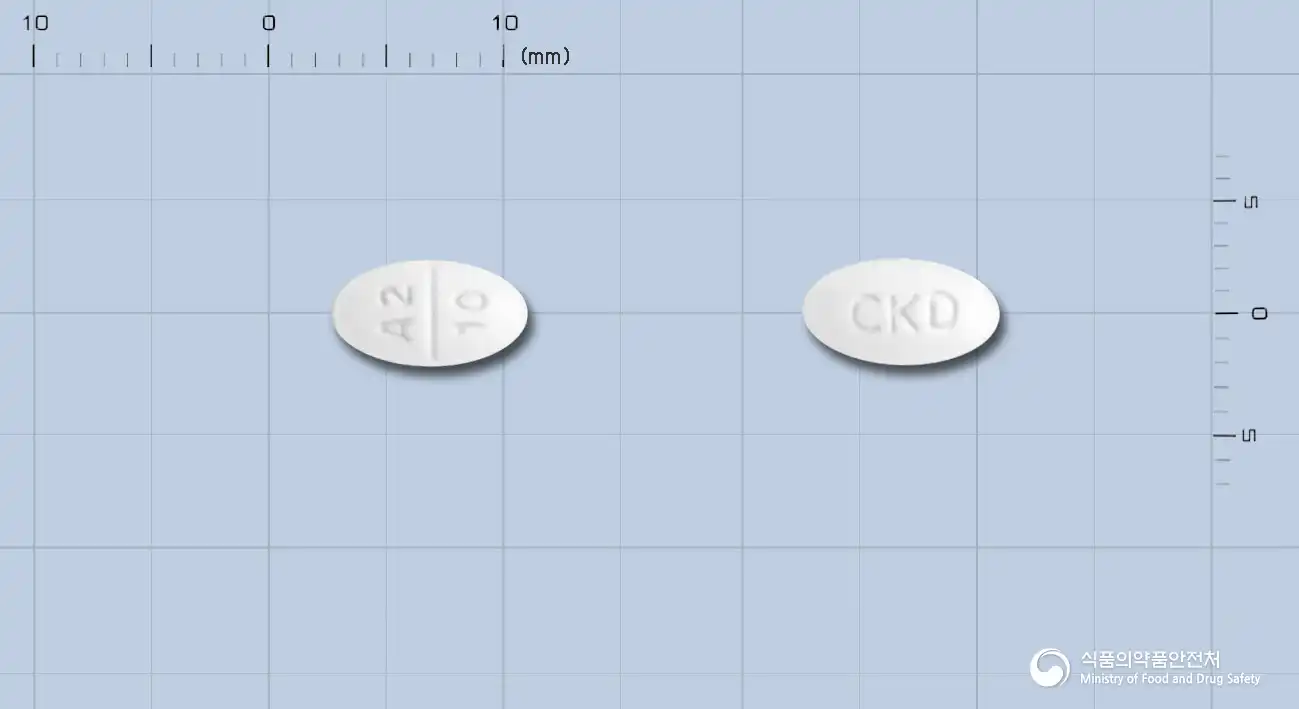 Combination
Amlodipine Besylate 6.94mg · Atorvastatin Calcium Trihydrate 10.36mg
Tablet · Prescription medication · Combination
Jongkundang Co., Ltd.
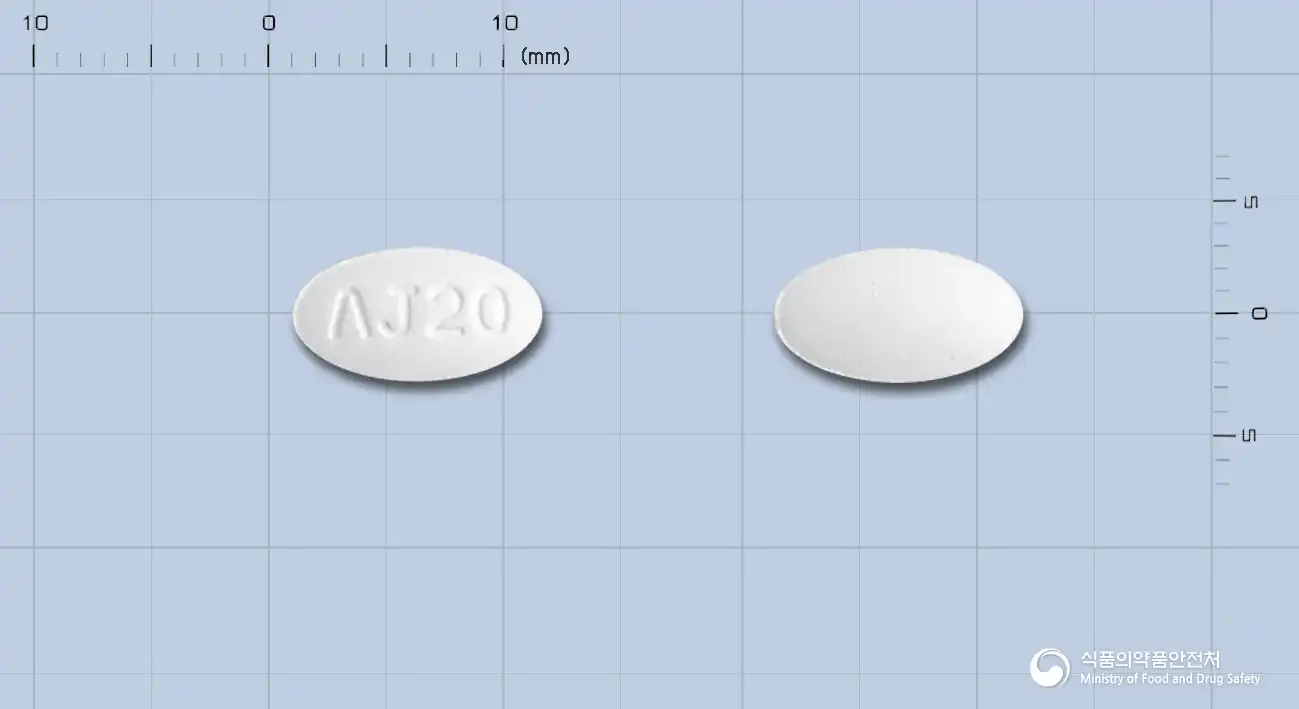 Combination
Atorvastatin Calcium 20.72mg · Amlodipine Besylate 6.94mg
Tablet · Prescription medication · Combination
Aju Pharmaceuticals Co., Ltd.
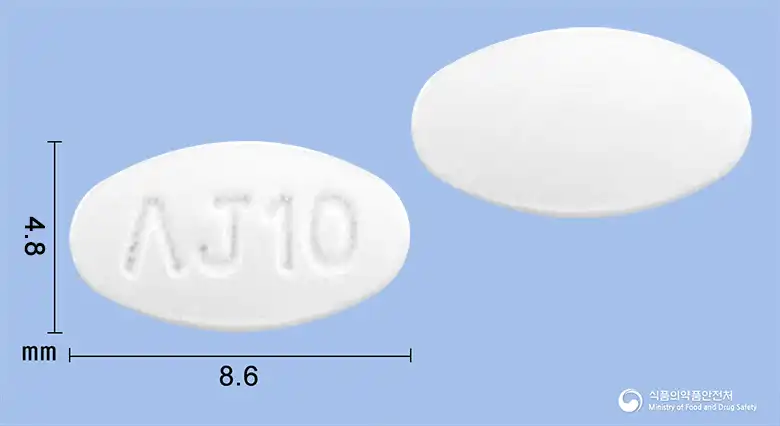 Combination
Atorvastatin Calcium 10.36mg · Amlodipine Besylate 6.94mg
Tablet · Prescription medication · Combination
Aju Pharmaceuticals Co., Ltd.
Even with the same ingredient, the dose and directions can differ by strength and dosage form. Talk to a doctor or pharmacist before switching from a medication you are already taking.
No questions yet.
For anything that needs medical judgment, consult a doctor or pharmacist.
This drug information is based on data provided by the Korea Ministry of Food and Drug Safety.
Consult a doctor or pharmacist for accurate dosage, administration, and usage instructions.