
 한국어
한국어 English
 日本語
日本語 中文(简体)
 Viewing now
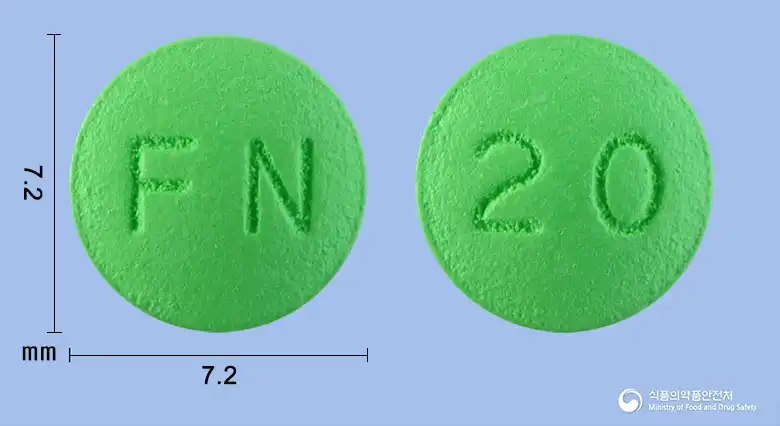
Kyungdong Panitine 20 mg (Famotidine)
Famotidine 20mg
Tablet · Prescription medication
Kyungdong Pharmaceutical Co., Ltd.
MFDS item code 201907803 · Approved 2019.11.07 · Insurance code 648104390
Improvement of gastric ulcers and upper gastrointestinal bleeding, improvement of gastric mucosal lesions
This medication is effective against various digestive diseases such as ulcers formed in the stomach and duodenum, anastomotic ulcers, and upper gastrointestinal bleeding. It is also used for gastroesophageal reflux disease and Zollinger-Ellison syndrome, treating damaged areas of the gastric mucosa and alleviating inflammation. It helps improve lesions such as erosion, bleeding, reddening, and swelling of the gastric mucosa during acute exacerbations of acute gastritis or chronic gastritis. In summary, this drug protects the gastric mucosa and effectively treats symptoms of various gastrointestinal diseases.
1. For gastric and duodenal ulcers, anastomotic ulcers, and upper gastrointestinal bleeding, adults should take 20 mg of famotidine orally, twice daily (after breakfast, after dinner, or at bedtime), or 40 mg once daily (at bedtime). In cases of upper gastrointestinal bleeding, treatment should start with injections, switching to oral administration once possible. 2. For lesions of the gastric mucosa in acute gastritis, acute exacerbation of chronic gastritis, etc.
This drug should not be used in patients who are allergic to this medication's ingredients or other H2 receptor antagonists. Additionally, it contains lactose, so it should not be administered to patients with genetic conditions such as galactose intolerance, Lapp lactase deficiency, or glucose-galactose malabsorption. Patients with a history of allergic reactions to the drug should use it with caution, and patients with reduced kidney function may need a reduced dose or increased intervals between doses due to the potential for elevated blood concentration. Patients with heart conditions may be at risk for cardiovascular side effects and should take precautions, and those with poor liver function should also be careful, as symptoms may worsen. Elderly patients are at a higher risk of reduced kidney function and should be monitored closely when taking this medication. While rare, serious allergic reactions, blood cell reductions, severe skin disorders, liver function abnormalities, muscle damage, cardiac arrhythmias, altered consciousness, nephritis, pneumonia, and other serious side effects may occur during treatment, so any abnormal symptoms should prompt immediate discontinuation of the drug and consultation with a physician. Additionally, the smallest effective dose should be used while closely observing treatment progress, and if no effect is seen, alternative treatments should be considered. Regular monitoring through blood tests, liver function tests, and kidney function tests is important. Patients undergoing hemodialysis should take caution as the effectiveness of calcium carbonate may be reduced when used with phosphate binders. This medication may reduce the concentration and effectiveness of certain antifungal agents or some chemotherapeutic agents, so patients should inform their healthcare providers about any concomitant medications. Pregnant women or those who may become pregnant should only use this medication when the benefits outweigh the risks, and breastfeeding women should ideally discontinue breastfeeding due to the possibility of drug transmission through breast milk. Safety in children has not been sufficiently confirmed, so caution is advised in their use. Lastly, this medication may mask the symptoms of gastric cancer, so it should only be used after confirming that a malignant condition is not present.
Hives, severe swelling (angioedema, facial edema, laryngeal edema, etc.), shock, anaphylaxis, respiratory distress, pancytopenia, agranulocytosis, aplastic anemia, hemolytic anemia, thrombocytopenia, Stevens-Johnson syndrome, Lyell syndrome, liver dysfunction, jaundice, rhabdomyolysis, QT prolongation, ventricular tachycardia, ventricular fibrillation, altered consciousness, seizures, interstitial nephritis, acute kidney failure, interstitial pneumonia, contractile failure
Not everyone experiences these, and they can vary from person to person.
This medicine should be stored in a tightly sealed container to protect it from air and moisture, and it is safe to store at room temperature between 1°C and 30°C.
Round, film-coated tablet in light green
30 tablets/bottle, 300 tablets/bottle
Even with the same ingredient, strength, dosage form and how it is taken can differ.
Viewing nowFamotidine 20mg
Tablet · Prescription medication
Kyungdong Pharmaceutical Co., Ltd.
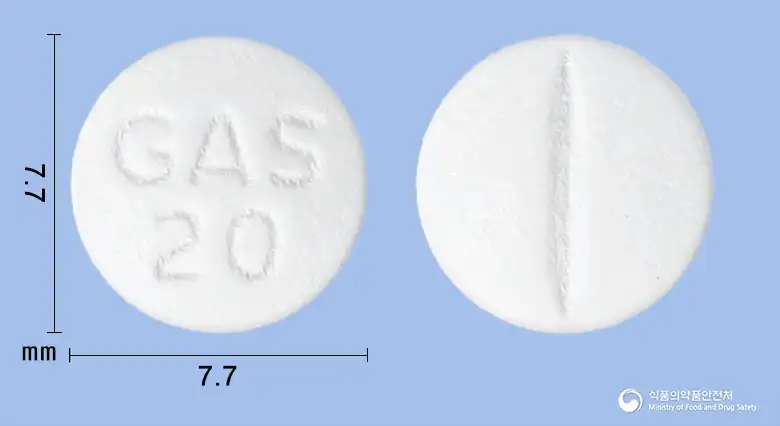
Famotidine 20mg
Prescription medication
Dong-A ST Co., Ltd.
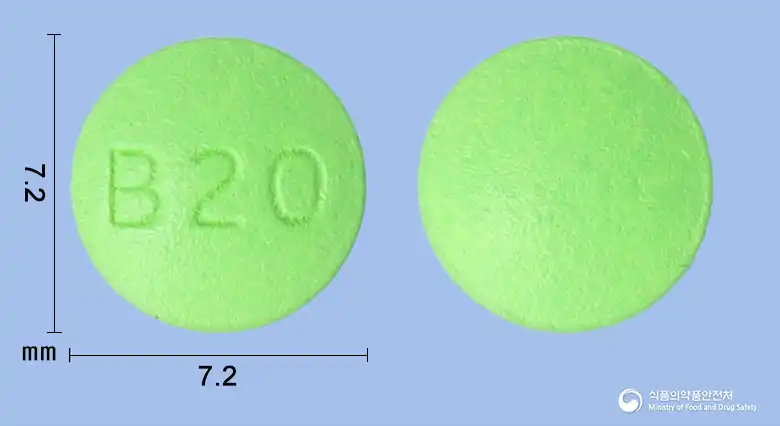
Famotidine 20mg
Tablet · Prescription medication
JW Pharmaceutical Corporation
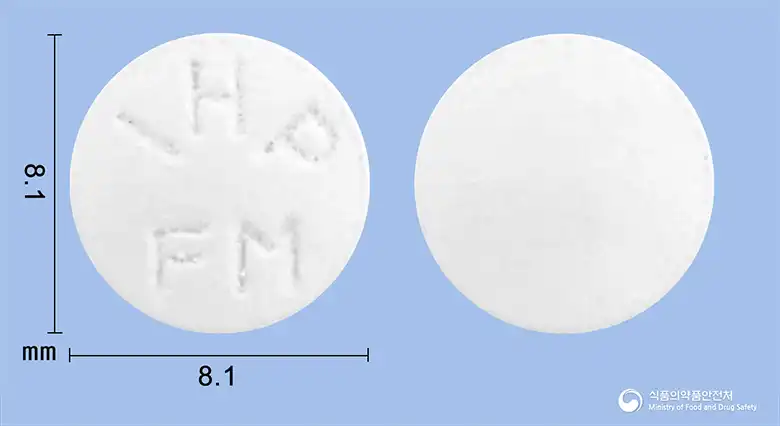
Famotidine 20mg
Tablet · Prescription medication
(Stock Company) Ilhwa
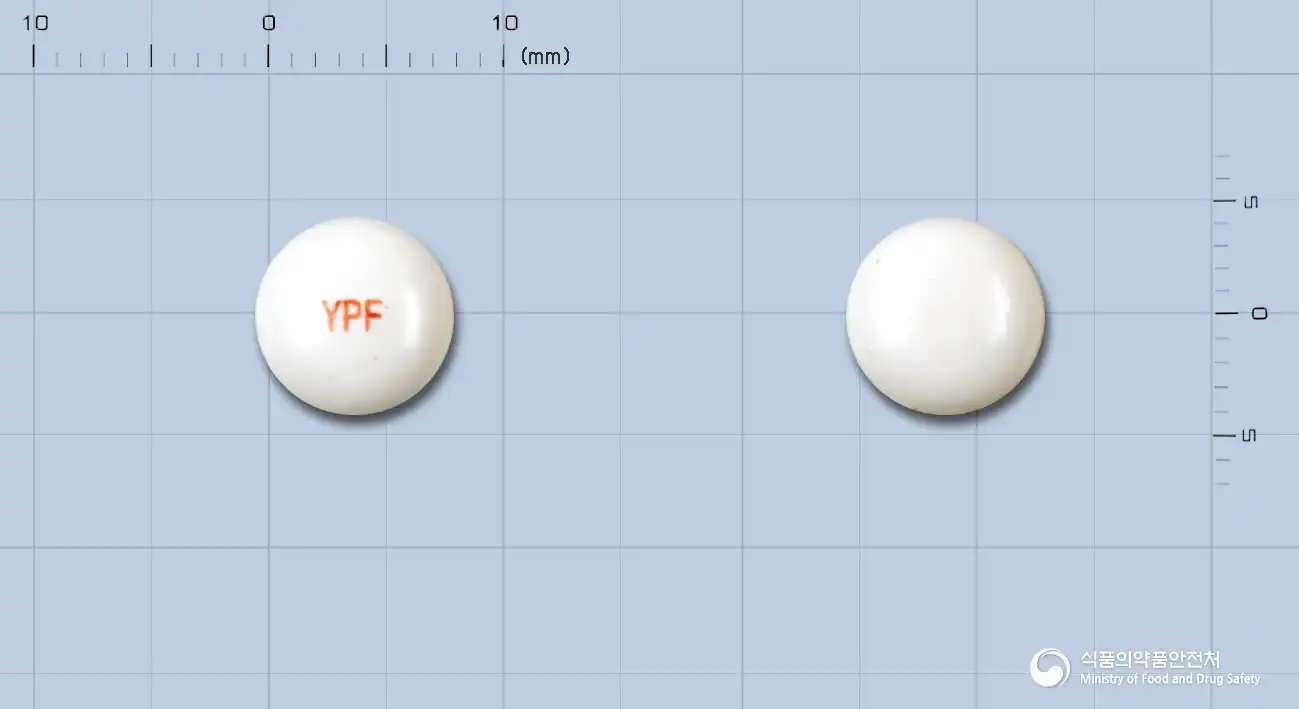
Famotidine 20mg
Prescription medication
Youngpoong Pharmaceutical Co., Ltd.
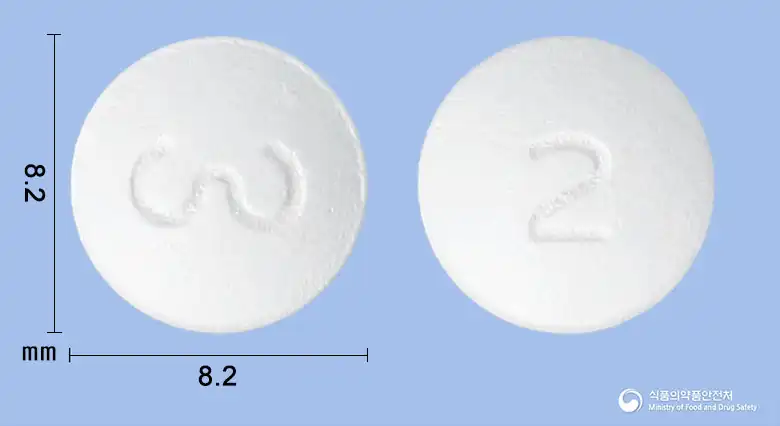
Famotidine 20mg
Tablet · Prescription medication
Withus Pharmaceutical Co., Ltd.
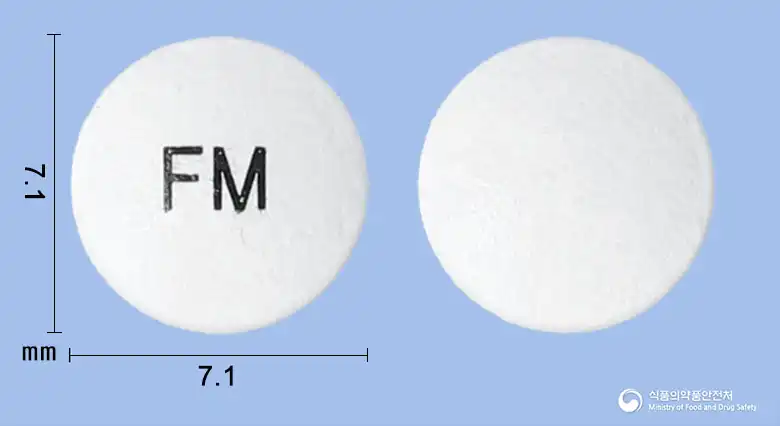
Famotidine 20mg
Prescription medication
(Stock Company) Seoul Pharmaceutical
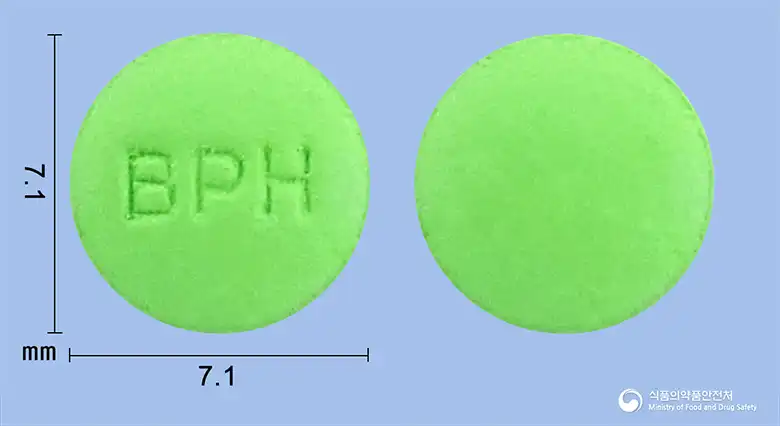
Famotidine 20mg
Tablet · Prescription medication
(Stock Company) Genupharm
Even with the same ingredient, the dose and directions can differ by strength and dosage form. Talk to a doctor or pharmacist before switching from a medication you are already taking.
No questions yet.
For anything that needs medical judgment, consult a doctor or pharmacist.
This drug information is based on data provided by the Korea Ministry of Food and Drug Safety.
Consult a doctor or pharmacist for accurate dosage, administration, and usage instructions.