
 한국어
 English
 日本語
 中文(简体)
Dosage form image
Viewing nowHurica Capsule 150 mg (Pregabalin)
Pregabalin 150mg
Hard capsule · Prescription medication
Hubist Pharmaceutical Co., Ltd.
MFDS item code 201907778 · Approved 2019.11.06
This product's status changed to Expired on 2024.11.06. It may no longer be sold, so consult a doctor or pharmacist before taking it.
Treatment of neuropathic pain; adjunctive treatment of partial-onset seizures; treatment of fibromyalgia
This medication is used to treat peripheral and central neuropathic pain and fibromyalgia in adults. It is also utilized as an adjunct for partial seizures in epilepsy patients, with or without secondary generalization, meaning it is effective for controlling neuropathic pain and seizures.
This medication is administered orally, with or without food, in 2 divided doses of the total daily dose of pregabalin. Because this medication is primarily excreted by the kidneys, the dose should be adjusted in patients with impaired renal function. (See section ‘5. Patients with Renal Impairment’) 1. Neuropathic pain 1) Peripheral neuropathic pain Adults: This medication may be administered at an initial dose of 150 mg/day. Based on each patient’s response and tolerability, the dose may be increased to 300 mg/day after 3 to 7 days. If necessary, it may thereafter be increased at 7-day intervals to a maximum of 600 mg/day. 2) Central neuropathic pain Adults: This medication may be administered at an initial dose of 150 mg/day. Based on each patient’s response and tolerability, the dose may be increased to 300 mg/day after 1 week. After an additional 1 week, the dose may be increased to the target daily dose of 600 mg. If the target daily dose is not tolerated, dose reduction may be considered. (See section ‘4. Discontinuation of Treatment’) 2. Epilepsy Adults: This medication may be administered at an initial dose of 150 mg/day. Based on each patient’s response and tolerability, the dose may be increased to 300 mg/day after 1 week. If necessary, it may thereafter be increased at 7-day intervals to a maximum of 600 mg/day. 3. Fibromyalgia The recommended dose of this medication for fibromyalgia is 300 mg-450 mg/day. The initial dose is 75 mg twice daily (150 mg/day), and based on efficacy and tolerability, it may be increased to 150 mg twice daily (300 mg/day) within 1 week. For patients who do not experience sufficient benefit at a dose of 300 mg/day, the dose may be increased to 225 mg twice daily (450 mg/day) within 1 week. Clinical studies have also been conducted at a dose of 600 mg/day, but there is no evidence of additional benefit or adequate tolerability at this dose. Considering the dose-dependent adverse reactions, doses exceeding 450 mg/day are not recommended. 4. Discontinuation of Treatment Based on current clinical experience, if treatment with this medication is discontinued, it should be tapered gradually over at least 1 week. 5. Patients with Renal Impairment After entering the systemic circulation, this medication is primarily excreted unchanged by the kidneys. Because the clearance of this medication is directly affected by creatinine clearance, dose reductions in patients with impaired renal function should be individualized based on creatinine clearance. Creatinine clearance [Table 1] is determined using the formula below. *For women, multiply the result obtained from the above calculation by 0.85. This medication is effectively removed from plasma by hemodialysis (approximately 50% within 4 hours). In patients undergoing hemodialysis, the daily dose of pregabalin should be adjusted based on renal function. In addition to the daily dose based on renal function, a supplemental dose should be administered promptly after each 4-hour hemodialysis session. [Table 1]. Pregabalin dosage based on renal function Creatinine clearance (CLcr), (mL/min) Total daily dose of pregabalina Administration regimen Starting dose (mg/day) Maximum dose (mg/day) ≥60: Starting dose 150 mg/day, maximum dose 600 mg/day, BID or TID ≥30-<60: Starting dose 75 mg/day, maximum dose 300 mg/day, BID or TID ≥15-<30: Starting dose 25-50 mg/day, maximum dose 150 mg/day, QD or BID <15: Starting dose 25 mg/day, maximum dose 75 mg/day, QD Supplemental dose after hemodialysis: Starting dose 25 mg, maximum dose 100 mg, single dose b TID = total daily dose administered in 3 divided doses BID = total daily dose administered in 2 divided doses QD = administered once daily a: The total daily dose (mg/day) should be administered in divided doses as specified in the administration regimen. b: Supplemental dose refers to a dose administered once in addition to the regular dose. 6. Patients with Hepatic Impairment Dose adjustment is not necessary in patients with hepatic impairment. 8. Older adults (65 years and older) Dose reduction may be necessary in older adults with impaired renal function.
7. Pediatric and adolescent patients Administration is not recommended in children under 12 years of age or adolescent patients 12-17 years of age because there are insufficient safety and efficacy data.
This medication may increase the risk of suicidal thoughts or behaviors; therefore, if any changes in mood or behavior occur while taking it, you should immediately inform your healthcare provider. Patients with an allergy to pregabalin or any component of this medication, as well as those with specific genetic lactase deficiency disorders, should not take this medication. Diabetic patients should be cautious, as weight gain may require an adjustment in the dosage of blood glucose control medications. This medication can cause hypersensitivity reactions such as angioedema; if symptoms such as swelling of the face or around the mouth, or difficulty breathing occur, you should stop taking the medication immediately and visit a hospital. Elderly individuals may experience increased dizziness or drowsiness; they should be particularly careful during the initial period of taking this medication, and if there are vision changes such as blurriness, they should consult a doctor. Discontinuing this medication abruptly may result in withdrawal symptoms such as insomnia, headache, and anxiety; therefore, it should be gradually reduced according to the physician's instructions. There is a risk of drug abuse; therefore, patients with a history of mental illness or drug abuse should consult their healthcare provider before taking this medication. Patients with reduced kidney function should have their dosage adjusted, and caution is also necessary for patients with heart disease. When taken in conjunction with opioid analgesics, the central nervous system depressant effect may increase, so strict adherence to the physician's instructions is essential. This medication can cause dizziness and drowsiness; therefore, driving or operating dangerous machinery should be avoided after taking it. In early pregnancy, it may pose a risk to the fetus; women who are pregnant or planning to become pregnant should definitely consult their healthcare provider and use effective contraception. Breastfeeding women should carefully decide about nursing and taking this medication since it may be transmitted through breast milk. In case of overdose, symptoms such as confusion, drowsiness, and depression may occur, and immediate hospitalization is necessary, as blood dialysis may be required if needed. This medication should be kept out of reach of children, and transferring it to another container may cause accidents and quality degradation; thus, caution is advised.
Suicidal thoughts, suicidal behavior, depression, abnormal changes in mood and behavior, angioedema, facial swelling, perioral swelling, upper respiratory tract swelling, dizziness, drowsiness, loss of consciousness, confusion, mental disorders, blurred vision, changes in vision, insomnia, headache, nausea, anxiety, diarrhea, influenza-like illness, restlessness, pain, seizures, hyperhidrosis, misuse, abuse, dependence, congestive heart failure, severe respiratory depression, rhinitis, neutropenia, increased appetite, anorexia, hypoglycemia, confusion, disorientation, irritability, euphoria, decreased libido, insomnia, depersonalization, sexual dysesthesia, restlessness, anxiety, mood disturbance, emotional blunting, mood elevation, hallucinations, abnormal dreams, increased libido, panic attacks, impulsivity, apathy, dizziness, drowsiness, ataxia, impaired coordination, balance disorders, amnesia, attention deficit, memory impairment, tremors, dysarthria, sensory disturbances, sensory loss, sedation, somnolence, cognitive impairment, nystagmus, language disorders, myoclonus, diminished reflexes, motor abnormalities, psychomotor agitation, positional dizziness, hypersensitivity, burning sensation, restlessness, syncope, confusion, decreased motor function, olfactory disturbances, taste loss, writing impairment, blurred vision, double vision, loss of peripheral vision, visual disturbances, visual field loss, photophobia, dry eyes, swelling of the eyes, reduced vision, ocular pain, eye fatigue, increased tear secretion, eye irritation, mydriasis, during vibration, changes in depth perception of vision, strabismus, vision brightness, dizziness, auditory hypersensitivity, first-degree atrioventricular block, tachycardia, sinus bradycardia, sinus tachycardia, sinus arrhythmia, hypotension, hypertension, flushing, facial flushing, peripheral coldness, dyspnea, epistaxis, cough, nasal congestion, rhinitis, snoring, throat tension, nasal dryness, respiratory depression, vomiting, abdominal distension, constipation, dry mouth, bloating, excessive salivation, gastroesophageal reflux disease, oral sensory loss, ascites, dysphagia, pancreatitis, sweating, papular rash, urticaria, cold sweat, muscle spasms, arthralgia, back pain, limb pain, cervical spasms, joint swelling, myalgia, muscle cramps, neck pain, muscle stiffness, rhabdomyolysis, urinary disturbances, urinary incontinence, reduced urination, renal failure, erectile dysfunction, delayed ejaculation, sexual dysfunction, dysmenorrhea, amenorrhea, breast pain, breast discharge, breast enlargement, peripheral edema, edema, gait abnormalities, falls, feeling of intoxication, altered sensation, fatigue, chest tightness, generalized edema, pain, fever, chills, weakness, thirst, weight gain, increased alanine aminotransferase, increased creatine phosphokinase in the blood, increased aspartate aminotransferase, increased blood sugar, decreased platelet count, decreased potassium in the blood, weight loss, increased creatinine in the blood, decreased white blood cell count, hypersensitivity, allergic reactions, headache, keratitis, pulmonary edema, nausea, diarrhea, tongue swelling, itching, Stevens-Johnson syndrome, toxic epidermal necrolysis, urinary retention, gynecomastia, lethargy, delirium, paralysis (facial paralysis), affective disorder, drowsiness, confused state, depression, agitation, restlessness, convulsions, respiratory failure, coma, death, intestinal obstruction, paralytic ileus, constipation, skin disorders
Not everyone experiences these, and they can vary from person to person.
This medication should be kept in a tightly closed container to protect it from exposure to air or moisture. It is advisable to maintain the storage temperature between 15 and 30 degrees Celsius.
A hard capsule with a white upper and lower part containing white powder.
Domestic use - 30 capsules/bottle, Domestic use - 60 capsules/bottle
Even with the same ingredient, strength, dosage form and how it is taken can differ.
Pregabalin 150mg
Hard capsule · Prescription medication
Hubist Pharmaceutical Co., Ltd.
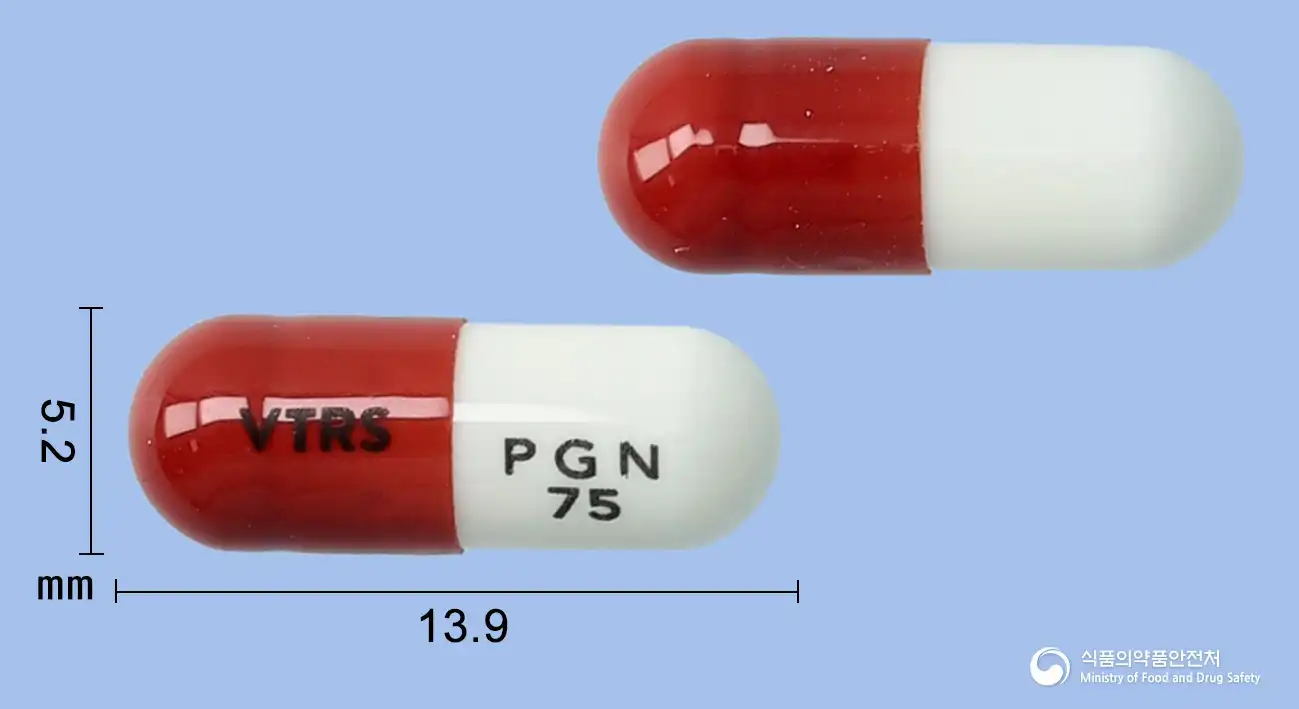
Pregabalin 75mg
Hard capsule · Prescription medication
Viatris Korea Co., Ltd.
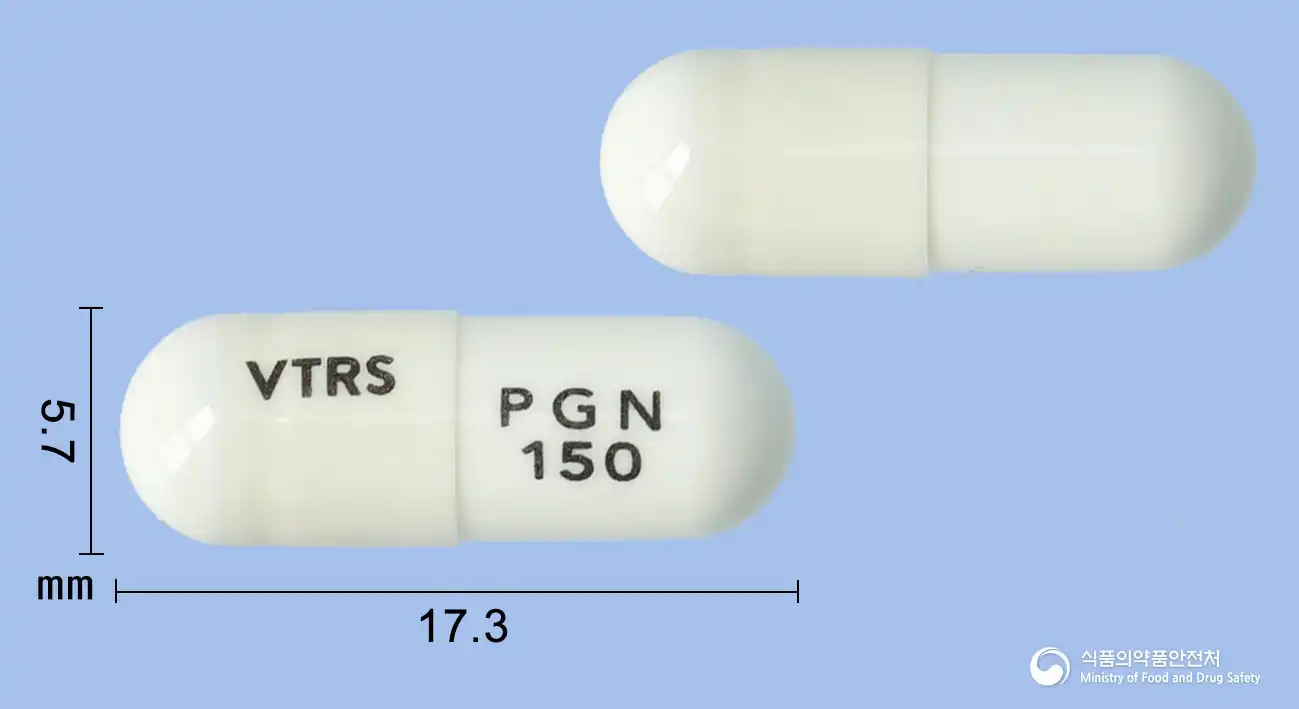
Pregabalin 150mg
Hard capsule · Prescription medication
Viatris Korea Co., Ltd.
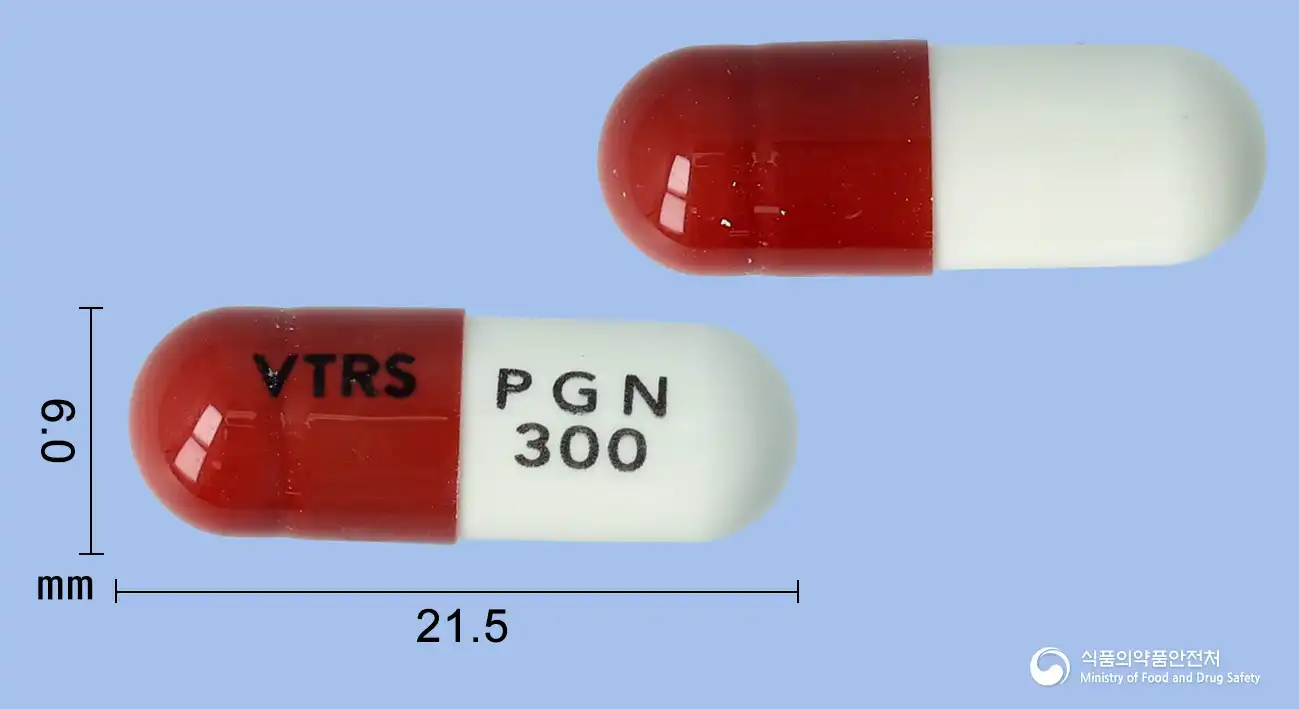
Pregabalin 300mg
Hard capsule · Prescription medication
Viatris Korea Co., Ltd.
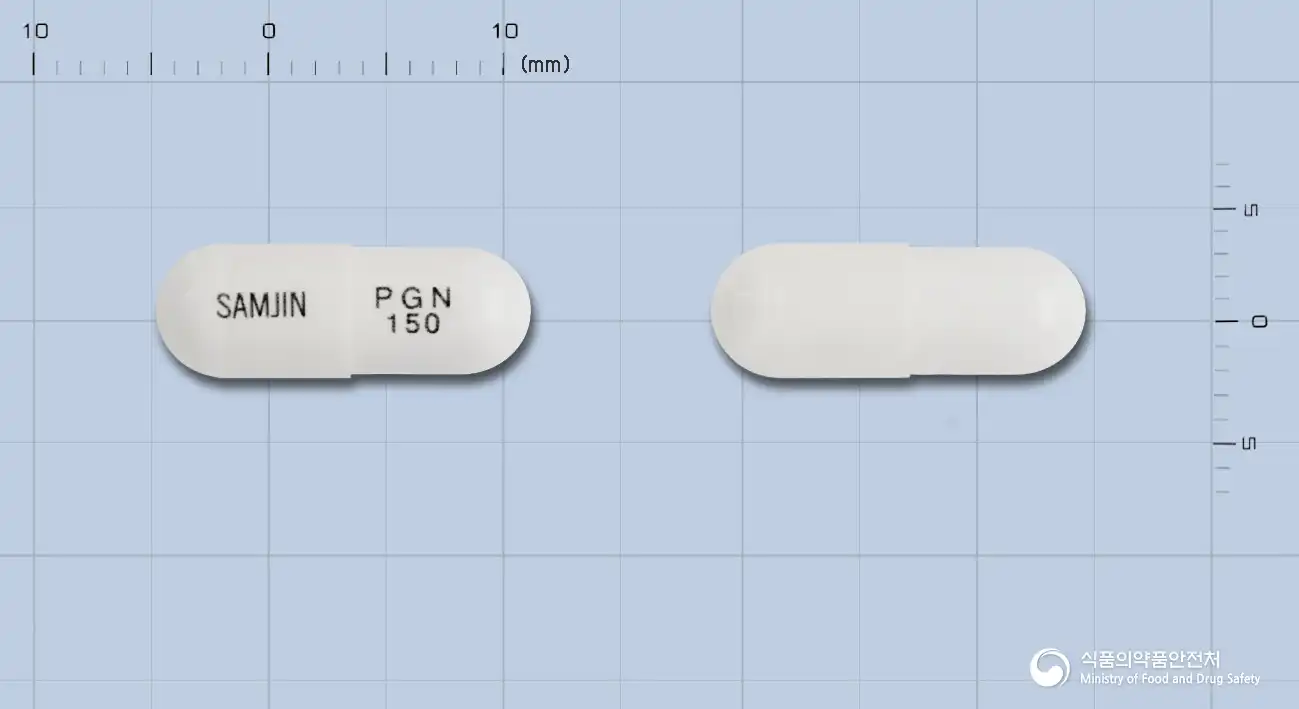
Pregabalin 150mg
Hard capsule · Prescription medication
Samjin Pharmaceutical Co., Ltd.
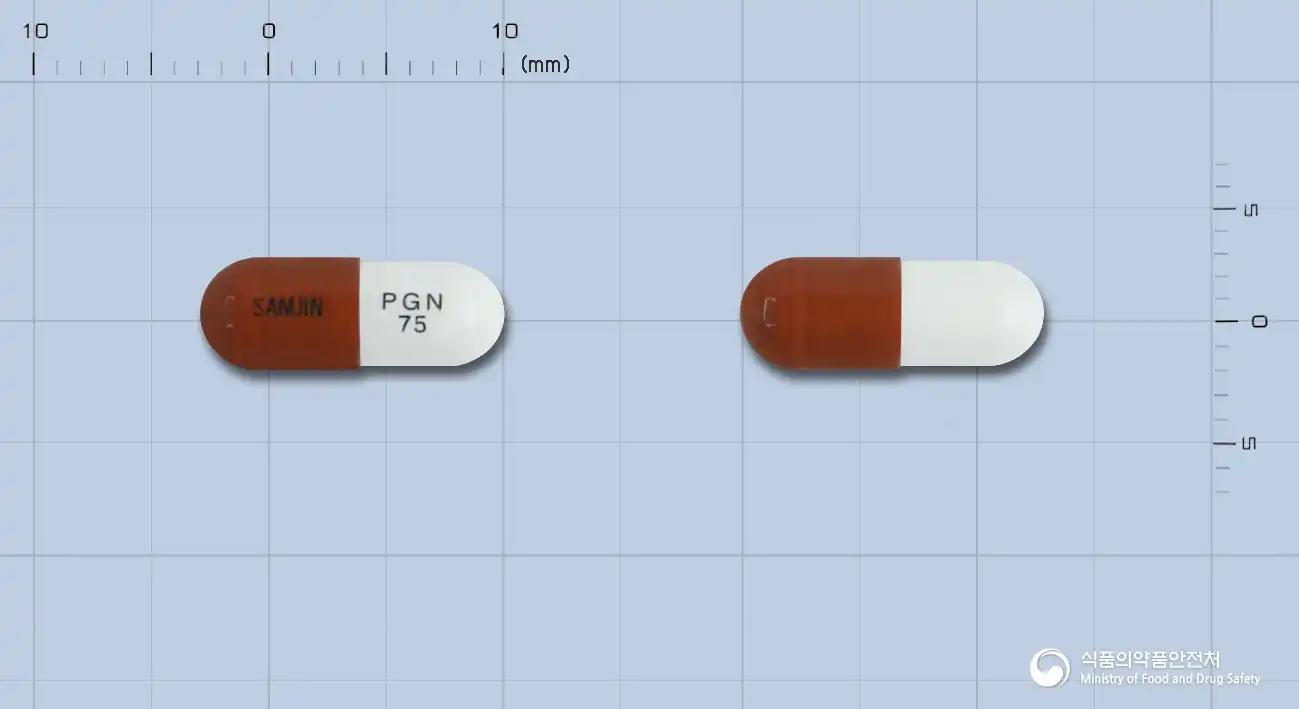
Pregabalin 75mg
Hard capsule · Prescription medication
Samjin Pharmaceutical Co., Ltd.
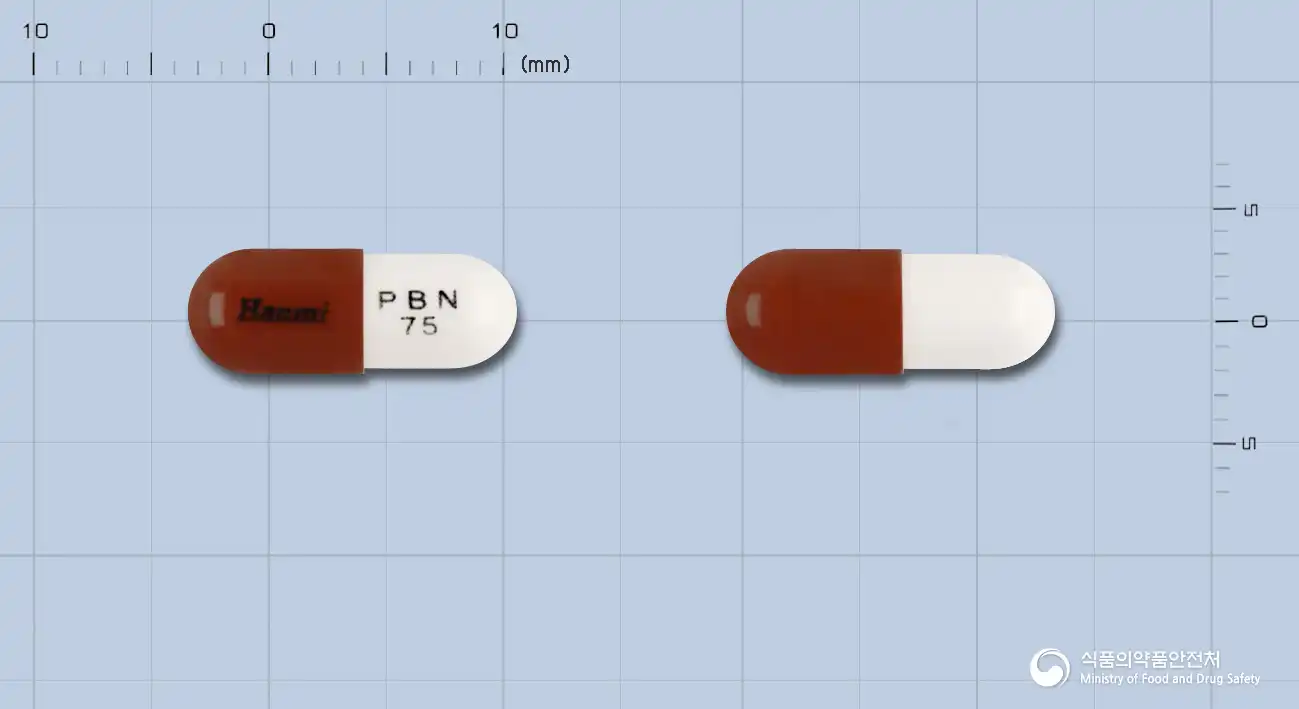
Pregabalin 75mg
Hard capsule · Prescription medication
Hanmi Pharm. Co., Ltd.
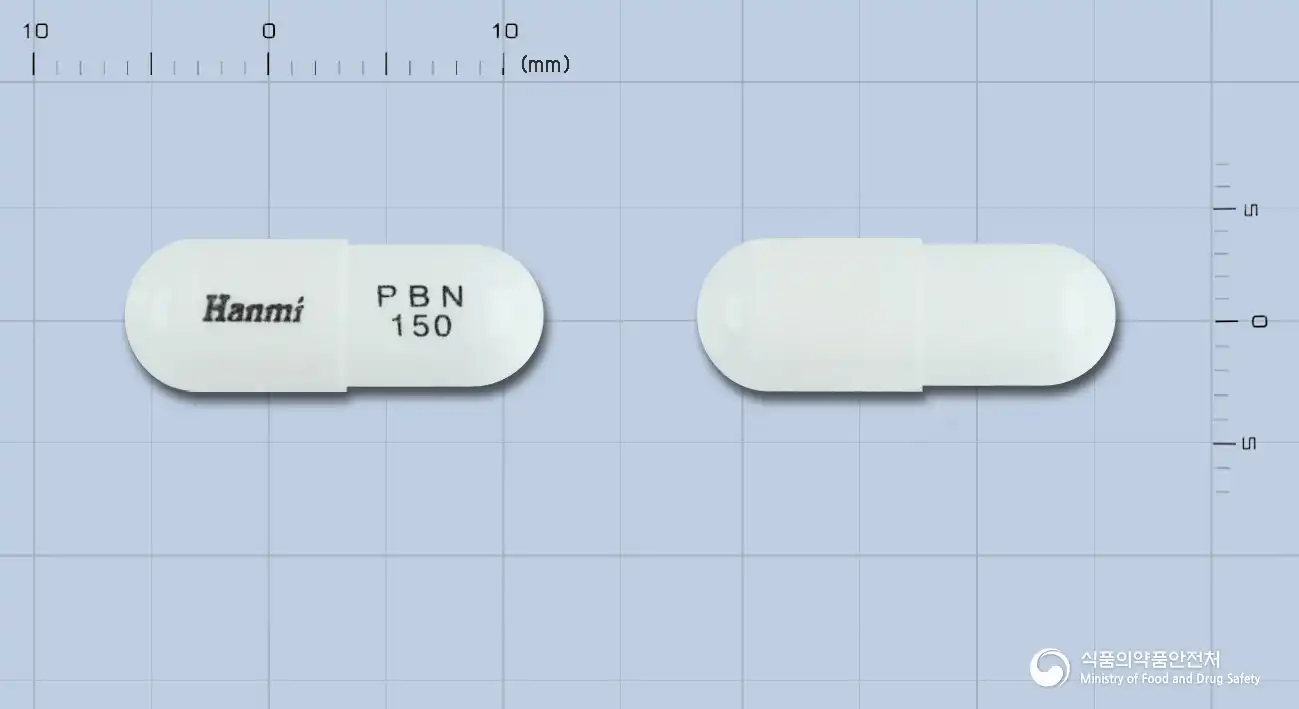
Pregabalin 150mg
Hard capsule · Prescription medication
Hanmi Pharmaceutical Co., Ltd.
Even with the same ingredient, the dose and directions can differ by strength and dosage form. Talk to a doctor or pharmacist before switching from a medication you are already taking.
No questions yet.
For anything that needs medical judgment, consult a doctor or pharmacist.
This drug information is based on data provided by the Korea Ministry of Food and Drug Safety.
Consult a doctor or pharmacist for accurate dosage, administration, and usage instructions.