
 한국어
한국어 English
 日本語
日本語 中文(简体)
Dosage form image
Viewing nowMoxifloxacin Eye Drops (Moxifloxacin Hydrochloride)
Moxifloxacin Hydrochloride 5.45mg
Eye drops · Prescription medication
Poonglim Pharmaceutical Co., Ltd.
MFDS item code 201907585 · Notified 2019.10.30 · Insurance code 649002251
Effectiveness against bacterial conjunctivitis, keratoconjunctivitis, keratitis, and sterilization effects before and after ophthalmic surgery
This medicine is used to treat eye infections caused by various bacteria. It is particularly effective against common bacteria such as Staphylococcus, Streptococcus, and Pneumococcus which cause bacterial conjunctivitis and keratoconjunctivitis, keratitis, and corneal ulcers. Additionally, it is used for sterilization therapy before and after ophthalmic surgery to help prevent and treat infections. This medication can respond to various strains including Haemophilus influenzae, Pseudomonas, and Acinetobacter, making it widely used in the treatment of ophthalmic infections. Therefore, it is effectively used to improve symptoms of bacterial eye infections and prevent infections after surgery.
1. Bacterial conjunctivitis, keratoconjunctivitis, keratitis (including corneal ulcers): Generally, instill 1 drop, 3 times a day. Adjust the dosage according to symptoms. 2. Sterilization therapy before and after ophthalmic surgery: Generally, 1 drop, 5 times a day before surgery, and 1 drop, 3 times a day after surgery.
This medication should not be injected directly into the eye or given subconjunctivally. Patients receiving systemic administration of drugs that are similar to this medication may rarely experience severe allergic reactions, so if symptoms such as difficulty breathing, angioedema, or hives occur, use should be immediately discontinued and emergency treatment obtained. Patients who are allergic to this medication or have hypersensitivity to quinolone antibiotics, and infants under the age of 1 should not use it. Pregnant or breastfeeding women should carefully consider the effects on the fetus or child when using this medication. When used in the eye, side effects may include conjunctivitis, ocular redness, eye pain, and itching; rarely, systemic symptoms such as taste disturbances, fever, and cough have been reported. Long-term use of this medication can lead to antibiotic resistance or the emergence of other infections, so it should be used only for the necessary duration, and if symptoms worsen or unusual reactions occur, consultation with a healthcare professional is necessary. Contact lens use should be avoided during bacterial conjunctivitis, and if allergic symptoms occur during medication use, it should be discontinued immediately and a doctor consulted. There is a low possibility of interactions with other medications, but caution is advised during use. This medication should be used only for eye drops, and care should be taken to avoid contamination of the container's opening, and it is advisable not to share it with others. When storing, keep it in a sealed container to avoid exposure to air or moisture, and it should be stored at room temperature between 1 degree and 30 degrees Celsius, avoiding direct sunlight. When used by pregnant or lactating women, careful consideration of the impact on the fetus or child is necessary, and safety has not been established for infants under 1 year. Elderly patients can use it without special precautions, but if any adverse reactions occur, they should consult a healthcare professional immediately.
Hives, severe swelling (edema), chest tightness, difficulty breathing, cold sweat, pallor, shock, anaphylaxis symptoms, angioedema (including pharynx, larynx, facial swelling), difficulty breathing, hypotension, eyelid edema
Conjunctivitis, decreased vision, dry eyes, keratitis, ocular discomfort, ocular hyperemia, eye pain, itching, subconjunctival hemorrhage, tearing, fever, cough, infection, otitis media, pharyngitis, redness, rhinitis, eye pain, taste disturbance, eyelid edema, blurred vision, sensory disturbance at the application site, atrial fibrillation, dizziness, endophthalmitis, ulcerative keratitis, corneal erosion, corneal abrasion, increased intraocular pressure, corneal opacity, corneal infiltrate, corneal deposits, allergy, keratitis, corneal
Not everyone experiences these, and they can vary from person to person.
This medication should be stored in a sealed container to avoid exposure to air or moisture. It is important to keep the storage temperature at room temperature between 1 degree and 30 degrees Celsius.
A clear, pale greenish-yellow solution in a colorless translucent plastic container for eye drops
6 milliliters/bottle
Even with the same ingredient, strength, dosage form and how it is taken can differ.
Moxifloxacin Hydrochloride 5.45mg
Eye drops · Prescription medication
Poonglim Pharmaceutical Co., Ltd.
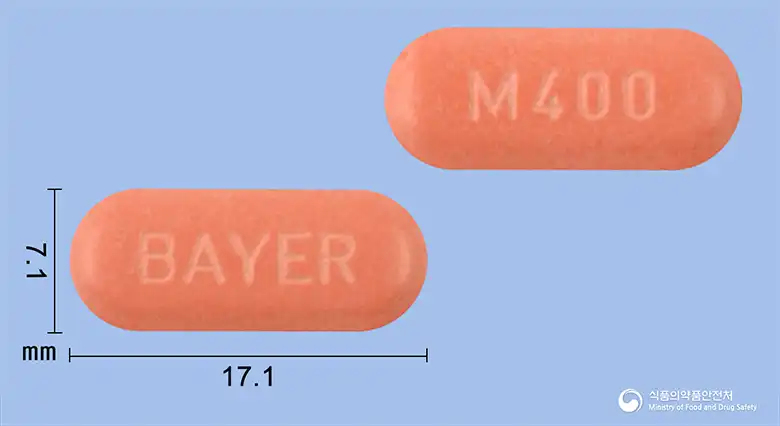
Moxifloxacin Hydrochloride 436.8mg
Tablet · Prescription medication
Bayer Korea Co., Ltd.
Moxifloxacin Hydrochloride 1.744mg
Injections · Prescription medication
Bayer Korea Co., Ltd.
Moxifloxacin Hydrochloride 5.45mg
Eye drops · Prescription medication
Novartis Korea Co., Ltd.
Moxifloxacin Hydrochloride 5.45mg
Eye drops · Prescription medication
Samchundang Pharmaceutical Co., Ltd.
Moxifloxacin Hydrochloride 5.45mg
Eye drops · Prescription medication
Samil Pharmaceutical Co., Ltd.
Moxifloxacin Hydrochloride 5.45mg
Eye drops · Prescription medication
Optus Pharmaceutical Co., Ltd.
Moxifloxacin Hydrochloride 5.45mg
Eye drops · Prescription medication
Hankook Hyutecs Pharmaceutical Co., Ltd.
Even with the same ingredient, the dose and directions can differ by strength and dosage form. Talk to a doctor or pharmacist before switching from a medication you are already taking.
No questions yet.
For anything that needs medical judgment, consult a doctor or pharmacist.
This drug information is based on data provided by the Korea Ministry of Food and Drug Safety.
Consult a doctor or pharmacist for accurate dosage, administration, and usage instructions.