
 한국어
 English
 日本語
 中文(简体)
 Viewing now
Rasamin Tablet (Rasagiline Mesylate)
Rasagiline Mesylate 1.56mg
Tablet · Prescription medication
Kips Biopharma Co., Ltd.
MFDS item code 201907569 · Approved 2019.10.30 · Insurance code 693202180
Treatment of idiopathic Parkinson's disease
This medication is used either as monotherapy or as an adjunctive therapy with dopamine agonists in patients with idiopathic Parkinson's disease. Additionally, it is used as an adjunct therapy to levodopa in patients experiencing motor fluctuation symptoms, especially during 'end of dose fluctuations' when the effects of the medication wane. This treatment helps effectively manage the motor functions of Parkinson's disease patients and alleviates their symptoms.
This medicine is administered orally once daily to adults as monotherapy or adjunctive therapy. 1) Monotherapy or adjunctive therapy to a dopamine agonist: Administer 1 mg orally once daily. 2) Adjunctive therapy to levodopa: The recommended starting dose for patients taking levodopa is 0.5 mg once daily. If the medicine is well tolerated but an adequate clinical response is not achieved, the dose may be increased to 1 mg once daily. This medicine may be taken with or without food.
This medication should not be used by patients who are allergic to certain ingredients. Patients who are taking other MAO inhibitors or certain natural medicines, or who have recently stopped taking them, should also not use this medication. Patients taking medications such as pethidine, tramadol, or dextromethorphan should not combine them with this medication. This medication is not administered to patients with moderate or severe liver dysfunction. When taking this medication, various side effects such as headaches, dizziness, nausea, insomnia, and arthralgia may occur, so caution is required. Particularly in Parkinson's disease patients, hallucinations, confusion, and movement disorders may occur. This medication can cause blood pressure fluctuations, so it is important to monitor blood pressure regularly. When used with dopamine-related treatments, symptoms such as impulse control disorders or excessive sleepiness may arise, so caution is advised. Ensure to check for drowsiness or sudden sleep episodes when engaging in activities requiring concentration, such as driving or operating machinery. Caution is necessary when using this medication during pregnancy or lactation, especially as it may affect breastfeeding in nursing women. Dose adjustments or careful usage is required for children or elderly patients over 65 years of age. Serious side effects may occur with overdose, so immediate consultation with healthcare personnel is necessary, as there are no specific antidotes, and treatment directed at symptoms is needed. This medication should be stored in a cool place, protected from direct sunlight, and out of reach of children, and transferring to other containers should be avoided.
Not everyone experiences these, and they can vary from person to person.
This medication should be stored in a tightly sealed container to protect it from air and moisture. The appropriate storage temperature is between 1 degree and 25 degrees Celsius in a cool place.
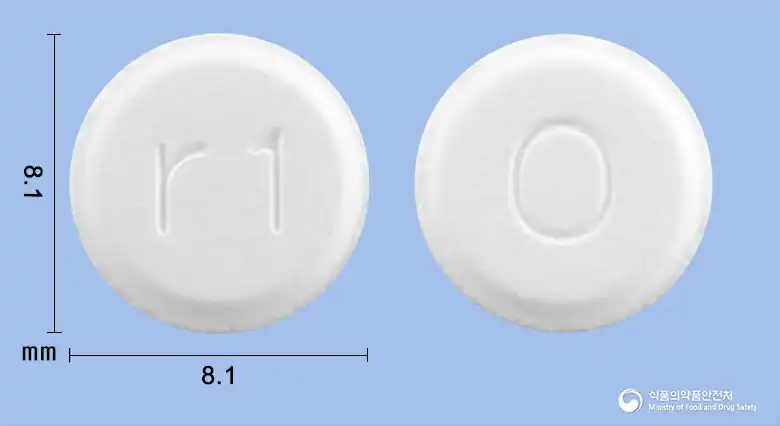
White round tablets
30 tablets/PTP [(10 tablets/PTP x 3)]
Even with the same ingredient, strength, dosage form and how it is taken can differ.
Viewing nowRasagiline Mesylate 1.56mg
Tablet · Prescription medication
Kips Biopharma Co., Ltd.
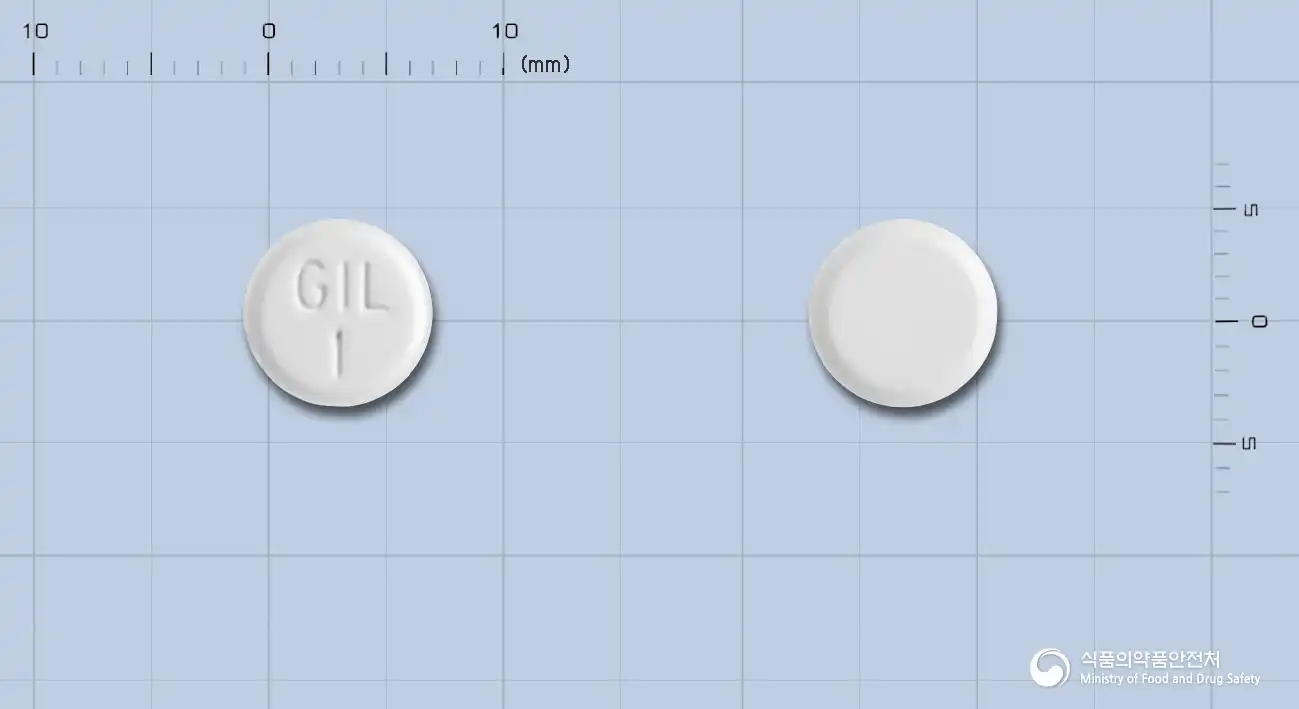
Rasagiline Mesylate 1.56mg
Tablet · Prescription medication
Hana Lundbeck Co., Ltd.
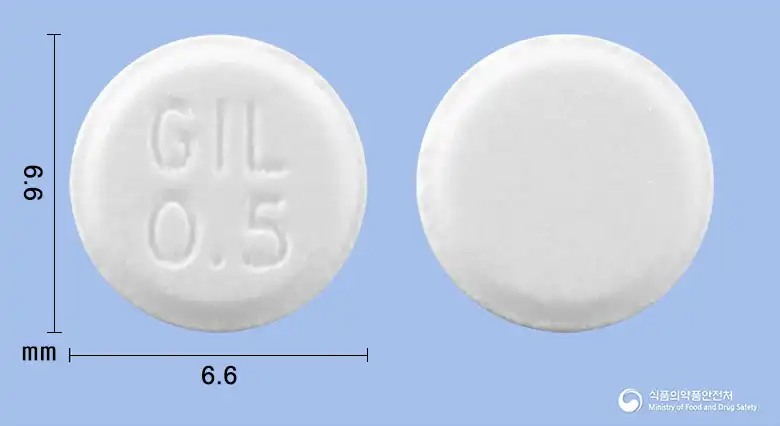
Rasagiline Mesylate 0.78mg
Tablet · Prescription medication
Korea Lundbeck Co., Ltd.
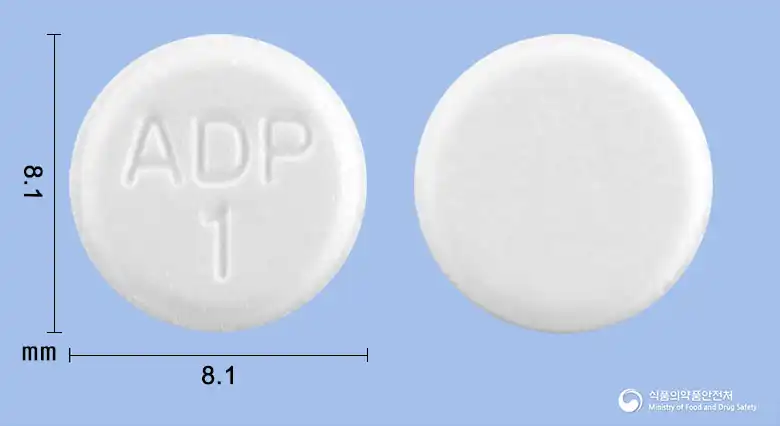
Rasagiline Mesylate 1.56mg
Tablet · Prescription medication
Jongkundang Co., Ltd.
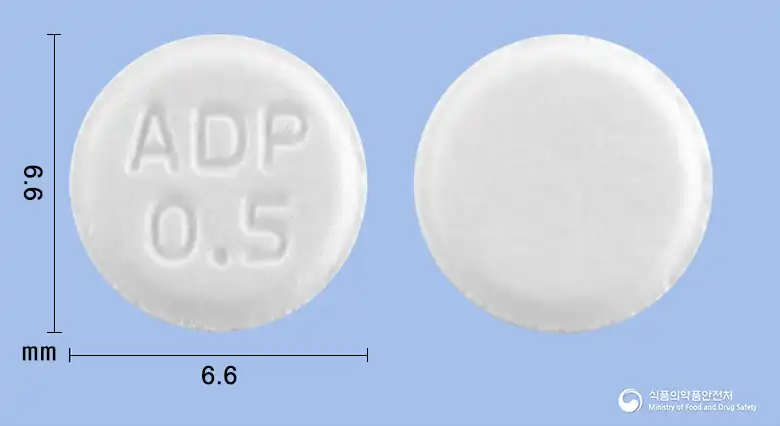
Rasagiline Mesylate 0.78mg
Tablet · Prescription medication
Jongkundang Co., Ltd.
Rasagiline Mesylate 1.56mg
Tablet · Prescription medication
Korea Pharma Co., Ltd.
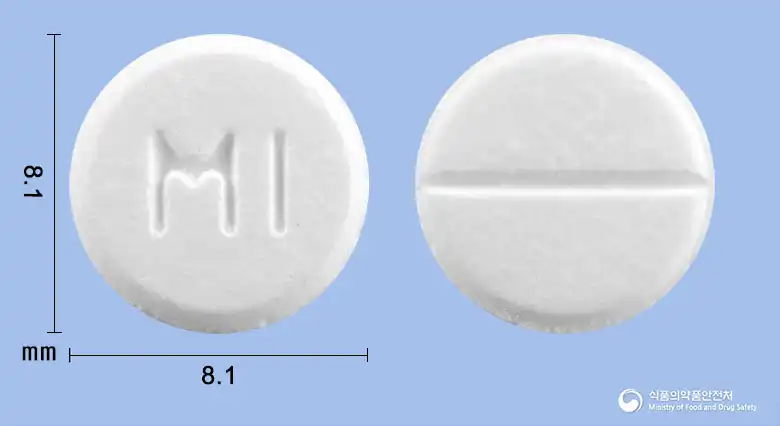
Rasagiline Mesylate 1.56mg
Tablet · Prescription medication
Myungin Pharmaceutical Co., Ltd.
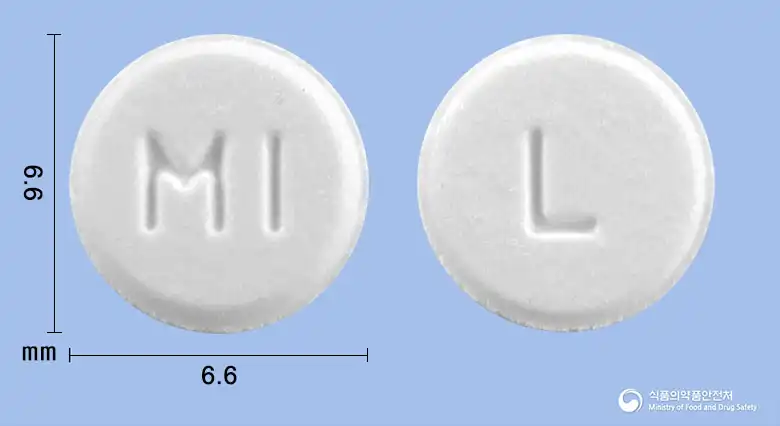
Rasagiline Mesylate 0.78mg
Tablet · Prescription medication
Myungin Pharmaceutical Co., Ltd.
Even with the same ingredient, the dose and directions can differ by strength and dosage form. Talk to a doctor or pharmacist before switching from a medication you are already taking.
No questions yet.
For anything that needs medical judgment, consult a doctor or pharmacist.
This drug information is based on data provided by the Korea Ministry of Food and Drug Safety.
Consult a doctor or pharmacist for accurate dosage, administration, and usage instructions.