
 한국어
한국어 English
 日本語
日本語 中文(简体)
Dosage form image
Viewing nowCombinationSamsung Linagliptin Duo Tablet 2.5/850 mg
Linagliptin 2.5mg · Metformin Hydrochloride 850mg
Tablet · Prescription medication · Combination
Samsung Pharmaceutical Co., Ltd.
MFDS item code 201907496 · Approved 2019.10.28
This product's status changed to Expired on 2024.10.28. It may no longer be sold, so consult a doctor or pharmacist before taking it.
Improvement in blood sugar control in adult type 2 diabetes
This medication is used alongside diet and exercise to help control blood sugar in patients with adult type 2 diabetes. It is administered in cases where patients have not received prior diabetes medication treatment or have difficulty controlling blood sugar with monotherapy. It is also prescribed for those who have insufficient blood sugar control with metformin monotherapy. Additionally, this medication is used to improve blood sugar control when replacing a combination of linagliptin and metformin or in cases where maximum doses of metformin along with sulfonylureas or empagliflozin have proven inadequate. For individuals who find it difficult to control using insulin and metformin combinations, this medication provides a treatment method used alongside insulin. In summary, this medication is utilized to improve treatment for adult type 2 diabetes patients who encounter difficulties with blood sugar control in various situations.
This medication should be taken twice a day with meals. 1. If not currently being treated with metformin: Start with 2.5/500 mg, 1 tablet twice daily and can be increased to 2.5/1000 mg, 1 tablet twice daily. 2. If adequate blood sugar control is not achieved with metformin monotherapy: Administer 2.5 mg of linagliptin twice daily and the current prescribed dose of metformin.
This medication has been reported to cause rare but serious side effects, such as lactic acidosis. Lactic acidosis is a condition where excessive lactate builds up in the body, causing increased acidity, which can be life-threatening without proper treatment. This medication should not be used in certain patients. For instance, it should not be used in patients who have allergies to its ingredients or in those with type 1 diabetes, lactic acidosis, diabetic ketoacidosis, diabetic coma, severe renal impairment, acute infections or dehydration affecting renal function, patients with severely impaired liver function, individuals with acute alcohol intoxication or alcohol dependence, patients with very poor nutritional status, acute heart failure patients, pregnant or nursing women, and patients with a history of myocardial infarction. When administering this medication, care must be taken to avoid the risk of hypoglycemia. Particularly when using this medication with sulfonylureas or insulin, hypoglycemic symptoms may occur, so dosage adjustments of other medications may be necessary. To reduce the risk of lactic acidosis, blood sugar control should be carefully managed, avoid prolonged fasting or excessive alcohol consumption, and exercise extra caution when liver or heart function is impaired. If symptoms like abdominal pain, muscle pain, weakness, or respiratory distress occur, immediate consultation with a doctor is required. Renal function is critical for the excretion of this medication, thus regular kidney function tests must be conducted before and during treatment, and the medication should be discontinued if renal function falls below a certain standard. Patients with diminished cardiac function should be closely monitored when using this medication, and it should be temporarily discontinued prior to examinations involving radiographic iodine contrast agents. Patients undergoing surgery should also stop taking this medication for a period before and after the procedure. This medication can cause rare skin conditions such as acute pancreatitis or bullous pemphigoid, so if severe abdominal pain or blisters appear on the skin, medical personnel should be notified immediately. Long-term use may lead to vitamin B12 deficiency, so if anemia or neurological symptoms develop, vitamin B12 levels should be checked, and supplementation, if necessary, should be administered. This medication can interact with other drugs, so if any other medications are being taken, it is essential to inform a doctor or pharmacist. Special care should be taken when using it with medications that may affect renal function or blood-sugar-lowering medications. Women who are pregnant or planning to become pregnant should avoid this medication, and nursing mothers should also refrain from using it. The safety and efficacy in children and adolescents have not been established; therefore, use in this age group is not recommended. Elderly patients may frequently have declining renal function, so renal function should be regularly monitored and the dosage adjusted accordingly when using this medication. There have been no studies conducted on the effects on driving or operating machinery, so caution is advisable while taking this medication. In the case of overdose, there is a risk of lactic acidosis, and one should seek immediate hospital treatment as hemodialysis is an effective treatment method. This medication should be stored out of reach of children, in a dry place, and it is advisable not to transfer it to other containers.
Not everyone experiences these, and they can vary from person to person.
This medication is sensitive to air and humidity, thus it must be stored in a tightly sealed container. A storage location maintaining room temperature between 1°C and 30°C is suitable.
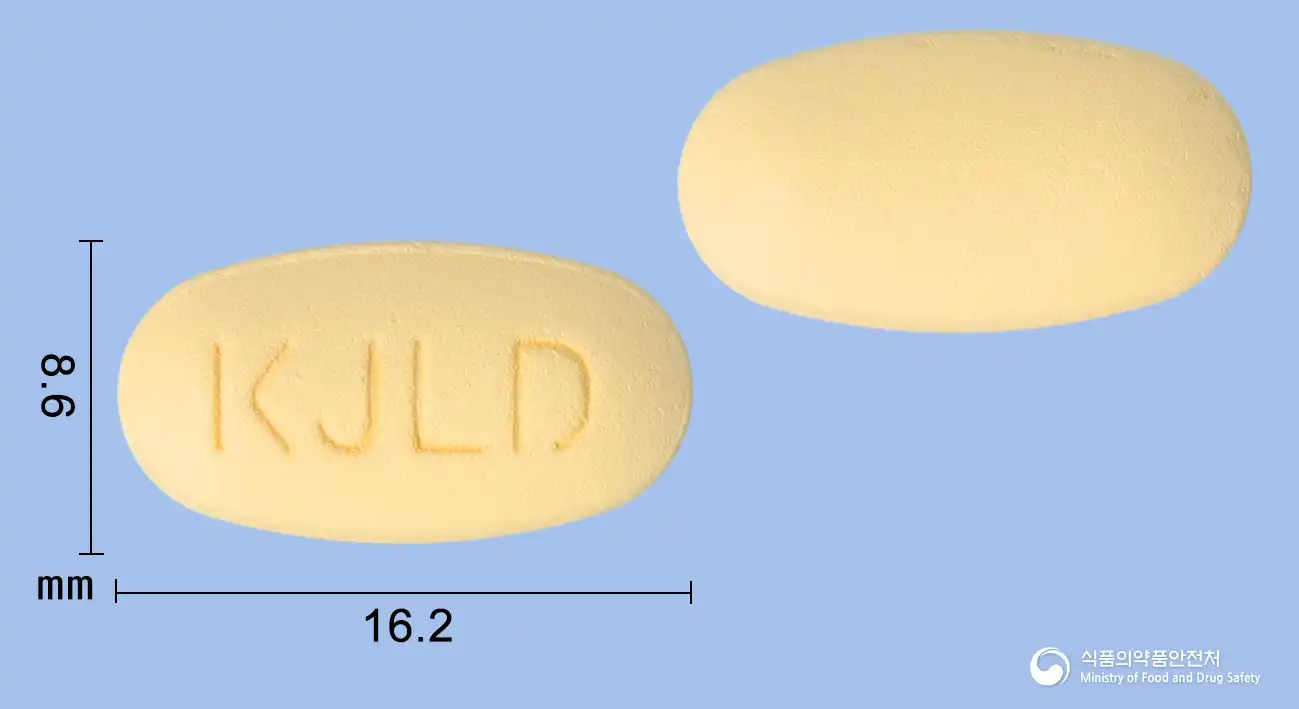
Bright orange oval film-coated tablet
60 tablets/PTP[(10 tablets/PTP x 6)]
Even with the same ingredient, strength, dosage form and how it is taken can differ.
Linagliptin 2.5mg · Metformin Hydrochloride 850mg
Tablet · Prescription medication · Combination
Samsung Pharmaceutical Co., Ltd.
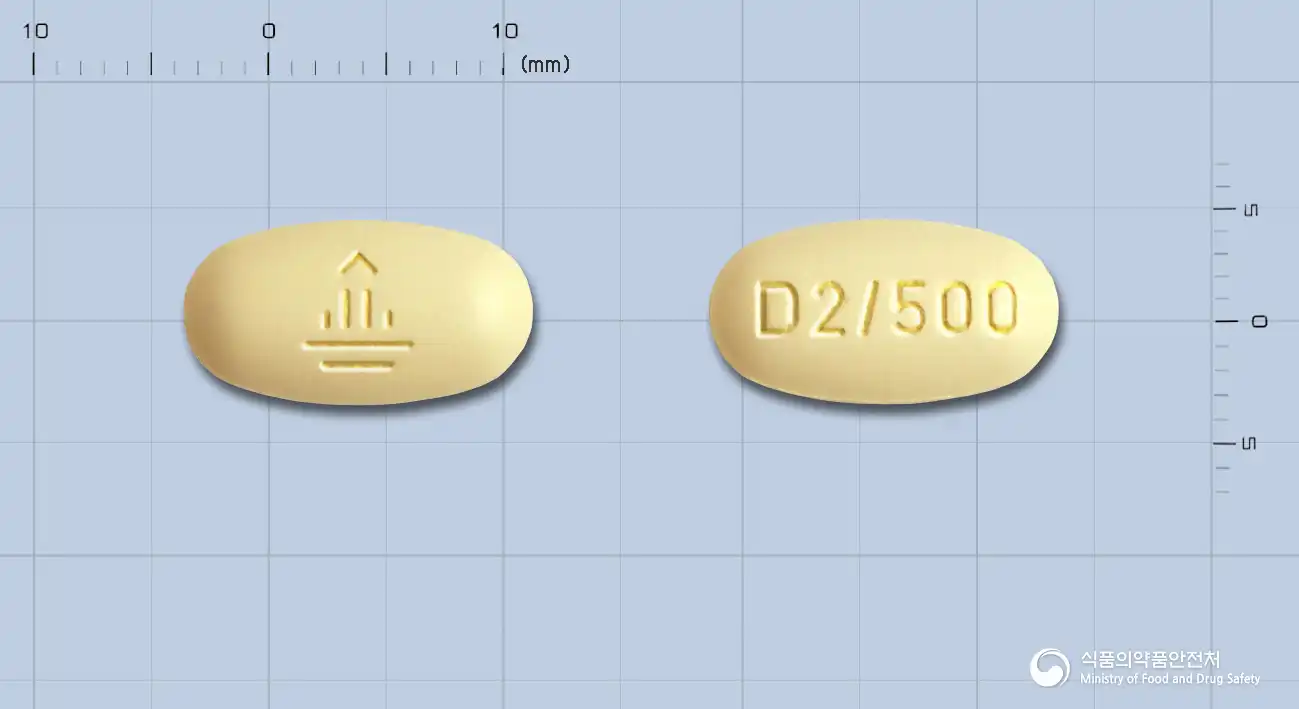 Combination
Linagliptin 2.5mg · Metformin Hydrochloride 500mg
Tablet · Prescription medication · Combination
Boehringer Ingelheim Korea Co., Ltd.
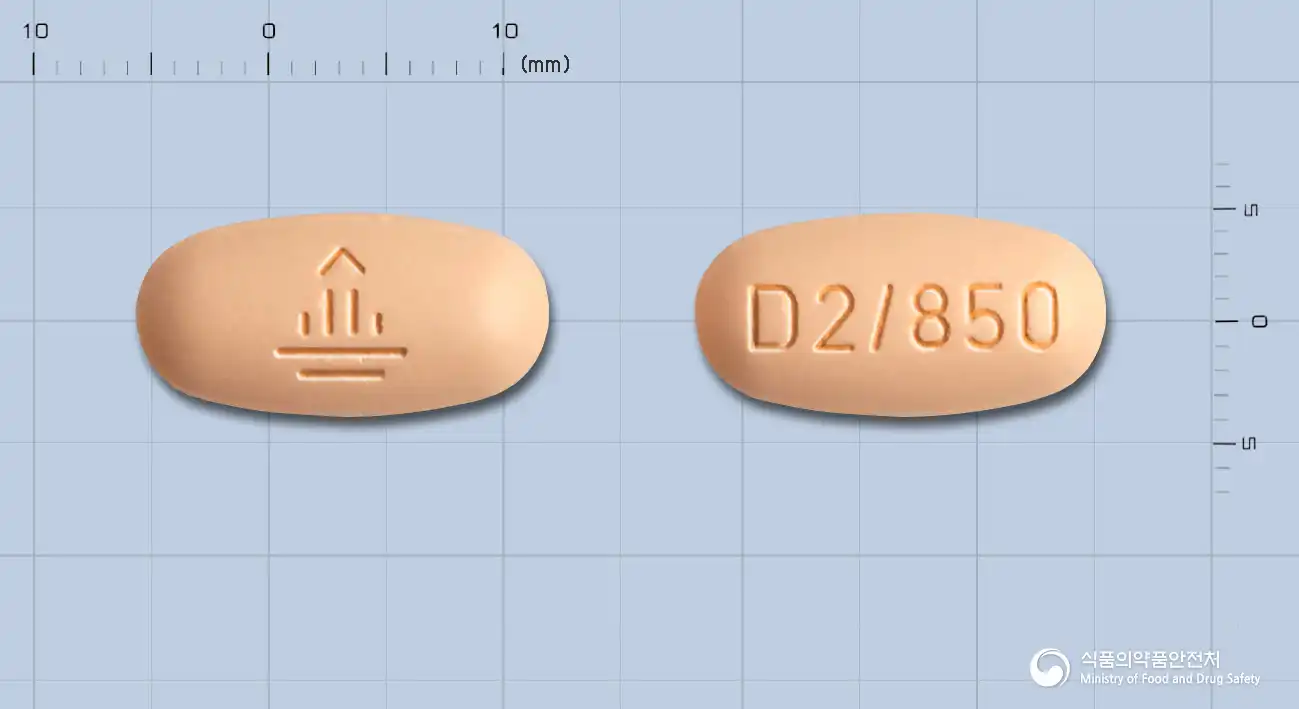 Combination
Linagliptin 2.5mg · Metformin Hydrochloride 850mg
Tablet · Prescription medication · Combination
Boehringer Ingelheim Korea Co., Ltd.
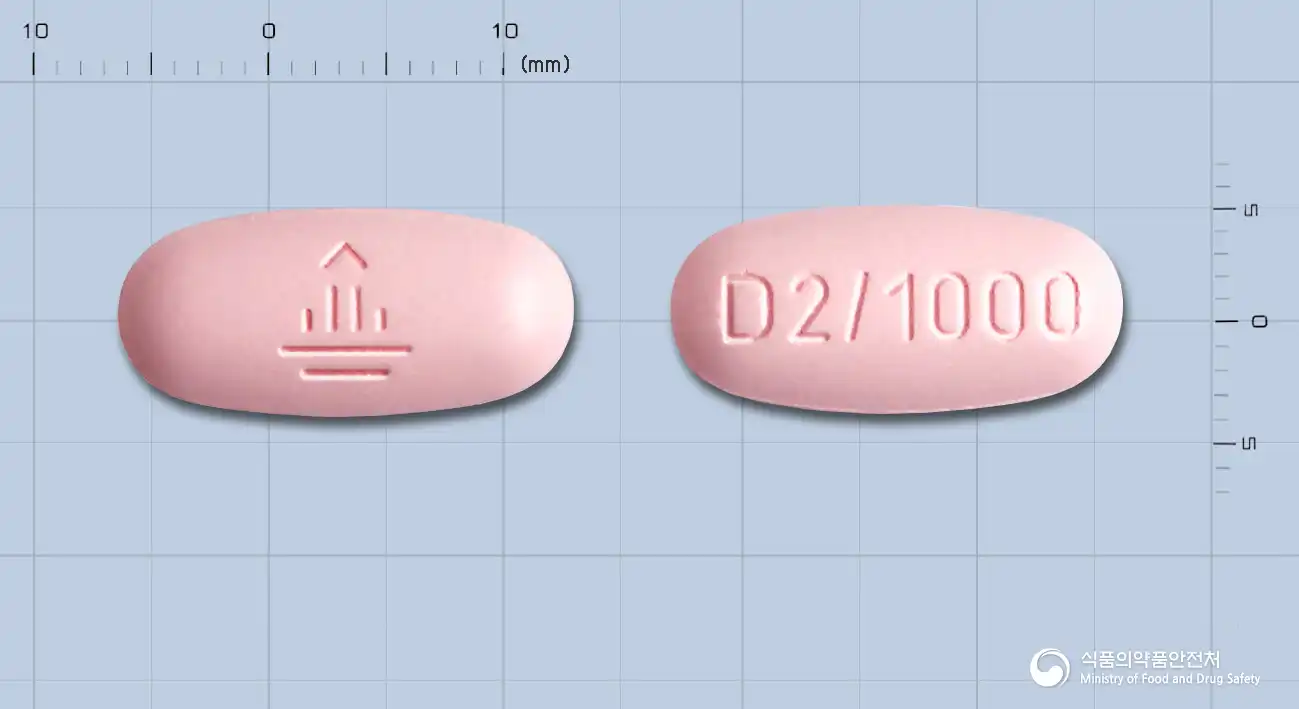 Combination
Linagliptin 2.5mg · Metformin Hydrochloride 1000mg
Tablet · Prescription medication · Combination
Boehringer Ingelheim Korea Co., Ltd.
Linagliptin 2.5mg · Metformin Hydrochloride 1000mg
Tablet · Prescription medication · Combination
Anguk Pharm Co., Ltd.
Linagliptin 2.5mg · Metformin Hydrochloride 1000mg
Prescription medication · Combination
Hanmi Pharmaceutical Co., Ltd.
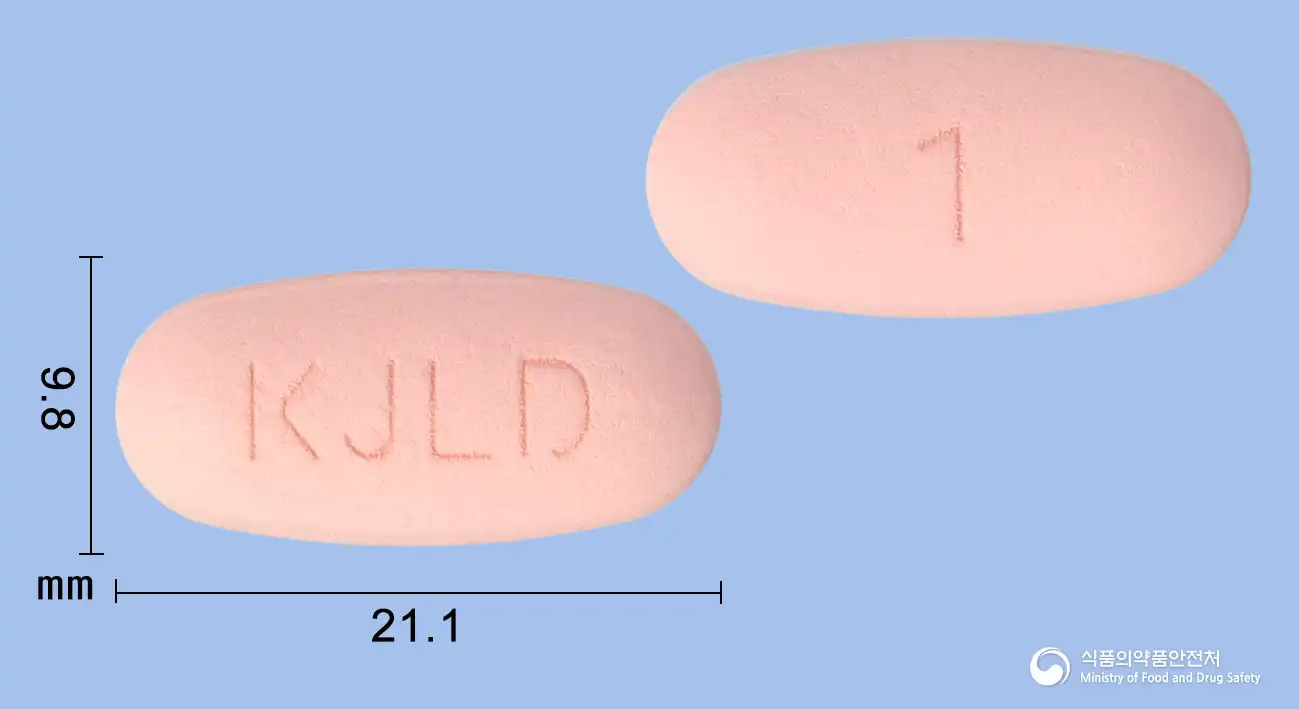 Combination
Linagliptin 2.5mg · Metformin Hydrochloride 1000mg
Tablet · Prescription medication · Combination
Kukje Pharmaceutical Co., Ltd.
 Combination
Linagliptin 2.5mg · Metformin Hydrochloride 500mg
Tablet · Prescription medication · Combination
International Pharmaceutical Co., Ltd.
Even with the same ingredient, the dose and directions can differ by strength and dosage form. Talk to a doctor or pharmacist before switching from a medication you are already taking.
No questions yet.
For anything that needs medical judgment, consult a doctor or pharmacist.
This drug information is based on data provided by the Korea Ministry of Food and Drug Safety.
Consult a doctor or pharmacist for accurate dosage, administration, and usage instructions.