
 한국어
한국어 English
 日本語
日本語 中文(简体)
Dosage form image
Viewing nowBon Green Tablets 35 mg (Risedronate Sodium 2.5 Hydrate)
Risedronate Sodium 2.5 Hydrate 40.2mg
Tablet · Prescription medication
Searle Pharmaceuticals Co., Ltd.
MFDS item code 201907408 · Approved 2019.10.22
This product's status changed to Expired on 2024.10.22. It may no longer be sold, so consult a doctor or pharmacist before taking it.
Treatment and prevention of osteoporosis in postmenopausal women and men
This medication is used for the treatment and prevention of osteoporosis that can occur in both postmenopausal women and men.
As Risedronate Sodium, take 35 mg once orally once a week. Since food may interfere with the absorption of this medication, it should be taken at least 30 minutes before breakfast or at least 2 hours apart from food or beverages at any time of day for optimal absorption. To facilitate reaching the stomach and reduce the likelihood of esophageal irritation, take with a sufficient amount of pure water in an upright position.
Safety and efficacy in children under 18 years have not been established.
This medication can irritate the mucosa of the stomach and esophagus, so patients with gastrointestinal diseases such as gastritis, esophagitis, or esophageal ulcers should be especially careful. When taking this medication, it should be taken with a sufficient amount of water and you should not lie down for at least 30 minutes after taking it. If you experience problems with the esophagus or difficulty swallowing, stop taking the medication immediately and consult your doctor. This medication may interfere with calcium absorption, so supplementation may be necessary if there is a deficiency in calcium or vitamin D. Women who are pregnant or may become pregnant, nursing mothers, patients with severe kidney disease, and patients with certain genetic diseases should not take this medication. Patients undergoing dental surgery or with oral infections should consult their doctor prior to taking this medication due to the risk of jawbone abnormalities. Long-term use of this medication may rarely cause atypical fractures of the femur, so if you experience pain in the leg or groin, be sure to inform your doctor. This medication may interfere with the absorption of other medications, so it should be taken at different times from calcium or antacids. Safety and efficacy in children or adolescents under 18 years have not been established. In case of overdose, serum calcium levels may decrease, and if symptoms appear, you should seek immediate treatment. This medication should be kept out of reach of children and should not be transferred to another container.
Esophagitis, esophageal ulcer, esophageal erosion, esophageal obstruction, esophageal perforation, mucocutaneous syndrome (Stevens-Johnson syndrome), toxic epidermal necrolysis (Lyell syndrome), angioedema, severe rash, blisters, skin peeling, pain in oral/ocular mucosa, adverse reactions in the esophagus, gastric ulcer, duodenal ulcer, jaw osteonecrosis, jaundice, liver dysfunction, sudden and severe headache, thunderclap headache, seizures, altered consciousness, visual disturbances, paralysis, shortness of breath or difficulty breathing
Not everyone experiences these, and they can vary from person to person.
This medication should be stored in a tightly sealed container to prevent air from entering and kept at room temperature between 1 and 30 degrees Celsius. Storing it this way will help maintain its effectiveness for a longer period.
Yellow rectangular film-coated tablets
4 tablets/PTP (4 tablets/PTP × 1)
Even with the same ingredient, strength, dosage form and how it is taken can differ.
Risedronate Sodium 2.5 Hydrate 40.2mg
Tablet · Prescription medication
Searle Pharmaceuticals Co., Ltd.
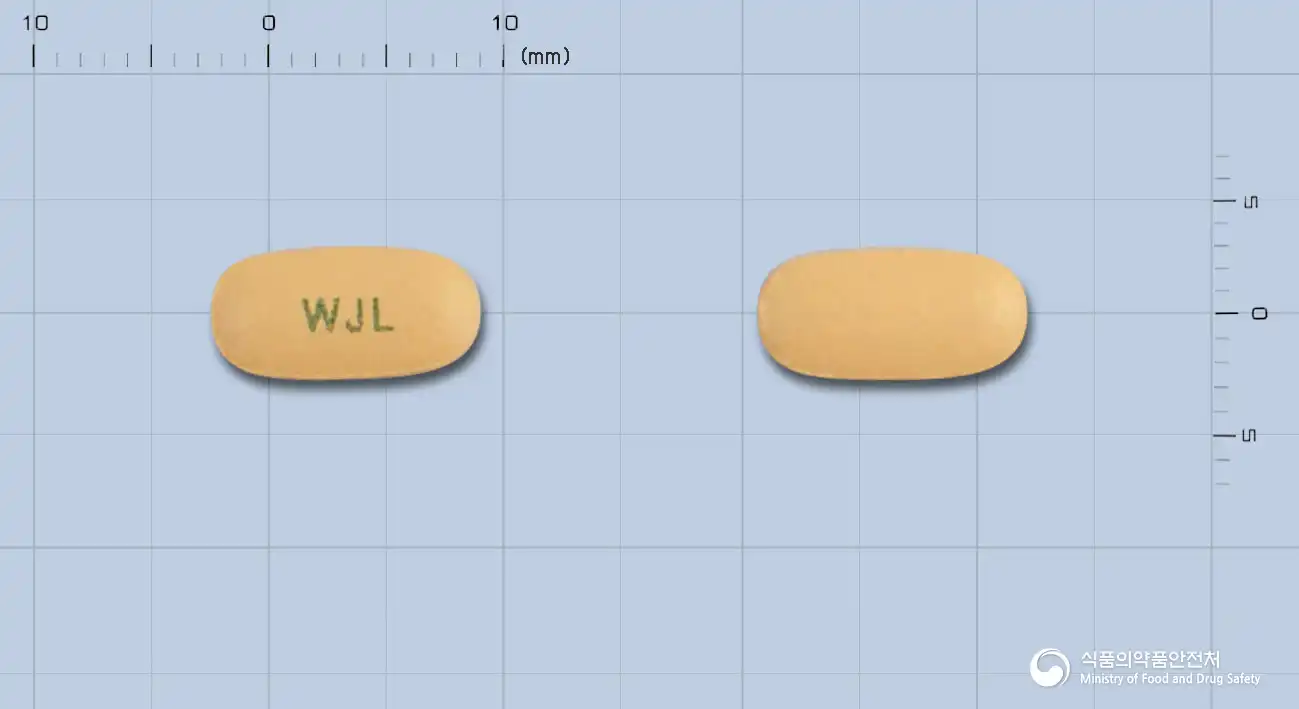
Risedronate Sodium 2.5 Hydrate 40.17mg
Tablet · Prescription medication
Austin Pharmaceutical Co., Ltd.
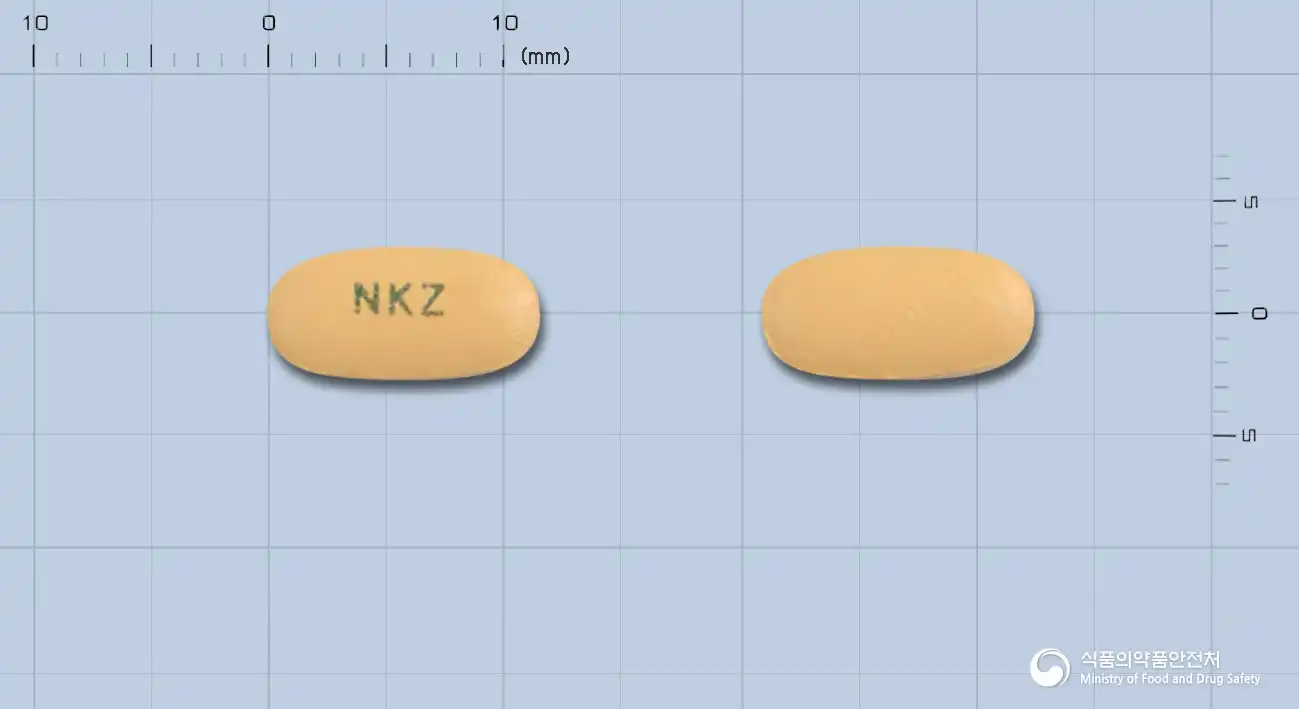
Risedronate Sodium 2.5 Hydrate 40.17mg
Tablet · Prescription medication
Nexpam Korea Co., Ltd.
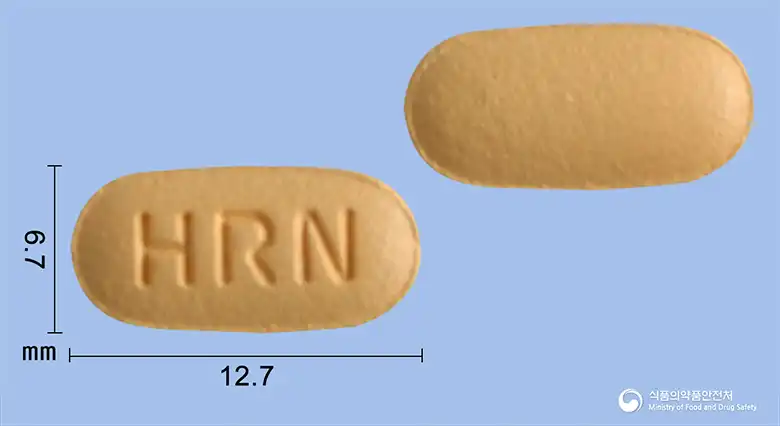
Risedronate Sodium 2.5 Hydrate 35mg
Tablet · Prescription medication
Hyutecs Pharmaceutical Co., Ltd.
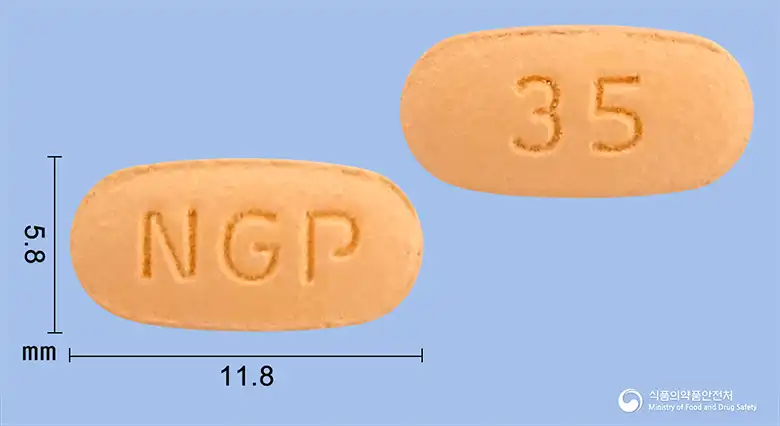
Risedronate Sodium 2.5 Hydrate 40.2mg
Tablet · Prescription medication
Celix Co., Ltd.
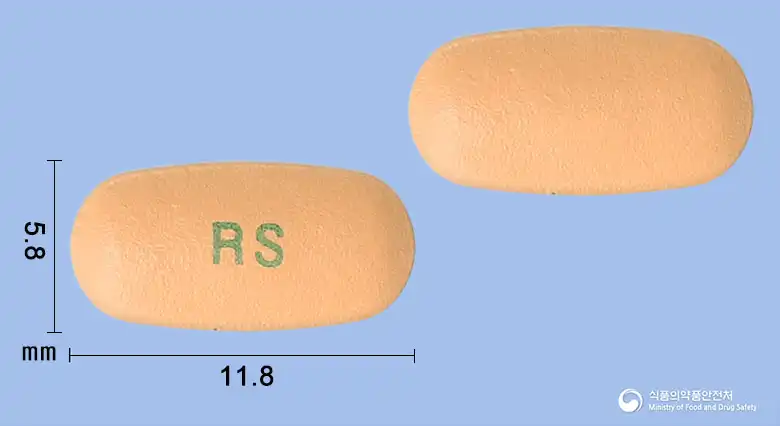
Risedronate Sodium 2.5 Hydrate 40.17mg
Tablet · Prescription medication
Myeongmun Pharmaceutical Co., Ltd.
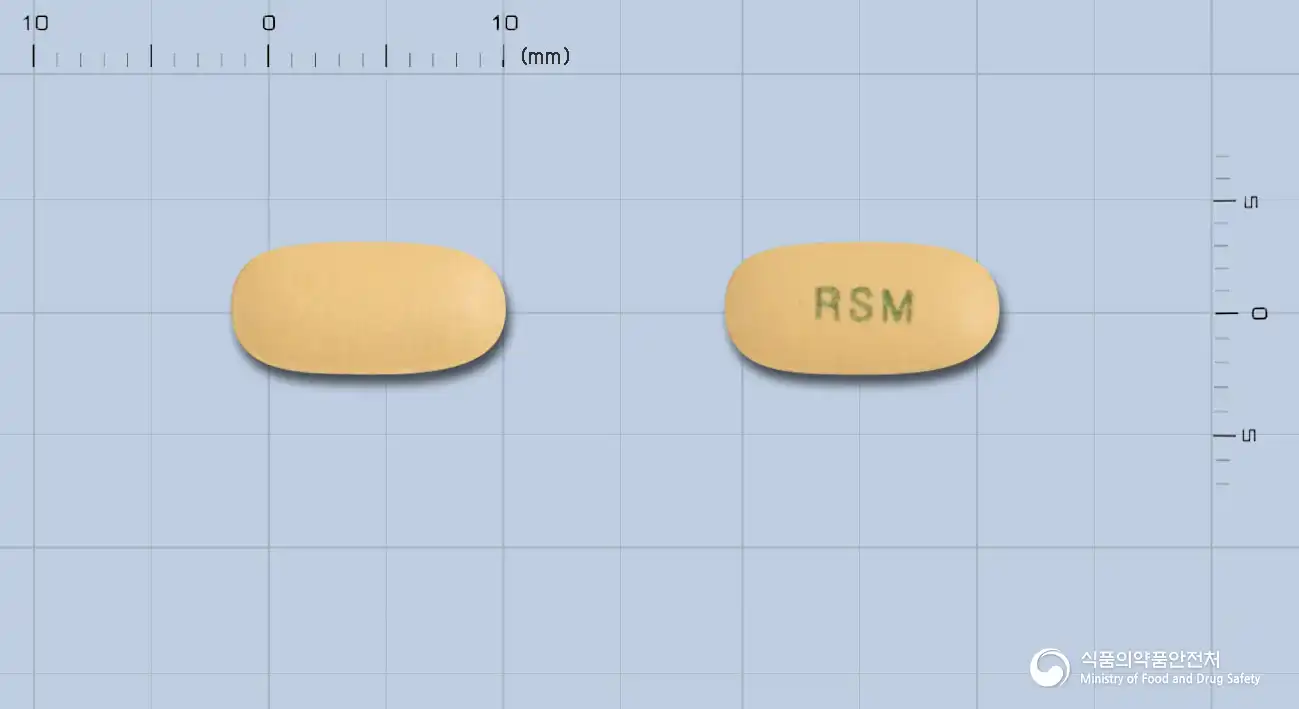
Risedronate Sodium 2.5 Hydrate 40.17mg
Tablet · Prescription medication
Korea United Pharmaceutical Co., Ltd.
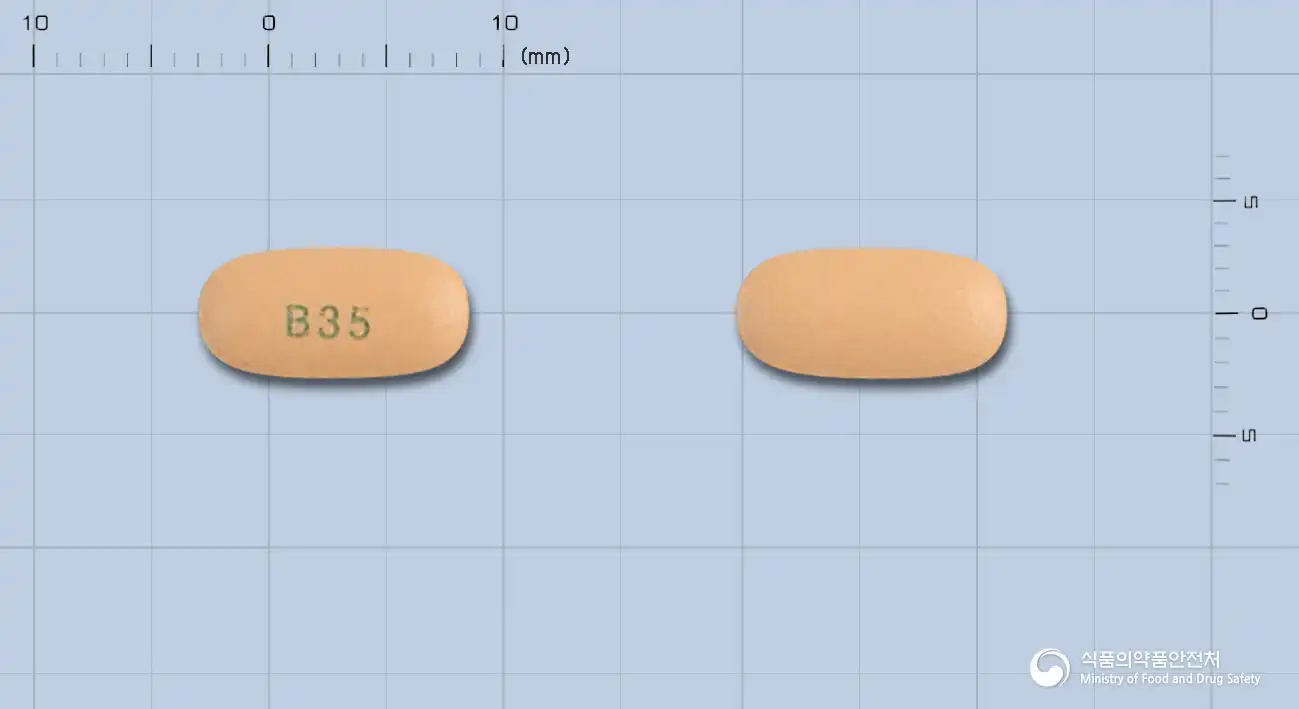
Risedronate Sodium 2.5 Hydrate 40.17mg
Tablet · Prescription medication
Shinpoong Pharmaceutical Co., Ltd.
Even with the same ingredient, the dose and directions can differ by strength and dosage form. Talk to a doctor or pharmacist before switching from a medication you are already taking.
No questions yet.
For anything that needs medical judgment, consult a doctor or pharmacist.
This drug information is based on data provided by the Korea Ministry of Food and Drug Safety.
Consult a doctor or pharmacist for accurate dosage, administration, and usage instructions.