
 한국어
 English
 日本語
 中文(简体)
 Viewing now
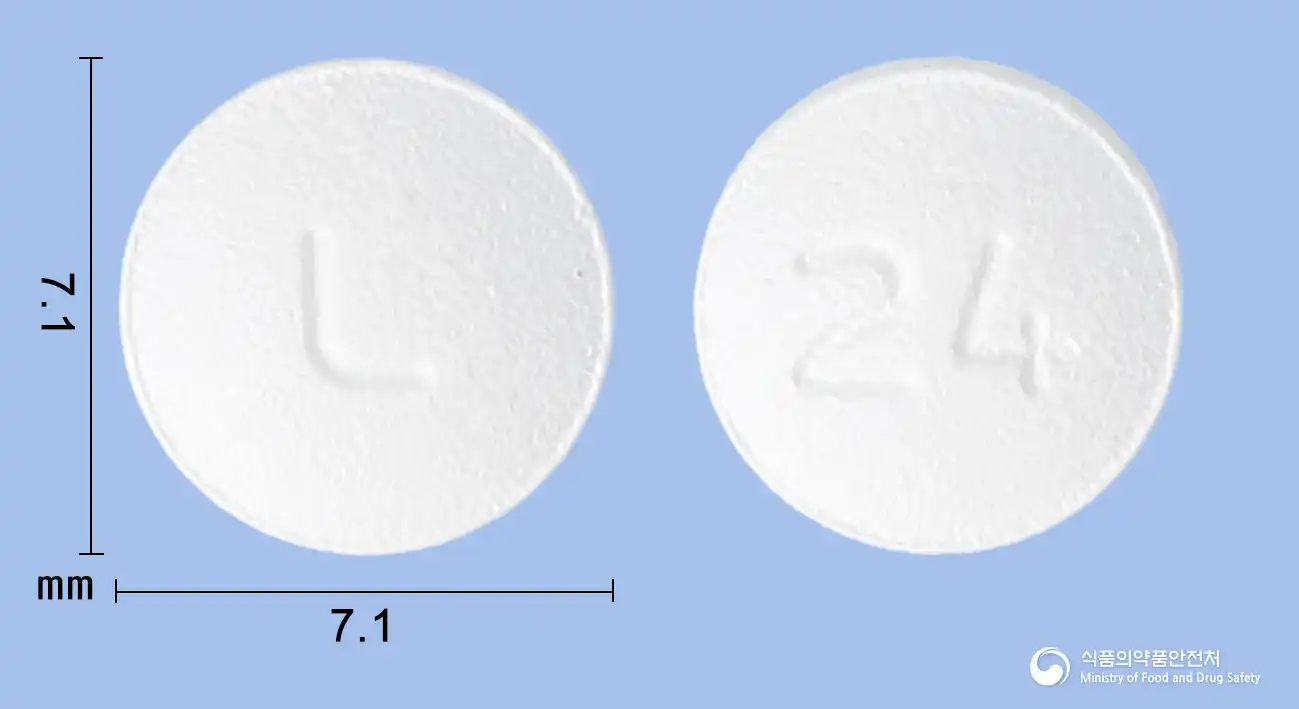
Donepezil 5 mg (Donepezil Hydrochloride Hydrate)
Donepezil Hydrochloride Hydrate 5.215mg
Tablet · Prescription medication
LNC Bio Co., Ltd.
MFDS item code 201907398 · Approved 2019.10.22 · Insurance code 060500190
Treatment of symptoms of Alzheimer-type dementia
This medicine is used to alleviate symptoms of Alzheimer's type dementia. It helps improve problems related to dementia such as memory decline and cognitive dysfunction. It contributes to delaying the progression of symptoms and maintaining the ability to perform daily activities.
○ Adults: Administer donepezil hydrochloride 5mg once daily at bedtime. If sleep disturbances such as abnormal dreams, nightmares, or insomnia occur, taking this medicine in the morning may be considered. Since donepezil concentrations reach steady state 15 days after administration and the incidence of adverse reactions may be affected by the rate of dose escalation, administer the 5mg dose for 4~6 weeks. After evaluating the clinical response during this period, the dose may be increased to 10mg. When increasing the dose to 10mg daily, administer with caution for gastrointestinal adverse reactions. After discontinuation of this medicine, its effects gradually decrease, and no rebound effect occurs with abrupt discontinuation. ○ Women aged 85 years or older with low body weight: Careful monitoring is required because adverse reactions occur more frequently. Elderly women with low body weight should not exceed 5mg daily.
○ Children: There is no experience with use in children.
This medication contains Donepezil Hydrochloride Hydrate as its main ingredient and is primarily used for the treatment of symptoms of Alzheimer's type dementia. This medication should not be used in certain patients. For example, it should not be administered to individuals who are allergic to this medication or its components, pregnant women or those who may become pregnant, and patients with lactose intolerance or certain genetic metabolic disorders. Patients with heart disease or cardiac conduction disorders, those with a history of peptic ulcers or currently taking non-steroidal anti-inflammatory drugs, patients with a history of asthma or obstructive pulmonary disease, and patients with extrapyramidal disorders such as Parkinson's disease should use this medication with caution. This medication can cause various serious side effects such as bradycardia or arrhythmias, exacerbation of peptic ulcers, liver dysfunction, seizures, muscle symptoms, etc., and if these symptoms occur, one should immediately consult a physician. Additionally, various side effects such as dizziness, nausea, vomiting, diarrhea, insomnia, hallucinations, anxiety, myalgia, rash, etc., have been reported; if symptoms persist or worsen, inform healthcare personnel. This medication is not approved for other forms of dementia or memory disorders other than Alzheimer's disease, and a diagnosis and treatment should be obtained from a specialist before using it. Patients with heart-related diseases should have their heart conditions monitored periodically through electrocardiograms while taking this medication, and those with a history of peptic ulcers should carefully observe their gastrointestinal condition. Caution is needed while taking this medication, as it may affect driving or operating machinery. It is safer for pregnant or breastfeeding women not to use this medication; if necessary, consultation with a specialist is required before administration. Safety for children has not yet been established, so this medication is not used in pediatric patients. This medication may interact with other drugs, so especially when taking it alongside heart medication, antidepressants, antibiotics, anti-inflammatory drugs, etc., one must consult with healthcare personnel. In cases of overdose, severe nausea, vomiting, bradycardia, respiratory depression, etc., may occur; if these symptoms appear, immediate emergency treatment should be sought, and atropine may be used as an antidote. This medication should be kept out of reach of children and should not be transferred to another container to maintain its quality.
Not everyone experiences these, and they can vary from person to person.
This medication should be stored in a tightly sealed container to prevent air or moisture from entering. It is best to maintain a storage temperature between 1°C and 30°C at room temperature. This will help retain the medication's effectiveness for a long time.
White round film-coated tablet
30 tablets/bottle, 100 tablets/bottle
Even with the same ingredient, strength, dosage form and how it is taken can differ.
Viewing nowDonepezil Hydrochloride Hydrate 5.215mg
Tablet · Prescription medication
LNC Bio Co., Ltd.
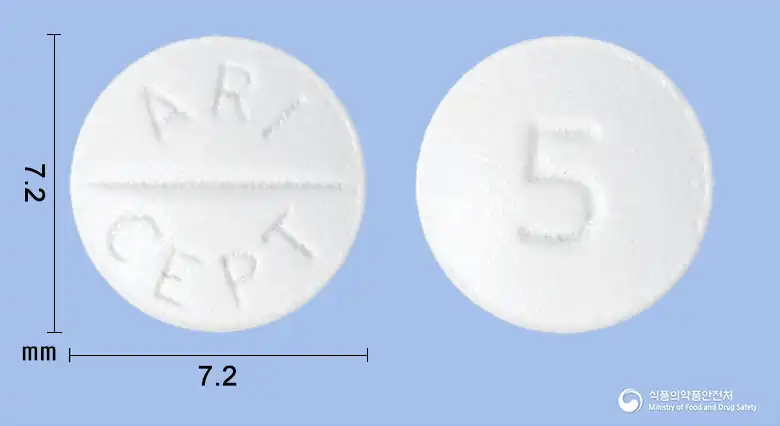
Donepezil Hydrochloride 5mg
Tablet · Prescription medication
HanDoc Co., Ltd.
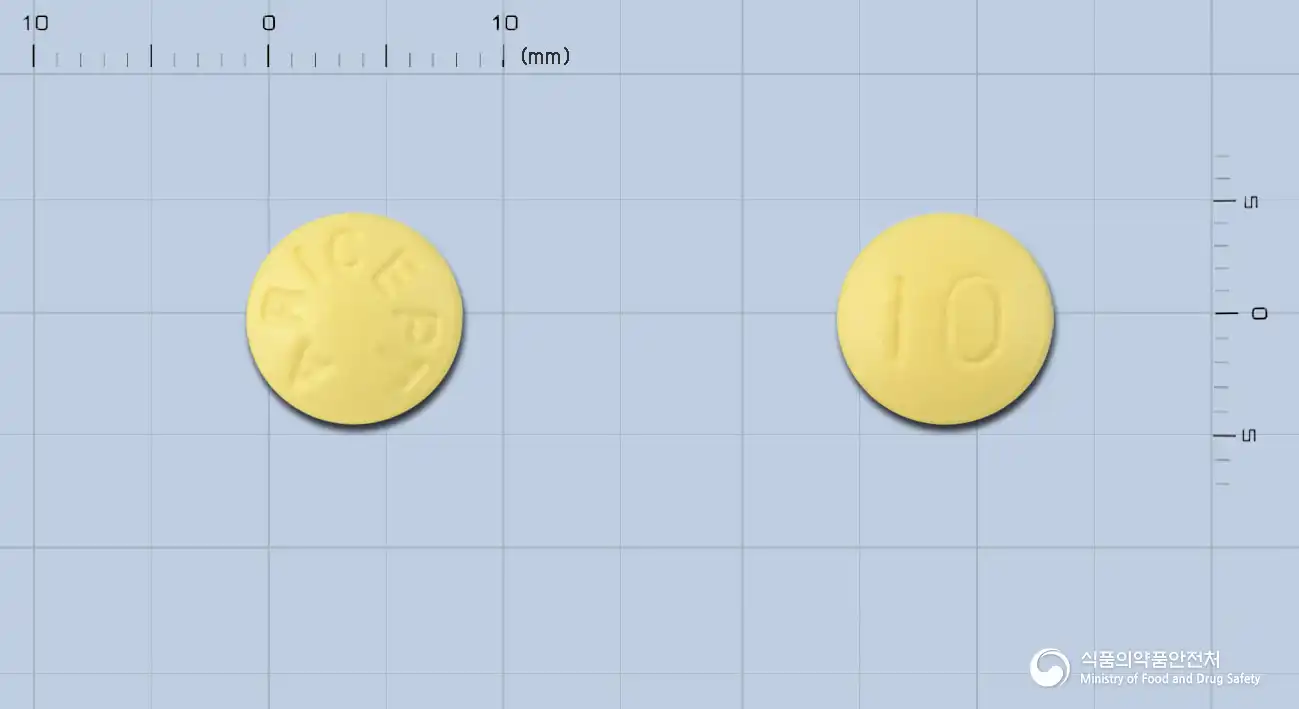
Donepezil Hydrochloride 10mg
Tablet · Prescription medication
Hanmi Pharmaceutical Co., Ltd.

Donepezil Hydrochloride Hydrate 10.43mg
Tablet · Prescription medication
IYun Pharmaceuticals Co., Ltd.
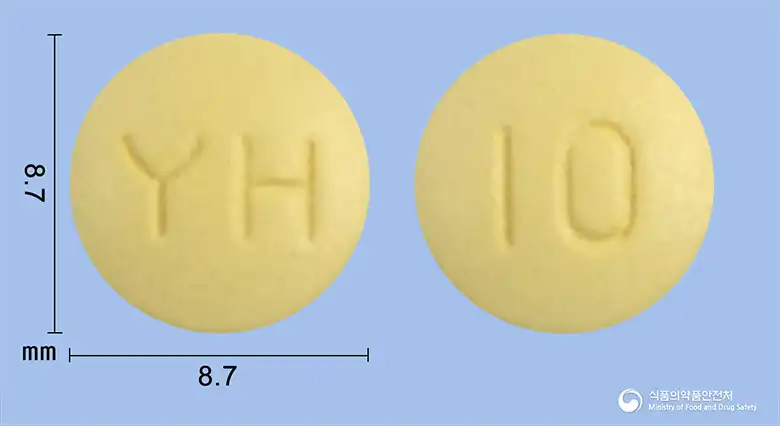
Donepezil Hydrochloride Hydrate 10.43mg
Tablet · Prescription medication
Yuhan Corporation
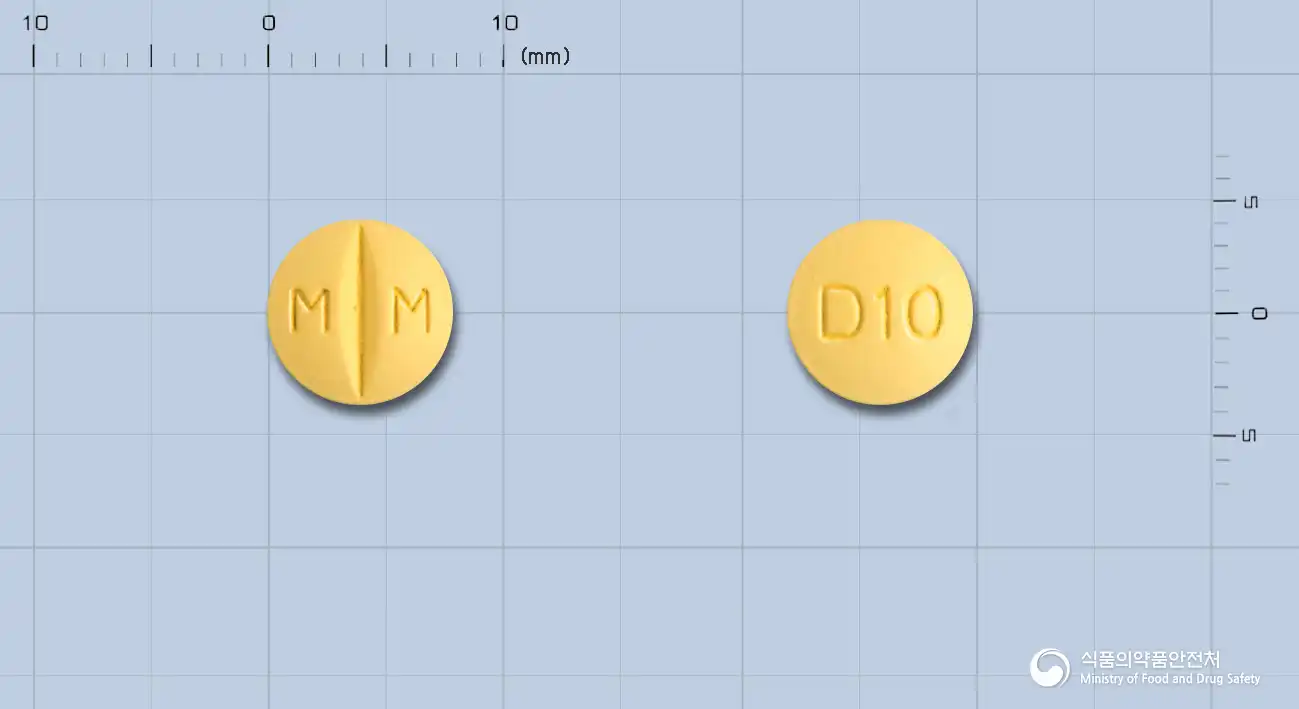
Donepezil Hydrochloride Hydrate 10.43mg
Tablet · Prescription medication
Myungmoon Pharmaceutical Co., Ltd.
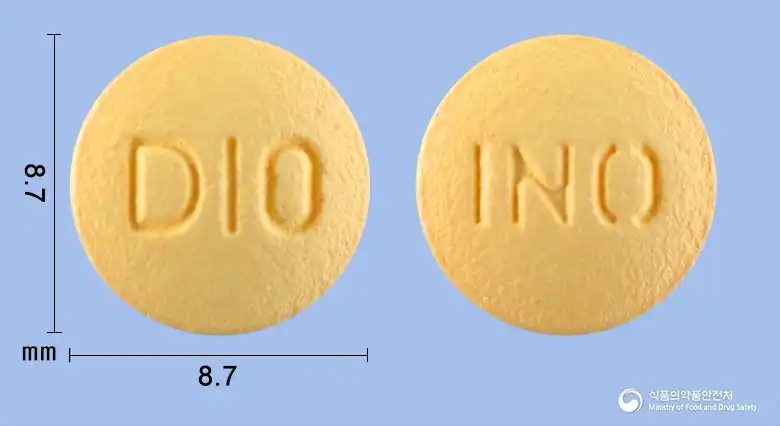
Donepezil Hydrochloride Hydrate 10.43mg
Tablet · Prescription medication
HK inno.N Co., Ltd.
Donepezil Hydrochloride 10mg
Tablet · Prescription medication
Celltrion Pharmaceutical Co., Ltd.
Even with the same ingredient, the dose and directions can differ by strength and dosage form. Talk to a doctor or pharmacist before switching from a medication you are already taking.
No questions yet.
For anything that needs medical judgment, consult a doctor or pharmacist.
This drug information is based on data provided by the Korea Ministry of Food and Drug Safety.
Consult a doctor or pharmacist for accurate dosage, administration, and usage instructions.