
 한국어
 English
 日本語
 中文(简体)
 Viewing now
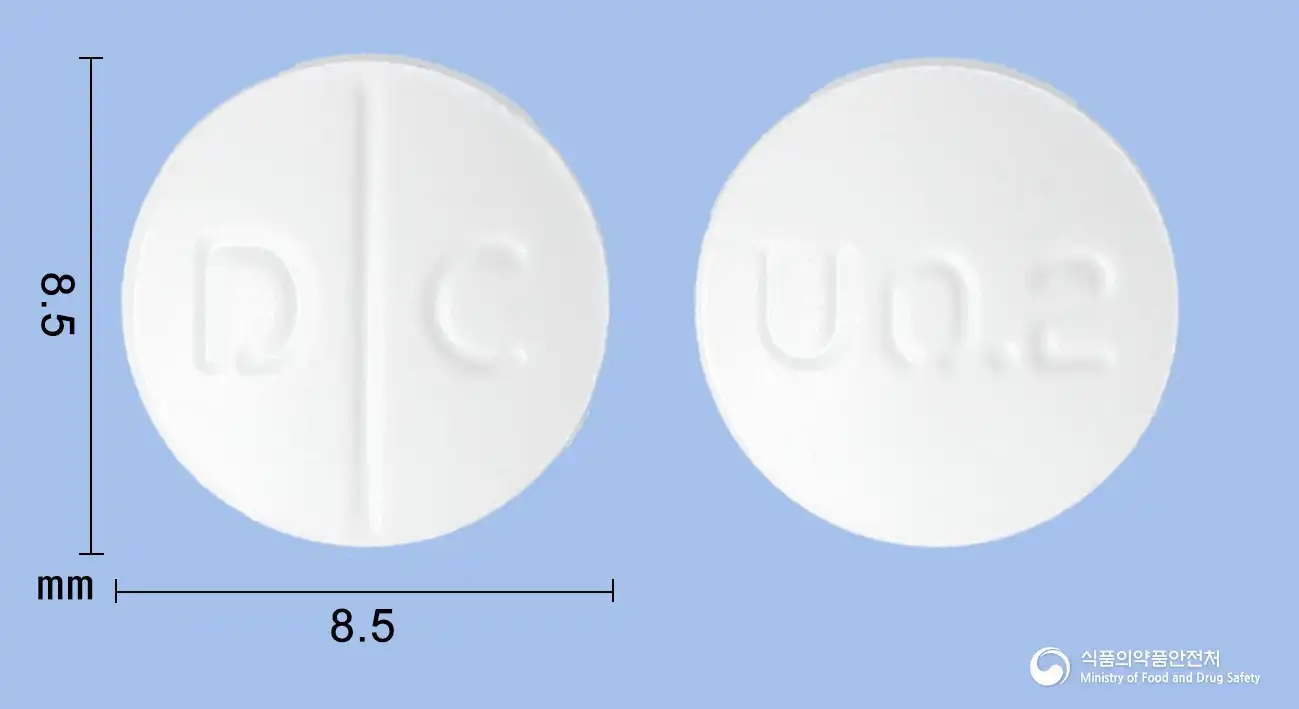
Eurorin Tablet 0.2 mg (Desmopressin Acetate)
Desmopressin Acetate 0.2mg
Tablet · Prescription medication
Donggu Bio Pharmaceutical Co., Ltd.
MFDS item code 201907389 · Approved 2019.10.22 · Insurance code 641607050,657309260
Treatment of nocturia associated with nocturnal polyuria in adults and primary nocturnal enuresis in patients aged 5 years and older
This medication is used to treat primary nocturnal enuresis and nocturia in children aged 5 and over. It is particularly effective in improving nocturia symptoms associated with nocturnal polyuria in adults. It alleviates the problem of frequent urination at night, thereby enhancing sleep quality and reducing discomfort in daily life. With this medication, you can effectively manage the symptoms of enuresis.
Treatment of symptoms of nocturia associated with nocturnal polyuria (adults only) : Administer desmopressin acetate 0.1mg orally at bedtime. If the effect is insufficient after one week, increase the dose to 0.2mg; if the effect remains insufficient, the dose may be increased at one-week intervals up to 0.4mg. Discontinue treatment if there is no clinical effect within 4 weeks after dose titration. Initiation of treatment with this medicine is not recommended in patients aged 65 years or older. In elderly patients who require treatment, closely monitor serum sodium levels and other parameters. (See section 5. General Precautions under Precautions for Use.)
Primary nocturnal enuresis (5 years of age and older) : Administer 0.2mg of desmopressin acetate orally at bedtime. If the effect is insufficient, the dose may be increased up to 0.4mg. Whether to continue treatment should be determined after 3 months of administration, following a treatment interruption of at least 1 week.
This medication plays a role in regulating the body's water balance; however, excessive water intake can lead to hyponatremia and water intoxication, which may result in coma in severe cases. Patients with hypersensitivity to this medication, certain kidney dysfunctions, heart failure, or those on diuretics should not use it. Additionally, it should not be administered to patients with lactose intolerance or specific metabolic disorders, and it is not suitable for patients with blood pressure that is not normal for enuresis treatment. Caution should be exercised when used in patients with hypertension, severe atherosclerosis, chronic renal disease, pregnant women, children, and the elderly. These patients should have their sodium levels periodically checked before and after administration. During treatment, fluid intake should be limited, and especially, one should only drink water to the extent of relieving thirst from 1 hour before administration up to 8 hours after administration. This medication may cause side effects such as allergic reactions, headaches, nausea, weight gain, and hyponatremia; if any symptoms occur, immediate consultation with healthcare personnel is advised. There may be interactions when used in conjunction with other medications, so if you are taking antidepressants, diuretics, steroids, or anti-inflammatory analgesics, you must inform your doctor or pharmacist. Women who are pregnant or nursing should make a careful decision considering the effects on uterine contractions or the fetus and are advised to discontinue breastfeeding during treatment. In case of overdose, symptoms such as headaches, nausea, convulsions, and loss of consciousness may occur, and in such cases, it is essential to visit a medical institution for appropriate treatment. This medication does not affect driving or operating machinery; however, caution is advised in case of side effects during treatment.
Not everyone experiences these, and they can vary from person to person.
This medication may be sensitive to air or moisture, so it should be stored in a tightly closed container. Avoid extremely hot or cold places, and it is best to store it at room temperature between 1°C and 30°C.
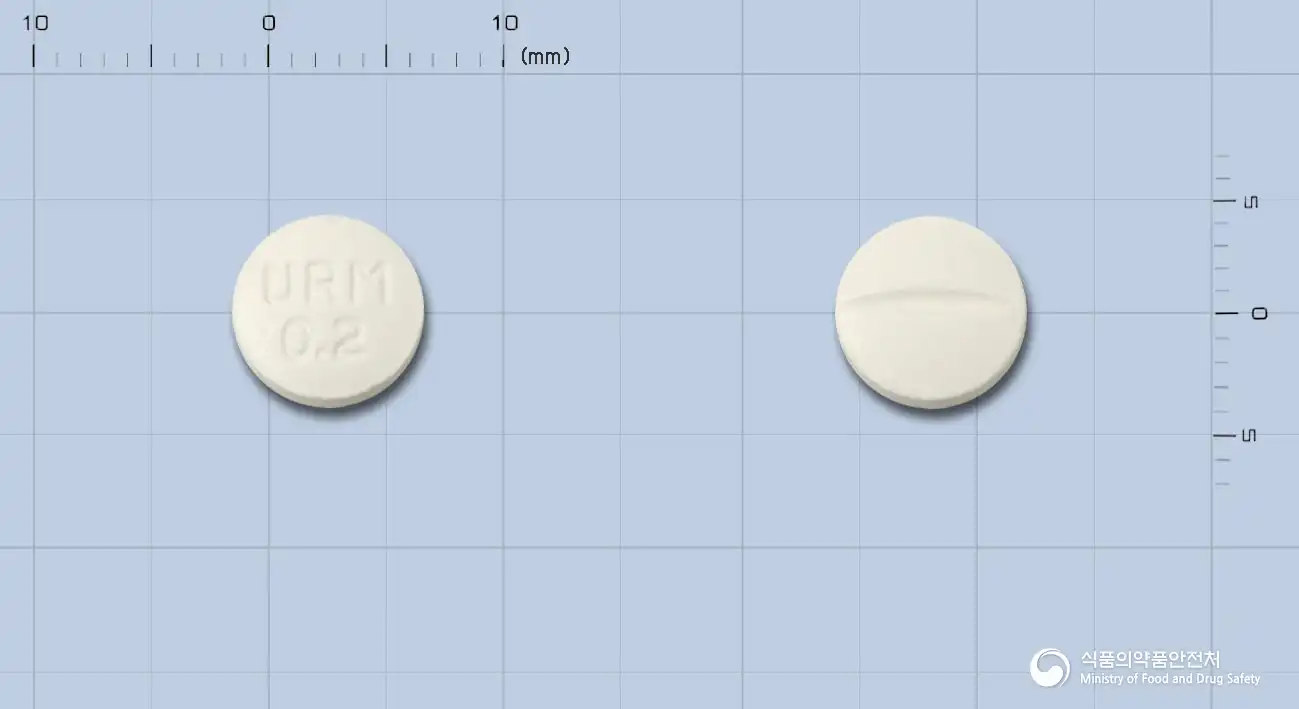
White round tablets
30 tablets/bottle
Even with the same ingredient, strength, dosage form and how it is taken can differ.
Viewing nowDesmopressin Acetate 0.2mg
Tablet · Prescription medication
Donggu Bio Pharmaceutical Co., Ltd.
Desmopressin Acetate 10mg
Prescription medication
Korea Ferring Pharmaceuticals Co., Ltd.
Desmopressin Acetate 4μg
Prescription medication
Korea Ferring Pharmaceutical Co., Ltd.
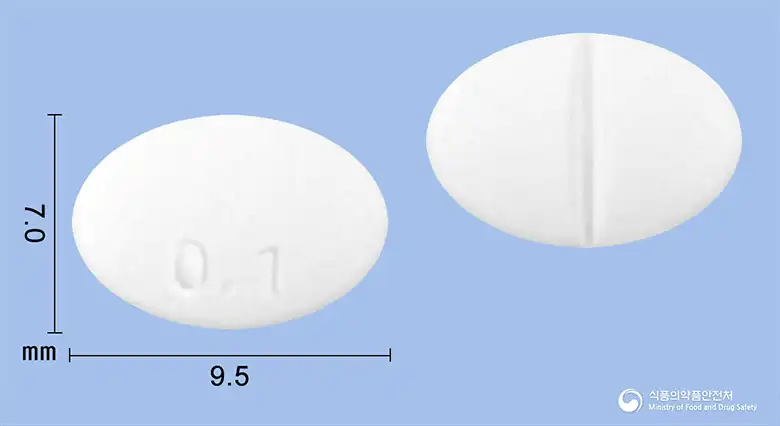
Desmopressin Acetate 0.1mg
Tablet · Prescription medication
Korea Ferring Pharmaceuticals Co., Ltd.
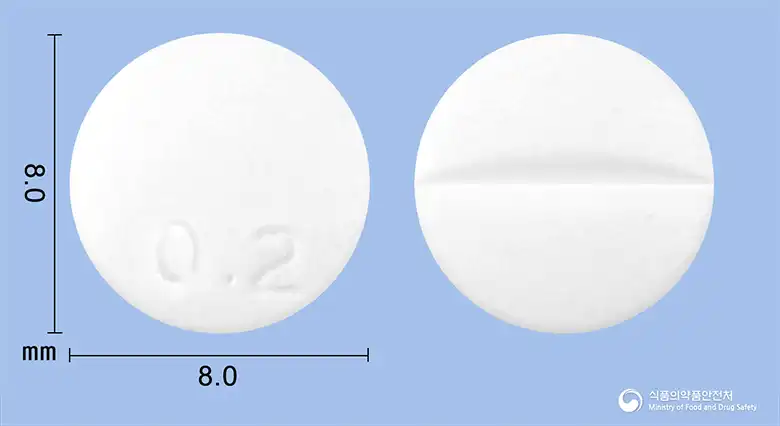
Desmopressin Acetate 0.2mg
Tablet · Prescription medication
Korea Ferring Pharmaceuticals Co., Ltd.
Desmopressin Acetate
Prescription medication
Korea Ferring Pharmaceuticals Co., Ltd.
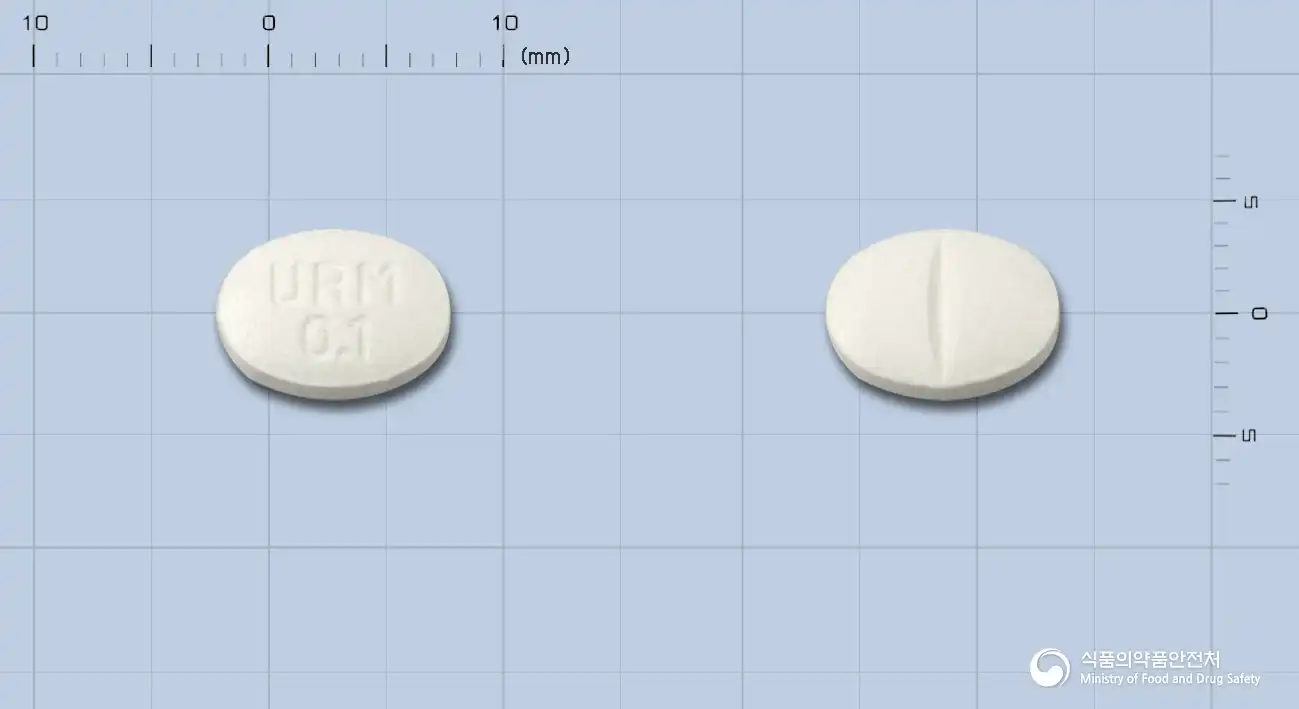
Desmopressin Acetate 0.1mg
Tablet · Prescription medication
Hyundai Pharmaceutical Co., Ltd.
Desmopressin Acetate 0.2mg
Tablet · Prescription medication
Hyundai Pharmaceutical Co., Ltd.
Even with the same ingredient, the dose and directions can differ by strength and dosage form. Talk to a doctor or pharmacist before switching from a medication you are already taking.
No questions yet.
For anything that needs medical judgment, consult a doctor or pharmacist.
This drug information is based on data provided by the Korea Ministry of Food and Drug Safety.
Consult a doctor or pharmacist for accurate dosage, administration, and usage instructions.